Can A Car Title Be In Two Names Florida?
Buying or selling a car can bring up lots of questions, especially when it comes to the paperwork. One common puzzle for folks in Florida is Can a Car Title Be in Two Names in Florida? It seems simple enough, but figuring out the exact rules can be a little tricky at first. Don’t worry, though!
We’re here to make it super clear and give you a straightforward way to get it done right. Let’s walk through what you need to know step-by-step.
Can A Car Title Be In Two Names Florida
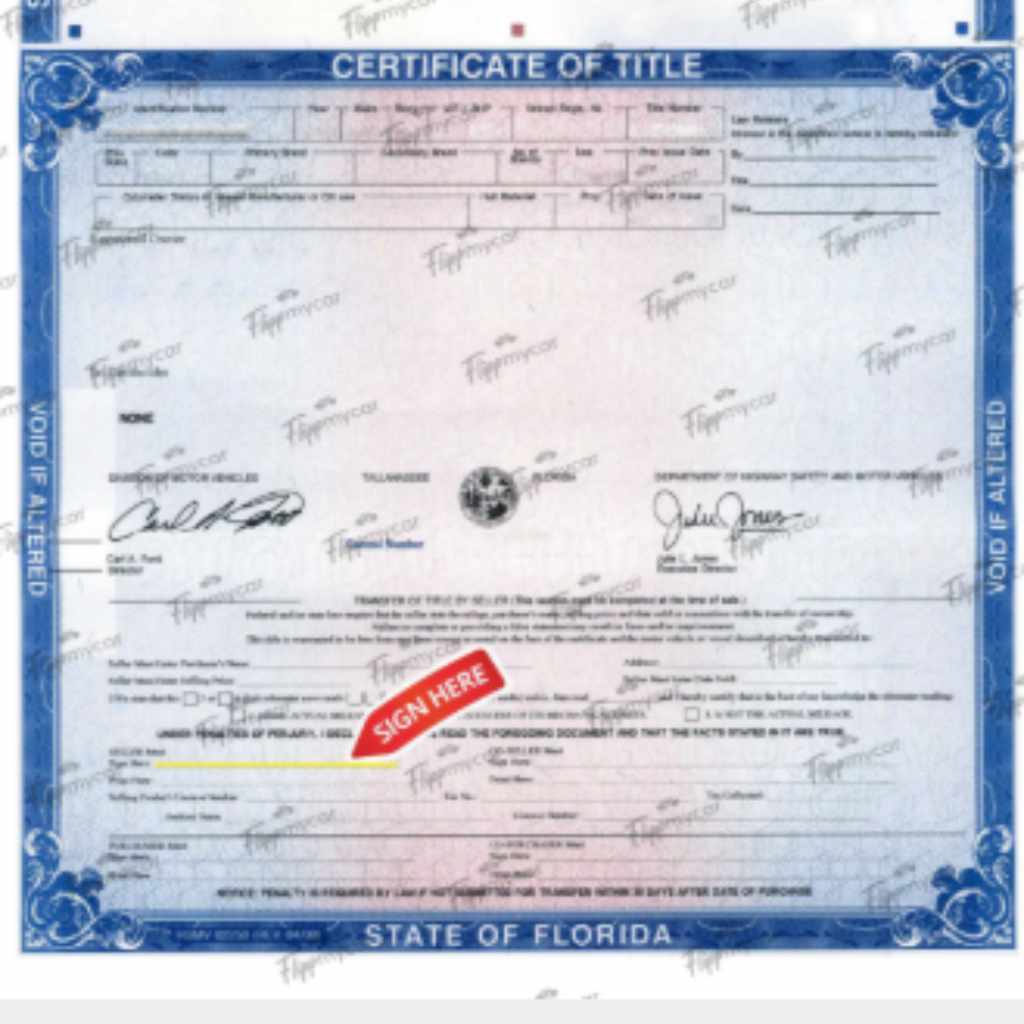
Yes, you absolutely can have a car title in two names in Florida. This is a common situation, often seen when a married couple buys a car together, or when a parent adds a child as a co-owner. The Florida Department of Highway Safety and Motor Vehicles (FLHSMV) allows for joint ownership of vehicles.
This means two individuals can share ownership rights and responsibilities for a car.
Understanding Joint Ownership
When a car title lists two owners, it signifies joint ownership. This arrangement can offer several benefits, depending on the specific circumstances. For instance, it can simplify the process of selling the vehicle later on, as both owners would typically need to sign off on the sale.
It can also be useful for insurance purposes, making it clear who has a vested interest in the vehicle.
Florida law recognizes different ways to hold a title jointly. The most common methods involve using “and” or “or” between the names. Understanding the difference between these two is key to ensuring the title reflects your intentions accurately.
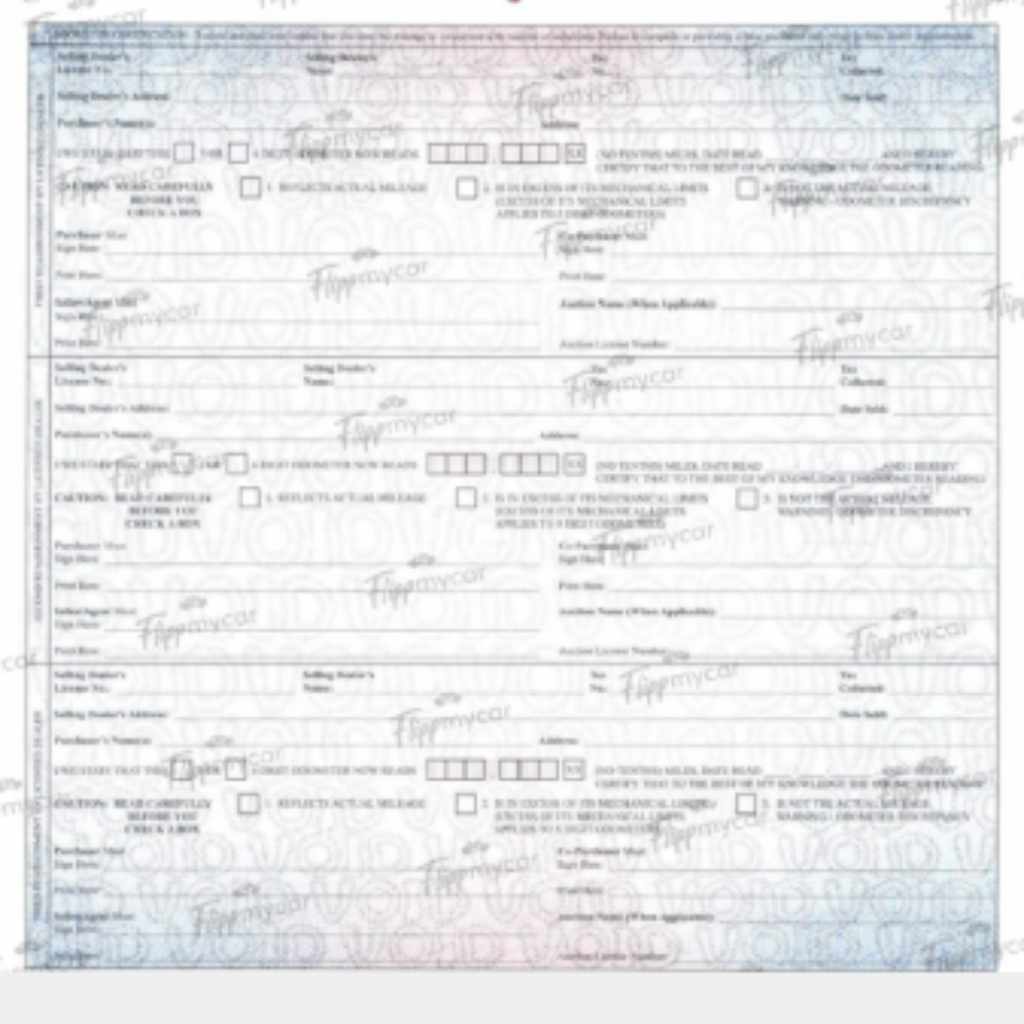
“And” vs. “Or” on a Florida Car Title
The way the names are listed on the title is very important. It determines how the vehicle can be handled in the future.
- Using “And”: When a title lists two names with “and” in between, it means both individuals must agree and sign for any transaction involving the vehicle. This includes selling the car, transferring ownership, or even applying for a duplicate title. Both owners have an equal stake and must cooperate.
- Using “Or”: If the names are listed with “or,” either owner can independently conduct transactions related to the vehicle. This means one person can sell the car, transfer ownership, or sign for necessary paperwork without the other’s explicit consent. While this offers more flexibility, it also means one owner could potentially sell the car without the other’s knowledge.
Most people, especially married couples or those buying a vehicle together for shared use, opt for the “and” designation. This ensures that major decisions about the car are made jointly. If you are unsure which option is best for your situation, it’s wise to consult with the FLHSMV or a legal professional.
Adding a Second Name to a Title
If you are purchasing a new vehicle or currently own a car and want to add a second name to the title, there’s a process to follow with the Florida DMV.
New Vehicle Purchase
When you buy a new car and want both names on the title from the start, you will typically complete this at the dealership when you finalize the sale. You will need to provide identification for both individuals and specify how you want the names to be listed (using “and” or “or”). The dealership will usually handle submitting the necessary paperwork to the FLHSMV for you.
Adding a Name to an Existing Title
If you already own a vehicle and want to add a second owner to the existing title, you’ll need to apply for a duplicate title and have the new owner’s name added. This process involves visiting a Florida Tax Collector’s office or a FLHSMV-authorized service provider.
Here’s a general rundown of what you’ll likely need for this process:
- Current Florida Title Certificate: You’ll need the original title.
- Proof of Identity for Both Owners: Both individuals will need to present valid identification, such as a driver’s license or state-issued ID.
- Application for Certificate of Title With/Without Registration (HSMV 82040): This form needs to be filled out completely. You will indicate that you are applying for a duplicate title and adding a new owner.
- Bill of Sale (if applicable): Sometimes, even when adding a name, a bill of sale might be requested, especially if there’s a transfer of equity involved.
- Lien Release (if applicable): If there was a lien on the title that has since been satisfied, you’ll need proof of that release.
- Fees: There will be fees associated with applying for a duplicate title and updating ownership.
It’s always a good idea to check the official FLHSMV website or contact your local Tax Collector’s office before your visit to ensure you have the most up-to-date requirements and forms. This will prevent any potential delays.
Joint Titling For Non-Relatives
The rules for joint titling in Florida are not limited to married couples or family members. You can add a friend, business partner, or any other individual to your car title as a co-owner. The same principles of using “and” or “or” apply.
When titling a vehicle jointly with someone who is not a spouse or immediate family member, it’s especially important to consider the implications of the “and” versus “or” designation. For example, if you and a friend buy a car together, using “and” would ensure that neither of you can sell the car without the other’s consent, protecting both your interests. If one person is primarily using the car and the other is helping with financing, the “or” might seem convenient, but it carries risks for the non-using owner.
Titling and Registration
When you have a car title in two names, the registration process also needs to reflect this joint ownership. Typically, the registration will be issued in both names. Insurance policies should also be reviewed to ensure both owners are listed and covered appropriately.
Required Documents for Registration
To register a vehicle with a title in two names, you will generally need:
- The Florida Certificate of Title showing both owners.
- Proof of Florida insurance for the vehicle.
- A completed Application for Certificate of Title With/Without Registration (HSMV 82040).
- Proof of identity for the applicant (one of the owners usually handles this).
- Payment for registration fees and any applicable taxes.
The FLHSMV mandates that all vehicles operated on Florida roadways must have current registration and insurance. When two names are on the title, it’s vital that both owners are aware of the insurance coverage and renewal dates.
What Happens If One Owner Passes Away?
This is a critical aspect to consider when deciding to jointly title a vehicle. The process for handling the title when one owner dies depends on how the title was issued.
- Joint Tenants With Full Rights of Survivorship (JTWROS): This is the most common and generally preferred method for married couples or close family members in Florida. If the title is designated as JTWROS (often indicated by the word “survivorship” or similar language), the surviving owner automatically becomes the sole owner of the vehicle upon the death of the other owner. You will need to provide a death certificate to the FLHSMV to have the title updated to reflect sole ownership.
- Tenants in Common: If the title is held as “tenants in common” (which is less common for vehicles and usually specified as such or if “survivorship” is absent and “or” is used), the deceased owner’s share of the vehicle will pass according to their will or the laws of intestacy. This can involve a probate process.
- “And” Designation Without Survivorship: If the title is in two names with “and” but no survivorship rights are specified, the surviving owner cannot simply transfer the title. The deceased owner’s share becomes part of their estate and may need to go through probate.
- “Or” Designation Without Survivorship: With an “or” title and no survivorship, the surviving owner can typically claim sole ownership, but it is still advisable to consult with the FLHSMV or an attorney to ensure all legal requirements are met.
Because of these potential complications, many Floridians choose the “Joint Tenants With Full Rights of Survivorship” option when titling a vehicle with a spouse or close family member. It simplifies matters significantly in the event of a death.
Important Considerations
Before you decide to put a car title in two names, think about these points:
- Liability: If the vehicle is involved in an accident, both owners can potentially be held liable, especially if the title uses “or” or if the vehicle was driven by someone with permission from either owner.
- Financing: If the car is financed, lenders may have specific requirements for who can be on the title. Often, if there’s a loan, the lender will be listed as a lienholder and may require only the primary borrower to be on the title, or both if they co-signed.
- Future Sales: As mentioned, an “and” title requires both signatures to sell, which can be a hurdle if owners are no longer in agreement.
- Divorce or Separation: Joint ownership can create difficulties during a divorce or separation, especially if the vehicle is an asset that needs to be divided.
How to Get the Correct Information
The Florida Department of Highway Safety and Motor Vehicles (FLHSMV) is the primary source for all vehicle titling and registration information in the state. Their official website is an invaluable resource. You can find forms, detailed explanations of titling requirements, and answers to frequently asked questions.
Additionally, Florida’s county Tax Collector offices serve as agents for the FLHSMV. Visiting your local Tax Collector’s office is a practical way to get in-person assistance with your titling and registration needs. They can guide you through the process, help you fill out the correct forms, and answer specific questions related to your situation.
Frequently Asked Questions
Question: Can a car title be in two names in Florida without being married?
Answer: Yes, a car title can be in two names in Florida even if the individuals are not married. You can add a friend, family member, or business partner as a co-owner. The key is deciding whether to use “and” or “or” between the names, which affects how the vehicle can be sold or transferred.
Question: What is the difference between “and” and “or” on a Florida car title with two names?
Answer: When a Florida car title lists two names with “and,” both owners must sign for any transaction (like selling the car). If it lists names with “or,” either owner can sign for transactions independently, meaning one person could sell the car without the other’s consent.
Question: Do both owners have to be present to add a name to a Florida car title?
Answer: Typically, at least one owner needs to be present with all required documentation, including proof of identity for both individuals. However, it is best to confirm with your local Florida Tax Collector’s office or the FLHSMV if both owners must be physically present for the entire process.
Question: How long does it take to get a new title with two names in Florida?
Answer: After you submit your application and all necessary paperwork to the Florida Tax Collector’s office or FLHSMV, it usually takes a few weeks to receive your new title in the mail. The exact processing time can vary.
Question: What happens if a car is titled in two names with “and” and one owner dies?
Answer: If the title was issued as Joint Tenants With Full Rights of Survivorship (JTWROS), the surviving owner automatically inherits full ownership. If survivorship was not specified, the deceased owner’s share may need to go through probate, and the surviving owner cannot simply transfer the title alone.
Final Thoughts
Figuring out Can a Car Title Be in Two Names in Florida? is a common question, and the answer is a clear yes. Whether you’re a married couple buying a new ride, or you want to share ownership with someone else, Florida law makes it possible. The most important part is understanding the difference between listing names with “and” or “or,” as this significantly impacts future decisions about the vehicle, like selling it.
Adding a second name to an existing title involves a few steps with the FLHSMV or your local Tax Collector, but it’s a manageable process. Always ensure you have all your identification and the correct forms ready to make your visit smooth. Taking the time to get this right from the start can save a lot of headaches down the road, especially when it comes to inheritance or any major changes to ownership.
Products related to this article
Sponsored / affiliate links. As an Amazon Associate I earn from qualifying purchases. I may earn additional commission from eligible campaigns.