What Is Speed Control In A Car And How Does It Work?
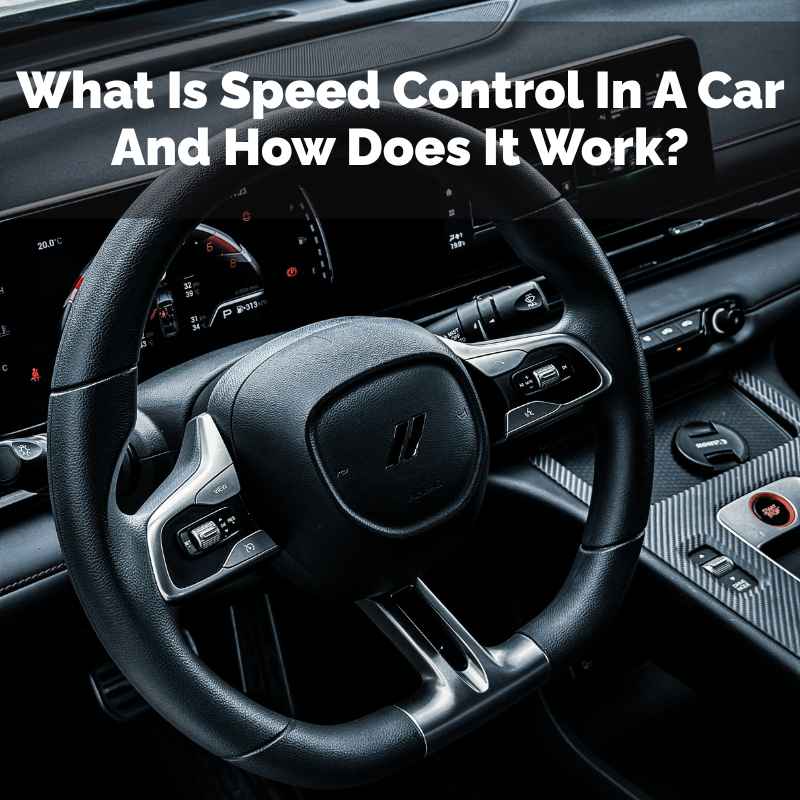
Car speed control, often called cruise control, is a system that automatically maintains a driver-set speed without requiring the driver to hold the accelerator pedal. It uses sensors, a control unit, and actuators to manage engine power and keep the vehicle at a constant pace, making highway driving more comfortable and potentially more fuel-efficient.
Understanding Car Speed Control
Car speed control is a feature that lets your car hold a specific speed. You set it, and the car keeps you there. This is great for long drives.
It takes some work off your foot. No more constant small adjustments to the gas pedal. Your car handles it.
The main goal is comfort. It also helps keep a steady speed. This can be good for gas mileage on the highway.
The system is not meant for city streets. It’s best for open roads with light traffic. It simplifies the driving task.
This lets you focus more on the road ahead. It’s a driver aid, not a replacement for driving.
Think of it like this. You tell your car, “Stay at 65 miles per hour.” The car listens. Then, it uses its own brain to make sure you don’t go faster or slower.
It does this by working with the engine. It’s a clever way to make driving easier on long trips. It’s a feature that has been around for many years.
How Car Speed Control Works: The Inner Workings
So, how does this system actually keep your car at a set speed? It’s a smart combination of parts working together. You’ve got sensors that tell the car what’s happening.
Then there’s a brain, a computer, that figures things out. Finally, there’s something that actually controls the engine. It’s a team effort.
The system starts with your input. You press a button to turn it on. Then you set your desired speed.
This signal goes to the car’s computer. This computer is like the main controller. It gets information from other sensors.
One important sensor tells the computer how fast the car is actually going. This is usually based on wheel speed.
Once the computer knows your target speed and your current speed, it compares them. If you are going slower than the set speed, the computer needs to give the engine more gas. If you are going faster, it needs to give the engine less gas.
This is where the control unit comes in. It sends signals to an actuator.
The actuator is the part that physically interacts with the engine. In older cars, this might have been a cable that pulled on the throttle body. In modern cars, it’s usually an electronic signal.
This signal tells the engine’s throttle to open or close more. It’s a fine-tuning process. The system constantly checks and adjusts.
The system also needs to know when to disengage. You can usually turn it off by pressing the brake pedal or the clutch pedal. Some systems have a dedicated cancel button.
This is a safety feature. It ensures you can always take manual control quickly.
There are a few key components involved:
- Speed Sensors: These measure how fast your wheels are turning. This data is used to calculate your vehicle’s speed.
- Control Module (Computer): This is the brain of the system. It receives your commands and sensor data. It decides how much to adjust the engine’s power.
- Actuator: This part takes commands from the control module. It adjusts the throttle to control engine speed and thus vehicle speed.
- Driver Inputs: These are the buttons you press. They include buttons to set the speed, resume a previous speed, accelerate, decelerate, and cancel the system.
A Personal Experience with Speed Control
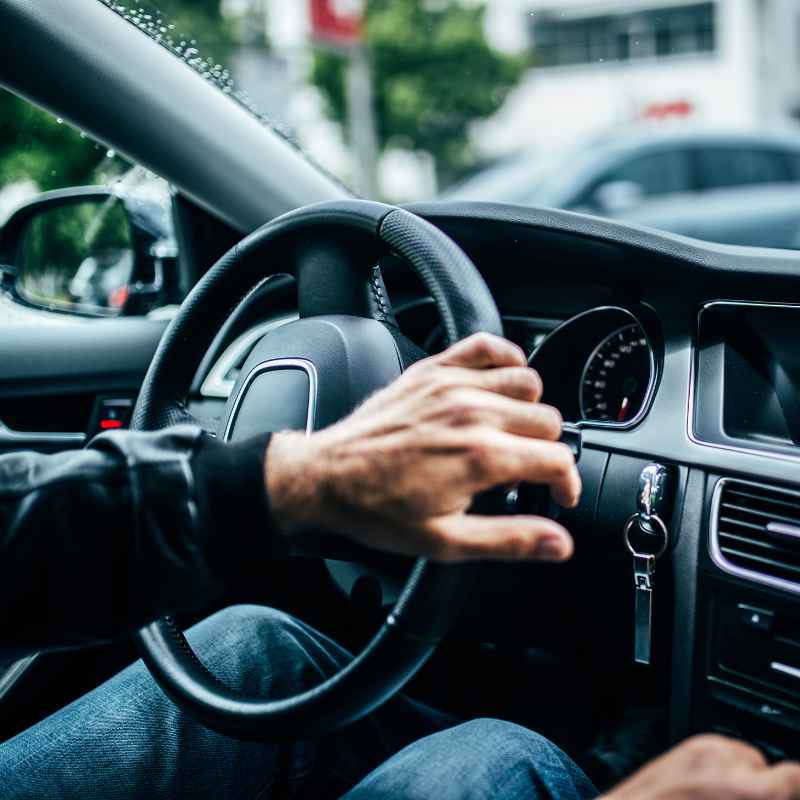
I remember my first really long road trip after getting my driver’s license. It was from Chicago to Denver. That’s a lot of miles.
I was so excited, but also a little nervous about driving so far alone. The first few hours were fine, but my foot started to ache from holding the gas pedal steady.
My dad had shown me how to use the cruise control on his car. I’d never really tried it much. So, on a quiet stretch of I-80, I decided to give it a go.
I found a nice, empty spot and pressed the button. Then, I set the speed to 70 mph. It was amazing!
Suddenly, my foot felt free. I could wiggle my toes. I could rest my leg slightly differently.
It wasn’t perfect, of course. There were slight inclines and declines. The car would slow down a little going uphill and speed up a little going downhill.
Then, the system would kick in and correct it. It felt like a gentle nudge on the gas.
At one point, a truck passed me, and the wind buffeted my car. I felt a slight dip in speed. The cruise control reacted.
It gave the engine a bit more gas to get back up to speed. It wasn’t jarring. It was smooth.
I felt a sense of relief wash over me. This made the long drive so much more manageable. It was a small thing, but it made a big difference to my comfort and my focus.
Speed Control: Quick Facts
What it is: A system to hold a set speed.
Main Benefit: Driver comfort on long trips.
How it Works: Sensors, computer, and engine controls.
Best Use: Highways and open roads.
Safety: Always disengageable with brake or clutch.
Variations and Types of Speed Control Systems
Speed control has evolved over the years. The basic idea remains the same: maintain a set speed. But the technology has gotten much smarter.
We now have different types of systems available.
The most basic type is what we’ve been talking about. It’s often called conventional cruise control. You set a speed, and it holds that speed.
If the car goes downhill, it might not do anything to slow you down. It mainly focuses on getting back up to speed when needed.
Then there’s adaptive cruise control (ACC). This is a much more advanced system. ACC doesn’t just hold your speed.
It also watches the car in front of you. It uses sensors, like radar or cameras, to detect other vehicles. If the car ahead slows down, ACC will also slow your car down to match its speed.
It automatically applies the brakes if necessary.
When the car ahead speeds up or moves out of the way, ACC will then accelerate your car back up to your set speed. This system adds another layer of safety and convenience. It can help prevent rear-end collisions.
It makes traffic jams less stressful. It can even bring the car to a complete stop and then resume driving.
Some modern cars have even more advanced systems. These might combine ACC with lane-keeping assist. This means the car not only controls speed but also helps keep you centered in your lane.
These are often called “hands-on” or “driver-assist” systems.
The complexity of these systems means they have more components. They might include:
- Radar or Lidar Sensors: To detect objects in front of the vehicle.
- Cameras: To help identify lane markings and other vehicles.
- More Sophisticated Control Modules: To process data from multiple sensors.
- Integration with Braking Systems: To actively slow the vehicle.
Choosing a car with ACC can be a big step up in driving experience. It’s especially helpful on long commutes or road trips. However, it’s important to remember these are aids.
They require your attention. You are still the driver. You must be ready to take over at any moment.
Conventional vs. Adaptive Cruise Control
Conventional Cruise Control:
- Holds a set speed.
- Does not react to other vehicles.
- Relies on driver to brake or slow down.
Adaptive Cruise Control (ACC):
- Holds a set speed.
- Uses sensors (radar/camera) to detect cars ahead.
- Automatically adjusts speed to match traffic.
- Can apply brakes to slow down or stop.
- Resumes set speed when traffic clears.
Why is Speed Control Important?
Speed control isn’t just about making long drives less tiring. It offers several benefits. These impact your driving experience, your wallet, and even your safety.
One major benefit is driver comfort. We’ve talked about this a lot. On long highway journeys, your legs and feet can get stiff.
Cruise control frees you from constantly pressing the gas pedal. This allows you to change your position slightly. It reduces fatigue.
A less tired driver is a safer driver.
Another benefit is fuel efficiency. When you use cruise control on the highway, it helps maintain a steady speed. Constant acceleration and deceleration burn more fuel.
By keeping the speed consistent, the engine operates more smoothly. This can lead to better gas mileage. Many drivers notice a slight improvement in their MPG when using cruise control on open roads.
Traffic flow can also be smoother with cruise control. When drivers maintain a consistent speed, it reduces the “accordion effect” in traffic. This is where cars bunch up and then spread out.
Steady speeds create a more predictable flow. This can reduce sudden braking for everyone. Adaptive cruise control takes this even further.
For adaptive cruise control, enhanced safety is a key point. By automatically monitoring the distance to the car in front, it can react faster than a human in some situations. It helps prevent accidents caused by inattention or slow reaction times.
It’s a valuable tool for reducing the risk of rear-end collisions.
Finally, it can help you avoid speeding tickets. It’s easy to unintentionally creep above the speed limit on a long, straight road. Setting your cruise control helps you stay at the legal speed.
You can relax a bit more knowing you’re not going too fast.
In summary, speed control offers:
- Reduced driver fatigue
- Potential fuel savings
- Smoother traffic flow
- Increased safety (especially with ACC)
- Assistance in obeying speed limits
Quick Tips for Using Speed Control
When to Use:
- Long highway stretches.
- Moderate, steady traffic.
- Good weather conditions.
When NOT to Use:
- Heavy city traffic.
- Winding or hilly roads.
- Slippery conditions (rain, snow, ice).
- Areas with frequent intersections or merging traffic.
Always:
- Keep your foot near the brake pedal.
- Be aware of your surroundings.
- Be ready to disengage the system instantly.
Real-World Context: When and Where to Use Speed Control
Using speed control effectively is all about knowing when and where it’s appropriate. It’s designed for specific driving conditions. Using it in the wrong situation can be more of a hazard than a help.
The ideal environment for conventional cruise control is the open highway. Think of those long, straight roads across the plains or through the mountains where you can see far ahead. These are places where traffic is usually light and moves at a relatively consistent speed.
Roads like I-80, I-70, or I-90 in less populated areas are perfect examples.
Habits that make speed control a good choice include planning for long drives. If you know you’ll be on the interstate for hours, engaging cruise control can make the journey much more comfortable. It’s a tool to help manage the demands of sustained driving.
The design of modern roads is also a factor. Highways are built for higher speeds and smoother travel. They often have fewer unpredictable changes.
This makes them suitable for systems that aim to maintain a constant pace.
However, user behavior is critical. You must understand the limitations of the system. If you are driving in heavy traffic, with cars constantly changing lanes and braking, conventional cruise control is a bad idea.
It won’t react to the car in front of you. You’ll be constantly overriding it or potentially causing a problem.
Consider these scenarios:
- Long Haul Road Trip: Perfect for using cruise control.
- Navigating City Traffic: Absolutely not. Too many stops and starts.
- Driving on Snowy or Icy Roads: Dangerous. Tire grip is reduced, and you need precise control.
- Approaching a Steep Downhill: Conventional cruise might not hold your speed. You’ll need to brake.
- Following a Large Truck: Adaptive cruise control can be useful here, but remain alert.
It’s about matching the technology to the road conditions and your driving situation. Always prioritize safety. If there’s any doubt, turn it off and drive manually.
Speed Control in Different Conditions
Clear, Dry Highway: Excellent. Use it for long stretches.
Heavy Traffic: Not recommended for conventional cruise. Adaptive cruise is better but requires attention.
Rain or Snow: Generally not advised. Reduced traction makes manual control safer.
Hilly Terrain: Conventional cruise may speed up downhill and require braking. Adaptive cruise handles this better but still needs monitoring.
Fog: Use extreme caution. Visibility is low, and you need full control.
What This Means for You: When is it Normal, When to Worry
Understanding how your car’s speed control system behaves is key to using it safely. Most of the time, it works exactly as intended. But sometimes, things might seem a bit off.
Knowing the difference between normal operation and a potential issue is important.
When it’s normal:
- Slight Speed Fluctuations: On hills, your car might slow a bit going up and speed up a bit going down. Conventional cruise control might not immediately correct this. Adaptive cruise control will work harder to maintain the set distance or speed. This slight variation is usually normal.
- Gentle Acceleration/Deceleration: The system should adjust the engine smoothly. You shouldn’t feel a sudden jerk or harsh change in speed.
- Disengaging with Brake/Clutch: When you press the brake or clutch pedal, the system should immediately turn off. This is a crucial safety feature.
- Resuming Speed: After disengaging, pressing the “Resume” button should bring you back to your last set speed smoothly.
When to worry (and what to check):
- System Not Engaging: If you press the set button and nothing happens, there might be a fault. Check your car’s manual. Ensure you’re meeting the conditions for engagement (e.g., speed above a certain threshold).
- Sudden Jerking or Unintended Acceleration/Braking: If the system behaves erratically, it needs immediate attention. This could indicate a problem with the sensors or the control module.
- Inability to Disengage: If pressing the brake or clutch does not turn off the system, this is a serious safety concern. Pull over safely and seek professional help immediately.
- Speed Significantly Different from Set Speed: If the car consistently drives much faster or slower than you’ve set, despite being on flat ground, the system might be malfunctioning.
- Adaptive Cruise Control Not Detecting Cars: If ACC fails to slow down for a vehicle ahead, it’s a major safety risk. Do not use the system and get it checked.
Simple checks you can do:
- Consult Your Owner’s Manual: It provides specific instructions for your car’s system.
- Check for Error Lights: Your car’s dashboard might show a warning light related to the cruise control system.
- Ensure No Obstructions: For adaptive cruise control, make sure the sensors (usually in the front grille or bumper) are clean and not blocked by dirt, snow, or debris.
If you experience any of the “when to worry” symptoms, it’s best to have your car inspected by a qualified mechanic. Most modern cars have diagnostic tools that can pinpoint issues with the speed control system.
Troubleshooting Quick Scan
Issue: Cruise control won’t turn on.
Check: Speed is high enough? Brake pedal fully released? System not in a restricted mode?
Issue: Car speeds up downhill.
Check: Normal for basic cruise. If excessive, check brakes.
Issue: System disengages randomly.
Check: Brake lights working? Any dashboard warning lights?
Issue: ACC not slowing for car ahead.
Check: Sensors clean? System activated? Conditions right (weather, road lines)?
Quick Fixes & Tips for Speed Control Use
While complex fixes are best left to mechanics, there are simple tips to get the most out of your speed control and keep it working smoothly.
Tip 1: Keep it Clean
For cars with adaptive cruise control, the front-facing sensors are vital. These are often found behind the grille or in the bumper. Dirt, mud, snow, or ice can block them.
This will stop ACC from working correctly. A simple wash can often fix this issue. Make sure the area is dry afterward.
Tip 2: Know Your Buttons
Familiarize yourself with all the buttons related to speed control. This usually includes ON/OFF, SET, RESUME, ACCEL (or +), and DECEL (or -). Some systems also have a CANCEL button.
Knowing exactly what each button does will make you more confident and quicker to react.
Tip 3: Understand Engagement Speed
Most cruise control systems won’t engage if you’re going too slow. There’s usually a minimum speed requirement (often around 25-30 mph). Check your owner’s manual for the exact speed for your vehicle.
Trying to set it when you’re too slow will just result in disappointment.
Tip 4: Use “Resume” Wisely
The “Resume” function is great for getting back to your set speed after briefly slowing down. However, if you’ve braked significantly or been stopped for a while, it’s often safer to simply use the “Set” function again. This ensures you’re setting the speed consciously for the current conditions.
Tip 5: Adjust Gradually
If you need to change your set speed, use the ACCEL/DECEL buttons. Pressing them briefly will usually adjust the speed in small increments (e.g., 1 mph). Holding them down will often increase or decrease the speed more rapidly.
Adjusting gradually is smoother for the car and your passengers.
Tip 6: Active Supervision is Key
This isn’t a “set it and forget it” system, especially adaptive cruise control. You must always pay attention to the road. Be ready to take over.
The system is an aid, not an autopilot. Your eyes and judgment are the most important safety features.
Tip 7: Don’t Rely on it in Poor Conditions
We’ve said it before, but it bears repeating. Avoid using cruise control in rain, snow, ice, fog, or heavy traffic. These conditions require your full, manual control over the vehicle’s speed and braking.
It’s better to be slightly uncomfortable and safe than to risk an accident.
Speed Control Etiquette & Safety
On the Highway: Use it to maintain a steady pace and reduce fatigue.
In Traffic: Conventional cruise control is a no-go. ACC can be used with extreme caution and constant vigilance.
Weather: Avoid using it in bad weather. Manual control is always best when traction is compromised.
Driver Focus: Never let cruise control lull you into a false sense of security. Always monitor your surroundings.
Frequently Asked Questions about Car Speed Control
What is the primary purpose of car speed control?
The main goal is to help drivers maintain a constant vehicle speed without continuously using the accelerator pedal. This enhances driver comfort on long journeys and can contribute to better fuel efficiency on highways.
Can cruise control be used in the city?
No, conventional cruise control is generally not recommended for city driving. The frequent starting, stopping, and changing traffic conditions require manual control of the accelerator and brakes. Adaptive cruise control can sometimes be used in milder traffic but still requires constant driver attention.
Does speed control save fuel?
Yes, often it does. By maintaining a steady speed and avoiding unnecessary acceleration and deceleration, the engine can operate more efficiently. This can lead to improved gas mileage, especially on long highway drives.
What’s the difference between cruise control and adaptive cruise control?
Conventional cruise control simply holds a set speed. Adaptive cruise control (ACC) not only holds speed but also uses sensors to detect vehicles ahead and automatically adjusts your speed to maintain a safe following distance. ACC can slow down or even stop your car if needed.
What should I do if my speed control system seems to be malfunctioning?
If your speed control system behaves erratically, doesn’t engage, or fails to disengage properly, it’s important to stop using it and have it inspected by a qualified mechanic. Never ignore warning lights or unusual behavior from the system.
Is cruise control safe to use in bad weather like rain or snow?
It is generally not safe to use conventional cruise control in adverse weather conditions like rain, snow, or ice. These conditions reduce tire traction, and you need precise manual control of your speed and braking. Adaptive cruise control should also be used with extreme caution or avoided in such conditions.
How do I turn off speed control?
You can typically turn off speed control by pressing the brake pedal or the clutch pedal (in manual transmission cars). Many systems also have a dedicated “Cancel” button. Pressing the main ON/OFF button will also disengage the system.
Conclusion
Car speed control is a fantastic feature. It makes long drives much more pleasant. Understanding how it works helps you use it safely and effectively.
Whether it’s basic cruise control or advanced adaptive systems, these tools are designed to assist you. They help make your journeys smoother and less tiring. Always remember to drive smart and be aware of your surroundings, no matter what system you have engaged.
Products related to this article
Sponsored / affiliate links. As an Amazon Associate I earn from qualifying purchases. I may earn additional commission from eligible campaigns.