Car AC and Heater Both Quit at Once? Here Is the Real Cause
Car AC and heat both stopped working at the same time? That almost always rules out a simple refrigerant leak. A refrigerant problem or a dead compressor can only take away cold air — it cannot touch your heater too. When both systems quit together, the real cause is a component the two systems actually share: the blower motor, its fuse or relay, a blend door actuator, or the HVAC control module.
Quick Answer
If no air blows from any vent at any setting, suspect the blower motor, its fuse, or its relay. If air blows but stays one temperature no matter what you dial in, suspect the blend door actuator or HVAC control module. If the failure started right after another repair, a battery disconnect can knock the climate control out of calibration until it is reset.
Why Would AC and Heat Both Stop Working at the Same Time?
Your car’s heating and cooling share one delivery system. A single blower motor pushes air, hot or cold, through the same ducts and vents. The AC compressor, condenser, and refrigerant lines only make air cold — they have no way to stop your heater from working too. So when a driver reports that both quit together, the fault almost always sits somewhere in the parts both systems rely on.
| Symptom | Likely Shared Cause | AC-Only Cause? (Rule This Out Instead) |
|---|---|---|
| No air from any vent, at any fan speed | Blower motor, blower fuse, or blower relay | No — refrigerant and compressor issues still let air blow, just not cold |
| Air blows but is always the same temperature | Blend door actuator or HVAC control module | No — this is a delivery problem, not a cooling problem |
| Only AC is warm; heater still works fine | Not a shared fault | Yes — low refrigerant, bad compressor, or failed condenser |
| Failure began right after another repair | Battery-disconnect reset or reconnect power surge | Possible, but check the reset steps below first |
TOP PICK FOR FUSE & BLOWER TESTING
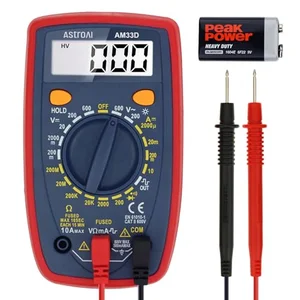 |
AstroAI Digital Multimeter – $14.59 Touch the two probes across the blower motor connector or a suspect fuse to see in seconds whether power is actually getting there — the fastest way to rule out a dead blower circuit before paying a shop to tell you the same thing.
|
No Air From Any Vent? Check the Blower Motor First
The blower motor spins a small squirrel-cage fan tucked behind the dashboard, and that single fan is what pushes both your cold AC air and your warm heater air through the vents. If the motor itself dies, or if it loses power somewhere along the way, you get silence and no airflow at every fan speed and every temperature setting — not just AC, not just heat, both.
Turn the fan to its highest setting and listen. A blower motor that is failing mechanically often makes a grinding, rattling, or intermittent whirring noise before it quits for good, usually from worn brushes, a failing bearing, or debris (leaves, small rodents’ nesting material) jammed in the fan cage. If you hear nothing at all and feel no air on any setting, the problem is almost always electrical rather than mechanical — a blown fuse, a bad relay, or a dead blower motor resistor, covered next.
Blown Fuse, Bad Relay, or Dead Blower Resistor
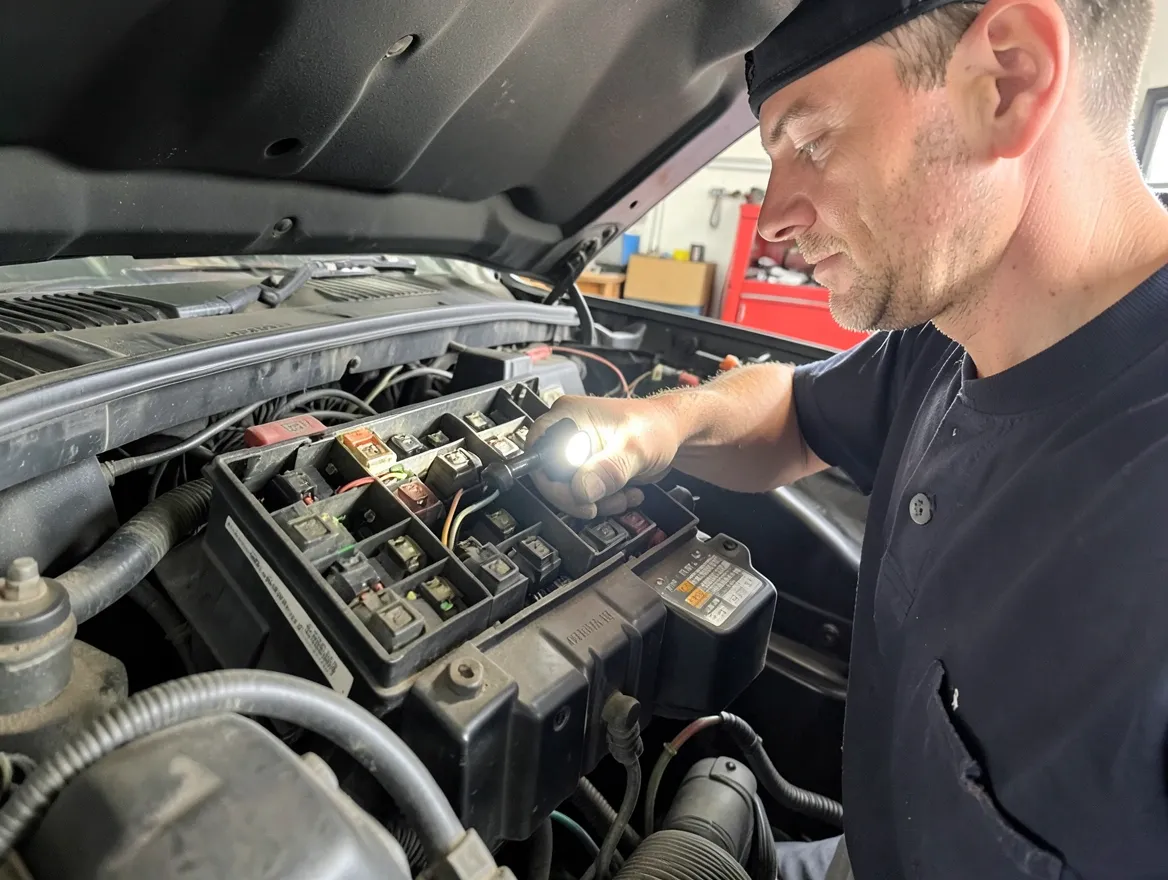
Every blower circuit runs through a fuse and usually a relay, both listed in your owner’s manual fuse diagram (commonly labeled “Blower Motor” or “HVAC Blower”). A blown fuse or a stuck relay cuts power to the fan completely, killing airflow for both AC and heat at once. Pull the fuse and check it visually, or better, test it with a multimeter across the terminals — a good fuse should show continuity, and 0 volts at a fuse socket that should be hot points straight to the fuse or the circuit feeding it.
The blower motor resistor is a separate part that steps the fan down through its lower speeds. On many vehicles, if the resistor fails completely (rather than partially), the fan stops working at every speed instead of just the lower ones, which can look identical to a dead blower motor from the driver’s seat. A repair shop tests this with a multimeter at the resistor’s connector in under a few minutes, so it is worth ruling out before replacing the blower motor itself.
Air Blows, But It Is Always the Same Temperature
If the fan clearly works — you feel real airflow at every speed — but the temperature never changes no matter where you set the dial, that is a different failure entirely. This points to the blend door actuator, the small electric motor that physically moves a flap to mix hot and cold air inside the HVAC housing, or to the HVAC control module that tells it where to move. A failed actuator or a pinched wire in its harness can leave the blend door stuck in one position, so you get all-hot or all-cold air regardless of what you select. You will often hear a faint clicking or ticking noise from behind the dashboard as the stuck actuator tries and fails to move.
This repair almost always needs a scan tool or dash disassembly to access, so it is one of the few issues in this guide worth going straight to a shop for rather than testing at home.
AC Stopped Working Right After a Repair — Why?
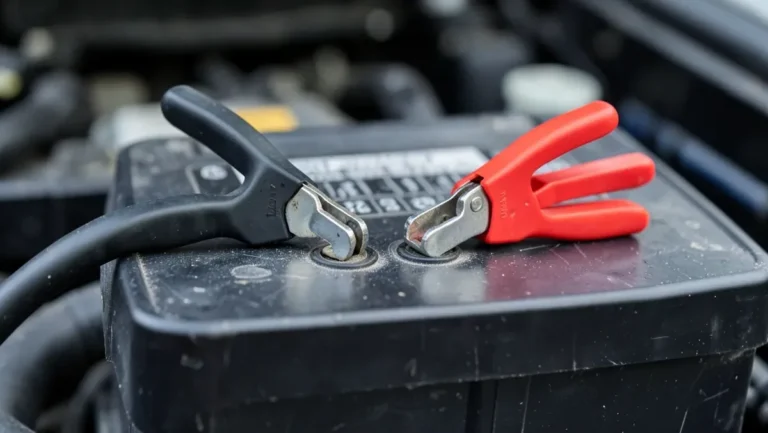
If your AC and heat were fine before a battery replacement, a repair that required disconnecting the battery, or any other unrelated shop visit, and stopped responding correctly right after, the climate control system itself is a common suspect — not a new mechanical failure. Disconnecting the battery wipes the stored calibration data many vehicles’ climate control modules rely on to know where the blend door and blower settings actually are, so the system can respond incorrectly, get stuck, or stop reacting to your inputs until it relearns its position.
A few other repair-related causes to rule out before assuming something broke on its own:
- Reconnect power surge: a voltage spike when the battery is reconnected can blow the AC or blower fuse on the spot.
- Disturbed wiring: a technician working near the dashboard or engine bay for an unrelated job can accidentally pinch, snag, or partially unplug an HVAC connector.
- Skipped recalibration: some vehicles need a manual relearn procedure after a battery disconnect that a rushed job may have skipped.
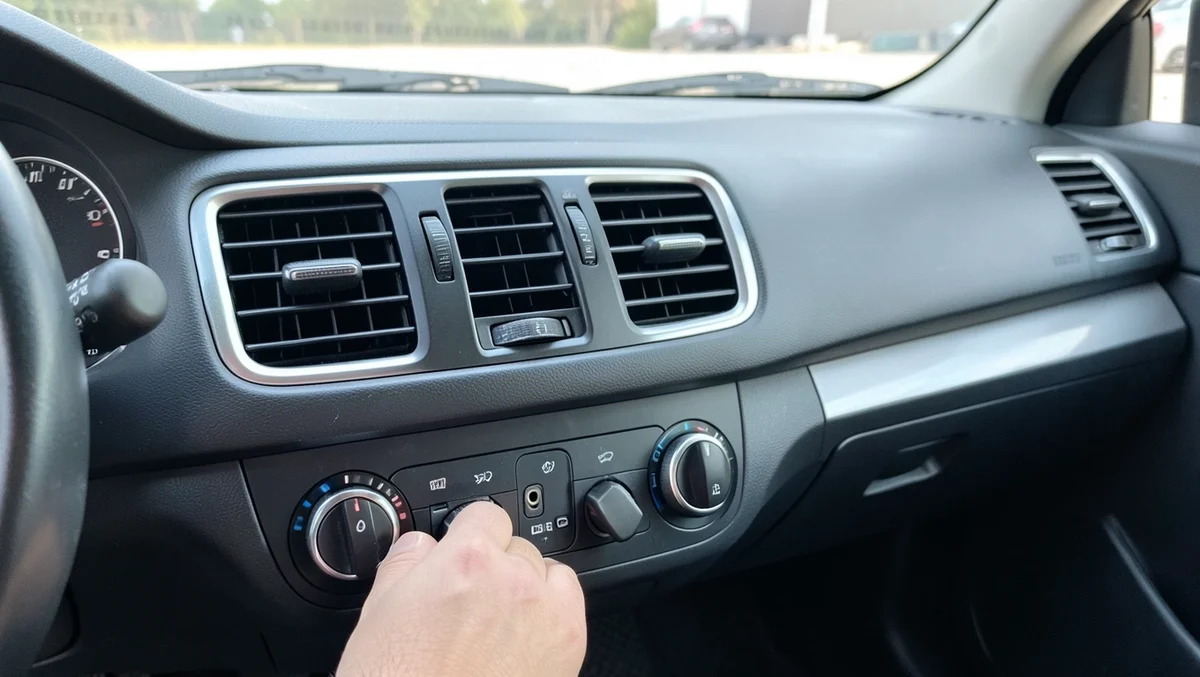
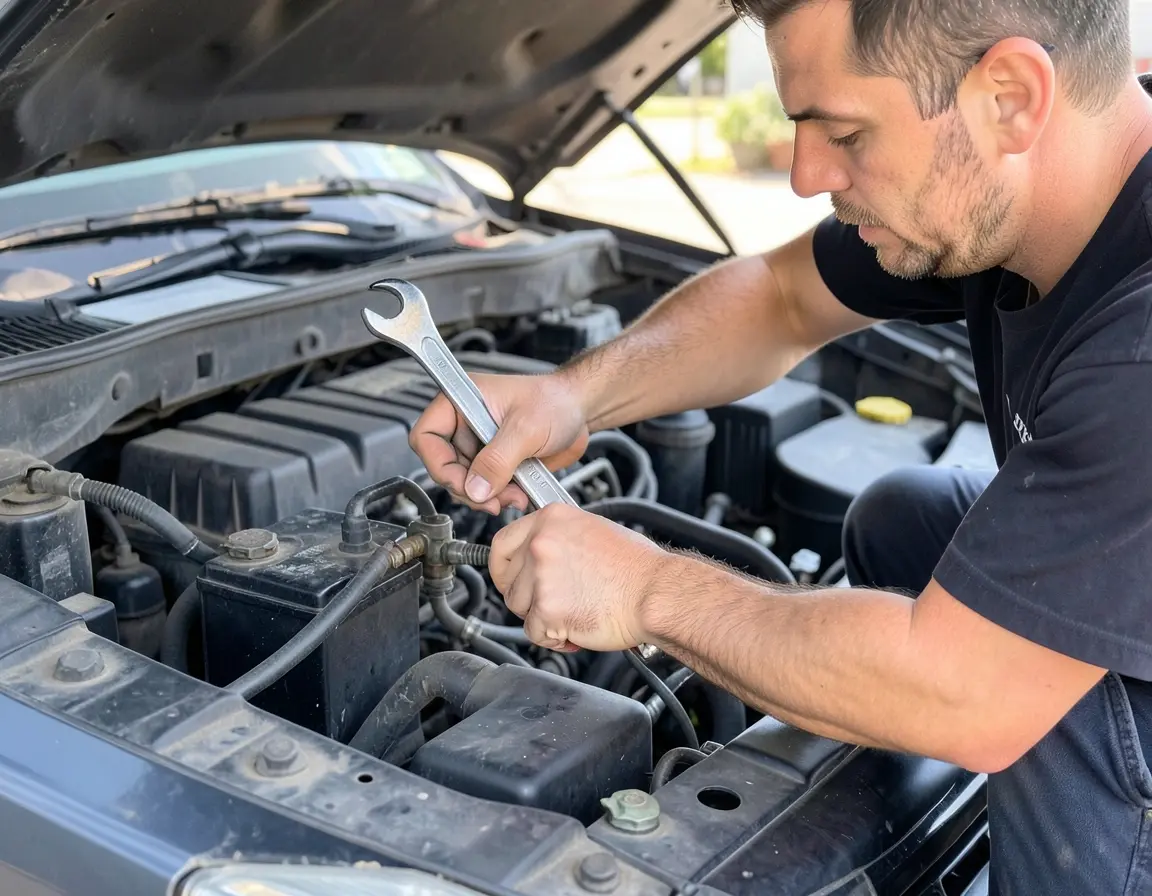
To attempt a reset yourself: with the engine running, cycle the climate control through its full range — coldest setting to hottest and back — a few times in a row, then leave the ignition on for several minutes without touching the controls. This lets many systems’ blend door motor relearn its own end-to-end travel. If that does not restore normal operation, check the AC and blower fuses for damage from the reconnect surge before assuming a part actually failed, and if it still will not respond, a shop can force a relearn with a scan tool in a few minutes.
Quick Diagnostic Checklist Before You Call a Mechanic
| Step | What to Do | What It Tells You |
|---|---|---|
| 1 | Turn fan to max on every speed setting | No air at any speed = blower motor, fuse, relay, or resistor |
| 2 | Check the blower fuse with a multimeter or visually | Blown fuse = replace it; if it blows again immediately, there is a short downstream |
| 3 | Move the temperature dial from cold to hot | No change in air temperature = blend door actuator or control module |
| 4 | Note whether the battery was recently disconnected | Recent disconnect = try the reset cycle above before replacing any part |
| 5 | Confirm the heater alone still blows warm air | Heat works, only AC is warm = refrigerant or compressor issue, not a shared fault |
If step 5 is where you land — the heater still works and only the AC side has gone warm — you are dealing with a true AC-only failure, not a shared component. That points to low refrigerant, a failed compressor, or a bad condenser instead, and our full breakdown of why a car AC stops working walks through those causes, how to diagnose them, and typical repair costs.
Frequently Asked Questions
Why would my car AC and heater both stop working at the same time?
When both fail together, the cause is almost always a component the two systems share — the blower motor, its fuse or relay, a blend door actuator, or the HVAC control module. Refrigerant loss or a failed compressor only affects cooling, so they cannot explain a heater failure too.
Why is there no airflow from any vent, hot or cold?
This points to the blower motor, a blown blower fuse, a bad relay, or a dead blower motor resistor rather than a refrigerant problem. Turn the fan to its highest speed; if you hear and feel nothing at any setting, check the blower fuse first.
Why did my AC stop working right after an unrelated repair?
Disconnecting the battery during another repair can make a vehicle’s climate control module lose its stored calibration, so the AC and heater blend doors stop responding correctly until the system recalibrates or is reset. A power surge when the battery is reconnected can also blow the AC fuse, and technicians working nearby can occasionally pinch a wire or connector.
How do I reset my car AC and heater after a battery disconnect?
With the engine running, cycle the climate control through its full range, coldest to hottest and back, a few times, then leave the ignition on for several minutes without touching the controls. Many vehicles’ blend door motors relearn their position this way. If it does not resolve, a scan tool can force an HVAC relearn.
Can a bad blower motor resistor cause both AC and heat to stop blowing?
Yes. The blower motor resistor controls fan speed, and if it fails completely rather than partially, the blower can stop at every speed setting instead of just the lower ones, cutting off both AC and heat airflow together.
Is it safe to keep driving with no AC or heat?
Yes, the car is safe to drive, but comfort and windshield defogging can suffer. Use the vent or defrost setting for airflow across the glass and dress for the outside temperature until the electrical fault is diagnosed and fixed.
Conclusion
A car AC and heater failing together is a strong clue pointing away from refrigerant and toward the parts the two systems share — the blower motor, its fuse, its relay, or the blend door actuator and control module that steer where the air goes. Work through the diagnostic checklist above before assuming the worst, and if the timing lines up with a recent battery disconnect or unrelated repair, try the reset cycle first. It solves more of these cases than people expect.
Products related to this article
Sponsored / affiliate links. As an Amazon Associate I earn from qualifying purchases. I may earn additional commission from eligible campaigns.