Why Do Cars Smell Like Gas? A Deep Dive into Causes and Solutions
Hey there! If you’ve ever hopped into your car and caught a whiff of gasoline, you’re not alone. That distinct gas smell can be unsettling, especially if you’re not sure what’s causing it. As someone who’s spent years tinkering with cars and chasing down odd smells, I’ve learned that this issue can stem from a variety of sources. Some are harmless, while others need immediate attention. In this article, I’m going to walk you through why cars smell like gas, what you can do about it, and how to keep your ride safe and odor-free. Let’s dive in and solve this mystery together!
What Does a Gas Smell in Your Car Really Mean?
When your car smells like gas, it’s usually a sign that gasoline vapors are escaping somewhere in the fuel system. Gasoline is volatile, which means it evaporates easily and releases a pungent odor. Normally, your car’s fuel system is designed to contain these vapors. But when something goes wrong, they can make their way into the cabin or linger around the vehicle. This isn’t just about comfort—it can be a safety concern. Gasoline vapors are flammable, and prolonged exposure isn’t great for your health. So, let’s explore the most common culprits behind this smell.
Common Causes of a Gasoline Smell in Your Car
I’ve sniffed out plenty of gas smells in my time, and there are a few usual suspects. Here’s a breakdown of the most common reasons your car might smell like a gas station.
A Loose or Damaged Gas Cap
One of the simplest causes is a loose or damaged gas cap. The gas cap seals the fuel tank, preventing vapors from escaping. If it’s not screwed on tightly or the rubber seal is worn out, those vapors can leak out. I once spent a whole afternoon troubleshooting a gas smell in my old sedan, only to realize I’d forgotten to tighten the cap after filling up! A quick twist fixed it. If the cap is cracked or the seal is broken, you’ll need to replace it. Most caps cost less than $20, and it’s an easy DIY fix.
Leaking Fuel Lines or Hoses
Fuel lines carry gasoline from the tank to the engine. Over time, these rubber hoses can crack, harden, or develop tiny leaks. If you notice a gas smell under the hood or near the rear of the car, a leaky fuel line might be the issue. I remember helping a friend whose car reeked of gas every time she parked. We traced it to a small split in a fuel hose near the engine. A mechanic can replace these lines, but it’s not a cheap fix—expect to pay $200 to $500 depending on the car.
Faulty Fuel Injectors
Fuel injectors spray gasoline into the engine for combustion. If they’re worn or damaged, they can leak fuel, creating a gas smell, especially when the engine is running. You might also notice poor gas mileage or rough idling. I had a truck once that smelled like gas and sputtered at stoplights. Sure enough, a faulty injector was the culprit. Replacing injectors can cost $300 to $1,000, but it’s worth it to restore performance and eliminate the smell.

Evaporative Emission Control (EVAP) System Issues
Modern cars have an EVAP system to capture and store gasoline vapors, preventing them from escaping into the air. Components like the charcoal canister or purge valve can fail, letting vapors leak out. A bad EVAP system often triggers a check engine light, along with that telltale gas smell. I’ve seen this issue in newer cars, where a clogged canister caused vapors to back up. Repairs can range from $100 to $600, depending on the part and labor.
Overfilling the Gas Tank
This one’s easy to overlook. When you top off the gas tank beyond the pump’s automatic shut-off, excess fuel can spill or overwhelm the EVAP system. I learned this the hard way after squeezing in “just a little more” gas at the pump. The smell lingered for a day until the excess evaporated. To avoid this, stop pumping when the nozzle clicks off. It’s better for your car and your wallet.
Cracked Fuel Tank
A cracked or damaged fuel tank is rare but serious. If you hit a big pothole or scrape the undercarriage, the tank could develop a small leak. You’ll likely notice a strong gas smell under the car or when it’s parked. This happened to a buddy of mine after off-roading. Replacing a fuel tank is expensive—often $1,000 or more—but it’s critical for safety.
Exhaust Fumes Mimicking Gas Smell
Sometimes, what you think is a gas smell is actually exhaust fumes. A failing catalytic converter or exhaust leak can produce a similar odor. If the smell is accompanied by poor acceleration or loud noises, this might be the issue. I once mistook exhaust fumes for a gas leak in my SUV. A mechanic diagnosed a damaged catalytic converter, which cost about $800 to replace. It’s worth checking to rule this out.
Is It Safe to Drive a Car That Smells Like Gas?
I get asked this a lot, and my answer is: it depends. A loose gas cap? Probably fine for a short drive to the auto parts store. But a leaking fuel line or cracked tank? That’s a fire hazard, and you shouldn’t drive until it’s fixed. Gasoline vapors can ignite with a spark, and inhaling them isn’t good for you. If the smell is strong or persistent, park the car and call a mechanic. Better safe than sorry.
How to Diagnose a Gas Smell in Your Car
Finding the source of a gas smell can feel like detective work, but it’s doable with a little patience. Here’s how I approach it:
- Check the Gas Cap: Make sure it’s tight and inspect the seal for cracks.
- Look for Leaks: Pop the hood and check fuel lines for wet spots or drips. Look under the car for puddles.
- Smell Around: Is the odor stronger inside the cabin, under the hood, or near the rear? This can narrow it down.
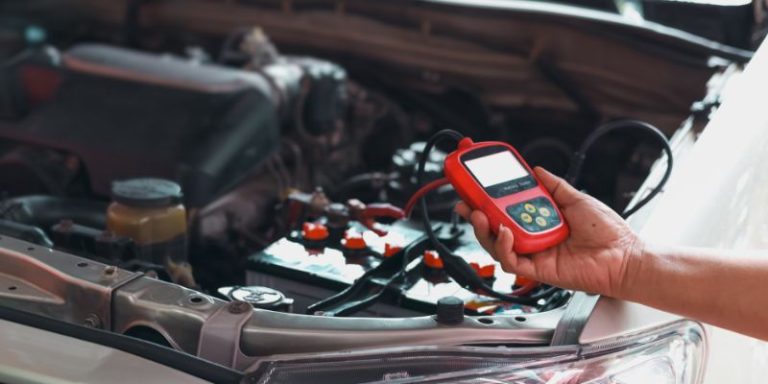
- Check the EVAP System: If you have a code reader, scan for EVAP-related trouble codes.
- Visit a Mechanic: If you can’t find the source, a professional can use a smoke test to detect leaks.
I once spent hours sniffing around my car before realizing the smell was coming from a tiny fuel line crack. A mechanic’s expertise can save you time and stress.
How to Fix a Gas Smell in Your Car
Fixing the issue depends on the cause. Here’s a handy table summarizing solutions for each problem:
| Cause | Solution | Estimated Cost |
|---|---|---|
| Loose/Damaged Gas Cap | Tighten or replace the cap | $10–$20 |
| Leaking Fuel Lines | Replace damaged hoses or lines | $200–$500 |
| Faulty Fuel Injectors | Replace injectors | $300–$1,000 |
| EVAP System Issues | Repair or replace canister/purge valve | $100–$600 |
| Overfilled Gas Tank | Let excess fuel evaporate; avoid topping off | $0 |
| Cracked Fuel Tank | Replace the fuel tank | $1,000+ |
| Exhaust Fumes | Repair catalytic converter/exhaust | $500–$1,500 |
For simple fixes like a gas cap, you can do it yourself. For complex issues like fuel lines or EVAP repairs, I recommend a trusted mechanic. Always address the problem promptly to avoid safety risks.
Preventing Gas Smells in the Future
Once you’ve fixed the smell, you’ll want to keep it from coming back. Here are my top tips:
- Tighten the Gas Cap: Always double-check after refueling.
- Avoid Overfilling: Stop pumping when the nozzle clicks.
- Regular Maintenance: Have your fuel system inspected during oil changes.
- Store Gas Safely: If you carry gas cans, use sealed, approved containers.
- Address Spills: Clean up any gasoline spills immediately to avoid lingering odors.
I’ve made these habits second nature, and they’ve saved me from countless headaches.
When to Call a Professional
Some gas smells are easy to fix, but others need a pro. If you notice any of these signs, it’s time to call a mechanic:
- Strong, persistent gas smell
- Puddles of fuel under the car
- Check engine light with EVAP codes
- Poor engine performance or rough idling
I’ve learned that trying to “tough it out” with a gas smell can lead to bigger problems. A mechanic can pinpoint the issue and keep your car safe.
Why Gas Smells Are More Common in Older Cars
If you drive a classic or an older model, you might notice gas smells more often. Older cars lack modern EVAP systems, and their fuel lines and seals degrade over time. My first car, a 1990s pickup, always had a faint gas smell until I replaced the aging hoses. Regular maintenance is key to keeping vintage rides odor-free.

Health Risks of Gasoline Vapors
Gasoline vapors aren’t just smelly—they can affect your health. Short-term exposure might cause headaches, dizziness, or nausea. Long-term exposure is linked to more serious issues, like respiratory problems. If your car smells like gas, roll down the windows and limit your time inside until it’s fixed. I always keep my cabin ventilated when troubleshooting a gas smell, just to be safe.
Conclusion
A car that smells like gas can be a minor annoyance or a major red flag, but it’s always worth investigating. Whether it’s a loose gas cap, a leaky fuel line, or a faulty EVAP system, pinpointing the cause is the first step to a safer, fresher ride. I’ve chased down enough gas smells to know that a little detective work—and sometimes a trip to the mechanic—can make all the difference. By staying proactive and addressing issues early, you’ll keep your car running smoothly and your cabin smelling clean. So, next time you catch that gasoline whiff, don’t ignore it. Grab your gas cap, check for leaks, and take action. Your car (and your nose) will thank you!
Frequently Asked Questions
Why does my car smell like gas only when I start it?
This could be due to a small fuel leak that evaporates quickly or a faulty purge valve in the EVAP system. When you start the car, the fuel system pressurizes, and vapors might escape briefly. Check the gas cap and have a mechanic inspect the EVAP system.
Can a gas smell come from the air conditioning?
Yes, if gasoline vapors enter the cabin through the air vents. This might happen if there’s a fuel leak under the hood or a problem with the EVAP system. Run the AC with fresh air mode off and see if the smell persists.
How long does a gas smell last after a spill?
A small gasoline spill usually evaporates within a few hours to a day, depending on ventilation. Clean the spill with soap and water to speed up the process and prevent lingering odors.
Is a gas smell normal after filling up?
A faint gas smell right after refueling is normal, especially if you overfilled the tank. But if the smell lingers for more than a day, check for a loose gas cap or other issues.
Can a bad spark plug cause a gas smell?
Not directly, but a misfiring spark plug can cause incomplete combustion, leading to unburned fuel in the exhaust. This might smell like gas. If your car is running rough, have the spark plugs checked.