Why Does My Car Have 4 Catalytic Converters: Explained Simply
Have you ever looked under your car and noticed something surprising—four catalytic converters? You might be wondering, “Why does my car have so many?” It’s not just a random design choice.
These parts play a big role in keeping your car running clean and smooth. Understanding why your vehicle has four catalytic converters can save you money, help you avoid trouble, and even improve your driving experience. Keep reading, and you’ll discover the real reasons behind this setup—and why it matters to you.
Role Of Catalytic Converters
Catalytic converters play a key role in keeping the air clean. Cars produce harmful gases when they burn fuel. These gases can hurt the environment and people’s health.
Catalytic converters help change these harmful gases into less dangerous ones. They work quietly in your car’s exhaust system. This helps reduce pollution and meet legal rules for cleaner air.
How Catalytic Converters Work
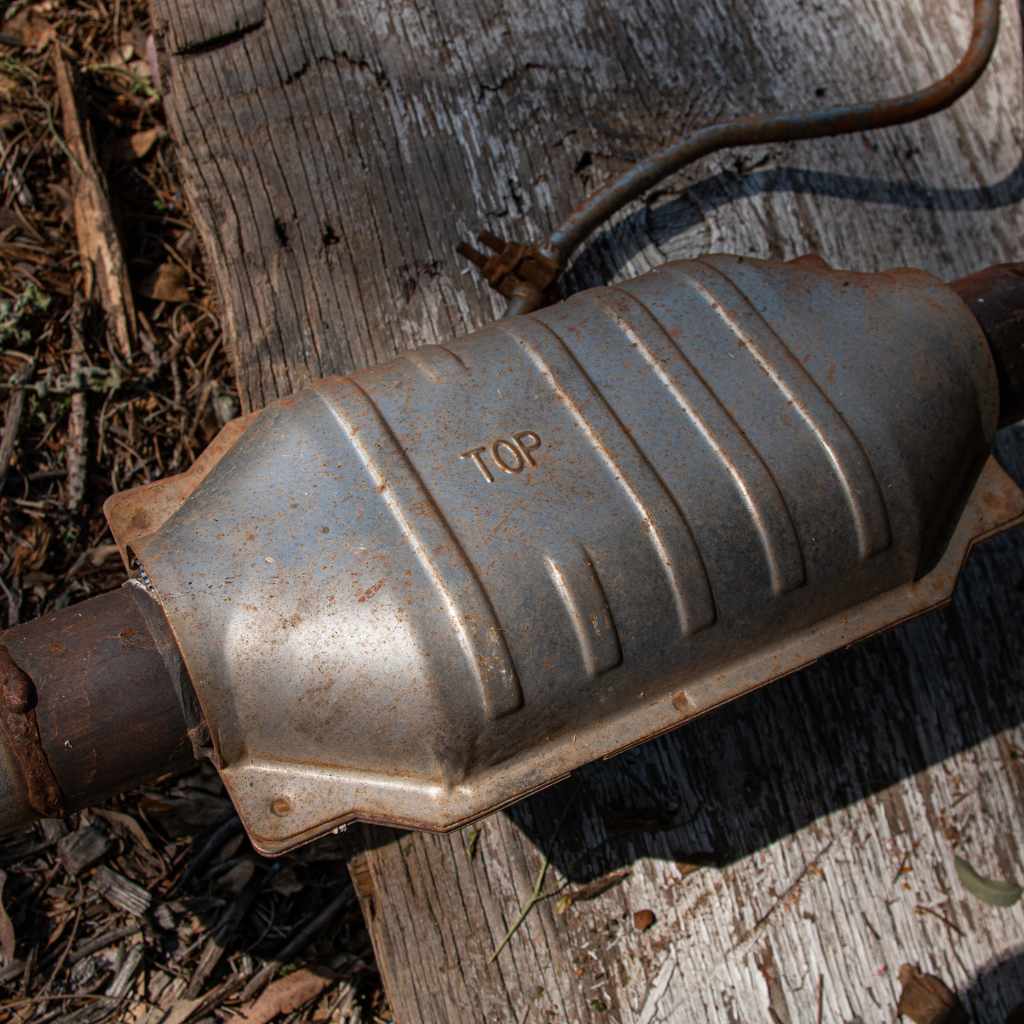
A catalytic converter uses special materials called catalysts. These catalysts speed up chemical reactions without being used up. Inside the converter, harmful gases pass through a honeycomb structure.
The catalysts inside change gases like carbon monoxide, nitrogen oxides, and hydrocarbons. They turn these into carbon dioxide, nitrogen, and water vapor. These are much safer for the air we breathe.
Reducing Vehicle Emissions
Cars release many harmful gases that pollute the environment. Catalytic converters reduce these emissions by converting toxic gases into less harmful ones. This helps protect the air and reduces smog.
With more converters, a car can clean more exhaust gases. This is why some cars have four catalytic converters. They help meet strict rules and keep the air cleaner for everyone.
Reasons For Multiple Converters
Many cars have more than one catalytic converter. Sometimes, they even have four. The reason is not just about cleaning exhaust gases. Multiple converters help meet strict rules and improve car performance. Each converter plays a role in reducing harmful emissions.
Engine Size And Configuration
Large engines often need more than one converter. V6 or V8 engines have two banks of cylinders. Each bank may have its own converter. This setup cleans exhaust from both sides effectively. It helps keep emissions low across the engine.
Emission Standards And Regulations
Countries set rules to limit car pollution. These rules grow stricter over time. Cars with four converters meet tough emission standards. Multiple converters reduce different pollutants better than one. They help cars pass tests and stay legal.
Performance Considerations
More converters can improve engine performance. They manage exhaust flow in complex engines. Proper flow means better fuel use and power. Using several converters avoids back pressure that slows the engine. This balance keeps the car running smoothly.
Placement Of Catalytic Converters
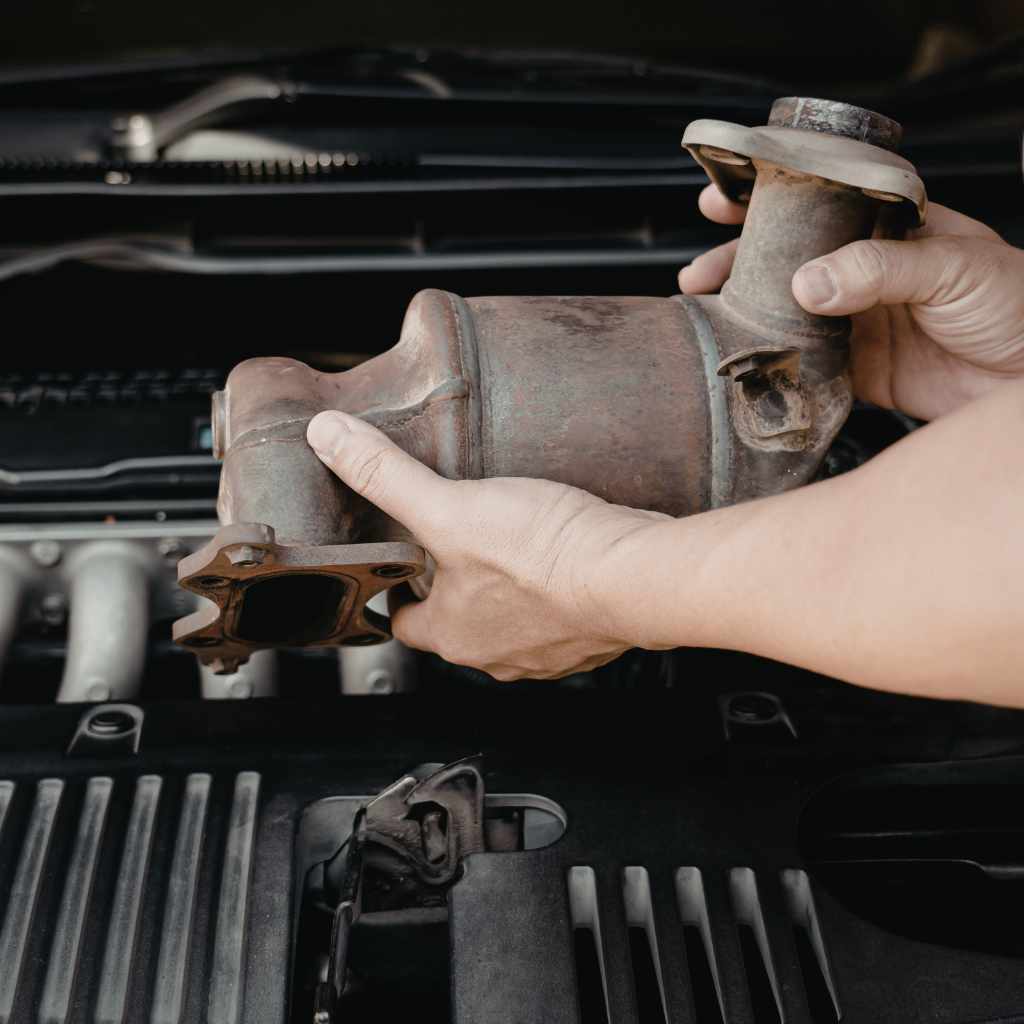
The placement of catalytic converters in a car is crucial for reducing harmful emissions effectively. Cars with multiple converters use them at different points to clean exhaust gases better. Each converter has a specific role based on its location.
Pre And Post Turbo Converters
Some cars have catalytic converters before and after the turbocharger. The pre-turbo converter cleans gases before they enter the turbo. It protects the turbo from damage by lowering harmful particles. The post-turbo converter cleans exhaust after the turbo finishes its job. This setup improves air quality and engine performance.
Underbody Converters
Underbody converters sit beneath the car’s floor. They clean exhaust gases after they leave the engine area. These converters work at lower temperatures but still reduce pollutants. Their position helps meet strict emission standards by providing extra filtering.
Close-coupled Converters
Close-coupled converters are near the engine’s exhaust manifold. They heat up quickly because of their position. This fast heating helps start cleaning gases early after the engine starts. These converters reduce emissions right from the beginning of your drive.
Benefits Of Four Catalytic Converters
Cars with four catalytic converters offer several clear benefits. These benefits improve the car’s performance and lower harmful emissions. The system helps cars meet tough environmental rules. It also supports better engine function. Understanding these benefits explains why some vehicles have four catalytic converters.
Improved Emission Control
Four catalytic converters reduce more harmful gases than one. They break down carbon monoxide, nitrogen oxides, and hydrocarbons efficiently. This leads to much cleaner exhaust emissions. It helps protect the environment and improve air quality around us. The extra converters ensure fewer pollutants escape into the air.
Enhanced Engine Efficiency
Extra catalytic converters help the engine run smoother. They reduce back pressure in the exhaust system. This allows the engine to breathe better and work more easily. Improved airflow means better fuel use and power output. The engine stays cooler and lasts longer too.
Compliance With Strict Emission Laws
Many regions have strict rules on vehicle emissions. Cars with four catalytic converters easily meet these tough standards. They pass tests that check for low pollution levels. This makes the car legal to drive in areas with strict laws. The system helps manufacturers avoid penalties and fines.
Common Vehicle Types With Four Converters
Some cars have four catalytic converters to meet strict emission rules. These vehicles often have complex exhaust systems. Four converters help reduce harmful gases efficiently. Knowing which cars have them is useful for owners and buyers.
High-performance Cars
High-performance cars produce more exhaust gases. They need extra converters to clean the air. Four catalytic converters help these cars meet emission limits. They keep engines powerful and cleaner at the same time.
Luxury Vehicles
Luxury vehicles use advanced systems to reduce pollution. Four converters work together to lower harmful emissions. These cars focus on smooth driving and clean exhaust. This setup helps luxury brands stay eco-friendly.
Diesel Engines
Diesel engines create different pollutants than gasoline engines. Four catalytic converters help remove nitrogen oxides and soot. This system improves air quality around diesel vehicles. It makes diesel cars safer for the environment.
Maintenance Tips For Multiple Converters
Maintaining multiple catalytic converters is important for your car’s performance and environment. These parts reduce harmful gases from your exhaust. Keeping them healthy helps your car run clean and smooth. Follow simple maintenance tips to extend their life and avoid costly repairs.
Signs Of Converter Issues
Watch for strange smells from the exhaust. A rotten egg odor can mean converter problems. Notice if your car loses power or struggles to accelerate. Loud noises or rattling sounds under the car also signal trouble. Check your dashboard for the check engine light. These signs show the converters need attention.
Routine Inspection And Care
Regularly inspect the exhaust system for leaks or damage. Clean your engine and fix oil leaks to avoid converter clogging. Use good quality fuel and change air filters on time. Avoid short trips that do not warm up the engine fully. Schedule professional checks to keep the converters working well.
Frequently Asked Questions
Why Does My Car Have 4 Catalytic Converters?
Some cars have 4 catalytic converters to meet strict emission standards. Multiple converters improve exhaust cleaning and reduce pollutants effectively. This setup is common in high-performance or luxury vehicles with complex exhaust systems.
Are 4 Catalytic Converters Necessary For All Cars?
No, not all cars need 4 catalytic converters. Only certain models use multiple converters for better emission control and performance. Most standard cars have 1 or 2 converters, depending on engine type and emission regulations.
How Do 4 Catalytic Converters Improve Car Emissions?
Four catalytic converters provide staged filtering of harmful gases. Each converter targets specific pollutants, reducing nitrogen oxides, carbon monoxide, and hydrocarbons. This multi-stage process enhances overall emission reduction efficiency.
Can 4 Catalytic Converters Affect Car Performance?
Yes, multiple catalytic converters can impact performance. They may increase exhaust backpressure, potentially reducing power slightly. However, modern designs balance emission control with maintaining engine efficiency and performance.
Conclusion
Having four catalytic converters helps your car run cleaner and meet strict rules. They reduce harmful gases and protect the environment. Each converter works on different parts of the exhaust system. This setup keeps your car’s engine healthy and efficient.
Understanding this can ease your worries about car repairs. Remember, more converters mean better pollution control. Keeping them in good shape helps your car last longer. Simple care goes a long way. Your car’s design aims to balance power and clean air.