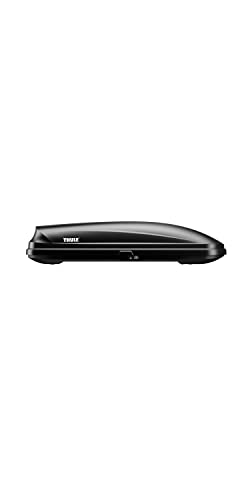
Thule Roof Racks for Cars: Cargo Box, Basket & Bike Rack Picks
Choose roof racks by roof type first, then by load limit and cargo shape: a cargo box for more enclosed, weather-resistant storage, a basket for irregular gear, and a bike rack for bicycles. Skip fitment checks and you risk noise, poor handling, damaged rails, or a rack that simply will not mount. This guide compares the main Thule cargo boxes, baskets, and bike racks so you can match them to your car.
Thule roof rack choices at a glance


The right Thule setup comes down to three questions: what roof your car has, how much weight the vehicle allows while driving, and what shape you need to carry. A box protects soft cargo. A basket leaves tall or dirty gear exposed. A bike rack is the right choice for bicycles.
| Accessory | Best cargo shape | Fitment concerns | Clearance concerns | Security |
|---|---|---|---|---|
| Cargo box | Suitcases, strollers, skis, soft bags | Crossbar spread, box length, roof clearance | Hatch strike, garage height, roof antenna | Lockable lid, keyed cores on many models |
| Roof basket | Coolers, recovery boards, firewood, dirty gear | Bar spacing, tie-down access, load rating | More wind exposure, more overhang risk | Usually relies on straps and padlocks |
| Bike rack | One or more bicycles | Frame, wheel, axle, and bar spacing compatibility | Roof lift height, door opening, garage height | Integrated lock or keyed system on many models |
Which roof type does your car have?
Vehicle roof type decides the mounting path. Raised rails, flush rails, fixed points, and naked roofs each need different Thule feet or fit kits. Get this wrong and the bars will not seat correctly, even if the accessory itself is the right size.
Raised rails versus flush rails
Raised rails leave a gap between the rail and roof. They usually accept clamp-style feet that wrap around the rail. Flush rails sit closer to the roof and often need vehicle-specific feet or a fit kit that matches the exact rail profile.
Fixed points and naked roofs
Fixed points use factory mounting holes under cover caps. Naked roofs have no rails and no factory bars, so they need a complete foot pack with fit kit and the correct bar length. Year-specific fitment matters here. A model-year change can alter the mounting points.
Thule’s foot pack or fit kit is not generic hardware. It is the vehicle-specific mounting interface that matches the roof shape, attachment method, and load rating. Check the exact year, body style, and trim in the Thule fit guide before you buy bars or a cargo accessory.
How do bars and load limits affect fit?
Roof bars and load limits do more than support the accessory. They control noise, drag, bar spacing, and whether the rack is legal and safe to use while driving. The vehicle’s driving limit always wins over the accessory’s advertised capacity.
Aero bars versus square bars
Aero bars usually cut wind noise and drag better than square bars, and many Thule accessories clamp to both. Square bars can still work well, but some accessories need adapters or have narrower compatibility. Bar length must leave enough room for clamps and overhang without blocking doors or antennas.
Dynamic load limit versus static load limit
Dynamic load limit is the maximum combined weight the vehicle can carry while moving. That includes the bars, feet, cargo, and the accessory itself. Static load limit is higher because it applies when parked. Do not confuse the two. A rooftop tent number is not a driving number.
A simple example: if the car’s roof load limit is 165 pounds, and the bars and box together weigh 45 pounds, the cargo itself cannot exceed 120 pounds. If the roof is rated lower than the accessory, the vehicle rating still controls the purchase.
Crossbar spread and overhang checks
Crossbar spread is the distance between the front and rear bars. Boxes and baskets have minimum and maximum spread ranges, and the bars must fall inside that window. Too little spread hurts stability. Too much overhang can interfere with the hatch, sunroof, or rear liftgate.
Choose a Thule cargo box if…
A cargo box fits best when you want dry, enclosed storage for luggage or gear that should stay clean and locked away. It is usually the best choice for family travel, winter trips, and mixed highway driving where weather exposure matters more than open access.
Opening direction, locking lid, and hatch clearance
Thule boxes commonly open from one side or from both sides. Dual-side opening makes loading easier on taller vehicles, but side choice still matters near garage walls and traffic lanes. A lockable lid helps with theft deterrence, though it does not make cargo theft-proof.
Hatch clearance needs real attention. A box that is too far rearward can hit the liftgate when it opens. That risk is higher on wagons, hatchbacks, and SUVs with a steep rear hatch. Check the roof length, bar position, and rear hatch arc before buying.
Length, capacity, and garage-height checks
Thule cargo boxes come in common lengths that range from compact ski boxes to longer family carriers. Capacity is often listed in cubic feet, but the practical check is shape. Long skis, folding chairs, or a stroller frame may fit only in a longer box, while shorter gear may suit a lower profile model.
Garage height matters just as much. Measure from ground to the tallest point on the roof system with the box installed. Suppose your garage opening is 80 inches tall and the vehicle plus bars already sit near 75 inches. A tall box can make parking impossible without removing the rack.
Choose a Thule roof basket if…
A roof basket is the better answer for bulky, dirty, or awkward cargo that does not belong in an enclosed box. It works well for recovery boards, camp chairs, coolers, and gear you may want to strap down fast. It is less suitable for weather-sensitive cargo.
Tie-down points and weather exposure
Open baskets rely on tie-down points and straps, so secure routing matters. The load should be centered and strapped so it cannot shift under braking or crosswinds. Because the load is exposed, rain, road spray, and sun can reach it directly. Use a basket only when that exposure is acceptable.
When a basket beats an enclosed box
Choose a basket when the cargo is too tall, too dirty, or too irregular for a lid. Firewood, muddy recovery gear, and bulky camping items are common matches. A basket can also make sense when you need quick access and do not want to open a lid at every stop.
A common first-timer mistake is strapping a tall tote to a basket with two short straps and calling it secure. The tote may sit high, catch wind, and shift against the basket frame. Use enough contact points to keep the load from moving side to side.
Choose a Thule bike rack if…
Choose a bike rack when the cargo is a bicycle, not a loose frame or mixed camping load. Thule roof bike racks come in upright and fork-mount styles. The right one depends on frame design, wheel type, axle type, and how high you are willing to lift the bike.
Upright versus fork-mount styles
Upright racks hold the bike complete, usually by the frame and wheels. They are convenient, but frame shape and wheel fit matter. Fork-mount racks remove the front wheel and clamp the fork, which can improve stability but requires axle and fork compatibility.
Bike frame, wheel, and axle compatibility
Not every bike fits every rack. Wide tires, full-suspension frames, through-axles, carbon frames, and nonstandard fork ends can change what works. Check the rack’s frame clamp range, wheel size range, and axle interface before buying. If the bike is outside the listed range, skip it.
Per-bike weight limit and roof lift height
Each rack has a per-bike weight limit, and the roof system still has to stay under the vehicle’s dynamic load limit. Roof bikes also add lift height. A tall SUV with a heavy e-bike on the roof can be awkward or unsafe to load. For road trips, a lower-lift rear or hitch setup may be easier.
Thule fitment decision table
Use this table to match roof type, cargo shape, and clearance risks before you pick a Thule accessory.
| Vehicle roof type | Typical cargo shape | Required crossbar spread | Clearance risks | Best Thule accessory choice |
|---|---|---|---|---|
| Raised rails | Luggage, skis, soft bags | Within the box or basket range | Rear hatch strike, garage height | Cargo box for dry cargo; basket for bulky gear |
| Flush rails | Travel bags, camp gear, one bike | Often tighter due to shorter roof span | Limited overhang, antenna clearance | Lower-profile box or compact basket |
| Fixed points | Mixed travel cargo, bicycles | Must match accessory minimum and maximum | Door swing, hatch arc, roof height | Bars with vehicle-specific feet and the accessory that fits the spread |
| Naked roof | Suitcases, one or more bikes | Depends on bar length and fit kit spacing | Mounting point accuracy, noise, roof paint protection | Complete foot pack, then box, basket, or bike rack |
- Check the vehicle manual for the roof load limit and roof type.
- Confirm the exact year, body style, and trim in the Thule fit guide.
- Measure crossbar spread and compare it with the accessory minimum and maximum.
- Verify hatch clearance with the rear liftgate fully open.
- Measure parking height with the accessory installed.
- Leave a safety margin so the total weight stays under the vehicle’s driving limit.
Example: suppose a wagon has flush rails, a 70-inch garage opening, and a rear hatch that rises high. A tall box may fit the bars but fail the garage check. In that case, a lower box or a basket with a shorter profile may be the better roof choice.
Choose Thule cargo box if…
Choose a cargo box if you need sealed storage, want to protect luggage from weather, or need locking storage for travel bags. Choose a basket if the load is tall, dirty, or odd-shaped. Choose a bike rack if the cargo is bicycles and roof lift height is manageable.
Cargo box: best for weather-sensitive cargo, frequent highway use, and a cleaner loading process.
Basket: best for bulky gear, dirty gear, and items that will not fit under a lid.
Bike rack: best for bicycles when the frame, wheel, and roof height all match the rack.
Frequently asked questions
Which Thule roof rack is best for my car?
The best Thule roof rack is the one that matches your roof type, driving load limit, and cargo shape. Raised rails and fixed points often give the broadest options. Naked roofs need a vehicle-specific foot pack. Pick the accessory after the fit system, not before it.
Will a Thule cargo box fit my vehicle and garage?
It will fit only if the crossbar spread falls inside the box’s range, the hatch clears the rear overhang, and the total height stays under your garage opening. Measure the assembled roof system, not just the vehicle. Garage height and hatch arc cause many failed fits.
What is the difference between a Thule basket and a cargo box?
A cargo box is enclosed and better for dry, secure storage. A basket is open and better for tall, dirty, or awkward cargo. The trade-off is exposure: the basket gives easier access and more shape flexibility, while the box gives more weather protection and cleaner storage.
Can I carry a bike and a cargo box on the same roof rack?
Sometimes, but only if the bar spread, roof width, and dynamic load limit allow it. The two accessories must not interfere with each other, the hatch, or the roof antenna. Check the accessory mounting positions carefully. On many vehicles, mixing both on one roof is too tight.
How do I know which Thule foot pack and bars I need?
Start with the exact vehicle year, body style, and roof type. Then use the Thule fit guide to select the foot pack or fit kit, followed by the correct bar length. A naked roof usually needs a complete system. Raised and flush rails use different mounting parts.
How much weight can a Thule roof rack hold?
The safe limit is the lower of the vehicle’s roof rating and the accessory system’s rating. That total includes bars, feet, box or basket, and cargo. Dynamic load applies while driving and is the number that controls purchase and use. Static load is higher and not a driving limit.
What tools or locks do I need to install a Thule roof rack?
Many Thule systems use a supplied torque tool or key tool for installation, plus lock cores for theft deterrence. Some models use one-key compatibility, which lets the same key work across multiple Thule locks. Follow the vehicle and product manual, and do not over-tighten hardware.
Do Thule roof boxes affect fuel economy and wind noise?
Yes, roof boxes usually increase wind noise and drag compared with driving without roof cargo. A lower-profile aero bar and a well-fitted box can help, but the effect still depends on speed, box shape, and placement. Expect some penalty rather than a guaranteed change in either direction.
Which Thule bike rack is safest for long road trips?
The safest choice is the rack that matches the bike’s frame and axle type and stays within the per-bike weight limit. Fork-mount racks can hold the bike more rigidly if the fork is compatible. Upright racks are simpler, but the bike must be secured without frame or wheel mismatch.
Products related to this article
Sponsored / affiliate links. As an Amazon Associate I earn from qualifying purchases. I may earn additional commission from eligible campaigns.