Why Does My Car Leak Coolant: Top Causes & Solutions
Your car is more than just a mode of transportation; it’s your daily companion. So, when you spot a mysterious puddle under it, worry sets in.
Why does your car leak coolant? This is a question many drivers ask, and understanding the answer is crucial. Ignoring a coolant leak could lead to bigger, more expensive problems down the road. But fear not, because by delving into the reasons behind this common issue, you can take control of your vehicle’s health and avoid a breakdown.
Stick with us as we uncover the causes of coolant leaks, helping you keep your car running smoothly and your mind at ease.
Credit: haynes.com
Common Causes Of Coolant Leaks
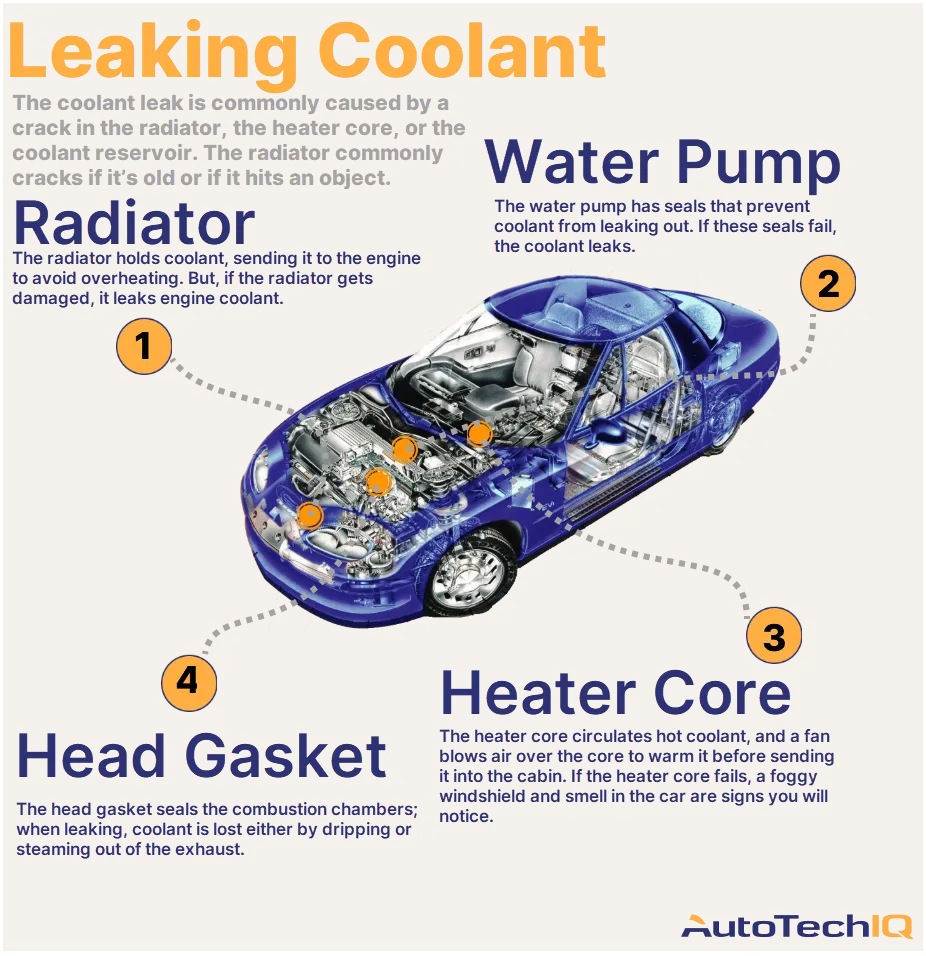
The radiator keeps the engine cool. A damaged radiator can cause leaks. Rust and corrosion weaken it. Small cracks can form. Coolant escapes through these cracks. Regular checks can prevent major issues.
The radiator cap maintains pressure. A faulty cap may fail to seal. This leads to coolant leaks. Pressure imbalance causes problems. Replacing the cap can fix leaks easily.
Hoses transport coolant. Worn out hoses become brittle. They crack or split. Coolant leaks through these cracks. Regular inspection helps avoid this. Replace hoses when they show signs of wear.
The water pump circulates coolant. A leaking water pump is a common issue. Seals can wear out. Coolant drips from the pump. Listen for unusual noises. Fix the pump to stop leaks.
The engine block holds the coolant. A cracked engine block leads to serious leaks. Overheating can cause cracks. Repairs can be costly. Early detection helps manage problems.
Signs Of Coolant Leak
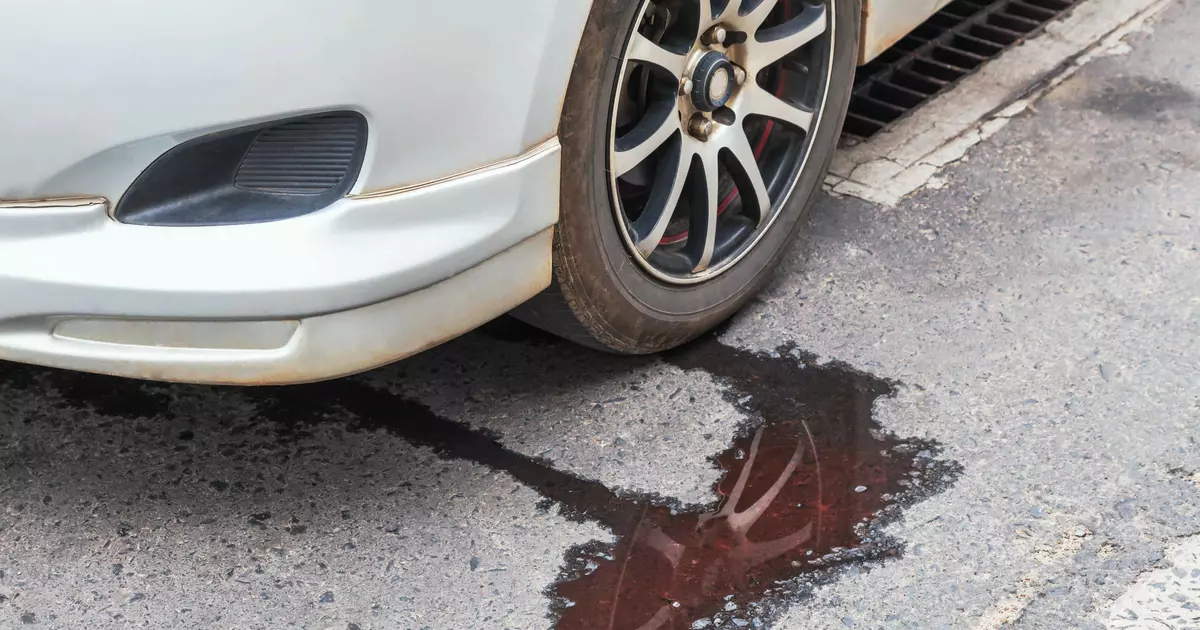
Coolant leaks are often spotted as bright puddles. Look under your car. You might see a green or orange puddle. This is a sign of a leak. The color depends on your car’s coolant type. Always check this spot when parked.
An engine that overheats can mean a coolant leak. The car’s temperature gauge may rise. The engine can get too hot. This is dangerous for your car. Stop driving if the engine overheats. It can lead to bigger problems.
Check the coolant tank often. Low coolant levels can mean a leak. The tank is usually clear. You can see the coolant inside. Add more if it’s low. But first, find the leak.
Steam from under the hood is not good. It can be a sign of a coolant leak. The engine gets too hot. Coolant drips onto hot parts. Steam rises. This needs quick attention.
How To Identify The Source
Check under the car for any puddles. Look around the engine and radiator. Hoses and clamps might be loose or broken. See if the coolant reservoir is cracked. Rust can also cause leaks. Use a flashlight for dark spots.
A pressure test can help find leaks. A special tool is used. It adds pressure to the cooling system. Leaks will show as drips. This test checks the entire system. Mechanics often use this method. It is very effective.
Dye can help find small leaks. Add dye to the coolant. Use a UV light to check for glow. The glow shows where the leak is. Dye is safe for the engine. It is a simple trick to find leaks.
Credit: www.reddit.com
Preventive Measures
Regular checks keep your car healthy. A mechanic can find leaks early. He checks hoses, radiator, and coolant levels. These checks prevent big problems later. Always follow your car’s manual. It tells you when to check things. Keep a record of all checks. This helps track any changes.
Old parts can cause leaks. Hoses and clamps wear out over time. Replacing them is important. A small crack can lead to bigger issues. Mechanics know when parts need changing. They use special tools to check parts. Always use new parts, not used ones. New parts last longer.
Quality coolant protects your engine. Cheap coolants can cause damage. They may not cool your engine well. Always use coolant recommended by your car’s maker. This coolant has the right mix. It protects against rust and overheating. Check your coolant often. Make sure it is clean and full.
Repair Solutions
A leaking radiator needs quick attention. Replace the radiator to stop leaks. This fix helps the car stay cool. Old radiators often cause trouble. Finding leaks early is best. New radiators work better and last longer.
Hoses and seals can wear out. Fix them to stop coolant leaks. New hoses are strong and reliable. Seals keep coolant inside. Inspect hoses for cracks or holes. Good hoses and seals keep engines safe.
The water pump moves coolant through the engine. A broken pump leaks easily. Replace it for smooth coolant flow. A new pump prevents overheating. Pumps are important for engine health. Healthy pumps keep engines running well.
Sometimes, leaks need expert help. Professional repair fixes tricky issues. Experts find hidden leaks fast. Engines need care from trained hands. Skilled repairs ensure engines work right. Trust professionals for big engine problems.
Frequently Asked Questions
What Causes Coolant Leaks In Cars?
Coolant leaks often result from damaged hoses, a faulty radiator, or a worn-out water pump. Seals and gaskets can also deteriorate, leading to leaks. Regular maintenance can help identify these issues early, preventing costly repairs.
How Can I Identify A Coolant Leak?
Look for puddles under your car, usually green or orange in color. A sweet smell inside the car or steam from the hood are also indicators. Regularly check your coolant level and inspect hoses for wear.
Is It Safe To Drive With A Coolant Leak?
Driving with a coolant leak is risky. It can lead to overheating, causing engine damage. Always address leaks promptly to avoid further complications and expensive repairs. Consult a mechanic if you’re unsure about the severity of the leak.
Can A Coolant Leak Affect Engine Performance?
Yes, a coolant leak can lead to engine overheating, reducing performance and efficiency. Overheating can cause severe engine damage if not addressed promptly. Regular checks help ensure your engine runs smoothly and efficiently.
Conclusion
Fixing a coolant leak is crucial for your car’s health. Ignoring it can lead to engine damage or overheating. Check hoses and radiator regularly to prevent issues. Early detection saves money and stress. Regular maintenance keeps your car running smoothly.
Keep an eye on coolant levels. Consult a mechanic if unsure about the leak’s source. Stay proactive about car care. It ensures safety and extends your vehicle’s life. Don’t wait until problems escalate. A simple check can prevent costly repairs.
Keep your car’s cooling system in top shape for a better driving experience.