Why Does My Car Rev Up And Down While Idling: Top Causes Explained
Have you ever noticed your car’s engine speed going up and down while it’s just sitting still? That uneven revving can be frustrating and even a little worrying.
You might wonder if it’s a sign of a serious problem or just a minor hiccup. Understanding why your car revs up and down while idling can save you time, money, and stress. You’ll discover the most common reasons behind this issue and what you can do to fix it.
Keep reading to take control of your car’s performance and avoid unexpected breakdowns.
Common Reasons For Idle Fluctuation
Idle fluctuation happens when your car’s engine speed changes up and down while idling. This can feel like the car is not running smoothly. Several common reasons cause this issue. Understanding these can help you identify the problem early.
Vacuum Leaks
Vacuum leaks let extra air into the engine. This changes the air-fuel mix and causes rough idling. A small crack or loose hose can create a leak. The engine may rev up and down without warning.
Dirty Idle Air Control Valve
The idle air control valve controls air flow at idle. Dirt can block the valve and stop it from working properly. This causes the engine speed to fluctuate. Cleaning or replacing the valve often fixes the problem.
Faulty Spark Plugs
Spark plugs ignite the fuel in the engine. Worn or dirty plugs cause misfires. This leads to uneven engine running and idle changes. Replacing spark plugs can restore smooth idling.
Malfunctioning Mass Air Flow Sensor
The mass air flow sensor measures air entering the engine. A faulty sensor sends wrong data to the engine control unit. This causes poor air-fuel balance and idle issues. Cleaning or swapping the sensor can help.

Impact Of Fuel System Issues
Fuel system problems often cause a car to rev up and down while idling. The engine needs a steady fuel flow to run smoothly. Any issue with fuel delivery can make the engine speed fluctuate. This affects performance and can lead to rough idling or stalling. Below are common fuel system issues that impact idle behavior.
Clogged Fuel Injectors
Fuel injectors spray fuel into the engine. Dirt and deposits can clog them. Clogged injectors reduce fuel flow. The engine gets uneven fuel supply. This causes the RPM to rise and fall. Cleaning or replacing injectors can fix the problem.
Bad Fuel Pump
The fuel pump moves fuel from the tank to the engine. A weak or failing pump can’t keep steady pressure. Low pressure disrupts fuel delivery. The engine may surge or hesitate at idle. Replacing the fuel pump restores consistent fuel flow.
Dirty Fuel Filter
The fuel filter removes impurities from the fuel. Over time, it can become blocked. A dirty filter limits fuel reaching the engine. This causes the engine speed to vary. Changing the fuel filter often resolves this issue.
Role Of Engine Sensors
Engine sensors play a key role in your car’s idle behavior. They send important signals to the engine control unit (ECU). The ECU adjusts fuel and air flow to keep the engine running smoothly. If these sensors fail or send wrong data, the engine may rev up and down unexpectedly.
Understanding which sensors affect idle speed helps spot the problem faster. Below are the main sensors that impact how your car idles.
Oxygen Sensor Problems
The oxygen sensor measures oxygen in the exhaust gas. It helps the ECU balance fuel and air mix. A faulty oxygen sensor can cause rough idling and fluctuating revs. The engine may get too much or too little fuel. This leads to unstable engine speed while idling.
Throttle Position Sensor Faults
The throttle position sensor (TPS) tracks the throttle valve angle. It tells the ECU how much air enters the engine. If the TPS sends wrong signals, the ECU misjudges air intake. This causes the engine to rev up and down unexpectedly. A bad TPS often results in jerky or uneven idle.
Engine Coolant Temperature Sensor
The engine coolant temperature sensor (ECT) monitors engine heat. It informs the ECU about the engine’s temperature. A faulty ECT sensor can confuse the ECU about warm-up status. The engine may rev higher than normal or drop suddenly. This affects idle speed and engine performance.
Effects Of Electrical And Mechanical Problems
Electrical and mechanical problems often cause a car’s engine to rev up and down while idling. These issues affect how the engine receives power and how parts work together. The engine may struggle to keep a steady speed. This makes driving unsafe and wastes fuel. Understanding these effects helps find the right fix quickly.
Weak Battery Or Alternator
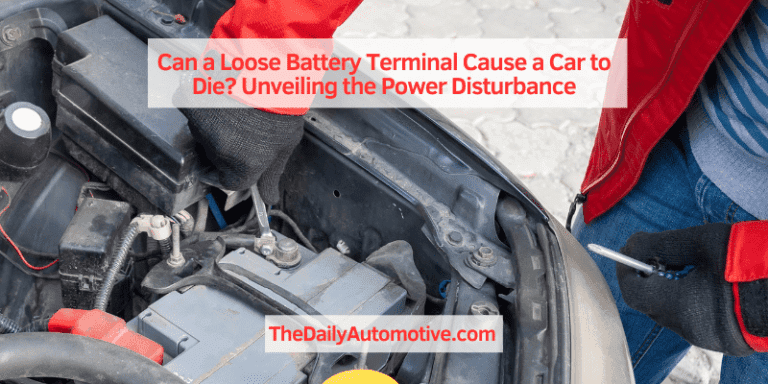
A weak battery or failing alternator can cause irregular idling. The battery powers the car’s electrical systems. The alternator charges the battery while driving. If either part weakens, the engine may lose power. This leads to fluctuations in engine speed. The car’s computer may get wrong signals. The result is a rough or uneven idle.
Worn Out Belts And Hoses
Belts and hoses keep the engine parts moving smoothly. Worn belts slip or break, causing the engine to hesitate. Old hoses may leak air or fluids. This disrupts engine balance and fuel flow. The engine speed can jump up and down. Checking belts and hoses often solves idle problems.
Idle Control System Failures
The idle control system manages the engine speed at rest. It adjusts airflow and fuel to keep the engine steady. If this system fails, the engine speed will vary. Common causes include a dirty or faulty idle air control valve. The engine may surge or stall unexpectedly. Cleaning or replacing parts can restore smooth idling.
When To Seek Professional Help
Car engines should idle smoothly without big changes in speed. When your car revs up and down while idling, it shows a problem. Some issues need quick fixes. Others need a professional mechanic’s help. Knowing when to seek help can save you money and avoid bigger damage.
Signs Of Severe Engine Trouble
Listen for loud noises or knocking sounds from the engine. Notice if your car stalls or struggles to start. Watch for warning lights on the dashboard. Smell burning odors or see smoke from the engine. These signs mean the engine could have serious problems. Stop driving and get your car checked.
Diagnostic Tools And Tests
Mechanics use special tools to find engine issues. An OBD-II scanner reads error codes from your car’s computer. This helps find the cause of the revving problem. Mechanics also test sensors, spark plugs, and fuel systems. They check for air leaks and damaged parts. These tests give a clear idea of the problem’s source.
Preventive Maintenance Tips
Regular oil changes keep the engine running well. Replace air filters every 12,000 miles or as needed. Check spark plugs and fuel injectors for wear. Clean the throttle body to stop idle issues. Keep fuel injectors clean with proper additives. Routine checks help stop small problems from growing.
Frequently Asked Questions
Why Does My Car Idle Speed Fluctuate?
Fluctuating idle speed often indicates a vacuum leak or dirty throttle body. It can also be caused by faulty sensors or a failing idle air control valve. Regular maintenance helps keep idle speed steady and prevents engine performance issues.
Can A Dirty Throttle Body Cause Revving Issues?
Yes, a dirty throttle body can cause uneven revving while idling. Dirt blocks airflow, confusing the engine control unit. Cleaning the throttle body can restore smooth idle and proper engine response.
How Does A Vacuum Leak Affect Idle Revving?
A vacuum leak lets extra air into the engine, disrupting the air-fuel mix. This causes the engine to rev up and down unexpectedly. Identifying and fixing leaks improves idle stability and fuel efficiency.
Does A Bad Idle Air Control Valve Cause Revving?
A faulty idle air control valve can cause your car to rev erratically. It controls engine idle speed by regulating airflow. Replacing or cleaning this valve often resolves idle speed fluctuations.
Conclusion
A car that revs up and down while idling needs attention. This issue can point to simple problems or bigger engine troubles. Checking the air filter, spark plugs, and sensors often helps. Regular car care keeps your engine smooth and steady.
Don’t ignore these signs; they affect your ride’s safety and comfort. Fixing small problems early saves money and stress later. Keep your car in good shape for a better driving experience.