Why Does My Dogs Nose Drip In The Car: Essential Fixes
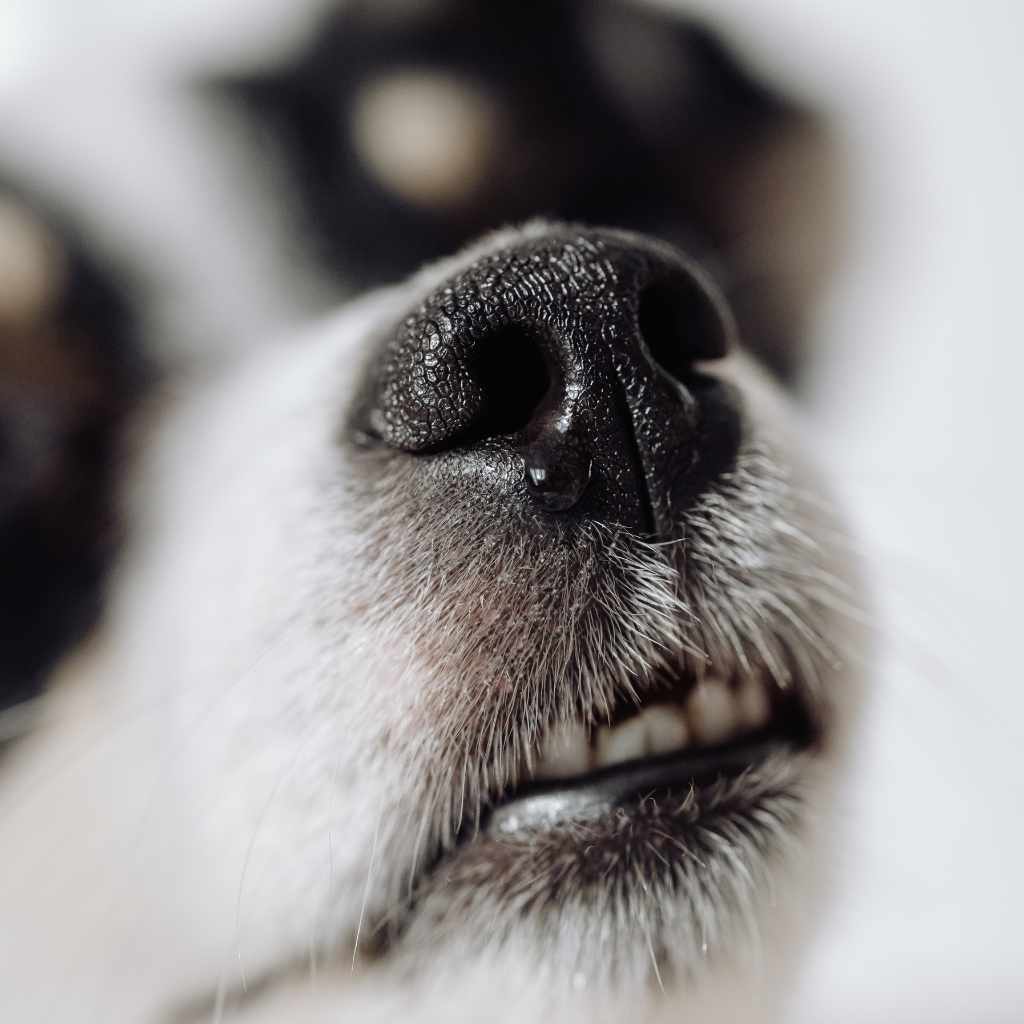
If your dog’s nose drips in the car, it is usually related to excitement, anxiety (motion sickness), or environmental changes like high humidity or air conditioning. Check for fresh air flow and reduce travel stress first. If it’s excessive or thick, consult your vet.
You know the feeling. You’re excited to take your dog for a ride, windows down, happy pup in the back seat—until you notice a little drip coming from their nose. It happens often, and it can leave you wondering if something is wrong with your beloved pet or your vehicle. Is it allergies? Too much excitement? Or maybe they just don’t like the car ride? Dealing with a runny nose in the car doesn’t have to be a mystery or a constant mess.
This common issue is usually easy to spot and fix once you know the main reasons behind it. We will explore the simple automotive and environmental factors, as well as the common canine culprits. Let’s figure out why your dog’s nose is dripping in the car and how you can keep your rides clean and comfortable.
The Main Culprits: Why The Drip Happens
A dog’s nose dripping in the car is rarely due to a serious mechanical failure in your vehicle. Instead, the car creates specific environments or triggers reactions in your dog that lead to nasal discharge. As your personal automotive guide, I want to show you how different parts of your car experience—from the air conditioning to the vibrations—can play a role.
Reason 1: Excitement and Anticipation
This might be the happiest reason! Just like humans might get weepy eyes when they are extremely happy or anticipating something great, dogs can experience increased mucous production when they are highly stimulated.
If your dog knows the car means the park, treats, or a favorite person, the excitement can cause temporary nasal discharge. It’s often clear and watery, much like when you smell something delicious.
Reasons Related to the Vehicle Environment
The inside of your car is a unique micro-environment. Temperature changes, air movement, and even smells can trigger a dog’s nasal passages.
Air Conditioning: The Cold Shock
When you blast the A/C on a hot day, the sudden introduction of cold air into your dog’s nasal passages can mimic the way cold air affects humans—it causes blood vessels to constrict, leading to a watery drip.
This is usually harmless, but the constant, direct blast of cold air can irritate the lining of the nose over time.
Low Humidity and Dry Air
Modern car ventilation systems, especially when running the heat or A/C, can significantly dry out the air inside the cabin. Dry air irritates the delicate tissues lining the nose, prompting them to produce extra clear moisture to compensate and keep things lubricated.
Air Quality and Odors
Cars often have unique odors: cleaning products, air fresheners, exhaust residue, or simply old upholstery smells. Dogs have incredibly sensitive noses. These strong scents can act as irritants, causing a reflexive drip as the nose tries to flush out the perceived invader.
Reason 2: Motion Sickness and Anxiety
This is one of the most common causes, especially in dogs new to car travel or prone to nervousness.
When a dog gets motion sick, their body reacts similarly to human carsickness: nausea, excessive drooling, and nasal discharge. Anxiety related to the confinement or the movement itself can trigger a similar physical response.
If the dripping is accompanied by lip-licking, yawning (when not tired), whining, or clinging to you, motion sickness or anxiety is likely the primary factor.
Identifying the Type of Drip
Not all drips are the same. The color and consistency can give you important clues about whether this is a simple irritation or something requiring a vet visit.
Here is a simple breakdown to help you observe what is happening:
| Discharge Appearance | Possible Cause | Action Needed |
|---|---|---|
| Clear, thin, watery | Excitement, temperature change, mild irritation, first stage of motion sickness. | Monitor environmental controls (A/C). |
| Thick, white, or yellowish | Often related to allergies or early stages of a mild upper respiratory infection. | Check for other symptoms; consult vet if persistent. |
| Thick, green, or bloody | Potential significant infection, blockage, or injury. | Immediate veterinary consultation required. |
Essential Fixes: How to Stop The Drip
As a driver, you have control over two main areas that affect your dog in the car: the environment inside the vehicle and how prepared your dog is for the journey. Let’s tackle the environmental fixes first, as they are the easiest adjustments you can make immediately.
Fix 1: Controlling the Cabin Climate
If you suspect air temperature or humidity is the culprit, take these steps to balance the environment:
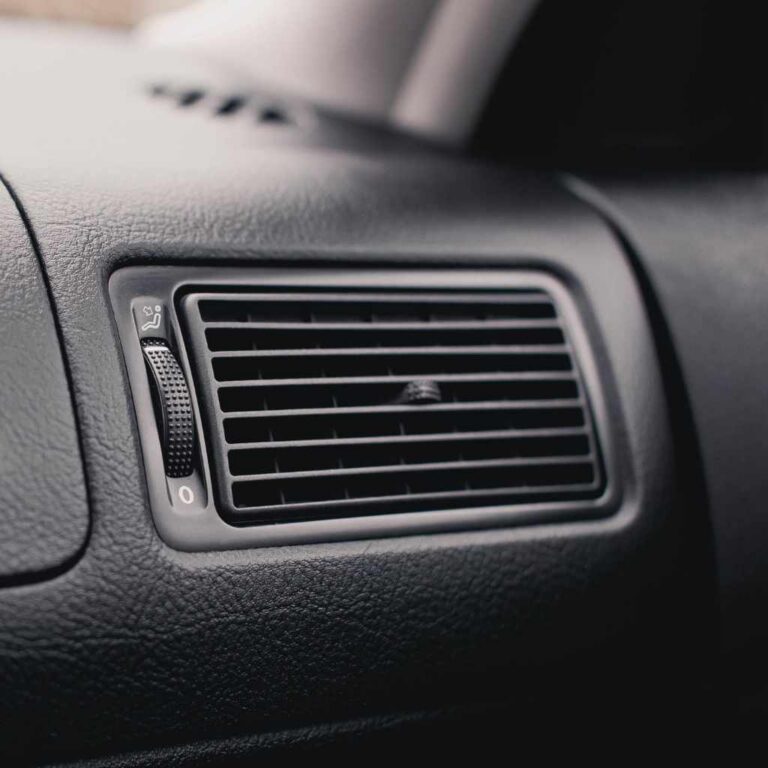
- Avoid Direct Blasts of A/C: Never aim the vents directly at your dog when cooling the car. Re-direct the vents upward or toward the floor so the air circulates in the cabin rather than hitting your dog’s face directly.
- Gradual Cooling: Instead of immediately turning the A/C to max, let the car cool down slowly while the windows are slightly cracked. This prevents the sudden temperature shock to their nasal passages.
- Manage Humidity: In very dry weather, consider placing a small, shallow bowl of water near your dog (securely fastened so it won’t spill during movement) or using a safe, dog-friendly pet humidifier attachment if you travel long distances frequently.
- Check Air Filters: A clogged or dirty cabin air filter can recirculate dust, pollen, and stale odors, exacerbating underlying allergic responses. Check your owner’s manual for guidance on when to replace this filter; clean air makes for a happier nose. You can find general guidelines on cabin air filter maintenance from manufacturers like AAA.
Fix 2: Addressing Motion Sickness and Stress
If the drip is linked to anxiety or nausea, the solution involves behavioral adjustments and safe securing practices.
Creating a Safe Space
Dogs often feel less secure when they are sliding around or unsupported during turns and stops. A secure travel setup reduces physical instability, which often lessens motion sickness.
- Use a Crate or Harness: Use a crash-tested dog harness that buckles into the seatbelt system, or secure them in a sturdy crate. This prevents sudden jolts that can trigger nausea.
- Boost Visibility: For some dogs, seeing the road ahead helps their inner ear balance system adapt. Using a booster seat or ensuring they can see out the window (without hanging their head out unsafely) can help stabilize their equilibrium. Safety Note: Always ensure windows are only cracked enough for fresh air, never rolled down completely, as hanging heads out can cause debris injuries.
- Familiar Scents: Place a favorite blanket or an unwashed piece of your clothing in their travel area. Familiar scents provide comfort and reduce anxiety.
Desensitization and Acclimation
If your dog only drips because the car equals a big adventure (excitement) or something scary (anxiety), you need to change the association with the car.
- Start Stationary: Sit in the car (engine off) for five minutes, offering high-value treats. Repeat daily until the dog is relaxed.
- Short Movements: Turn the engine on, let it idle for one minute, then turn it off. Repeat.
- Introduce Gentle Motion: Drive just to the end of the driveway and back. Reward calm behavior heavily.
- Increase Duration Slowly: Gradually extend the length of the drive, keeping early trips under five minutes. The goal is to prove that the car ride is safe and often ends well.
Fix 3: Managing Allergies and Irritants
What seems like a simple drip might be an allergic reaction to something specific floating around in the car’s air or touching your dog’s body.
Here are specific irritants to check:
- Car Fresheners: Strong chemical scents are a major irritant. Remove all plug-ins, dangling tree-style fresheners, or heavy sprays.
- Seat Covers/Blankets: If you use removable covers, wash them regularly in mild, unscented detergent. Dust mites or pet dander buildup can cause irritation.
- Windshield Wipers/Washer Fluid: If the drip happens when you use the washers, the fluid itself or the spray might be irritating their nose as the air blows in. Ensure you use quality fluids.
For environmental allergies (pollen, grass), talk to your veterinarian. They might recommend veterinary-approved antihistamines before travel, especially during high-pollen seasons. The Centers for Disease Control and Prevention (CDC) notes that environmental irritants can affect respiratory health in sensitive populations, and dogs are no different.
When to Call the Mechanic or the Vet
Most nose drips in the car are benign, related to excitement or climate shock. However, you need to know when the issue crosses from a light annoyance to a potential health concern that requires professional help.
When a Vet Visit Is Necessary
If you notice any of the following symptoms accompanying the drip, it’s time to schedule an appointment:
Warning Signs to Watch For:
- Color Change: Discharge that turns thick yellow, green, or contains visible blood.
- Consistency: Discharge that is thick and sticky and won’t clear up after the trip is over.
- Accompanying Symptoms: If the drip is paired with sneezing fits, pawing at the face, lethargy, coughing, or refusal to eat.
- Fever: If you suspect generalized illness.
Veterinarians can run tests to rule out underlying issues like canine influenza, fungal infections, or dental problems that might present like simple nasal drips.
When to Check Your Car Systems
While unusual, sometimes a car issue can indirectly cause irritation. Only check these if the dog’s health is ruled out by a vet and the dripping only occurs when the car is running:
- HVAC Blend Door Failure: If the blend door (which controls whether air comes from the heater core or the A/C evaporator) is stuck, you might get fluctuating temperatures blowing out, causing constant temperature shock. A mechanic can diagnose this via the climate control system diagnostics.
- Excessive Cabin Odor: If you smell strong mold or mildew, it could indicate moisture buildup in your HVAC system, which needs professional cleaning or repair (often related to a clogged A/C drain tube).
- Engine Fumes: If you smell exhaust fumes inside the cabin, this is a serious safety issue. A mechanic must check for exhaust leaks, often involving the manifold or seals around the firewall. Exhaust fumes are toxic and often mimic respiratory irritants.
Travel Prep Checklist for a Dry-Nose Ride
To ensure maximum comfort for your pup and minimum cleanup for you, use this checklist before hitting the road:
| Prep Step | Why It Helps |
|---|---|
| Pre-cool/Pre-heat Car | Avoids sudden temperature shock on arrival or blast of air. |
| Secure Travel Gear | Prevents instability that triggers motion sickness. |
| Remove Plug-in Scents | Eliminates major chemical irritants for sensitive noses. |
| Short Potty Break Pre-Trip | Reduces initial urgency and allows for early relaxation. |
| Small, Bland Snack (if prone to nausea) | Ensures the stomach isn’t empty, which can worsen car sickness. |
Frequently Asked Questions (FAQs) About Dog Car Rides
Q1: Is it normal for my dog to drool and drip when I first start the car?
A: Yes, often it is. This is usually due to excitement or anticipation before you even move. If the drip stops once you are moving steadily and comfortably, excitement is the likely cause. If the drooling and dripping increase as you drive, it points toward motion sickness.
Q2: Should I force my dog to look out the window when they drip to help them acclimate?
A: No, forcing them can increase stress. If they are prone to motion sickness, too much scenery rushing by can actually worsen nausea. Focus instead on keeping them secure and using desensitization techniques (as mentioned above) to build positive associations inside the stationary or slow-moving vehicle.
Q3: Can I give my dog a human allergy pill before a long trip?
A: Never give your dog medication intended for humans without explicit instruction from your veterinarian. Ingredients like pseudoephedrine are toxic to dogs. Always consult your vet for a dog-safe antihistamine dosage prior to travel.