Why Does My Car AC Smell Like Vinegar? A Simple Guide to Fresh Air
A vinegar-like car AC smell usually means moisture, mold, or a clogged condensate drain; if it appears only with the fan or AC on, start with the HVAC system, but if it also lingers with windows up, inspect upholstery and floor mats. Ignore it, and the odor can settle into the cabin and turn a small drainage problem into a more expensive repair. This guide shows how to pinpoint the source and choose the right fix.
Vinegar smell decision table
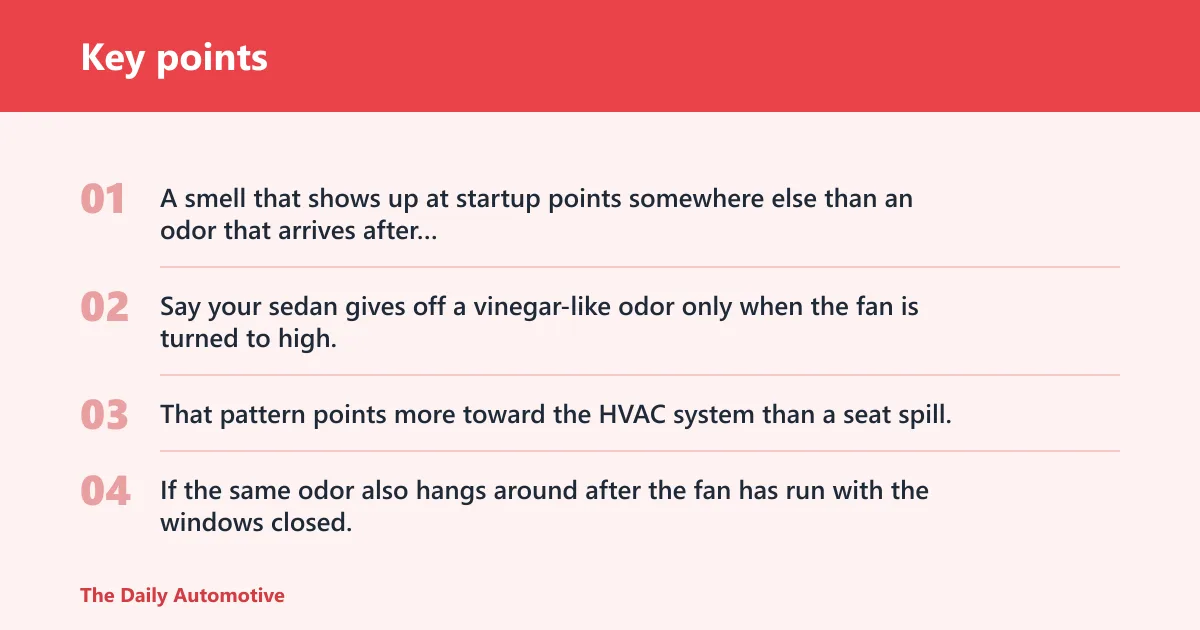

Start with timing, then location. A smell that shows up at startup points somewhere else than an odor that arrives after rain or only on defrost, and the strongest location often tells you whether the source is inside the HVAC box or in the cabin itself.
| When it smells | Where it seems strongest | Likely cause | What to check first | When to book service |
|---|---|---|---|---|
| Startup | Vents | Moisture on the evaporator or odor held in the cabin air filter | Check the cabin air filter and inspect the vent openings for dust, residue, or trapped debris | If the smell returns quickly after a fresh filter or cleaning |
| After rain | Footwells | Water intrusion, damp carpet, or a drain path that is not clearing well | Lift floor mats and feel the carpet for damp spots | If the carpet stays wet or water keeps collecting |
| On defrost | Vents | Moisture in the HVAC housing or a dirty evaporator surface | Check for a musty or sour odor from the vents only when airflow starts | If odor returns after drying and vent cleaning |
| All the time | Seats | Spill, food residue, or another interior contamination source | Inspect seats, seams, carpets, and trim for residue or dampness | If cleaning fabrics does not change the odor |
Say your sedan gives off a vinegar-like odor only when the fan is turned to high, and the smell fades after a few blocks. That pattern points more toward the HVAC system than a seat spill. If the same odor also hangs around after the fan has run with the windows closed, the cabin itself needs a closer look too.
Why does my car AC smell like vinegar?
A vinegar-like odor usually comes from moisture plus something the moisture can hold onto, such as dust, debris, or residue. In a car, that often means the evaporator, drain path, vents, filter, or damp interior surfaces. The key is to separate HVAC odor from a cabin spill before you clean anything.
Moisture inside the HVAC system
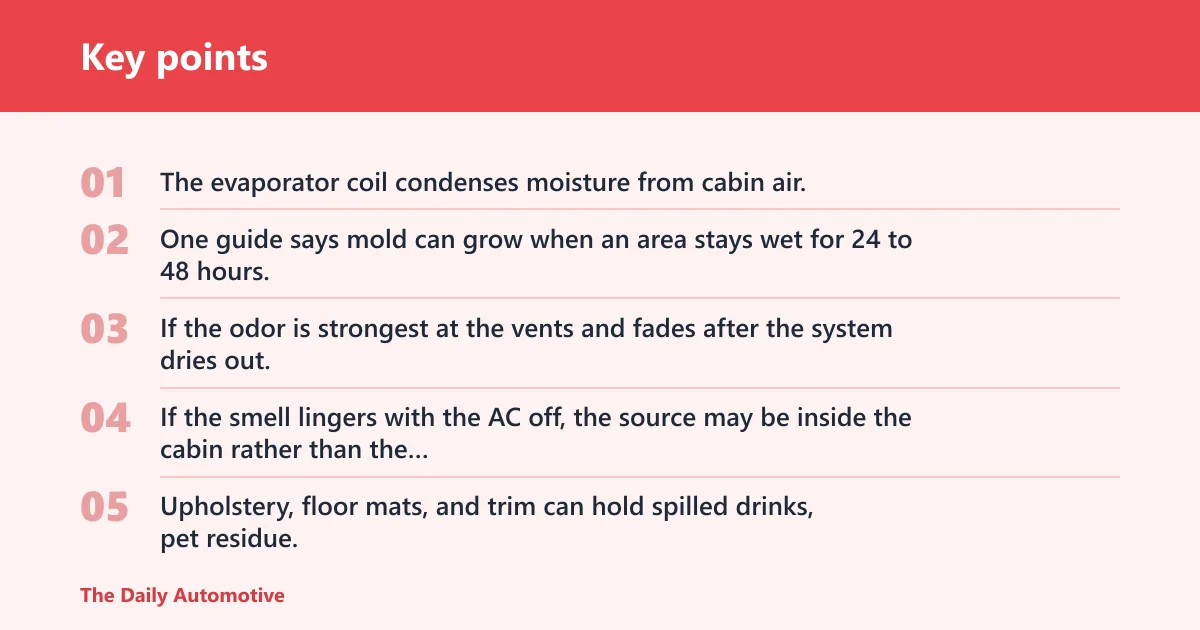
The evaporator coil condenses moisture from cabin air, and that damp surface can hold odor if it stays wet. Mold can grow when an area stays wet for 24 to 48 hours. If the odor is strongest at the vents and fades after the system dries out, the evaporator area moves high on the list.
Residue on carpets, seats, or trim
If the smell lingers with the AC off, the source may be inside the cabin rather than the HVAC box. Upholstery, floor mats, and trim can hold spilled drinks, pet residue, or other organic contamination. That kind of odor often shows up most clearly in seats or footwells, not just at the vents.
A blocked drain or dirty filter
Condensation in the AC system is meant to drain under the vehicle. If the drain is blocked, water can sit in the housing and feed odor. A dirty cabin air filter can also trap contaminants and dirt that circulate through the cabin, so a sour smell can keep returning even after a surface wipe-down.
Is the smell coming from the AC or the cabin?
Use timing and location to separate the source. A smell that appears only with airflow usually points to the HVAC path. A smell that remains with the car parked, windows closed, and AC off is more likely tied to seats, carpet, or trim. A new cabin filter helps narrow the problem, but it does not clear the rest of the system.
What vents, footwells, and seats can tell you
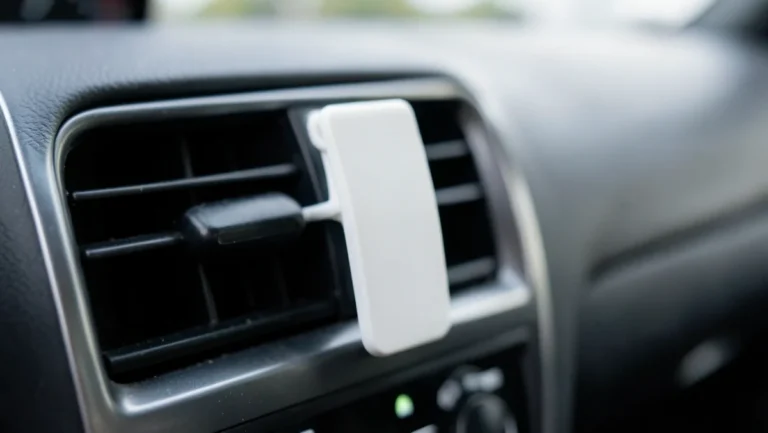
Car HVAC vents can spread odor through the cabin, and they can hold dust or residue. Footwell odor often points to damp carpet, a wet mat, or drain issues. Seat odor suggests fabric contamination or a spill that has soaked below the surface. Follow the vehicle and product manual for any cleaning or removal step, and keep items out of airbag zones and the driver’s view.
What a new cabin filter does and does not rule out
The cabin air filter is often located behind the glove box, though access varies by model. It is recommended to be changed every 15,000 to 30,000 miles, and a new cabin air filter typically costs between $20 and $65. Replacing it can stop a dirty filter from holding odor, but it does not rule out a damp evaporator or a blocked drain.
Suppose a driver installs a fresh filter and the smell is still there the next morning. That usually means the filter was part of the problem, not the whole problem. The next checks should move to the vents, drain path, and any damp carpet or seat material.
Cabin filter, vents, and drain checks
Work in this order: filter first, vents second, drain third. That sequence covers the most common and easiest checks without tearing into the dash. It also helps avoid masking a drainage issue with a cleaner that only covers the smell for a day or two.
Cabin air filter: common place to inspect first
A dirty cabin air filter can hold dust, pollen, exhaust, and odor. If it looks gray, damp, or loaded with debris, replace it rather than trying to wash it out. A clogged filter can also keep moisture and contaminants in the airflow path, which is why a sour smell may return after only a short drive.
- Remove the filter only as the vehicle manual directs.
- Inspect the media for debris, dampness, and discoloration.
- Replace it if it is dirty, wet, or overdue on mileage.
- Run the blower and check whether the odor changes at the vents.
Car HVAC vents: look for debris and residue
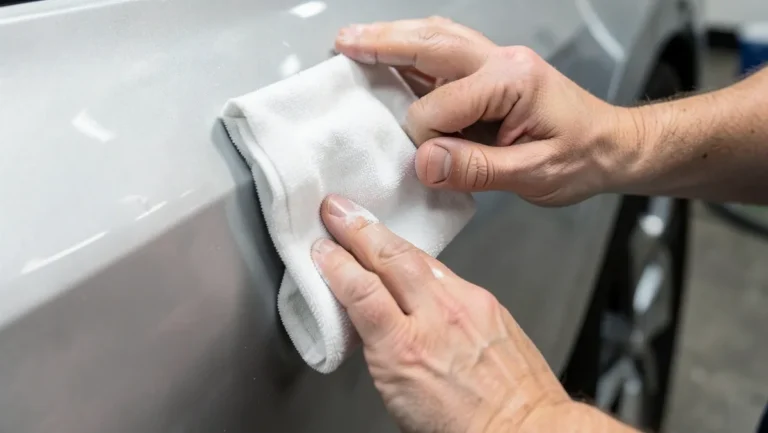
Check each vent opening for visible dust, sticky residue, or trapped leaves near the air inlet area. Leaves and debris can clog the air inlet holes at the bottom of the windshield, and that can send odor into the intake path. A soft brush, vacuum nozzle, or damp microfiber cloth can help, but do not soak the vents.
Evaporator drain: when blocked condensation becomes a problem
If the floor on the passenger side feels damp, or the odor worsens after long AC use, the drain path may be blocked. You may also notice that the system smells sour again soon after cleaning. At that point, service is often the better call, because a clogged drain can leave water sitting in the HVAC housing in a place that is difficult to reach from the cabin.
How do you clean the smell safely?
Use the lightest method that matches the source. Treat fabrics, seats, and trim differently from vents and HVAC parts. For any step that involves lifting, electricity, fuel, tires, child seats, airbags, or windshield-view areas, follow the vehicle or product manual, never work under a vehicle held only by a jack, never exceed the vehicle’s rated roof, hitch, or tow limit, keep items out of airbag zones and the driver’s view, and check local laws.
White vinegar solution for light fabric cleaning
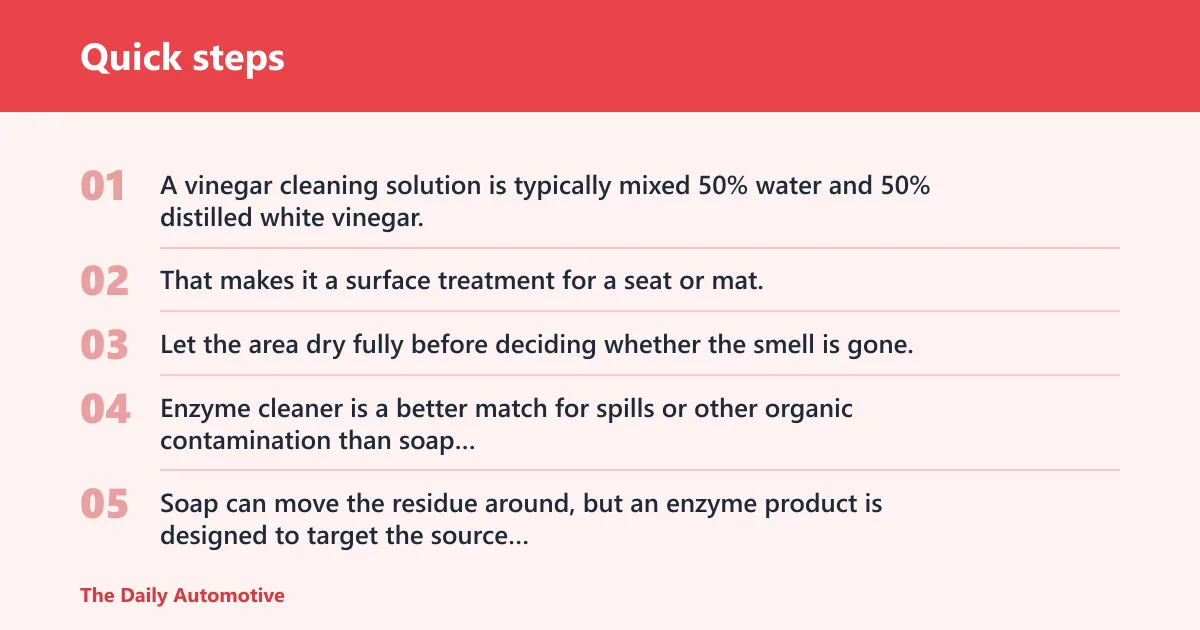
A vinegar cleaning solution is typically mixed 50% water and 50% distilled white vinegar. Use it lightly on fabric, not as a soak. That makes it a surface treatment for a seat or mat, not a cure for an HVAC odor trapped deeper in the system. Let the area dry fully before deciding whether the smell is gone.
Enzyme cleaner for spills or organic contamination
Enzyme cleaner is a better match for spills or other organic contamination than soap alone. Soap can move the residue around, but an enzyme product is designed to target the source of the odor. Use it on the affected upholstery or carpet area only, and follow the product label rather than saturating the material.
Baking soda and activated charcoal for lingering odor
Baking soda absorbs odors and moisture, and it is usually left on carpets or seats for several hours or overnight before vacuuming. That said, residue can linger in seams or textured fabrics, so cleanup matters. Activated charcoal works best for lingering airborne smells and is typically placed in the cabin for 24 to 48 hours.
A common first-timer mistake is to sprinkle baking soda across a seat and stop there. That can hide the odor for a while, but the powder has to be vacuumed out afterward, especially from seams and stitched surfaces. If the smell is still present after that, the source is probably deeper than the fabric surface.
When should you book service?
Book service if the smell returns soon after a new filter, vent cleaning, or fabric treatment. That pattern suggests the source is not just surface residue. If water keeps pooling, the drain seems blocked, or the odor comes back after dry weather, a deeper HVAC inspection is the safer move.
What a technician may need to clean
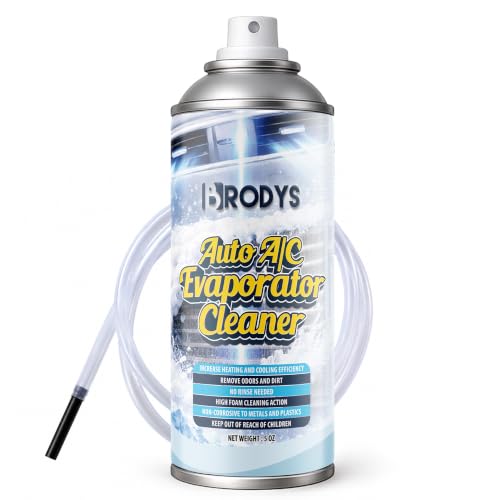
The evaporator coil may need cleaning if the odor persists because it can stay damp and hold odor. A drain blockage may also need professional clearing if condensation is not leaving the system as intended. Running the fan on with the AC off before parking to dry the evaporator, but if the odor keeps returning, drying alone is not enough.
Frequently asked questions
Why does my car AC smell like vinegar when I turn it on?
That smell usually points to moisture in the HVAC system, a dirty cabin air filter, or residue in the cabin. If it appears only when the blower starts, the vents and evaporator are the first places to inspect. If it also lingers with the AC off, check carpets, seats, and mats.
Is a vinegar smell from my car AC mold or mildew?
It can be, but the odor alone does not prove it. A sour smell may also come from damp dust, a dirty filter, or organic residue in the cabin. Focus on where the smell is strongest and whether it appears only with airflow, because that separates HVAC issues from interior contamination.
How do I get rid of a vinegar smell from car vents?
Start by replacing a dirty cabin air filter, then clean visible dust and residue from the vents. If the smell returns, check for damp carpet or a blocked drain path. Air fresheners only cover the odor, so they do not fix the source and usually make diagnosis harder.
Can a dirty cabin air filter make my car AC smell bad?
Yes. A dirty cabin air filter can trap contaminants and dirt that circulate through the cabin, and it may hold onto odor itself. It is often located behind the glove box, and it is commonly changed every 15,000 to 30,000 miles. If it is dirty or wet, replace it.
How do I clean car AC vents without making the smell worse?
Use a dry vacuum, a soft brush, or a lightly damp cloth on visible dust and residue only. Do not flood the vents with cleaner or water. If the odor is stronger after wiping, the source may be deeper in the HVAC system, which means the evaporator or drain needs attention.
When should I have the AC evaporator cleaned instead of masking the odor?
If the smell returns after a fresh filter, vent cleaning, and drying, the evaporator is a likely next step. That is especially true when the odor is strongest at startup or on defrost. At that point, masking the smell only delays the repair and does not address the moisture source.
Products related to this article
Sponsored / affiliate links. As an Amazon Associate I earn from qualifying purchases. I may earn additional commission from eligible campaigns.