Why Ethylene Glycol Is the Choice for Car Antifreeze
For many, figuring out Why Ethylene Glycol Is Used as Antifreeze in Radiators seems tricky. It’s a common topic, but the science behind it can appear complicated at first. But don’t worry! This guide will break down everything in easy steps, so you’ll know exactly why your car uses this special liquid. We’ll explore what antifreeze is, how it works, and why ethylene glycol is the top pick. Get ready for a simple explanation!
What Antifreeze Does for Your Car
Antifreeze, also called coolant, is a vital fluid for your car’s engine. It does more than just stop water from freezing in winter. It also keeps your engine from overheating in the summer. Think of it like a superhero for your car’s cooling system, protecting it from both extreme heat and cold. It flows through the engine, absorbing heat and preventing it from causing damage. Without antifreeze, your engine could be severely damaged, leading to expensive repairs. That’s why picking the right type is super important.
The Importance of a Cooling System
Your car’s engine generates a lot of heat when it runs. If this heat isn’t managed properly, it can cause the engine to seize or break down completely. This is where the cooling system comes in. The system includes a water pump, radiator, hoses, and the antifreeze or coolant. This coolant absorbs heat from the engine and carries it to the radiator, where the heat is released into the air. This process ensures the engine stays at a safe operating temperature, preventing damage and extending the life of your vehicle. A well-functioning cooling system is absolutely essential for a healthy engine.
-
Heat Absorption: Antifreeze absorbs heat from the engine.
This prevents engine components from getting too hot, which could cause them to warp or melt. Ethylene glycol, due to its properties, is very good at doing this efficiently, keeping your engine’s internal temperature in check.
-
Rust and Corrosion Prevention: It prevents rust and corrosion.
Antifreeze contains additives that protect the metal parts of your engine from rusting, which can damage the cooling system and engine components. These additives also help keep the cooling system clean, ensuring it works at peak performance. These additives prolong the life of your car’s engine parts.
-
Freeze Protection: Prevents freezing in cold weather.
In cold temperatures, antifreeze stops the water in your radiator and engine from freezing. When water freezes, it expands, and that expansion can crack engine blocks and other parts. Ethylene glycol helps by lowering the freezing point of the water in your car’s cooling system.
-
Boiling Point Elevation: Raises the boiling point of the water.
In hot weather, antifreeze prevents the water from boiling over in your engine. Boiling water in your engine creates steam, which is very inefficient and can damage your engine. Ethylene glycol helps by raising the boiling point, so the coolant stays liquid and continues to cool the engine.
The Cooling System’s Key Players
Several components work together to make the cooling system function correctly. They all depend on antifreeze to protect and regulate the engine’s temperature. It’s a team effort! The radiator cools the liquid, the water pump circulates the coolant, the thermostat manages the temperature, and hoses connect everything. Any failure in these parts, or a problem with the antifreeze, can lead to serious issues, like overheating. Regular maintenance helps keep all these parts in top shape, ensuring your car runs smoothly and lasts longer. Don’t ignore the importance of checking them periodically.
-
Radiator: It cools the antifreeze.
The radiator is a large component filled with a network of tubes and fins, which maximizes the surface area for heat exchange. When hot antifreeze flows through the radiator, the fins release heat into the outside air, cooling the liquid down. Then the cooled antifreeze goes back into the engine to start the cycle again.
-
Water Pump: Circulates the antifreeze.
The water pump is the heart of the cooling system. It’s a mechanical pump that pushes the antifreeze through the engine, the radiator, and all the hoses. It keeps the coolant flowing, which is crucial for maintaining the engine’s temperature. Without a working water pump, the engine would overheat quickly.
-
Thermostat: Regulates the temperature.
The thermostat acts like a gatekeeper. It controls the flow of antifreeze to maintain the engine’s optimum operating temperature. When the engine is cold, the thermostat stays closed, preventing coolant from circulating. As the engine warms up, the thermostat opens, allowing the coolant to flow and cool the engine down. It’s an important component.
-
Hoses: Connect the components.
Hoses are rubber tubes that carry the antifreeze between the engine, radiator, water pump, and other components. They are flexible to handle movement and vibration. Over time, hoses can wear out, crack, or leak, so it’s a good idea to check them regularly. A leak in a hose could cause the engine to overheat.
Why Ethylene Glycol? The Science Behind the Choice
Ethylene glycol is used because it’s a great heat transfer fluid and has a low freezing point. This means it doesn’t freeze easily, even in extremely cold weather. It also has a high boiling point, which means it resists boiling in hot weather. These properties make it ideal for protecting your car’s engine under different conditions. It’s also relatively inexpensive to produce, which helps keep the cost of antifreeze down. It’s a proven solution that has been used for many years.
Ethylene Glycol’s Unique Properties
Ethylene glycol stands out because of its special qualities. It isn’t just a simple liquid. It possesses the right chemical structure to perform exceptionally well as a coolant. It can absorb heat, resist freezing, and also prevent the buildup of rust and corrosion. These properties explain why ethylene glycol is the number one choice for your car’s antifreeze. It’s safe and effective, and keeps your engine running the way it should.
-
Low Freezing Point: Prevents freezing.
Ethylene glycol lowers the freezing point of water, so the antifreeze mixture won’t turn into a solid in cold temperatures. This prevents the water in the engine block and radiator from freezing and causing damage, such as cracks.
-
High Boiling Point: Prevents boiling over.
Ethylene glycol also raises the boiling point of water, keeping the antifreeze from vaporizing in high temperatures. This prevents the coolant from boiling over and causing overheating. This is important to ensure your car works properly during the summer heat.
-
Heat Transfer Capabilities: Effective heat transfer.
Ethylene glycol is very good at carrying heat away from the engine. It efficiently absorbs heat from the engine and transfers it to the radiator, where it is released into the air. This helps keep the engine operating at the right temperature.
-
Corrosion Inhibition: Rust and corrosion protection.
Ethylene glycol also contains additives that help stop rust and corrosion from forming inside the engine’s cooling system. These additives keep the metal parts clean and functional. That boosts the lifespan of your engine’s components.
Ethylene Glycol Compared to Other Options
You might be wondering if there are other choices out there. While there are a few alternatives, ethylene glycol remains the most popular. Other types, like propylene glycol, have slightly different characteristics. Ethylene glycol offers a balance of protection, cost-effectiveness, and compatibility with most car engines, making it a clear winner. Its effectiveness in a range of temperatures also adds to its popularity. It is the gold standard.
| Feature | Ethylene Glycol | Propylene Glycol |
|---|---|---|
| Freezing Point | Very Low | Lower than Water |
| Boiling Point | High | High |
| Toxicity | Toxic | Less Toxic |
| Heat Transfer | Good | Good |
| Cost | Less Expensive | More Expensive |
How to Maintain Your Antifreeze System
Maintaining the antifreeze system is vital for your car’s health. Regularly checking the coolant level, keeping it clean, and replacing it at the right intervals will help prevent problems. You can avoid costly engine repairs by paying attention to the details. Keeping a good maintenance routine can add years to your car’s life. It is like taking care of any other essential part of your car, from the brakes to the tires.
Checking and Topping Up Antifreeze
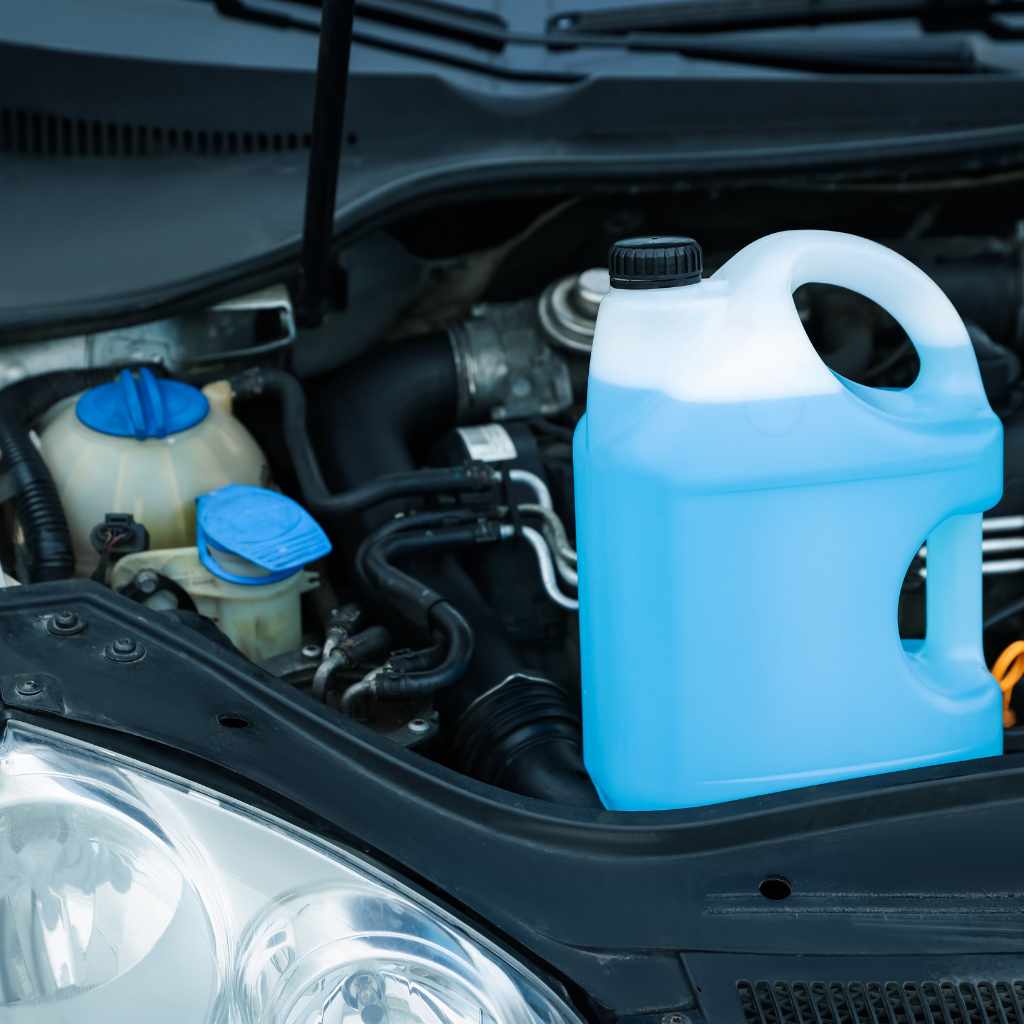
Checking your antifreeze level is a simple step you can do often. Locate the coolant reservoir, usually a translucent plastic tank, and see where the level is. Ensure it’s between the minimum and maximum fill lines. If it’s low, add more antifreeze. Using the right type of antifreeze is also important. Always refer to your car’s manual for the correct type of antifreeze. It is one of the easiest ways to care for your vehicle.
-
Regular Checks: Check the coolant level regularly.
Pop the hood and find the coolant reservoir. Check the level when the engine is cold to make sure it’s between the minimum and maximum lines on the reservoir. Doing this regularly prevents unexpected problems, like overheating, especially on long trips or in extreme weather conditions.
-
Choosing the Right Type: Use the recommended antifreeze.
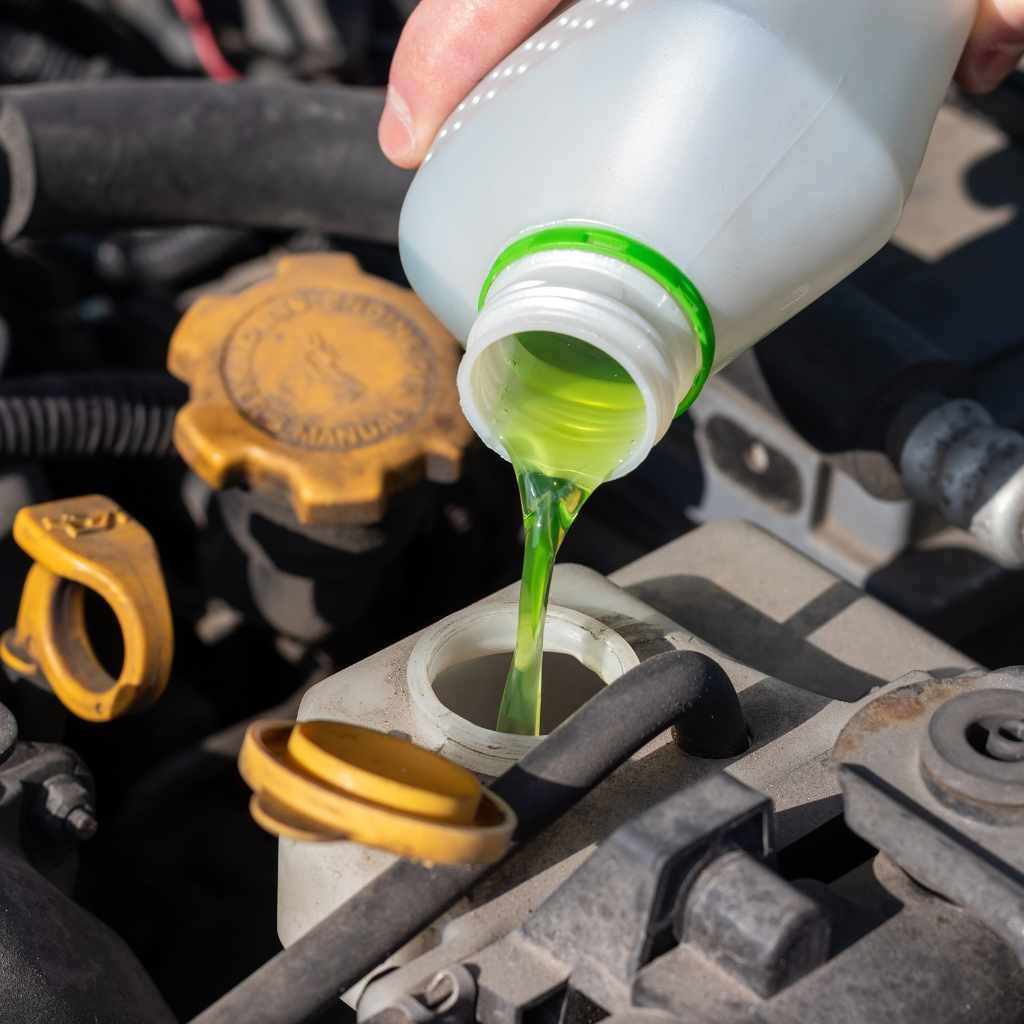
Your car’s manual will tell you which type of antifreeze to use. There are different types, like green, orange, and red. They are specially designed for different car models and can vary by manufacturer. Using the wrong type might not protect your engine effectively, which is important to remember.
-
Mixing the Antifreeze: Mix the antifreeze with water.
Most antifreeze products come in a concentrated form and need to be mixed with distilled water before pouring them into your radiator. This is usually a 50/50 mixture to make sure it will operate at its best. Check the label for instructions on the correct ratio to use.
-
What to Do If It’s Low: When to add more coolant.
When the level is low, you should add more antifreeze to bring it up to the right level. If the level is constantly dropping, there might be a leak somewhere in your cooling system. A leak needs to be fixed. It’s important to find and fix the source before adding more coolant.
Flushing and Replacing Antifreeze
Antifreeze doesn’t last forever. Over time, it loses its ability to protect your engine from corrosion and temperature changes. That’s why flushing and replacing the antifreeze at the correct intervals is crucial. A complete flush removes old antifreeze and any buildup. This keeps your cooling system clean and protects the engine. The engine and cooling system will function much better because of this care.
-
Frequency: The frequency of replacement.
The time you need to replace your antifreeze changes depending on the type and your car’s manufacturer. Usually, it’s every 2 to 5 years or based on the mileage specified in your car’s manual. A good rule of thumb is to follow the manufacturer’s recommendations. Regular replacement maintains the system.
-
Flush Procedure: How to flush the system.
Flushing the cooling system includes draining the old antifreeze, removing any rust and deposits, and refilling with new antifreeze. You can do this at home, using a kit from an auto parts store, or have a professional do it. Always dispose of used antifreeze responsibly, as it can be toxic.
-
Professional Service: Benefits of a professional flush.
A professional flush can often provide a more thorough clean. They have the equipment to completely drain the system and remove any buildup. They can also check the system for leaks or other potential problems. If you’re not comfortable doing it yourself, get it done professionally.
-
Disposal: Environmentally responsible disposal.
Antifreeze is dangerous to the environment and to animals, so it should be disposed of correctly. Don’t pour it down the drain or into the ground. Take it to a recycling center or an auto parts store that accepts used antifreeze. Make sure the antifreeze stays out of the environment.

Frequently Asked Questions
Question: Why is ethylene glycol used instead of water alone?
Answer: Ethylene glycol lowers the freezing point and raises the boiling point of water, protecting your engine from both freezing and overheating. Water alone won’t provide this kind of protection.
Question: How often should I check my car’s antifreeze level?
Answer: It’s good practice to check your antifreeze level at least once a month, or more often if you drive in extreme temperatures or on long trips.
Question: What happens if I use the wrong type of antifreeze?
Answer: Using the wrong antifreeze can damage your engine. It might not protect against corrosion, freezing, or overheating, leading to expensive repairs.
Question: Is ethylene glycol poisonous?
Answer: Yes, ethylene glycol is toxic. Keep it away from children and pets. If you spill any, clean it up immediately.
Question: Can I mix different types of antifreeze?
Answer: It’s best not to mix different types of antifreeze, as they may have different additives. Always check your car’s manual for the correct type of antifreeze.
Final Thoughts
So, you now have a good grip on Why Ethylene Glycol Is Used as Antifreeze in Radiators. It’s a key ingredient, not just some random liquid. It has unique properties that help to make sure your car is running well. It protects your engine from the harmful effects of extreme temperatures and corrosion. Remember to check your coolant levels regularly and replace the antifreeze at the recommended intervals. This simple care can go a long way in ensuring your car runs smoothly for years to come. So, go on, take care of your car’s cooling system, and keep those engines running!