Why Is Financing a Car a Bad Idea: Essential Warning
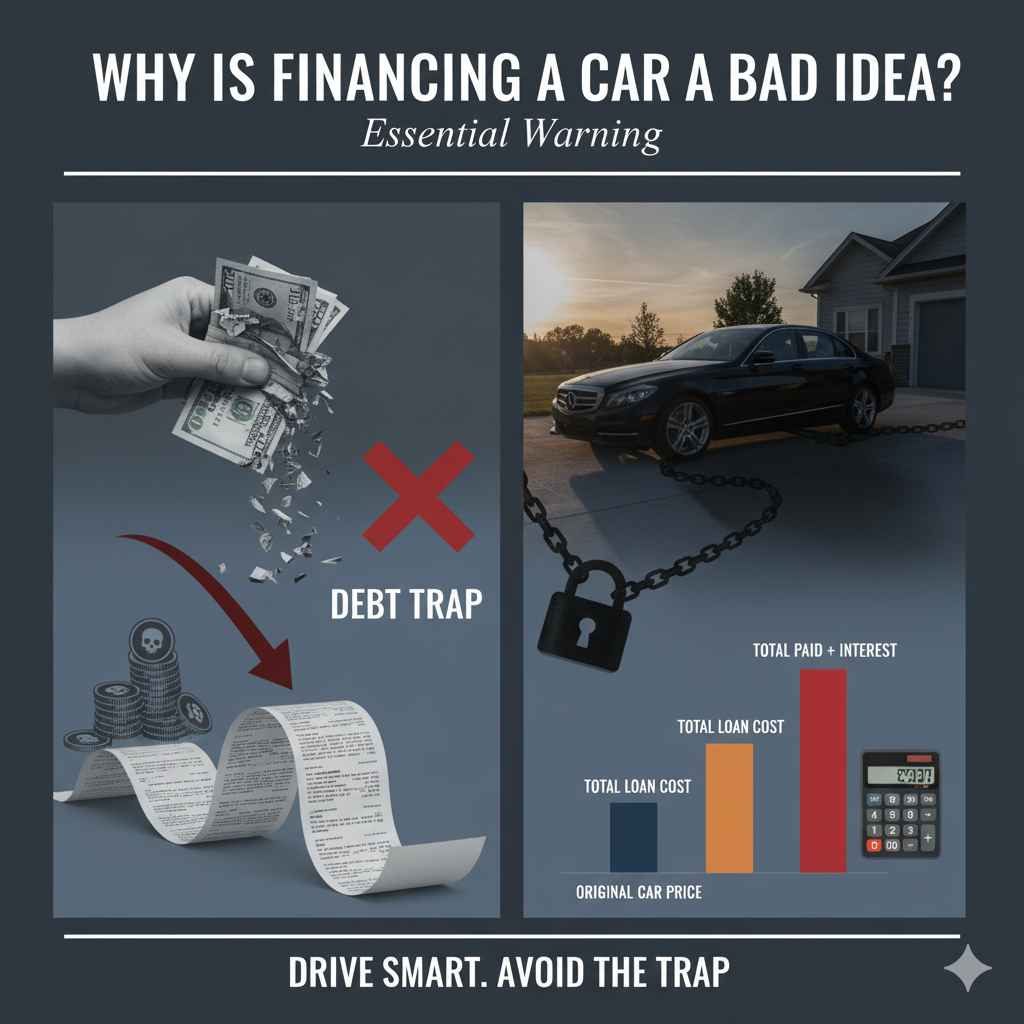
Financing a car can seem like a good idea, but it’s often a bad financial decision because of high interest costs, depreciation, and the risk of owing more than your car is worth. It locks you into payments for years, making it harder to save or handle unexpected expenses. However, understanding the downsides can help you make smarter choices.
Buying a car can be exciting! It means new adventures, more freedom, and a fresh ride. Many people choose to finance their car purchases, spreading the cost over several years. This is super common, but sometimes, what seems like the easiest path can lead to bumpy financial roads. If you’re wondering, “Why is financing a car a bad idea?”, you’re asking a very smart question. It’s good to understand the full picture before you sign any paperwork. We’re here to break it down in a way that’s easy to grasp, helping you make the best choice for your wallet and your peace of mind.
You might feel a bit overwhelmed by car buying, especially with all the numbers and terms. That’s totally normal! My goal is to make this simple and show you that you have the power to make informed decisions. We’ll explore the hidden costs and risks of car financing, so you’re prepared for anything. Let’s dive in and learn how to avoid common pitfalls and drive away with confidence, not debt.
Understanding Car Financing: What It Really Means
When you finance a car, you’re essentially taking out a loan from a bank, credit union, or even the dealership. This loan allows you to drive the car home today, while you pay back the car’s price, plus interest, over a set period – typically several years. Think of it like renting a car, but you eventually get to own it, provided you make all your monthly payments on time. This is different from paying with cash, where the car is yours outright from day one. Financing is a major financial commitment, and it’s crucial to know its implications.
The amount you borrow is called the principal. The lender also charges you interest, which is their fee for letting you borrow money. This interest adds to the total amount you’ll end up paying for the car. Over the life of a loan, especially a longer one, this interest can add up to a significant sum. Understanding this difference between the car’s sticker price and your total repayment is key to seeing why financing can become a burden.
The High Cost of Interest: Why It’s a Major Drawback
Interest is the main reason why financing a car can become a financially draining experience. While it makes a car seem affordable in the short term by breaking it into smaller monthly payments, the total cost over time can be surprisingly high. Lenders charge interest on the money they lend you, and for car loans, especially those with longer terms or for buyers with less-than-perfect credit, these interest rates can be substantial. This means you could end up paying thousands of extra dollars for the car, simply for the privilege of borrowing the money.
Let’s look at a simple example. Imagine you buy a car for $25,000 and finance it with a 5-year loan (60 months) at a 7% interest rate. While your monthly payments might seem manageable, the total amount you’d pay back isn’t just $25,000. You’d also pay roughly $4,600 in interest! This doesn’t even account for potential fees or taxes that might be rolled into the loan.
Interest Paid Over Time: A Simple Comparison
| Loan Amount | Interest Rate | Loan Term | Estimated Total Interest Paid | Estimated Total Outlay |
|---|---|---|---|---|
| $25,000 | 5% | 5 Years (60 months) | ~ $3,300 | ~ $28,300 |
| $25,000 | 7% | 5 Years (60 months) | ~ $4,600 | ~ $29,600 |
| $25,000 | 9% | 7 Years (84 months) | ~ $8,000 | ~ $33,000 |
As you can see, even small changes in interest rate or loan term can dramatically increase the total cost. A longer loan term, while lowering your monthly payment, often means paying significantly more in interest over the life of the loan. This is a critical point: the longer you take to pay off the car, the more you’re essentially paying for the use of money.
The Problem of Depreciation: You Owe More Than It’s Worth
Cars are unique assets because they lose value the moment you drive them off the lot. This rapid decline in value is called depreciation. Most cars lose a significant portion of their value within the first few years. This can create a dangerous situation if you’ve financed the vehicle. You might find yourself “upside down” or “underwater” on your loan, meaning you owe more on the car loan than the car is actually worth in the market.
Why is this a problem? Imagine you need to sell the car or if it’s totaled in an accident shortly after you buy it. If you owe $20,000 on the loan, but the car is only worth $15,000, you’d have a $5,000 gap to cover. Lenders require you to pay off the remaining loan balance, even if the car isn’t worth that much. This can be a huge financial burden, especially if you haven’t built up significant savings or don’t have room in your budget for unexpected expenses.
According to the Cox Automotive, new vehicles can lose 20-30% of their value in the first year alone. This rapid depreciation directly impacts your equity in the vehicle. The longer your loan term, the more time there is for depreciation to outpace your principal payments. This is especially true for popular models that might depreciate faster than others.
Tying Up Your Money: The Opportunity Cost of Car Payments
When you commit to monthly car payments for several years, you’re essentially tying up a large sum of money that could have been used for other important financial goals. Think about what else you could do with, say, $400 or $500 per month. That money could be building your emergency fund—a crucial safety net for unexpected events like job loss or medical bills. It could be invested to grow your wealth over time. It could be used to pay down higher-interest debt, like credit cards, saving you even more money in the long run. Or, it could simply provide more financial breathing room and reduce stress.
Financing a car often means sacrificing the chance to save and invest early. Starting to invest even small amounts in your 20s or 30s can lead to significant growth over decades, thanks to the power of compound interest. By directing those funds towards car payments, you’re missing out on these potential long-term gains. It’s a trade-off: immediate access to a new car versus long-term financial growth and security.
Opportunity Cost Examples
- Emergency Fund: Building a cushion for unexpected bills (job loss, medical emergencies, home repairs).
- Investments: Putting money into stocks, bonds, or mutual funds that can grow over time.
- Debt Reduction: Paying off high-interest debts like credit cards, saving you significant money.
- Other Goals: Saving for a down payment on a house, further education, or starting a business.
- Financial Freedom: Having more disposable income for travel, hobbies, or simply less financial stress.
The decision to finance a car directly impacts your ability to achieve these other vital financial milestones. It’s a trade-off between immediate car ownership convenience and future financial flexibility and growth.
The Risk of Default and Repossession: A Serious Consequence
Missing car payments can lead to severe consequences, including default and repossession. If you fail to make your loan payments, the lender has the legal right to take the car back. This is called repossession. It’s a stressful and damaging event. Your car will be repossessed, and you’ll still likely owe the lender money. The lender will usually sell the car at auction, often for less than what you owed. If the sale price doesn’t cover the outstanding loan balance and the costs of repossession, you’ll be responsible for paying the difference—this is known as a deficiency balance.
Furthermore, a default and repossession will severely damage your credit score. A poor credit score makes it much harder and more expensive to borrow money in the future for things like a mortgage, another car, or even rent an apartment. It can also affect your ability to get certain jobs or secure insurance policies at reasonable rates. The financial and emotional toll of losing your vehicle and facing further debt can be substantial.
Longer Loan Terms: More Car, More Problems
To make monthly payments seem more affordable, dealerships often offer longer loan terms, like 72 or even 84 months (6 or 7 years). While a lower monthly payment can be tempting, especially for a more expensive vehicle, these extended terms come with significant downsides. As we’ve already discussed, longer loan terms mean you’ll pay much more in interest over the life of the loan. This increases the total cost of the car considerably.
Additionally, with longer loan terms, you’ll be upside down on your loan (owing more than the car is worth) for a much longer period. This increases the risk and inconvenience if you need to sell or trade in the car before the loan is paid off. It also means you’ll be making car payments for a longer portion of your life, tying up your finances for an extended time when you could be focusing on other financial goals.
Loan Term Impact Comparison (for a $25,000 car at 7% interest)
| Loan Term | Monthly Payment (Approx.) | Total Interest Paid (Approx.) | Total Paid (Approx.) |
|---|---|---|---|
| 4 Years (48 months) | $597 | $3,656 | $28,656 |
| 5 Years (60 months) | $479 | $4,600 | $29,600 |
| 6 Years (72 months) | $407 | $5,519 | $30,519 |
| 7 Years (84 months) | $357 | $6,399 | $31,399 |
This table clearly illustrates how extending the loan term, even by a single year, increases both your monthly payment burden and the total amount of interest you pay, making the car significantly more expensive in the long run. It’s a classic case of paying more for convenience.
What About Special Financing Offers? Tread With Caution
Dealerships often advertise incredibly low or even 0% interest financing offers. These can sound like a dream come true, a perfect way to avoid paying interest. However, it’s important to investigate these offers closely. Sometimes, “special financing” means you have to choose between a lower interest rate and a discount on the car’s price. You might be steered towards the lower interest rate, but if the vehicle’s price was inflated to compensate, you might not be saving as much as you think.
Another point to consider is that these offers often come with strict credit score requirements. If your credit isn’t top-notch, you may not qualify. Additionally, these promotions can sometimes encourage buyers to purchase a more expensive vehicle than they can truly afford, simply because the monthly payment looks manageable due to the low interest. Always compare the total cost of the car with special financing versus a conventional loan or paying cash.
The Federal Trade Commission (FTC) advises consumers to understand all terms and conditions of any auto loan, including special financing, before signing. Don’t let flashy promotions blind you to the overall cost and your ability to repay.
Alternatives to Financing: Smarter Ways to Get Your Next Car
Given the drawbacks of financing, exploring alternatives can lead to a much healthier financial future. The goal is to minimize debt and the associated costs. Here are some practical and smart alternatives that can help you avoid the pitfalls of car financing.
- Save and Pay Cash: This is hands-down the best way to buy a car. It sounds difficult, but setting a savings goal and sticking to it means you’ll eventually be able to buy a car without owing a dime. You avoid all interest charges and depreciation risks. You can buy a reliable used car this way.
- Buy a Cheaper Used Car: Instead of aiming for a brand-new vehicle, look for a well-maintained used car. Older, reliable models can be purchased for a fraction of the price of a new car. This significantly reduces the amount you need to borrow, or even allows you to pay cash. Resources like NHTSA’s guidance on used cars can help you find safe and dependable options.
- Lease-to-Own (with caution): Some programs allow you to lease a car with an option to buy it later. This isn’t true financing, but it’s also not a direct cash purchase. Make sure you understand the lease terms, mileage limits, and the purchase price at the end carefully. It can be more expensive than buying outright but might offer flexibility for some.
- Consider a Co-signer (for better loan terms): If you absolutely must finance, having a co-signer with excellent credit can help you secure a lower interest rate, reducing the overall cost of the loan. However, this also puts the co-signer on the hook if you can’t pay.
- Negotiate a Lower Price: If you do finance or pay cash, always negotiate the price of the car. A lower purchase price means less money borrowed and less interest paid.
The most empowering approach is to delay gratification and save. Even if it takes longer, owning a vehicle outright without the burden of debt provides immense financial freedom and security.
Making the Smart Decision for Your Situation
While financing a car often presents significant financial drawbacks, it’s not universally “bad” for every single person in every single situation. There might be rare cases where financing is a necessary tool, such as needing immediate transportation for a critical job and having no other immediate options. However, even in these scenarios, it’s crucial to be fully aware of the costs and risks involved. The key is to approach auto financing with extreme caution and a solid understanding of the long-term financial implications.
If you absolutely must finance, aim for the shortest loan term you can comfortably afford, make the largest down payment possible to reduce the amount financed, and always seek the lowest possible interest rate. However, the most financially sound advice remains: avoid car financing if at all possible. Saving up, buying a less expensive vehicle, or using other transportation methods will almost always lead to better financial health in the long run. Your future self will thank you for prioritizing financial stability over immediate car ownership.
Frequently Asked Questions (FAQ)
Q1: Is buying a car with cash always better than financing?
Yes, generally. Paying cash means you avoid all interest charges, fees, and the risk of depreciation causing you to owe more than the car is worth. You own the car outright immediately, giving you complete financial freedom with that asset. While financing spreads out payments, its long-term cost is significantly higher due to interest.
Q2: How much is “too much” to pay for a car?
There’s no single number, but a common guideline is to spend no more than 10% of your monthly take-home pay on car expenses (loan payment, insurance, fuel, maintenance). If you’re financing, ideally, the car’s total price should not exceed half your annual income. Overspending on a car can cripple your ability to save and achieve other financial goals.
Q3: What is a “good” interest rate for a car loan?
In today’s market, a “good” interest rate for a car loan is typically considered to be in inflation rates (like Federal Reserve’s target) ranging broadly from under 5% to around 7% for buyers with excellent credit.