Why Is My AC Smoking In My Car? Causes You Must Check
This article will help you understand what might be causing that smoke. We’ll look at the common reasons why your car’s AC might be smoking. You’ll learn about the parts involved and what those signs could mean for your car.
We want to make this clear and easy to follow.
Car AC smoking usually points to electrical problems, refrigerant leaks, or issues with the compressor or fan motor. These can cause overheating and visible smoke. It’s crucial to stop using the AC and check it soon to avoid bigger damage or safety risks.
What is Car AC Smoke?
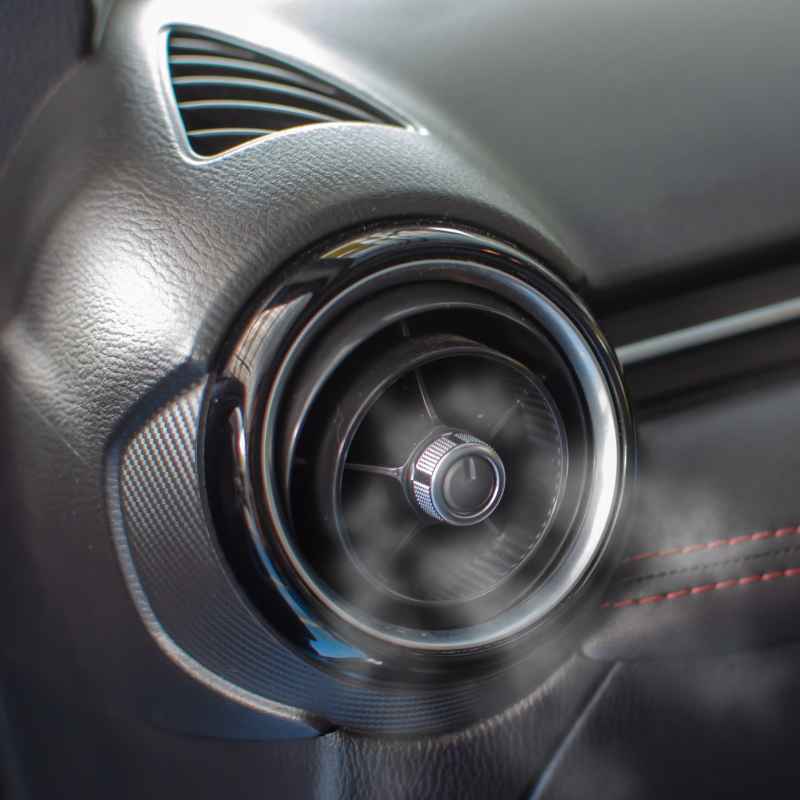
When you see smoke from your car’s AC vents, it means something is wrong. It’s not usually the “smoke” you think of from a fire. Often, it’s a fine mist or vapor.
This can happen for a few reasons. It might be caused by things getting too hot. Or it could be a sign of a leak.
The air conditioning system in your car is complex. It uses refrigerant to cool the air. It also has fans and electrical parts.
If any of these parts overheat or leak, it can create smoke. Sometimes, it’s just a bit of steam. Other times, it’s more serious.
The smell can also give clues. Is it a burning smell? Or does it smell sweet and chemical?
This helps pinpoint the problem. A burning smell often means electrical issues. A sweet smell can mean a refrigerant leak.
Why Is My AC Smoking? The Main Culprits
Several things can make your car’s AC smoke. Let’s break down the most common causes. Understanding these will help you know what to look for.
The system has many moving parts. It has electrical wires and a special gas called refrigerant. If any part of this system fails, smoke can appear.
It’s usually a sign of stress or damage within the system.
Electrical Problems and Overheating
Electrical issues are a big cause of smoke. Wires can fray. Fuses can blow.
Motors can overheat. When these happen, they can melt plastic or insulation. This melting creates smoke.
The smell is often like burnt plastic.
The AC system uses power. It has fans that blow air. It has a compressor that pumps the refrigerant.
If a wire is damaged, it can short circuit. This creates a lot of heat very quickly. The heat can melt nearby materials.
That’s when you see smoke.
A faulty fan motor is another common electrical problem. If the fan that cools the condenser or blows air into the cabin stops working well, it can get very hot. This heat can lead to smoking.
It’s important to fix these electrical faults right away.
Refrigerant Leaks
Your car’s AC uses a special gas called refrigerant. This gas cools the air. If there’s a leak, the refrigerant can escape.
Some refrigerants, when exposed to hot parts, can create smoke or a mist. This mist might look like smoke.
Refrigerant itself isn’t usually flammable. But if it leaks onto a very hot surface, like the exhaust manifold, it can break down. This breakdown can create fumes.
Sometimes, these fumes can look like smoke. The smell might be sweet or chemical-like.
Leaks can happen in the hoses, seals, or the AC lines. A common place for a leak is the O-rings. These are small rubber seals.
Over time, they can wear out. When they wear out, refrigerant can escape.
Compressor Issues
The compressor is like the heart of the AC system. It pumps the refrigerant. If the compressor is failing, it can cause problems.
It might seize up. It can also overheat. Both can lead to smoke.
When a compressor seizes, its moving parts stop. This causes friction. Friction creates heat.
The extreme heat can cause oil inside the compressor to burn. This burning oil produces smoke. You might also hear a grinding noise.
An overworked or failing compressor might also draw too much power. This can lead to electrical issues. These electrical problems can then cause overheating and smoke.
The smell will likely be burnt oil or rubber.
Condenser Fan Malfunction
The condenser is a part that cools the hot refrigerant. It has a fan that blows air over its fins. If this fan stops working, the condenser can overheat.
This overheating can create smoke.
The condenser fan is usually near the front of the car. It’s often close to the radiator. If it’s not spinning, the refrigerant won’t cool down properly.
This can cause the whole system to work harder. This extra work builds up heat.
When the condenser gets too hot, it can damage the refrigerant inside. It can also damage the compressor. The heat can even melt surrounding plastic parts.
This is another way smoke can appear.
Blower Motor Issues
The blower motor is the fan that pushes the cooled air into your car’s cabin. If this motor is failing, it can overheat. The motor itself can smoke.
This smoke will then come out of your vents.
A blower motor can fail for a few reasons. It might be old. It might have debris stuck in it.
It might have a failing bearing. Whatever the cause, overheating is the key. This overheating can melt the motor’s housing or wires.
If you smell smoke when you turn on the fan, even before the AC is blowing cold, it’s likely the blower motor. This is a fairly common issue in older cars.
My Personal Experience with a Smoking AC
I remember one sweltering July afternoon. I was driving home from a long trip. My car’s AC had been working overtime.
Suddenly, I noticed a faint, acrid smell. Then, a wisp of grey smoke curled out from the passenger-side vent. My heart skipped a beat.
I pulled over immediately.
I popped the hood, expecting to see flames. But it was quiet. No fire.
I turned the car off. The smoke stopped. I waited a few minutes.
I turned the AC back on. No smoke this time. I was so confused.
Was it a one-time thing? I drove home very nervously.
The next morning, I started the car. I turned on the AC. Within minutes, the smoke was back.
This time, it was thicker. And the smell was stronger, like burnt plastic. I knew then it wasn’t going to fix itself.
I immediately called my mechanic. He said it sounded like an electrical issue with the blower motor. He was right.
It saved me from a bigger problem later.
AC Smoking: Quick Check Factors
When you see smoke:
- Stop using the AC immediately.
- Note the smell: Burning plastic? Sweet chemical? Burnt oil?
- Note the color: White mist? Grey smoke? Dark smoke?
- When does it happen? Only when AC is on? When fan starts? All the time?
- Check under the hood (carefully): Any obvious signs of damage?
Understanding the Smoke: Color and Smell
The type of smoke and its smell can tell you a lot. It’s like a detective clue for your car. Different problems create different signals.
Paying attention is key.
White or light grey smoke might be steam. This can happen if there’s moisture in the system. Or it could be a small refrigerant leak hitting a hot part.
It’s usually less serious. But it still needs checking.
Dark grey or black smoke is more concerning. This often means something is burning. It could be wires, plastic, or oil.
This indicates a more severe issue. It might be an electrical short or a seized component.
The smell is also very important. A sweet, chemical smell often means a leak of refrigerant. Some refrigerants have a distinct odor.
A burnt plastic smell usually points to electrical wiring or plastic parts melting. This is common with blower motor or fan issues.
A burnt oil smell can indicate a problem with the AC compressor. If the compressor is failing, it can burn its own lubricating oil. This is a serious issue that requires immediate attention.
Contrast: Normal vs. Concerning AC Behavior
Normal AC:
- Cool air blows steadily.
- Quiet operation, maybe a faint hum.
- No strange smells.
Concerning AC Behavior (Possible Smoke):
- Visible smoke or mist from vents.
- Strong burning or chemical smell.
- Loud noises (grinding, squealing) when AC is on.
- AC stops cooling suddenly.
- Warning lights on the dashboard related to the AC or engine.
Refrigerant Leaks and Their Signs
Refrigerant leaks are a common cause of AC problems. While the refrigerant itself isn’t what directly causes the thick smoke, its escape can lead to it. The refrigerant gas can react with hot engine parts or break down.
This creates fumes that might look like smoke.
The most common refrigerant used in cars is R-134a. If this leaks, you might notice a sweet smell. This is because it often contains an oil that lubricates the system.
When the refrigerant escapes, this oil can also escape. It can then hit hot engine parts and burn.
Signs of a refrigerant leak include:
- Reduced cooling: The AC isn’t blowing as cold as it used to.
- Hisssing sounds: You might hear a faint hissing when the system is running. This is the gas escaping.
- Oily residue: Look around AC lines and connections for a greasy, oily film. This is often where the leak is.
- Sweet smell: As mentioned, this can indicate escaping refrigerant oil.
If you suspect a refrigerant leak, it’s best not to add more refrigerant yourself. You need to find and fix the leak first. Otherwise, it’s a temporary fix, and the refrigerant will just escape again.
Plus, some refrigerants can be harmful if inhaled directly in large amounts.
Electrical System Check for Smoke
The electrical system powers everything in your car. The AC system relies heavily on it. Faulty wiring, bad connections, or failing components can cause overheating.
This overheating is a prime suspect for smoke.
Let’s think about the electrical parts involved in the AC:
- Blower Motor: This fan pushes air into the cabin.
- Condenser Fan: This fan cools the condenser unit.
- Compressor Clutch: This engages the compressor to start cooling.
- Control Module: The computer that manages the AC system.
- Wiring Harness: The network of wires connecting all these parts.
If a wire is damaged, it can lose its insulation. This can cause it to touch another wire or metal part. This is a short circuit.
Short circuits create a lot of heat very quickly. This heat can melt the wire’s plastic coating. This melting plastic is smoke.
A worn-out blower motor might draw too much power. This can heat up its internal components and the wires leading to it. Similarly, a failing condenser fan can cause similar issues.
You might also notice other electrical problems happening at the same time. Headlights dimming? Dashboard lights flickering?
These could be related to a larger electrical issue affecting the AC.
Stacked Micro-Sections: Common Electrical Smoke Triggers
Blower Motor Failure: Overheating motor windings or housing.
Wiring Shorts: Damaged insulation causes sparks and melting.
Failing Relays/Fuses: Can overheat and melt surrounding plastic.
Compressor Clutch Issues: Electrical problems can cause the clutch to overheat.
Compressor Overheating and Failure
The AC compressor is a vital part. It’s a pump that circulates refrigerant. When it works too hard, or when it starts to fail, it can get very hot.
This heat can lead to smoke.
What makes a compressor overheat?
- Low Refrigerant: If the system doesn’t have enough refrigerant, the compressor has to work harder. This can cause it to overheat.
- Blockage in the System: If refrigerant flow is blocked, the compressor can build up pressure and heat.
- Seizure: If the compressor’s internal parts seize up due to lack of lubrication or damage, it will overheat rapidly. This often causes a loud noise and smoke.
- Electrical Issues: Problems with the clutch that engages the compressor can cause it to overheat.
When the compressor overheats, the oil inside it can start to burn. This burning oil produces a distinct, acrid smell. It can also create visible smoke.
This is a serious problem. A failing compressor can damage other parts of the AC system too.
If you hear loud grinding or squealing noises coming from the front of your car when the AC is on, and you see smoke, the compressor is a likely cause. It’s crucial to have this checked by a professional.
Fan Motor Issues: Blower and Condenser
We’ve touched on this, but it’s worth repeating. The fans in your AC system are critical. They move air.
If they can’t move air properly, things get hot. And heat leads to smoke.
Blower Motor (Inside the Cabin):
This fan is usually behind the dashboard. It pushes air through the vents into your car. If it’s failing, it might spin slowly or not at all.
It could also be making a squealing noise. When it overheats, the motor itself can melt. The smoke then comes right into your face.
Condenser Fan (Under the Hood):
This fan is usually in front of the car, near the radiator. Its job is to pull air through the condenser coil. This coil cools the hot refrigerant.
If this fan isn’t working, the refrigerant stays too hot. This can cause the compressor to overheat. It can also damage the condenser itself.
The heat from an overheating condenser can melt plastic nearby.
Both these fans are electrically powered. So, electrical problems are often the root cause. A bad motor, a blown fuse, or a faulty relay can all lead to fan failure.
And fan failure can lead to smoke.
Quick-Scan Table: Causes of AC Smoke
| Potential Cause | Likely Smell | Likely Smoke Color | Other Symptoms |
|---|---|---|---|
| Electrical Short (Wires/Fuses) | Burnt Plastic | Grey/Black | Sudden AC failure, other electrical glitches |
| Blower Motor Overheat | Burnt Plastic/Ozone | Grey | Weak or no air from vents, motor noise |
| Refrigerant Leak | Sweet/Chemical | White Mist/Light Grey | Poor cooling, oily residue, hissing |
| Compressor Failure | Burnt Oil/Rubber | Dark Grey/Black | Grinding/squealing noises, AC stops cooling |
| Condenser Fan Failure | Burnt Plastic | Grey | Overheating engine, AC struggles to cool |
When is it Normal to See Something Like Smoke?
There are a few rare instances where what looks like smoke isn’t a problem. These are not common, but worth knowing about. They usually involve condensation.
High Humidity and Cold Air: In very humid conditions, the cold AC air can cause condensation. This condensation can sometimes appear as a light mist. It’s especially noticeable when you first turn on the AC.
This is like seeing your breath on a cold day. It’s just water vapor.
System Clearing Itself: Sometimes, if the AC system has been off for a long time, or if there’s been a minor moisture issue, the initial startup might produce a little steam. This should clear up within a minute or two.
Recent Car Wash or Rain: If your car has recently been washed, or driven through deep water or heavy rain, some water might have gotten into the AC components. This water could turn to steam when the system heats up. This should also be temporary.
The key here is temporary and light mist. If you see thick smoke, it smells like burning, or it doesn’t go away quickly, it’s not normal. It’s a sign that something needs attention.
What This Means for You and Your Car
Seeing smoke from your car’s AC is a clear signal. It means the system is under stress. Ignoring it can lead to bigger problems and higher repair costs.
It can also be a safety issue.
Safety First: Some electrical issues can lead to fires. If you see thick, dark smoke and smell burning, it’s best to pull over safely and turn off the car. If you see flames, evacuate the vehicle and call emergency services.
Preventing Further Damage: Continuing to use a smoking AC system can damage other parts. An overheating compressor can fail completely. Melted wires can cause short circuits that damage the car’s computer.
It’s often cheaper to fix a small problem early than a large one later.
Cost of Repairs: The cost can vary widely. A simple blown fuse is cheap. Replacing a compressor or a wiring harness can be expensive.
Getting a diagnosis early helps you budget for the repair. It also helps you avoid being overcharged by a mechanic.
Refrigerant Handling: If the issue is a refrigerant leak, improper handling can be harmful. Refrigerants can cause frostbite on skin and are harmful if inhaled in large quantities. Professionals have the right equipment to handle them safely.
When to Worry and When It’s Just a Glitch
Most of the time, smoke from your car’s AC is a sign of a problem. It’s rarely just a random glitch. The system is designed to keep things cool and contained.
Smoke means that containment is failing.
You should worry if:
- The smoke is thick, dark, or persistent.
- There’s a strong burning smell.
- You hear loud, unusual noises (grinding, squealing).
- The AC stops cooling completely.
- Other electrical systems in your car are acting strange.
- You see signs of melting plastic or wires under the hood.
It might be a minor glitch if:
- It’s a very light mist.
- It happens only for the first minute after starting the car.
- There is no burning smell.
- It only occurs in very humid conditions.
Even with minor signs, it’s wise to get it checked. A small problem today can become a big one tomorrow. Think of it like a small leak in your roof.
You can ignore it for a while, but eventually, it will cause major damage.
Simple Checks You Can Do
While you shouldn’t try to be a mechanic if you’re not trained, there are a few simple checks you can do. These can help you understand the situation better before you go to a shop.
1. Visual Inspection (Engine Off!): Carefully look around the AC components under the hood. Look for any loose wires, frayed insulation, or melted plastic.
Check the area around the compressor and the condenser fan.
2. Check Fuses: Your car’s fuse box usually has fuses for the AC system and the cooling fans. Check your owner’s manual to find the right fuses.
See if any are blown (the metal strip inside will be broken).
3. Listen Carefully: When the AC is on, listen for strange noises. Is the fan spinning?
Does it sound rough or weak? Listen to the compressor clutch engaging – does it sound normal?
4. Check for Leaks: Look for oily residue on AC lines or connections. This can indicate a refrigerant leak.
Remember to always turn off the engine and let it cool before doing any visual checks under the hood. Some engine parts get extremely hot.
Observational Flow: What to Do When You See Smoke
Step 1: Stay Calm. Don’t panic. Assess the situation.
Step 2: Turn Off AC. Immediately switch off the air conditioning system. If smoke is heavy or you smell strong burning, turn off the engine.
Step 3: Note Symptoms. What does it smell like? What color is the smoke? When did it start?
Step 4: Park Safely. If you suspect a fire risk, pull over to a safe location away from traffic.
Step 5: Seek Professional Help. Contact a qualified mechanic as soon as possible for diagnosis and repair.
How to Get Your AC Fixed
Once you’ve identified that your AC is smoking, it’s time to get it fixed. The best approach is to take it to a trusted auto repair shop. They have the tools and expertise to diagnose and repair AC issues safely and effectively.
When you take your car in, be sure to tell the mechanic everything you noticed.
- When did you first see the smoke?
- What did it smell like?
- What color was it?
- Did you hear any unusual noises?
- Did it happen every time you used the AC?
This information is very helpful for the mechanic. It can speed up the diagnostic process.
Mechanics will typically start by checking the electrical system. They’ll look for blown fuses, damaged wires, and faulty relays. Then, they’ll check the fans.
They might also check the refrigerant levels and look for leaks. If they suspect the compressor, they’ll test its operation.
Don’t try to patch up AC issues yourself unless you have the proper training and equipment. AC systems are under pressure, and refrigerants can be harmful. A professional diagnosis is always the safest bet.
Frequent Questions About Smoking Car ACs
Why does my car AC blow out white smoke when it’s cold outside?
This is usually normal. When it’s cold outside, the air conditioning system might not be running as much. If there is any moisture in the system, it can turn into steam or mist when it encounters the cold refrigerant or the cold air blowing through the vents.
This is like seeing your breath on a chilly day. If the smoke is thick, smells like burning, or doesn’t go away quickly, it’s not normal.
Is it safe to drive my car if the AC is smoking?
It’s generally not recommended to drive if your AC is smoking. Smoke often indicates an electrical problem or a component overheating. Continuing to drive could worsen the problem, lead to a fire, or cause more expensive damage to the AC system or other parts of your car.
It’s best to stop using the AC and get it checked by a mechanic.
Can a refrigerant leak cause smoke?
Yes, a refrigerant leak can indirectly cause smoke. The refrigerant itself isn’t usually the direct cause of smoke. However, if refrigerant leaks onto very hot engine or exhaust parts, it can break down and create fumes that look like smoke.
Also, a refrigerant leak can cause the compressor to work harder and overheat, which can lead to smoke from burning oil.
What’s the difference between smoke and steam from my car’s AC?
Smoke usually comes from burning materials like plastic, rubber, or oil. It often has a strong, acrid, or chemical smell and can be grey or black. Steam, on the other hand, is water vapor.
It’s usually white and dissipates quickly. It might smell neutral or slightly like the car’s coolant. Seeing steam, especially when it’s cold or humid, is often normal.
Seeing smoke is almost always a sign of a problem.
How much does it cost to fix a smoking AC?
The cost can vary greatly. A simple fix like replacing a blown fuse or relay might cost under $100. If the problem is a faulty blower motor or condenser fan, it could range from $200 to $600.
If the AC compressor has failed and needs replacement, this is one of the most expensive repairs, potentially costing $800 to $2000 or more, depending on the car make and model.
Can I just add more refrigerant if I think it’s leaking?
Adding refrigerant without fixing the leak is not a good idea. The refrigerant will just escape again. It also doesn’t address the underlying cause of the leak.
Furthermore, overcharging the system can cause damage. It’s best to have the leak professionally diagnosed and repaired before adding any refrigerant. Many DIY refrigerant kits can also be difficult to use correctly and might cause further issues.
Conclusion
Seeing smoke from your car’s AC is a clear signal that something is wrong. It’s not a minor issue to ignore. It could be a simple electrical fault or a more serious component failure.
Paying attention to the smell, color, and timing of the smoke is important.
The best course of action is always to get it checked by a qualified mechanic. They have the tools and knowledge to find the exact cause and fix it safely. Taking care of this problem quickly can prevent bigger repairs and keep you safe on the road.
Products related to this article
Sponsored / affiliate links. As an Amazon Associate I earn from qualifying purchases. I may earn additional commission from eligible campaigns.