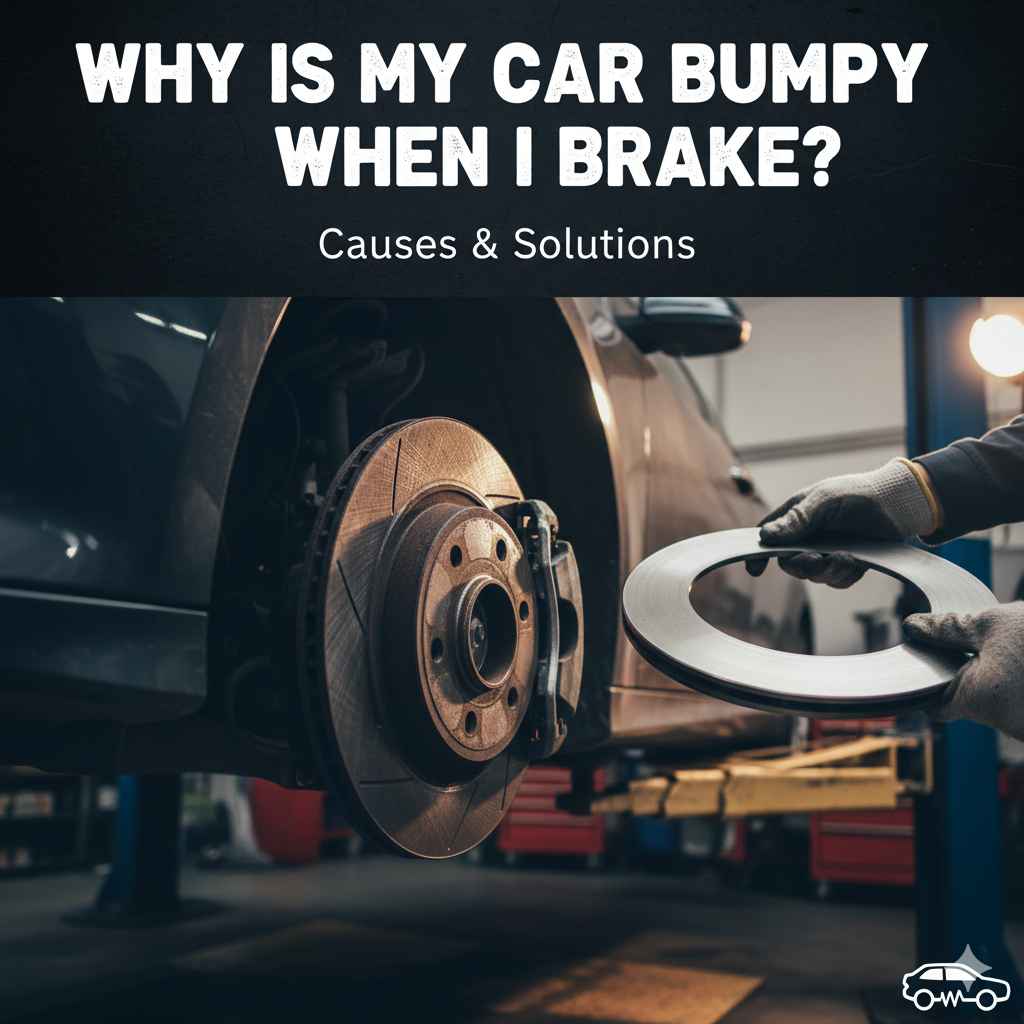
Why Is My Car Bumpy When I Brake? Causes and Solutions
If you’ve asked yourself Why Is My Car Bumpy When I Brake?, you’re not alone! It’s a common problem for new drivers and experienced ones alike. This issue can seem a little tricky, but don’t worry. We’re going to break down the most likely causes in easy-to-follow steps. We’ll explore the main culprits and how to identify them. Let’s start by looking at what might be causing the bumps when you press the brakes.
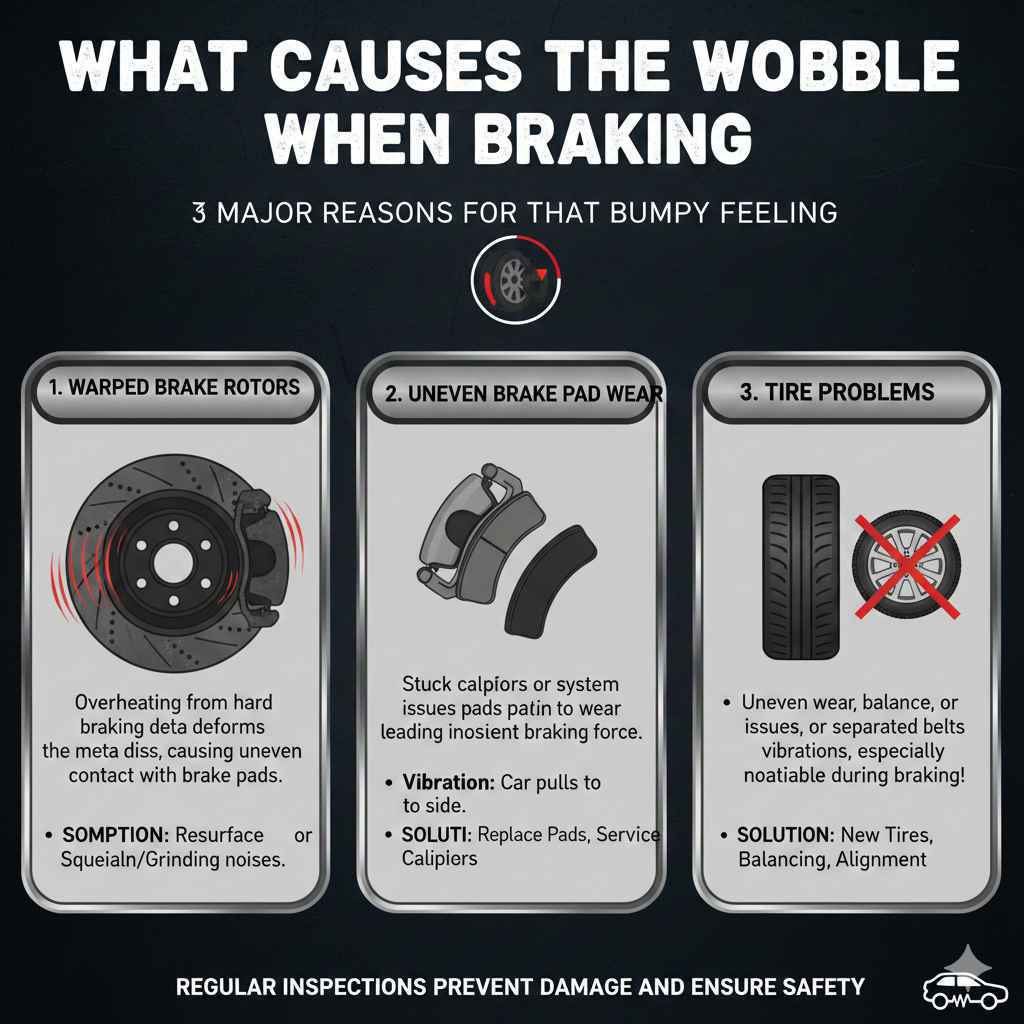
What Causes the Wobble When Braking?
A bumpy feeling when you brake can be pretty unsettling. It’s often a sign that something is wrong with your car’s braking system or its related components. The good news is, in many cases, the problem is relatively simple to fix once you know what to look for. Recognizing the cause can prevent more serious damage and keep you safe on the road. We’ll look at the major players that contribute to this driving problem.
Warped Brake Rotors
One of the most frequent reasons your car feels bumpy when braking is warped brake rotors. The rotors are the metal discs that your brake pads squeeze against to slow your car down. Over time and with use, especially during hard braking or from overheating, these rotors can become uneven. This unevenness causes the brake pads to grip inconsistently, creating a pulsating or bumpy sensation. Imagine the rotor as a record and the brake pads as the needle – if the record isn’t perfectly flat, the needle jumps.
- How Warping Happens: Brake rotors get very hot from friction when braking. Repeated hard stops or driving downhill using your brakes constantly can cause them to overheat. Excessive heat can cause the metal to warp, making the surface uneven.
- Symptoms of Warped Rotors: You’ll usually feel a pulsing sensation in the brake pedal, especially at higher speeds. You might also hear a squealing or grinding noise when you brake.
- Diagnosis: A mechanic can use a dial indicator to measure the rotor’s runout (how much it wobbles). If the runout exceeds the manufacturer’s specifications, the rotors are likely warped.
- Solution: The solution is usually to either resurface the rotors (if they are thick enough) or
Uneven Brake Pad Wear
Brake pads, the parts that press against the rotors to stop your car, wear down over time. If the pads wear unevenly, it can lead to a bumpy feeling when you brake. Uneven wear means that some parts of the pad might be thinner than others. This causes the pad to contact the rotor inconsistently, creating vibrations. This issue is often related to a stuck caliper or a problem with the brake system itself, such as a leak. Regular brake inspections can help catch these problems before they become significant.
- Causes of Uneven Wear: A stuck brake caliper can cause a pad to drag, wearing it down faster than the other pads. Corrosion, dirt, or a lack of lubrication can cause the caliper to stick.
- Symptoms of Uneven Wear: You might feel a vibration or pulsation in the brake pedal, similar to warped rotors. You might also notice a pulling sensation, where the car pulls to one side when you brake.
- Diagnosis: A mechanic can inspect your brake pads and calipers. They will measure the pad thickness and check for signs of sticking or uneven wear. They’ll also check the caliper for any signs of corrosion or damage.
- Solution: If the pads are worn unevenly, they need to be replaced. Additionally, the caliper might need to be cleaned, lubricated, or replaced, depending on the damage.
Problems with Tires
Your tires can play a role in making your car feel bumpy when braking. Issues with your tires can trick you into thinking it’s a brake problem. Things like uneven tire wear, tire balance problems, or even a separated tire belt can all cause vibrations when braking. The tires are the only point of contact between your car and the road. This means that if they aren’t in good shape, or if there is something wrong with them, you’re bound to feel it while you’re driving.
- Uneven Tire Wear: Tires wear down differently depending on driving habits and alignment. Uneven wear causes the tire to have an irregular surface, creating vibrations.
- Tire Balance Issues: An unbalanced tire means that one part of the tire is heavier than another. At higher speeds, this can lead to vibrations, which can be even more noticeable when braking.
- Separated Tire Belts: Tire belts are layers of material within the tire that give it strength. If these separate, it can cause a bulge or unevenness in the tire, leading to vibrations.
- Diagnosis: Have a professional inspect your tires for wear patterns, balance, and any signs of damage. They can use a balancing machine to check for balance issues.
- Solution: Depending on the problem, you might need new tires, a tire balance, or an alignment.
More Issues That Can Make Braking Bumpy
While warped rotors and uneven brake pads are the most common causes, other factors can make your car feel bumpy when braking. These other potential issues aren’t as prevalent, but they can still cause similar symptoms. They include problems with the suspension system, wheel bearings, or even the vehicle’s ABS system. Being aware of these additional possibilities can help you figure out what’s causing the problem. They may require a mechanic’s assessment to resolve.
Suspension System Problems
Your car’s suspension system absorbs shocks from the road, making your ride smoother. If there’s an issue with the suspension, such as a worn-out shock absorber or a damaged control arm, it can make your car feel bumpy when braking. Problems with the suspension can amplify the vibrations. They can also transfer these vibrations to the steering wheel or the brake pedal, making it seem like the brakes themselves are the issue.
- Worn Shocks or Struts: These components dampen the bouncing motion of your car. If they’re worn, they can’t effectively absorb bumps, leading to a bumpy ride.
- Damaged Control Arms: Control arms connect your wheels to the car’s frame. If they’re damaged or have worn bushings, they can cause vibrations and affect handling.
- Loose Suspension Components: Any loose bolts or worn parts in the suspension system can cause a clunking noise or vibration when braking.
- Diagnosis: A mechanic can inspect your suspension components, checking for worn parts, leaks, or damage. They can also perform a “bounce test” to check the shocks or struts.
- Solution: Replacing worn or damaged suspension components is the usual fix.
Wheel Bearing Issues
Wheel bearings allow your wheels to spin freely. They also handle a lot of stress. If a wheel bearing is damaged or worn, it can cause vibrations, especially at higher speeds, and even more when braking. A bad wheel bearing can also create a humming or growling noise that changes with speed. Catching this problem early can help prevent more significant damage. Keeping your wheels rolling smoothly is essential for a safe and comfortable ride.
- Causes of Wheel Bearing Problems: Wheel bearings can wear out over time due to normal use. They can also be damaged by impacts from potholes or other road hazards.
- Symptoms of Bad Bearings: You might hear a humming or growling noise that increases with speed. You might also feel a vibration in the steering wheel or the floorboard.
- Diagnosis: A mechanic can check for play in the wheel bearing by jacking up the car and trying to wiggle the wheel. They can also listen for any unusual noises.
- Solution: Replacing the wheel bearing is usually the fix.
Anti-lock Braking System (ABS) Problems
The Anti-lock Braking System (ABS) is a safety feature that prevents your wheels from locking up during hard braking. If there’s a problem with the ABS system, it can cause a pulsing sensation in the brake pedal, similar to warped rotors. The ABS system might activate unnecessarily or not function correctly. ABS issues are usually indicated by a warning light on the dashboard, making it easier to diagnose the problem. A problem within the ABS can also cause the brakes to feel spongy.
- How ABS Works: ABS uses sensors to monitor the speed of each wheel. If a wheel starts to lock up, the ABS system quickly pumps the brakes to prevent a skid.
- ABS Issues: Problems can include a malfunctioning sensor, a faulty ABS module, or a problem with the hydraulic system.
- Symptoms of ABS Problems: You might feel a pulsing sensation in the brake pedal, or the ABS might activate unnecessarily. A warning light on the dashboard will often illuminate.
- Diagnosis: A mechanic can use a diagnostic tool to check the ABS system for any fault codes. They can also inspect the sensors and other components.
- Solution: The solution will depend on the issue. It might involve replacing a sensor, fixing a wiring problem, or replacing the ABS module.
How to Figure Out the Root of the Bumpy Brakes
You can do some things to try to figure out what’s causing the problem with your brakes. Knowing how to troubleshoot can give you a good head start before heading to a mechanic. Start by carefully assessing the symptoms. This can help you narrow down the list of possible problems. The process includes some straightforward steps to help pinpoint the issue. Don’t worry, you don’t need to be a car expert to do this.
Listen for Sounds
Pay close attention to any sounds your car makes. Noises can give clues about what might be going wrong. Things like squealing, grinding, or humming sounds often point to specific issues. These sounds, when combined with other symptoms, can help you find out what’s wrong with your brakes. Knowing what to listen for can help you identify a potential problem.
- Squealing: This is often a sign of worn brake pads. It might be due to the wear indicator rubbing against the rotor or the pads being worn down completely.
- Grinding: This typically means that your brake pads are completely worn, and the metal backing plate is rubbing against the rotor. This can cause damage to the rotors.
- Humming or Growling: This sound might indicate a problem with the wheel bearings. It often changes with speed and can become more noticeable when braking.
Feel the Vibration
The type of vibration is important. Pay attention to where you feel the bumps, such as the steering wheel or brake pedal. The intensity of the vibration can also provide clues. By carefully noting how your car behaves when you brake, you can start to narrow down the issue. Your observations about the car’s behavior are helpful.
- Pulsating Brake Pedal: This usually suggests warped brake rotors. You’ll feel a rhythmic pulsing as you press the pedal.
- Vibration in the Steering Wheel: This might point to problems with the front brakes, suspension, or tires.
- Vibration in the Floorboard: This could be related to the rear brakes, the suspension, or wheel bearings.
Check at Different Speeds
Test your brakes at varying speeds. If the bumps are worse at higher speeds, it might mean the rotors are warped. Problems that show up at slower speeds may be related to tire issues or the suspension. Knowing how the symptoms change with speed can help isolate the problem. Speed and the condition of the road affect how your car responds when braking.
- Bumpy at All Speeds: This could suggest uneven brake pad wear or problems with the suspension.
- Worse at Higher Speeds: This is often a sign of warped rotors or tire balance problems.
- Noticeable at Low Speeds: This could be related to tire issues, suspension problems, or even a sticking brake caliper.
Maintaining Your Car’s Brakes to Prevent Issues
Taking good care of your car’s brakes can prevent many of the issues discussed earlier. A routine brake maintenance plan will increase your safety and help you avoid costly repairs down the road. This plan will involve regular inspections and promptly addressing any problems as they arise. Consider it as a vital part of your car’s upkeep.
Regular Brake Inspections
Brake inspections are key to keeping your brakes in good shape. A certified mechanic can check the condition of your brake pads, rotors, and other components. Regular inspections allow you to address issues early on. Catching small problems before they turn into bigger ones will save you time and money. Inspections are an important part of your car’s upkeep.
- What to Expect: During an inspection, the mechanic will measure the thickness of your brake pads. They will also inspect the rotors for any signs of warping or damage.
- Frequency: Brake inspections are typically recommended every 12 months or every 10,000 to 15,000 miles. However, you should check your car’s maintenance schedule.
- Benefits: Regular inspections help identify any potential problems, like worn brake pads or damaged rotors. They also help prevent more costly repairs down the road.
Using Proper Braking Practices
The way you brake has a huge effect on how long your brakes last. The better your braking habits, the longer your brakes will last. Avoiding hard braking and using engine braking can prevent your rotors from getting too hot and warping. Knowing what braking habits to use can help you keep your car safe and well-maintained.
- Avoid Harsh Braking: Try to avoid slamming on your brakes. Make sure to anticipate stops and brake smoothly.
- Use Engine Braking: When going downhill, use engine braking by downshifting. This can reduce the stress on your brakes.
- Coast to a Stop: Coasting up to a stoplight or stop sign can reduce the wear on your brakes.
Getting Professional Help
If you’re not sure what’s causing the problem with your brakes, it’s always best to get professional help. A qualified mechanic can diagnose the issue accurately and recommend the correct solutions. They have the experience and tools to address any braking problem. Remember, your safety is important.
- Choosing a Mechanic: Look for a mechanic with good reviews and certifications. Ask for recommendations from people you know.
- What to Tell Your Mechanic: Tell the mechanic about the symptoms you’ve experienced. Make sure to note when you feel the vibrations or hear any noises.
- Trusting the Process: Once you’ve chosen a mechanic, trust their expertise. They will be able to perform the necessary tests and repairs to get your brakes back in good shape.
| Component | Potential Problem | Symptoms |
|---|---|---|
| Brake Rotors | Warping | Pulsing in the brake pedal, vibration at higher speeds |
| Brake Pads | Uneven wear | Vibration in the brake pedal, pulling to one side |
| Tires | Uneven wear, balance issues, belt separation | Vibration, shaking, pulling |
| Suspension | Worn shocks/struts, damaged control arms | Bumpy ride, vibration when braking |
| Wheel Bearings | Wear/Damage | Humming/growling noise, vibration in steering wheel |
| ABS | Sensor or Module Failure | Pulsing in the brake pedal, ABS activating unnecessarily |
Here are some examples of what might happen when braking:
- Scenario 1: You’re driving on the highway and press the brakes. You feel a pulsating sensation in the brake pedal, and the steering wheel shakes. This points to warped brake rotors or problems with the front brakes.
- Scenario 2: You slow down for a stop sign. You hear a squealing noise, and you notice your car takes longer to stop than usual. This is a common sign of worn brake pads that need to be replaced.
- Scenario 3: You’re driving at 30 mph on a city street and experience a vibration in the steering wheel when braking. This might be due to a problem with your tires or a brake-related problem.
Frequently Asked Questions
Question: How often should I replace my brake pads?
Answer: Brake pad replacement varies depending on your driving habits, the type of pads you have, and your car’s make and model. You should replace your pads when they are worn down to a minimum thickness, usually determined during a brake inspection.
Question: Can I drive with warped rotors?
Answer: It’s possible to drive with warped rotors, but it’s not recommended. Warped rotors can make braking less effective and can damage other parts of your braking system. It’s best to have them repaired or replaced as soon as possible.
Question: What’s the difference between rotors and drums?
Answer: Rotors are used in disc brake systems, which are found on the front wheels of most modern cars and sometimes on the rear wheels. Drums are part of drum brake systems, often used on the rear wheels. Rotors offer better stopping power and heat dissipation.
Question: Are there any sounds I should listen for?
Answer: Pay close attention to any sounds your car makes when you brake. Sounds such as squealing, grinding, or humming can give you important clues about the condition of your brakes.
Question: Can I fix the brakes myself?
Answer: Some minor brake work, such as replacing brake pads, might be doable for people with some mechanical experience. However, more complex jobs, like replacing rotors or calipers, should be done by a qualified mechanic.
Final Thoughts
Figuring out Why Is My Car Bumpy When I Brake? involves looking at some possible causes. We’ve explored common problems, such as warped rotors or uneven brake pad wear. You’ve also learned about other things, like tire and suspension issues, that can cause similar symptoms. Knowing the most likely reasons helps you narrow down where the issue might be. Remember to take careful notes, listen closely for sounds, and pay attention to how your car feels as you drive. If you’re not comfortable working on your brakes, don’t hesitate to seek the help of a professional mechanic.
Proper brake maintenance and careful driving habits are key to keeping your car safe and smooth on the road. Drive safely, and keep an eye on your car’s brake system to ensure safe travels!