Why is My Car Humid Inside: Causes, Fixes & Prevention Tips
Have you ever stepped into your car and felt an uncomfortable dampness, like the air inside is thick and heavy? That sticky, humid feeling can be more than just annoying—it can affect your comfort, your health, and even your car’s interior.
You might be wondering, “Why is my car humid inside? ” Understanding the reasons behind this problem is the first step to fixing it. You’ll discover the common causes of humidity inside your car and simple solutions to keep the air fresh and dry every time you drive.
Keep reading—you’ll be surprised how easy it is to breathe easier in your own car.
Common Causes Of Interior Humidity
Interior humidity in a car causes discomfort and can lead to damage. Understanding common causes helps fix the problem fast. Moisture collects inside for several reasons. Some are easy to spot. Others need more attention.
Leaky Windows And Doors
Water can enter through small leaks in windows or doors. Worn seals or cracked glass allow rain or moisture inside. These leaks raise humidity and cause damp spots. Check seals regularly and replace damaged parts.
Blocked Air Vents
Air vents move moisture out of the car. Blocked vents stop this process. Dust, leaves, or debris can clog vents. This traps humid air inside the cabin. Clean vents to keep air flowing well.
Wet Carpets And Upholstery
Spilled drinks or rainwater make carpets and seats wet. Damp fabrics hold moisture and increase humidity. Mold can grow if wet areas stay long. Dry wet spots quickly to prevent problems.
Condensation From Temperature Changes
Cold outside air meets warm inside air, causing condensation. Moisture forms on windows and surfaces. This happens often in winter or rainy days. Use defoggers and keep air circulating to reduce buildup.
Faulty Heater Core
The heater core warms the car and removes moisture. If it leaks, coolant can mix with air inside. This causes dampness and a sweet smell. A broken heater core needs quick repair to stop humidity.

Signs Of Excess Moisture In Your Car
Excess moisture inside your car causes many problems. It affects comfort and safety. Spotting signs early helps fix the issue fast. Knowing what to watch for protects your car’s interior and parts.
Here are common signs that show too much moisture is inside your car.
Foggy Windows
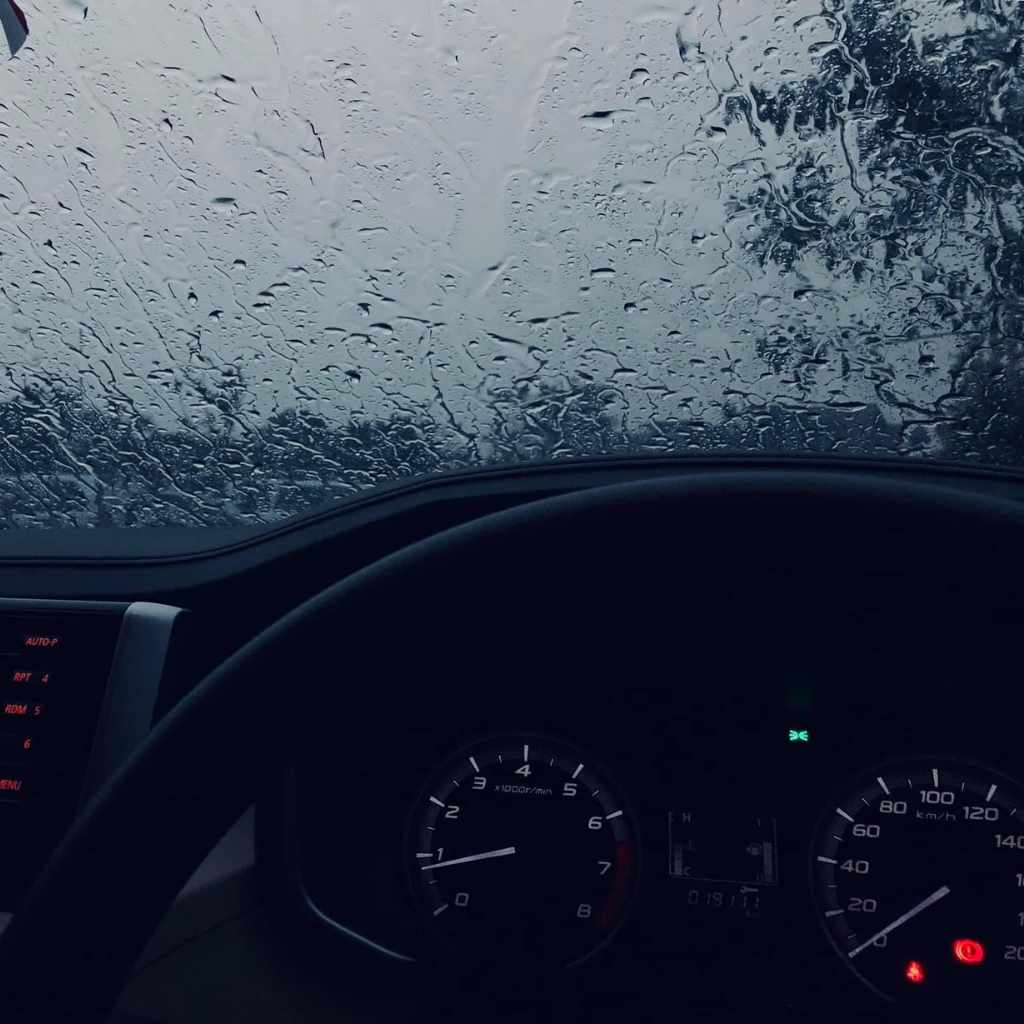
Windows fog up easily when moisture is high. This happens because warm air meets cold glass. Fog blocks your view and can be dangerous while driving. Frequent foggy windows mean moisture needs attention.
Musty Smell
A bad, damp smell inside signals excess moisture. It often comes from mold or mildew growing in wet areas. This smell stays even after airing out the car. Musty odors warn you about hidden moisture problems.
Water Puddles Inside
Finding water puddles on the floor is a clear sign. Water can enter through leaks or clogged drains. Puddles damage carpets and promote mold growth. Check for wet spots regularly to catch moisture early.
Corroded Metal Parts
Metal parts inside the car may rust or corrode. Moisture speeds up this damage process. Rust weakens important parts and causes expensive repairs. Look under seats and panels for signs of corrosion.
Quick Fixes To Reduce Humidity
Humidity inside a car can cause discomfort and damage. Quick fixes help reduce moisture fast. These simple steps improve air quality and protect your vehicle. Keep your car dry and fresh with easy methods.
Use A Dehumidifier Or Moisture Absorber
Place a small dehumidifier or moisture absorber in the car. They draw out extra moisture from the air. These devices are affordable and easy to use. Replace or recharge them regularly for best results. This prevents foggy windows and damp smells.
Ventilate The Car Regularly
Open windows or doors to let fresh air in. Ventilation helps moisture escape quickly. Run the air conditioner or heater to circulate air. Avoid keeping the car sealed for long periods. Fresh air reduces humidity and keeps the interior dry.
Dry Wet Areas Thoroughly
Check the seats, floor mats, and carpets for wet spots. Use a towel to soak up water immediately. Leave windows open to speed up drying. Damp areas breed mold and bad odors. Dry surfaces stop moisture from building up inside.
Check And Repair Leaks
Look for leaks around windows, doors, and sunroofs. Water can enter through damaged seals or cracks. Fix leaks quickly to prevent water from pooling inside. Use weather stripping or sealant if needed. Keeping leaks sealed lowers humidity and protects your car.
Long-term Solutions For Moisture Control
Keeping your car dry inside is important for comfort and safety. Moisture can cause bad smells and damage the interior. Long-term solutions help stop moisture from building up and keep the air fresh. Small fixes now prevent bigger problems later. Here are some effective ways to control moisture in your car.
Seal Door And Window Gaskets
Door and window gaskets block water from entering your car. Over time, these seals can crack or wear out. Check them regularly for damage or gaps. Replace any broken gaskets to keep water outside. Proper sealing stops rain and moisture from getting inside.
Replace Damaged Weatherstripping
Weatherstripping surrounds doors and windows to keep air and moisture out. If it is torn or loose, moisture can enter easily. Inspect weatherstripping and replace damaged parts quickly. New weatherstripping improves the car’s insulation and blocks humidity. This simple step reduces inside dampness effectively.
Maintain The Air Conditioning System
The air conditioning system helps remove moisture from the air inside your car. A well-maintained system works better to keep humidity low. Clean the AC filters and check for leaks often. If the AC is not working well, moisture can build up inside the cabin. Regular service keeps the air dry and comfortable.
Install Cabin Air Filters
Cabin air filters clean the air entering your car. They trap dust, pollen, and moisture particles. Installing high-quality filters reduces humidity and improves air quality. Replace cabin filters every year or as recommended. Fresh filters help keep the inside dry and healthy.
Preventive Measures To Avoid Humidity Issues
Humidity inside a car can cause discomfort and damage. Taking steps to prevent moisture build-up keeps the interior fresh and dry. Simple habits can reduce humidity and protect your vehicle.
Park In Covered Or Dry Areas
Parking under a roof or in a garage helps keep your car dry. Avoid parking on wet grass or dirt after rain. Covered areas reduce exposure to rain and dew. This limits moisture entering your car.
Avoid Leaving Wet Items Inside
Wet clothes, towels, or umbrellas add moisture inside the car. Remove these items quickly after use. Drying them outside prevents extra humidity buildup. This small action keeps the air inside fresh.
Regular Interior Cleaning And Drying
Clean the car interior often to remove dirt and moisture. Wipe surfaces with a dry cloth after cleaning. Leave windows open briefly on dry days to air out the car. Regular care stops mold and odors from forming.
Use Sunshades To Control Temperature
Sunshades reduce heat inside the car on sunny days. Cooler air holds less moisture, lowering humidity. Using sunshades protects the dashboard and seats too. This helps keep your car comfortable and dry.
Frequently Asked Questions
Why Is My Car Humid Inside During Winter?
Cold air holds less moisture, causing condensation inside your car. Warm breath and wet clothes add humidity. Poor ventilation traps moisture, making the interior feel damp and humid in winter.
How Does A Clogged Ac Cause Car Humidity?
A clogged AC drain blocks water removal from the system. This causes moisture buildup inside the car. The trapped water increases humidity and fogs windows, reducing comfort and visibility.
Can Wet Carpets Cause Car Interior Humidity?
Yes, wet carpets hold moisture and increase humidity inside your car. Water from rain, snow, or spills seeps into carpets. If not dried quickly, it causes dampness and a humid environment.
Does A Faulty Door Seal Increase Car Humidity?
Yes, damaged or worn door seals let rain and moisture inside. This allows water to enter and raises interior humidity. Properly sealed doors are essential to keep moisture out.
Conclusion
A humid car can cause discomfort and damage over time. Moisture inside comes from leaks, wet items, or blocked vents. Keep windows closed during rain and dry your car often. Use air conditioning or a dehumidifier to reduce moisture. Regular checks help spot problems early and keep your car fresh.
Small steps make a big difference in preventing dampness. Stay aware and protect your car’s interior for a better drive.