Arctic Air Cooler for Car: Does It Work? Real Fixes for a Hot Car
An Arctic Air evaporative cooler will not cool your car down. These personal “swamp coolers” only work when dry outside air can carry the moisture they release away from you — something a sealed car cabin cannot do. Below is why the popular As-Seen-On-TV cooler falls flat in a vehicle, plus the fixes that actually lower the temperature inside a hot car.
Does the Arctic Air Cooler Actually Work in a Car?
STOPS THE HEAT BEFORE IT STARTS
 |
Ontel Brella Shield by Arctic Air Windshield Sun Shade – $13.88 Unlike the Arctic Air evaporative cooler, this Arctic Air product genuinely reduces cabin heat buildup by blocking sunlight before it ever reaches your dashboard.
|
Short answer: no, not well. The Arctic Air personal cooler is an evaporative cooler (also called a “swamp cooler”) — it pulls warm air through a water-soaked filter and blows out air that’s cooled a few degrees by evaporation. That process needs constant, low-humidity airflow to keep working. A parked or moving car is the opposite environment: it’s a small, mostly sealed box that traps the humid air the cooler produces instead of carrying it away. Reviewers consistently describe the device as, at best, a slightly cooler personal fan, and most manufacturers design and market it for stationary use in a bedroom, office, or garage — not a vehicle.
What Is the Arctic Air Cooler, and How Is It Supposed to Work?
Arctic Air is a line of compact evaporative coolers sold by Ontel (the same company behind other As-Seen-On-TV gadgets), marketed under names like Pure Chill, Ultra, Ice Jet, ChillZone, and Pocket Chill. Each one works the same basic way: fill a small reservoir with water and ice, and a fan pulls air across a wet filter pad. As the water evaporates off the pad, it absorbs heat from the surrounding air, so the air coming out the front is a few degrees cooler and slightly damper than the room around it.
That’s a real physical effect — it’s the same principle behind a swamp cooler or a wet towel in front of a fan — but it’s a modest one. It cools a small, direct stream of air a few degrees, not an entire room (or car) the way a compressor-based air conditioner does.
Why Evaporative Coolers Struggle Inside a Sealed Car Cabin
Evaporative cooling only works well when the surrounding air is dry enough to keep absorbing moisture — generally under about 60% relative humidity. A car cabin works against that in a few specific ways:
- No way for the humid air to escape. An evaporative cooler needs fresh, dry air flowing in and humid air flowing out. A car with the windows up traps that moisture instead, so the humidity inside climbs and the cooling effect fades within minutes.
- Passenger moisture adds to the problem. Body heat and breathing already raise humidity in a closed cabin, which is exactly the condition evaporative cooling struggles with most.
- It only cools a small, direct stream of air. Even in ideal conditions, these units are built to cool the air blowing directly on one person’s face at a desk, not to bring down the temperature of an entire vehicle interior baking in direct sun.
- The water reservoir is small and needs refilling. Most models hold well under a liter of water, which isn’t practical to manage while driving or parked with the engine off.
None of this means the device is faulty — it’s simply built for a dry room, not a moving vehicle. If you’re set on trying one anyway, some models can run off a USB power bank or a car’s 12V-to-USB adapter, but expect it to behave like a slightly-cooler desk fan rather than a substitute for your car’s air conditioning.
What Actually Cools a Hot Car Down
Fix Weak AC With a Recharge Kit
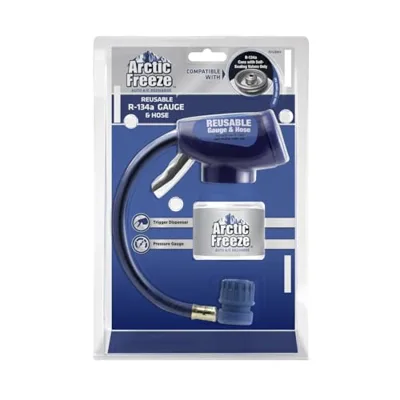
If your car’s factory air conditioning is blowing warm or lukewarm air, an evaporative cooler won’t fix the underlying problem — low refrigerant usually will. A DIY recharge kit like the A/C Pro Arctic Freeze (a completely different “Arctic” product from the Arctic Air personal cooler, despite the similar name) connects to your AC’s low-side port and tops off the R-134a refrigerant your system has likely lost over time through normal seal permeation. It won’t fix a leak, a bad compressor, or a failed clutch, but if your AC used to blow cold and has gradually gotten weaker, this is usually the first and cheapest thing worth trying — see our full breakdown of why your car AC might not be cooling for the other likely causes.
Add a Clip-On 12V Fan for Extra Airflow
Moving air alone makes a hot cabin feel noticeably more bearable, even without any cooling effect at all — it’s the same reason a ceiling fan feels good on a warm day. A small 12V fan that clips to a vent, visor, or armrest and plugs into the cigarette lighter or a 12V socket gives you that extra airflow for backseat passengers, pets, or a windshield that’s slow to defog, without drawing much power or needing any water refills.
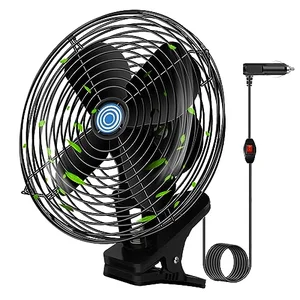
If you’d rather have real compressor-based cooling instead of just airflow, a dedicated 12V window-mount or portable car air conditioner is a closer match to what people picture when they search for an “Arctic Air cooler for car” — see our comparison of portable air conditioners for cars for how those units differ from a simple evaporative fan.
Block the Heat Before It Builds Up With a Sunshade
The cheapest and most effective fix is often preventing the heat from building up in the first place. A reflective windshield sunshade — like the Arctic Air-brand Brella Shield featured above — blocks solar radiation from hitting your dashboard and seats while the car is parked, so the cabin starts noticeably cooler when you get back in. Pairing a sunshade with cracking two opposite windows lets any residual hot air vent out while you’re parked, which does more for cabin temperature than any personal evaporative cooler will.
Quick Comparison: Sunshade vs. Fan vs. AC Recharge
| Fix | What It Actually Does | Best For | Typical Cost |
|---|---|---|---|
| Windshield sunshade | Blocks solar heat buildup before you get in | Cars parked outside in direct sun | Under $15 |
| Clip-on 12V fan | Adds airflow, makes heat feel more bearable | Backseat passengers, pets, slow defrosting | $15–$25 |
| AC recharge kit | Restores lost refrigerant so AC blows cold again | AC that used to work but has gotten weak | $20–$25 |
| Arctic Air evaporative cooler | Cools a small stream of air a few degrees, needs dry ventilated air | A desk or bedroom, not a sealed car | $20–$40 |
Frequently Asked Questions
Does the Arctic Air Cooler Work in a Car?
Not well. It’s an evaporative cooler that needs dry, moving air to keep working, and a car’s sealed cabin traps the humid air it produces instead of letting it escape. Most users find it behaves like a slightly cooler personal fan at best, not a real air conditioner replacement.
Can You Plug an Arctic Air Cooler Into a Car?
Physically, yes — many models run on USB power, so you can plug one into a car’s USB port or a 12V-to-USB adapter. It just won’t cool the cabin the way it might a small, dry room, since a car doesn’t let the humid exhaust air vent away the way an open room does.
Is the Arctic Air Cooler Worth Buying?
It depends on what you expect from it. As a small desk or bedside fan with a slight cooling boost in a dry climate, many owners are satisfied. As a fix for a hot car, it’s not the right tool — a sunshade, a clip-on fan, or an AC recharge kit will do more for your vehicle.
How Can You Cool Down a Car Without AC?
Use a windshield sunshade to stop heat from building up while parked, crack two opposite windows to vent trapped hot air, and add a clip-on 12V fan for extra airflow once you’re driving. Combined, these do more than an evaporative cooler alone.
Why Is Car AC Not Blowing Cold Air?
The most common cause is low refrigerant from a slow leak or normal seal permeation over time, which a recharge kit can often fix. Other causes include a failing compressor, a bad compressor clutch, or a clogged condenser — see our guide on why your car AC isn’t cooling for how to tell them apart.
What Is the Best Fix for a Hot Car?
Prevention beats cooling after the fact. A reflective sunshade keeps the cabin from heating up in the first place, which does more good than trying to cool it back down once it’s already baked in the sun for hours.
Conclusion
An Arctic Air evaporative cooler is a decent small desk fan, but it isn’t built for a sealed, humid car cabin, so don’t expect it to replace your air conditioning. For a hot car, a windshield sunshade to block heat buildup, a clip-on 12V fan for extra airflow, and an AC recharge kit if your compressor is losing refrigerant will each do more than an evaporative cooler ever will.
Products related to this article
Sponsored / affiliate links. As an Amazon Associate I earn from qualifying purchases. I may earn additional commission from eligible campaigns.