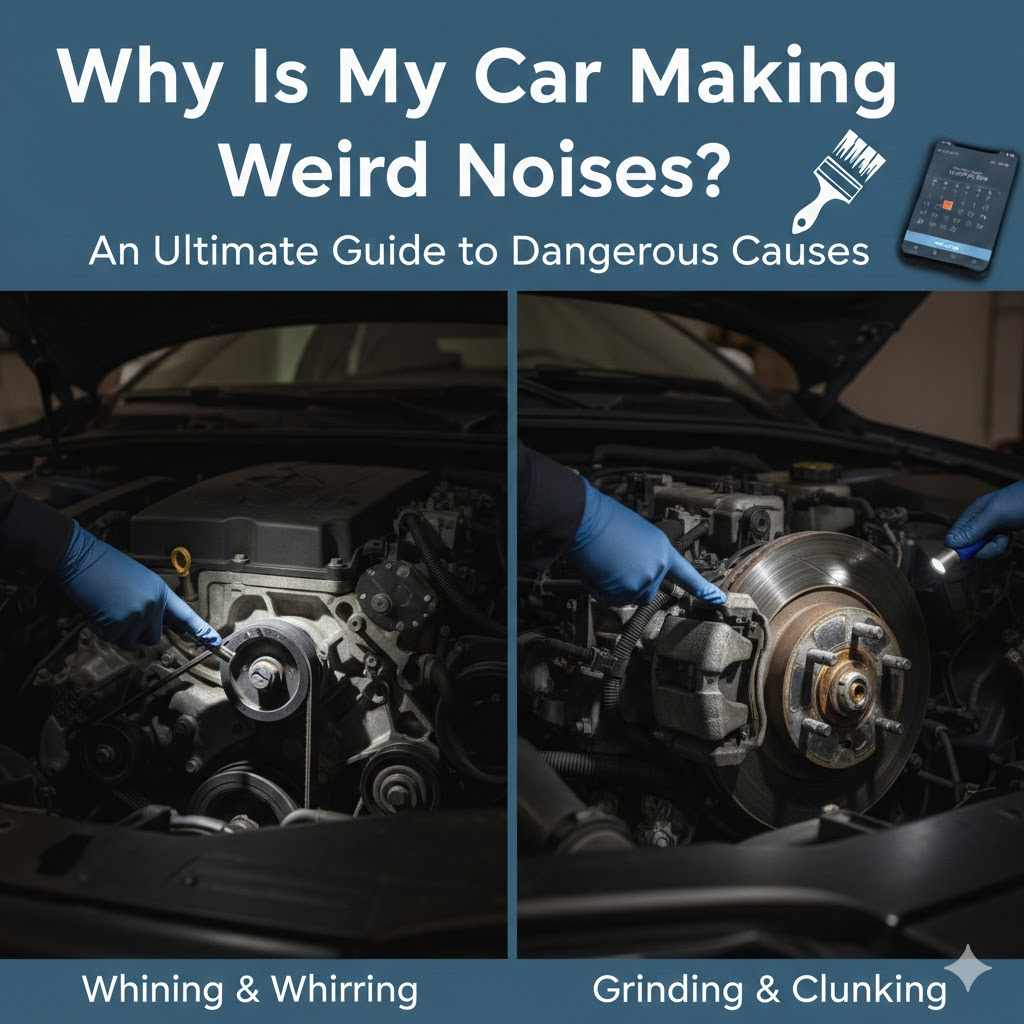
Why Is My Car Making Weird Noises: Ultimate Dangerous Causes
Your car may be making weird noises due to dangerous issues like failing brakes, a damaged suspension, a leaking exhaust, or critically low engine oil. These sounds are warning signs you should not ignore. Grinding, clunking, or hissing often signals a problem that needs immediate attention from a mechanic to ensure your safety on the road.
Hearing a strange new sound from your car can be scary. Is it something simple, or is it a sign of a serious problem? I’m Md Meraj, and I’m here to help you understand what those noises mean. Cars often talk to us through sounds, and learning their language can keep you safe and save you money.
You don’t need to be a mechanic to figure out what’s wrong. This guide is made for everyone. We will walk through the most common and dangerous car noises together. I will explain them in simple terms. You will learn to spot the sounds that mean “Stop driving now!” and the ones that mean “See a mechanic soon.” Let’s decode those weird noises and give you the confidence to take action.
Understanding Why Car Noises Are Important Warning Signs
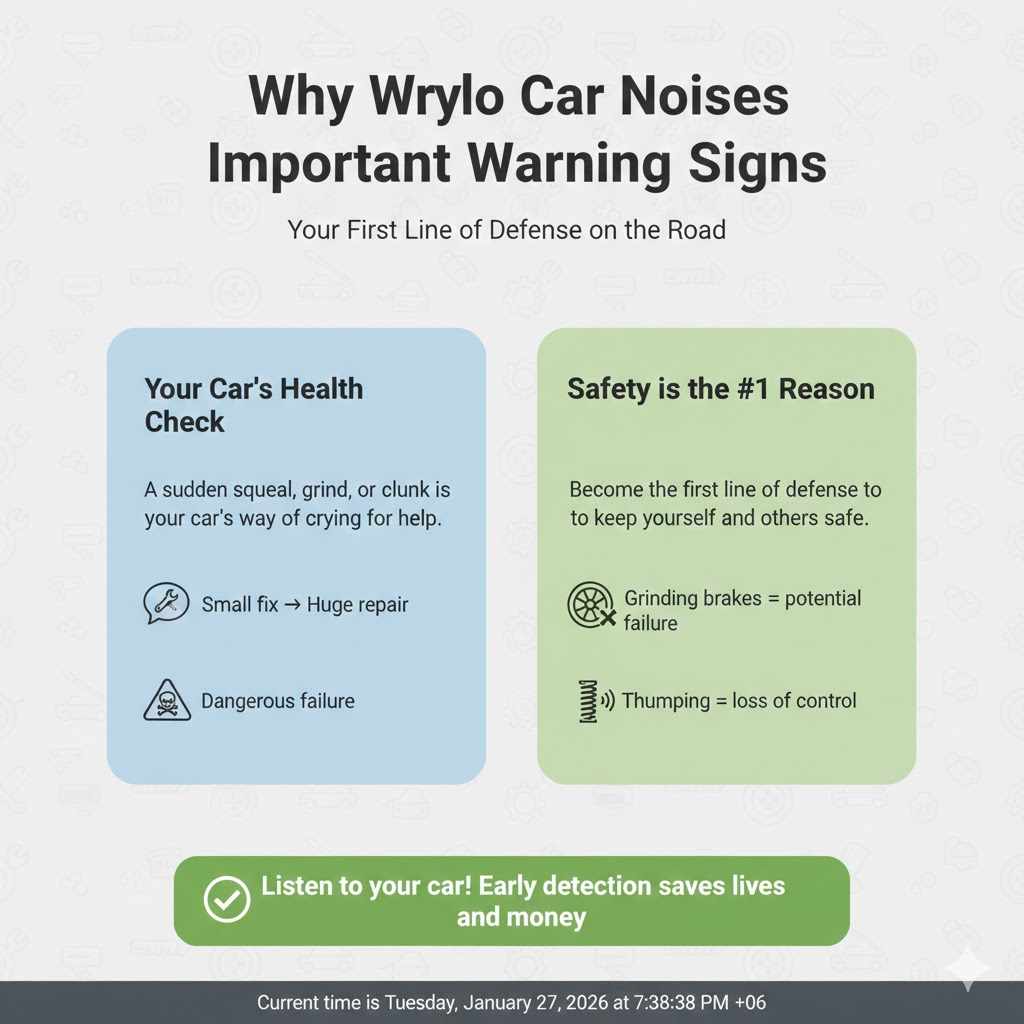
Think of your car’s noises as a health check. A smooth, quiet ride means everything is likely working well. But a sudden squeal, grind, or clunk is your car’s way of crying for help. Ignoring these sounds can turn a small, affordable fix into a massive, expensive repair. More importantly, it can lead to a dangerous failure while you are driving.
Safety is the number one reason to pay attention to car noises. A grinding sound could be your brakes about to fail. A thumping noise might be a suspension part that’s close to breaking, which could cause you to lose control of your car. By listening carefully, you become the first line of defense in keeping yourself and others safe on the road.
The Most Dangerous Car Noises and What They Mean
Let’s break down the most critical sounds your car can make. We’ll explore what each noise sounds like, its likely cause, and exactly what you should do about it. Remember, when in doubt, it is always safest to pull over and call for professional help.
1. High-Pitched Squealing or Screeching
A loud, sharp squeal is a noise that’s impossible to ignore. It often happens when you use the brakes, but it can also come from under the hood.
When You Brake: Worn Brake Pads
What it sounds like: A piercing, high-pitched screeching sound that starts or stops when you press the brake pedal.
What it means: Most brake pads have a small piece of metal called a “wear indicator.” When your brake pads get too thin, this metal tab rubs against the rotor (the shiny metal disc in your wheel) and makes that awful squealing noise. It’s a built-in safety feature designed to warn you.
Why it’s dangerous: This is your final warning before your brakes start to fail. If you ignore it, the pads will wear down completely. Soon, the squealing will turn into a much more dangerous grinding sound, which means you are losing stopping power.
What to do: Don’t wait. Schedule an appointment with a mechanic to have your brake pads replaced. This is a common and relatively inexpensive repair if you catch it early.
When You Accelerate: A Slipping Serpentine Belt
What it sounds like: A sharp squeal from the engine bay that gets louder when you press the gas pedal or turn on the air conditioning.
What it means: The serpentine belt is a long rubber belt that powers many important parts of your engine, including the alternator (which charges your battery), the power steering pump, and the water pump (which cools your engine). A squealing sound usually means the belt is old, cracked, or loose.
Why it’s dangerous: If the serpentine belt breaks, you will instantly lose power steering, making the car extremely difficult to turn. Your battery will also stop charging, and your engine will start to overheat. This can leave you stranded and cause severe engine damage.
What to do: Get your car to a mechanic soon. Replacing a serpentine belt is a standard maintenance job. Your mechanic will also check the belt tensioner and pulleys, which can also cause this noise.
2. Grinding or Scraping
A grinding sound is one of the most serious noises your car can make. It almost always signals that two pieces of metal are rubbing together, which should never happen.
When Braking: Metal-on-Metal Contact
What it sounds like: A low-pitched, harsh grinding or growling noise when you apply the brakes. You might also feel a vibration in the brake pedal.
What it means: You have worn completely through your brake pads. The metal backing plate of the brake pad is now grinding directly against the metal rotor. This is stage two after the squealing warning.
Why it’s dangerous: This is a critical safety issue. Your car’s ability to stop is severely reduced. The intense heat from the friction can cause your brake fluid to boil, leading to total brake failure. You are also destroying your brake rotors and calipers, turning a simple brake job into a very expensive one.
What to do: STOP DRIVING THE CAR IMMEDIATELY. Pull over to a safe location and have your car towed to a repair shop. Do not try to “limp” it home. The risk of brake failure is too high.
When Turning: Bad Wheel Bearing
What it sounds like: A grinding, scraping, or humming noise that gets louder as you speed up and may change or disappear when you turn. For example, if the noise gets worse when turning left, the problem is likely with a right-side wheel bearing.
What it means: A wheel bearing is a set of steel balls that help your wheel spin with little friction. When it wears out, the metal inside starts to grind. You can find more details on wheel bearing functions from the U.S. Department of Energy.
Why it’s dangerous: A failing wheel bearing can create excessive heat and friction. In a worst-case scenario, the bearing can seize up completely, causing the wheel to lock up while you are driving. This can lead to a complete loss of control.
What to do: See a mechanic as soon as possible. Driving with a bad wheel bearing is a gamble you don’t want to take.
3. Clunking or Thumping
Clunking, knocking, or thumping noises often point to a problem with your car’s suspension system or something heavy that has come loose.
When Going Over Bumps: Worn Suspension Parts
What it sounds like: A dull thud or a sharp clunk when you drive over bumps, potholes, or uneven roads.
What it means: Your suspension system is a complex network of parts like shocks, struts, ball joints, and control arms. They absorb bumps and keep your tires on the road. A clunking noise means one of these parts is loose or worn out.
Why it’s dangerous: A failing suspension component can affect your steering and handling. A broken ball joint, for example, can cause the wheel to partially detach from the car, leading to an immediate loss of control.
What to do: Have your suspension inspected by a qualified mechanic. Don’t ignore this noise, as suspension failures can happen without much additional warning.
Car Noise Diagnostic Quick-Reference Table
Here is a simple table to help you quickly identify a noise and its potential severity.
| Noise | When It Happens | Possible Dangerous Cause | Urgency Level |
|---|---|---|---|
| High-Pitched Squeal | When braking | Worn Brake Pads | High – See mechanic soon |
| Harsh Grinding | When braking | Complete Brake Pad Failure | Critical – Stop driving immediately |
| Clunking / Thumping | Over bumps | Failing Suspension (Ball Joint, Strut) | High – Inspect immediately |
| Hissing | Engine is running / hot | Coolant or Vacuum Leak | High – Pull over if overheating |
| Loud Roaring | While accelerating | Exhaust Leak | High – Risk of carbon monoxide |
| Ticking / Clicking | From the engine | Low Engine Oil / Valve Issue | Critical – Check oil now |
| Popping / Backfiring | From exhaust or engine | Engine Misfire | High – Can damage engine/catalytic converter |
4. Hissing or Sizzling
Hissing sounds usually mean something is leaking, and it could be a fluid or air.
Under the Hood When Hot: Coolant Leak
What it sounds like: A hissing sound coming from the engine bay, especially after you’ve been driving for a while. You might also smell something sweet, which is the scent of antifreeze.
What it means: A hose or the radiator is leaking hot coolant, which turns to steam when it hits hot engine parts. You will likely see your temperature gauge start to rise.
Why it’s dangerous: An engine that overheats can suffer catastrophic damage, including warped cylinder heads or a cracked engine block. These are among the most expensive repairs a car can need. If the engine gets hot enough, it can seize and stop working altogether, leaving you stranded.
What to do:
- Pay close attention to your temperature gauge. If it enters the red zone, pull over immediately to a safe spot.
- Turn off the engine. Do not continue driving.
- Open the hood to let the heat escape, but DO NOT open the radiator cap. The system is under extreme pressure, and you could be severely burned.
- Wait for the engine to cool down completely before checking coolant levels. Call for a tow truck.
5. Ticking or Clicking
A rhythmic ticking noise can be harmless, but it can also be a sign of a very serious engine problem.
From the Engine: Low Engine Oil
What it sounds like: A ticking or tapping sound coming from the top of the engine that gets faster as you increase the engine’s RPMs.
What it means: This sound is often caused by the “valvetrain”—the parts that open and close the valves to let air and fuel in and exhaust out. These parts need a constant supply of oil to stay lubricated. A ticking noise can mean you are dangerously low on oil, or the oil pump is failing.
Why it’s dangerous: Oil is the lifeblood of your engine. Without proper lubrication, metal parts will grind against each other, creating intense friction and heat. This will quickly lead to complete and irreversible engine failure, requiring a full engine replacement.
What to do:
- Pull over as soon as it is safe and turn off the engine.
- Wait a few minutes for the oil to settle, then check your oil level using the dipstick.
- If the oil is low, add the correct type of oil for your car. If you don’t have any, do not drive the car. Call for roadside assistance.
- If the oil level is fine, the problem could be a failing oil pump or a blockage. The car should be towed to a mechanic.
6. Roaring or Rumbling
A loud roaring sound that seems out of place is often related to your exhaust system or a failing bearing.
From Under the Car: Exhaust Leak
What it sounds like: A loud rumbling or roaring noise, like a souped-up race car, that gets much louder when you accelerate.
What it means: There is a crack or hole in your exhaust system (like the muffler or exhaust pipe). This allows hot exhaust gases to escape before they have been quieted by the muffler.
Why it’s dangerous: This is more than just a noisy annoyance. The most significant danger is carbon monoxide (CO) poisoning. Carbon monoxide is a colorless, odorless gas present in exhaust fumes. A leak in the exhaust system can allow this deadly gas to seep into the passenger cabin. The National Highway Traffic Safety Administration (NHTSA) warns that exposure can cause headaches, dizziness, and even death.
What to do: Get your exhaust system inspected and repaired right away. Drive with the windows partially open to help ventilate the cabin until you can get to a shop.
7. Popping or Backfiring
A loud bang or pop from your engine or exhaust is a clear sign that something is wrong with the combustion process.
What it sounds like: A loud bang, pop, or gunshot-like sound coming from the tailpipe or engine bay. It can happen during acceleration or deceleration.
What it means: This noise means that unburned fuel is igniting outside of the engine’s combustion chamber. This can be caused by a bad spark plug, a clogged fuel filter, or a problem with the catalytic converter.
Why it’s dangerous: A backfire can cause serious damage. The uncontrolled explosion can damage your exhaust system and, more importantly, your catalytic converter. A replacement catalytic converter can be very expensive. In severe cases, it can also signal an engine timing issue that could lead to major internal engine damage.
What to do: This problem won’t fix itself. See a mechanic to diagnose the cause. Continuing to drive can lead to much more expensive repairs.
What To Do When You Hear a Weird Noise
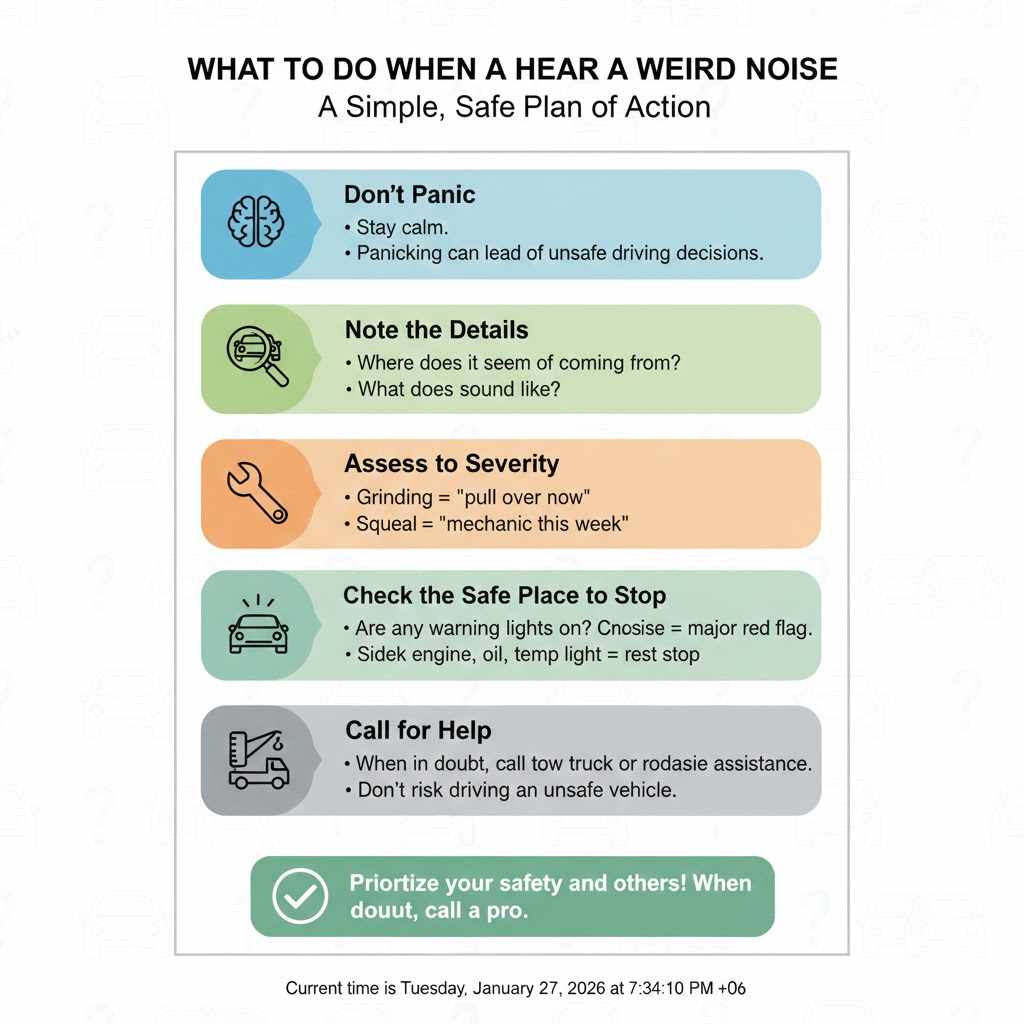
Hearing a new, strange noise can be stressful. Here’s a simple, safe plan of action:
- Don’t Panic: Stay calm. Panicking can lead to unsafe driving decisions.
-
Note the Details: Pay attention to what the car is doing when the noise happens.
- When does it start? (When braking, turning, accelerating?)
- Where does it seem to be coming from? (Front, back, under the hood?)
- What does it sound like? (Squeal, grind, clunk, hiss?)
- Assess the Severity: Use the guide above. A grinding brake noise is a “pull over now” situation. A slight squeal might be a “get to a mechanic this week” situation.
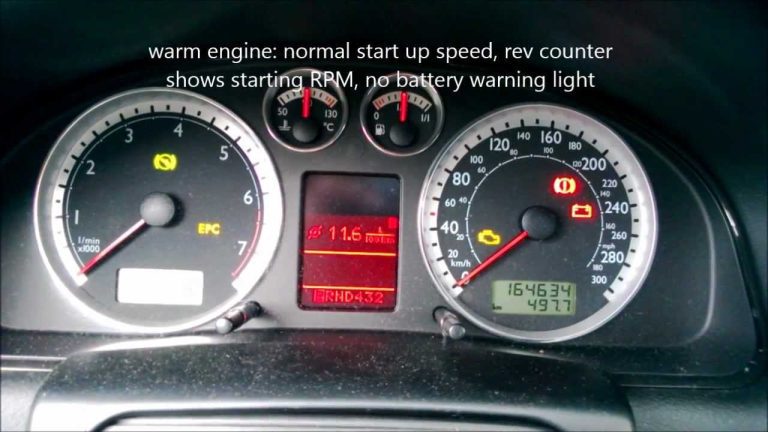
- Check the Dashboard: Are any warning lights on? A check engine light, oil pressure light, or temperature light paired with a noise is a major red flag.
- Find a Safe Place to Stop: If the noise is severe (grinding, loud clunking, hissing with steam), pull over to the side of the road, a parking lot, or a rest stop as soon as it is safe to do so.
- Call for Help: When in doubt, it’s always better to be safe than sorry. Call a tow truck or roadside assistance. Driving a potentially unsafe vehicle puts you and others at risk.
Frequently Asked Questions (FAQ)
What should I do first when I hear a weird car noise?
First, don’t ignore it. Pay attention to when the noise happens (braking, turning, etc.) and where it’s coming from. If the noise is loud, sudden, or accompanied by a warning light, pull over safely and turn off the car. If it’s a grinding or clunking sound, it’s best to call for a tow.
Can I keep driving my car if it’s making a grinding noise?
No. A grinding noise, especially when braking, is a critical safety warning. It means your brakes are failing or another metal part is being destroyed. Stop driving immediately and have the car towed to a mechanic to prevent a dangerous accident or catastrophic damage.
Is a ticking noise from my engine always a serious problem?
Not always, but it should be checked immediately. It can sometimes be a minor issue, but it’s also a classic sign of critically low engine oil. Pull over, turn off the engine, and check your oil level. If the oil is low, top it off. If the level is fine, the noise could indicate a more serious internal problem that needs a professional diagnosis.
My car only makes a noise when I turn. What could that be?
A noise that happens only when turning often points to a problem with the steering or suspension systems. A clicking or popping sound could be a failing CV (Constant Velocity) joint on a front-wheel-drive car. A groaning or whining sound could be a failing power steering pump. Both require attention from a mechanic.
How can I tell the difference between a dangerous noise and a normal one?
Dangerous noises are typically new, loud, and persistent. Grinding, loud clunking, hissing accompanied by steam, or a screeching that won’t stop are all red flags. Normal car noises are usually consistent and soft, like the gentle hum of the engine or the click of the turn signal. Any sudden change or harsh sound is a cause for concern.
Why does my car make a squealing noise when I start it?
A squeal right at startup, especially on a cold or damp day, is often caused by a loose or worn serpentine belt (or fan belt). The belt slips on the pulleys for a moment before it grips. While it may go away after a few seconds, it’s a sign that the belt needs to be inspected and likely replaced soon before it breaks.
Is it expensive to diagnose a weird car noise?
Most repair shops charge a diagnostic fee, which is typically equivalent to one hour of labor. They will inspect the car to pinpoint the source of the noise. This fee is often a small price to pay for peace of mind and can prevent you from replacing the wrong parts or allowing a small problem to become a huge, expensive one.
Conclusion: Your Ears Are Your Best Tool
Your car is a complex machine, but you don’t have to be a master mechanic to keep it safe. By learning to listen to its sounds, you can catch problems early, prevent dangerous situations, and avoid budget-breaking repair bills. The noises we’ve covered—squealing, grinding, clunking, hissing, and more—are your car’s most urgent warnings.
Never be afraid to pull over and check things out or to call a professional for help. A small towing fee is always better than a major accident or a destroyed engine. Trust your instincts. If a noise sounds wrong, it probably is. By being an attentive driver, you are taking the most important step toward a safe and reliable ride. Drive safe, and listen to what your car is trying to tell you.