Why Is My Car Overheating If It Has Coolant? A Complete Guide
Hey there, friend! If you’ve ever been driving along, glanced at your dashboard, and seen the temperature gauge creeping up despite having coolant in your car, you’re probably wondering, “Why is my car overheating if it has coolant?” I’ve been there, sweating in my old pickup as the needle hit the red zone, heart racing, thinking I’d done something wrong. Over the years, I’ve dug into this issue, fixed it on my vehicles, and talked to mechanics to understand what’s going on.
For folks in the USA who love their cars but aren’t sure why they’re running hot, I’m here to share everything I’ve learned. In this article, we’ll explore the reasons your car might overheat even with coolant, how to diagnose it, and what you can do to fix it. Let’s cool things down and get your ride back on track!
My First Overheating Scare
A few summers back, I was cruising down a highway in my sedan when the temperature gauge started climbing. I’d checked the coolant just a week before, so I was baffled. Steam started hissing from under the hood, and I had to pull over, feeling like my car was about to explode. After some trial and error—and a tow to a mechanic—I learned that coolant alone doesn’t always prevent overheating. That experience sparked my curiosity, and since then, I’ve tackled overheating issues on my truck, my wife’s SUV, and even helped a buddy with his van. Let me walk you through what causes this problem and how you can handle it.
Understanding Your Car’s Cooling System
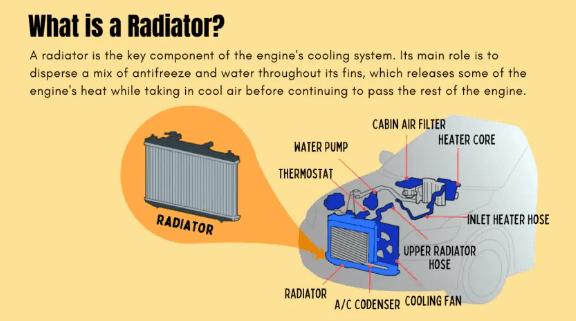
Your car’s cooling system is like its air conditioner, keeping the engine from getting too hot. Coolant, a mix of water and antifreeze, absorbs heat from the engine, carries it to the radiator, and releases it into the air. The system includes the radiator, water pump, thermostat, hoses, and a fan. If any part fails, your car can overheat, even if you’ve got plenty of coolant.
I didn’t know much about this when I started, but learning how these parts work together helped me figure out what was wrong. If your coolant level is fine but the car’s still overheating, something’s stopping the system from doing its job. Let’s dive into the most common culprits.
Common Reasons Your Car Overheats Despite Having Coolant
There are several reasons your car might run hot, even with coolant in the reservoir. I’ve run into most of these myself, and they’re not always hard to spot. Here are the big ones:
- Stuck Thermostat: The thermostat controls coolant flow. If it’s stuck closed, coolant can’t circulate, and the engine overheats.
- Radiator Problems: A clogged or damaged radiator blocks airflow, trapping heat.
- Faulty Water Pump: The pump moves coolant through the system. If it fails, the coolant sits still, and the engine gets hot.
- Broken Radiator Fan: The fan cools the radiator. If it’s not working, heat builds up, especially in traffic.
- Leaking Hoses: Cracked or loose hoses can leak coolant slowly, reducing the system’s efficiency.
- Head Gasket Failure: A blown head gasket lets coolant mix with oil or escape, causing overheating.
Each of these issues can sneak up on you, even if your coolant reservoir looks full. Let’s break them down so you can pinpoint the problem.
The Stuck Thermostat: A Sneaky Culprit
The thermostat is a small valve that opens to let coolant flow when the engine gets hot. If it’s stuck closed, coolant can’t reach the radiator, and the engine overheats. I had this happen in my sedan—the gauge shot up, but the coolant level was fine. I took it to a mechanic, who replaced the thermostat for about $100.
To check, feel the radiator hoses after driving. If the top hose is hot but the bottom is cool, the thermostat might be stuck. Replacing it is a fairly easy DIY job—just remove the old one (usually near the engine’s top) and bolt on a new one. I did this on my truck with a $20 part and a YouTube tutorial.
Radiator Issues: Clogs and Damage
Your radiator is like a big heat exchanger. Air flows through it to cool the coolant. If it’s clogged with dirt, bugs, or rust, airflow gets blocked, and the engine stays hot. I noticed this on my wife’s SUV after a long trip through dusty backroads. The radiator was caked with grime, and cleaning it fixed the issue.
Check your radiator for debris. A garden hose and a soft brush can clear it out—just don’t use high pressure, or you’ll bend the fins. If the radiator is damaged, like from a rock hitting it, you might need a new one. I paid $150 for a replacement radiator, but it was worth it to keep the car cool.
Faulty Water Pump: The Heart of the System
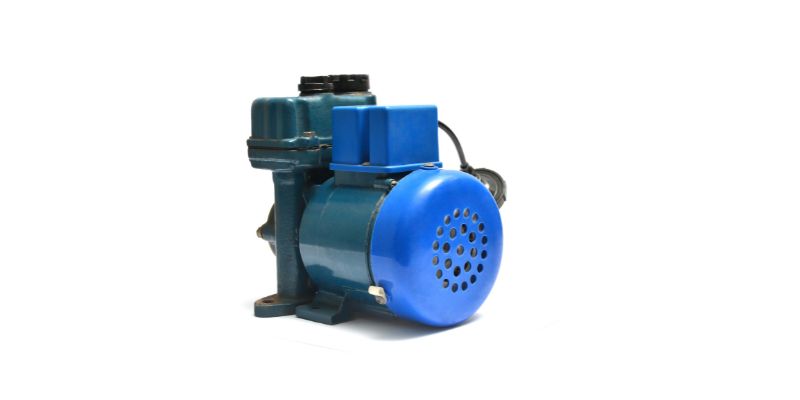
The water pump pushes coolant through the engine and radiator. If it fails, the coolant doesn’t move, and the engine overheats. I had a water pump go bad on my old van, and it made a weird grinding noise before the temperature spiked. A quick check showed coolant in the reservoir, but it wasn’t circulating.
Look for signs like a leaking pump (check for drips under the engine) or strange noises. Replacing a water pump is trickier—mine cost $200 at a shop, including labor. If you’re handy, you can do it yourself for $50–$100, but it takes a few hours and some tools.
Radiator Fan Problems
The radiator fan pulls air through the radiator, especially when you’re stopped or moving slowly. If it’s not working, heat builds up fast. I ran into this in my pickup during a traffic jam—the gauge climbed, and I noticed the fan wasn’t spinning. A quick fuse check showed a blown fuse, which I replaced for $5.
Check if your fan runs when the engine’s hot. If not, it could be a bad fuse, motor, or wiring. Test the fan by turning on the AC—it should kick on. I fixed a friend’s fan by replacing a $30 motor, but wiring issues might need a mechanic.
Leaking Hoses and Connections
Hoses carry coolant to and from the radiator. If they’re cracked, loose, or leaking, coolant can escape slowly, reducing the system’s efficiency. I found a small leak in my sedan’s hose after noticing a sweet smell (coolant has a distinct odor). The reservoir was full, but the system wasn’t working right.
Inspect hoses for cracks, bulges, or wet spots. Tighten clamps with a screwdriver if they’re loose. I replaced a hose for $15 and fixed the issue in an hour. If you see puddles under your car, check for green, pink, or orange liquid—that’s likely coolant.
Head Gasket Failure: The Big One
A blown head gasket is the worst-case scenario. It’s a seal between the engine block and cylinder head, and if it fails, coolant can leak into the engine or exhaust. I helped a buddy diagnose this when his car overheated and had milky oil—a classic sign. It’s a pricey fix, often $1,000 or more, because it involves major engine work.
Look for white smoke from the exhaust, oil that looks like chocolate syrup, or bubbles in the coolant reservoir. If you suspect this, get to a mechanic fast. I’ve seen people drive with a bad head gasket and ruin their engine, so don’t wait.
How to Diagnose an Overheating Car
Figuring out why your car’s overheating is like being a detective. Here’s my step-by-step approach:
- Check Coolant Level: Pop the hood (when cool) and look at the reservoir. It should be between the “min” and “max” lines.
- Inspect for Leaks: Look under the car for puddles. Check hoses and the radiator for wet spots.
- Feel the Hoses: After driving, if the top hose is hot and the bottom is cool, suspect the thermostat.
- Test the Fan: Turn on the AC and see if the fan spins. No? Check fuses or the motor.
- Listen for Noises: A grinding water pump or rattling fan could be the issue.
- Monitor the Gauge: If it spikes quickly, it’s likely a thermostat or pump problem.
I keep a flashlight and gloves in my car for quick checks. If you’re not sure, drive to a safe spot and let the engine cool before inspecting.
Common Signs of Overheating
Knowing the signs can help you catch the problem early. I’ve learned to watch for these:
- The temperature gauge is in the red zone.
- Steam or smoke from under the hood.
- A sweet smell (coolant leaking).
- Engine warning light on the dashboard.
- Loss of power or strange noises.
When my truck overheated, the gauge was my first clue, followed by a hissing sound. Pulling over right away saved me from bigger damage.
What to Do When Your Car Overheats
If your car starts overheating, act fast. I’ve been stuck on the side of the road, so here’s what I do:
- Pull Over Safely: Find a safe spot and turn on your hazard lights.
- Turn Off the AC: It reduces strain on the engine.
- Crank the Heat: It pulls heat from the engine. I did this in my sedan, and it bought me time to reach a mechanic.
- Don’t Open the Hood Right Away: Let the engine cool for 20–30 minutes to avoid burns.
- Check Coolant (When Cool): Add water or coolant if it’s low, but only when the engine’s not hot.
- Call for Help: If you can’t drive, get a tow. I keep AAA’s number handy.
Don’t keep driving—it can wreck your engine. I learned this after pushing my van too far and paying for a costly repair.
Temporary Fixes to Get You Moving
If you’re stuck and need to drive a short distance, try these temporary fixes. I’ve used them to limp to a shop:
- Add coolant or water to the reservoir (when cool).
- Turn on the heater to pull heat from the engine.
- Drive slowly with windows down to increase airflow.
These worked for me once to get to a mechanic 5 miles away, but they’re not long-term solutions. Fix the root cause as soon as possible.
Preventing Overheating in the Future
Prevention is easier than dealing with a hot engine. Here’s what I do to keep my cars cool:
- Check Coolant Regularly: I look at the reservoir monthly. Top it off with a 50/50 coolant-water mix.
- Clean the Radiator: Wash it yearly to remove dirt and bugs.
- Inspect Hoses: Check for cracks or leaks every oil change.
- Service the Cooling System: Flush the coolant every 2–3 years. I paid $80 for a flush, and it’s worth it.
- Watch the Gauge: Catch problems early by monitoring the temperature.
These habits have kept my SUV running cool for years, even in hot Texas summers.
When to Call a Professional
I love DIY, but some overheating issues need a pro. If you suspect a head gasket failure, water pump issue, or complex wiring problem, take it to a mechanic. I tried fixing a water pump myself once and made it worse—$200 later, a shop did it right. In the USA, expect to pay $50–$150 for diagnostics, $100–$300 for thermostat or fan repairs, and $1,000+ for head gasket work.
If you’re not comfortable under the hood, don’t risk it. A good mechanic can save you from bigger headaches.
Common Cooling System Parts and Costs
Here’s a table of common parts that cause overheating, based on my repairs:
| Part | Symptoms | Replacement Cost (Parts + Labor) |
|---|---|---|
| Thermostat | Gauge spikes, cool lower hose | $50–$150 |
| Radiator | Clogged, leaking, or damaged | $100–$400 |
| Water Pump | Leaks, grinding noise | $100–$300 |
| Radiator Fan | No airflow, hot in traffic | $50–$200 |
| Hoses | Leaks, cracks | $20–$100 |
| Head Gasket | White smoke, milky oil | $800–$2,000+ |
This table helps me budget for repairs and know when to DIY or call a pro.
Where to Find Help and Resources
If you’re stuck, there’s plenty of help out there. I check forums like Reddit’s r/MechanicAdvice for tips from other car owners. YouTube has awesome videos on replacing thermostats or checking fans—just search “car overheating fix.” Auto parts stores like AutoZone offer free advice, and I’ve gotten great tips from their staff. Your car’s owner’s manual is also a goldmine for finding the coolant reservoir or fuse box.
If you know a car-savvy friend, buy them a coffee and pick their brain. I’ve learned half my tricks from my mechanic buddy over burgers.
The Joy of a Cool-Running Car
There’s nothing like the peace of mind when your car runs smoothly. After fixing my truck’s thermostat, I drove worry-free, knowing I’d tackled the problem. A cool engine means more adventures, whether it’s a road trip or just a commute. Every time I check my coolant or clean the radiator, I feel like I’m giving my car a little love.
Conclusion
So, why is your car overheating if it has coolant? It could be a stuck thermostat, a clogged radiator, a bad water pump, or something more serious like a head gasket issue. From my own sweaty moments on the side of the road, I’ve learned that a little detective work can pinpoint the problem. Check your hoses, test the fan, and don’t ignore the warning signs.
Whether you fix it yourself or call a mechanic, addressing overheating quickly keeps your car—and your wallet—happy. Grab a wrench, pop the hood, and take charge. Your next drive will feel so much better knowing your car’s running cool. Happy motoring!
FAQs
Why does my car overheat even with coolant?
The coolant might not be circulating due to a stuck thermostat, a bad water pump, or a clogged radiator. Leaks or a blown head gasket can also cause issues.
How can I tell if my thermostat is bad?
If the top radiator hose is hot but the bottom is cool after driving, the thermostat might be stuck closed, blocking coolant flow.
What should I do if my car starts overheating?
Pull over safely, turn off the AC, crank the heater, and let the engine cool. Check coolant levels when safe, and get to a mechanic if needed.
Can I drive with an overheating car?
Only for a short distance, with the heater on to reduce engine heat. Driving too long can damage the engine, so fix it quickly.
How much does it cost to fix an overheating car?
It depends. Thermostat or fan repairs cost $50–$300. A head gasket fix can run $800–$2,000+. Diagnostics are usually $50–$150.
How often should I check my coolant?
Check monthly and before long trips. Top off with a 50/50 coolant-water mix, and flush the system every 2–3 years.