Why Is My Car Traction Light On? Causes And Quick Fixes
Your car’s traction control light indicates a problem with the system designed to prevent wheel spin. This could range from a simple sensor issue to a more complex mechanical problem. Understanding the common causes helps you address it safely and efficiently.
What is Traction Control?
Think of traction control as your car’s smart helper. Its main job is to keep your car moving smoothly. It does this when the road is slippery.
This happens a lot in rain, snow, or on gravel. The system watches your wheels closely. If one wheel starts to spin faster than the others, it steps in.
It then gently slows down that spinning wheel. Sometimes, it also reduces the engine power a bit. This makes sure all your wheels grip the road.
It helps you steer better. It also stops you from skidding. It’s a really important safety feature.
It works hand-in-hand with your anti-lock braking system (ABS).
When the traction control light comes on, it means something isn’t quite right. It could be a small glitch. Or it could be a sign that the system isn’t working as well as it should.
Knowing what it means is the first step to fixing it. It helps you feel more in control.
Why Is My Car Traction Light On? Common Causes
There are many reasons why that little car with squiggly lines might be lit up. Some are very common. Others are a bit rarer.
We’ll go through the most likely culprits. This will help you narrow down what might be happening with your car.
Sensor Problems
Your car has several sensors. These help the traction control system do its job. The most common one is the wheel speed sensor.
This sensor tells the car how fast each wheel is turning. If one of these sensors is dirty, damaged, or just not working right, it sends bad information.
The car’s computer sees this bad info. It thinks there’s a traction problem. So, it turns on the light.
Sometimes, a sensor just needs a good cleaning. Other times, it might need to be replaced. This is a frequent fix for many drivers.
ABS System Issues
Traction control and ABS are closely linked. They often use the same sensors. So, if there’s a problem with your ABS system, the traction control light might also come on.
This could be a faulty ABS module. It could also be a wiring issue within the ABS system.
If your ABS light is also on, it’s a strong hint that the problem lies here. Fixing ABS issues is important for overall braking safety. Don’t ignore an ABS light if it appears.
Low Tire Pressure or Incorrect Tire Size
This is a super common one. If one of your tires has much less air than the others, it can trick the system. The car sees that one wheel turning differently.
It thinks it’s slipping. Even if it’s not.
Also, if you put on new tires, make sure they are the right size. If the tires aren’t the same size all around, it can confuse the traction control. Always check your tire pressure.
Make sure all tires match.
Quick Tire Check
What to look for:
- Tire Pressure: Check the sticker on your driver’s side doorjamb. Inflate all tires to the recommended PSI.
- Tire Wear: Uneven wear can fool sensors. Look for consistent tread depth.
- Tire Size: Ensure all four tires are the same size. Check the sidewall numbers.
Faulty Mass Airflow Sensor (MAF)
This sensor measures the amount of air entering your engine. If it’s not working right, it affects how much fuel the engine gets. This can cause the engine to run poorly.
Sometimes, this poor engine performance can make the traction control system react. It might turn on the light.
A dirty or failing MAF sensor can also lead to other engine lights coming on. It’s good to check for these too. This is often something a mechanic can diagnose quickly.
Loose Gas Cap
This might sound strange, but it’s true. A loose or damaged gas cap can cause emissions system problems. Sometimes, these problems can trigger other warning lights on your dashboard.
This includes the traction control light. It’s an easy fix. Just make sure your gas cap is tightened.
You’ll usually hear a click when it’s on tight. If it looks cracked or worn out, it might be time for a new one. It’s a simple, cheap thing to try first.
Problems with the Steering Angle Sensor
This sensor tells the car where you are steering. It helps the traction control system know if you are turning the wheel too much or too little for the car’s speed. If this sensor is off, it can cause issues.
The light might come on.
This sensor is usually located in the steering column. It’s a bit more involved to fix. If other simple checks don’t work, this is a possibility.
Electronic Stability Control (ESC) Issues
Traction control is part of the broader ESC system. If there’s a fault in the ESC system itself, it will affect traction control. ESC helps prevent skidding.
It uses the brakes and engine power. It works in conjunction with traction control.
Issues with the ESC module or related wiring can trigger the light. This is usually a job for a professional mechanic.
Severe Weather Conditions
Sometimes, the light comes on temporarily. This can happen if you drive through deep water or heavy snow. The sensors might get confused for a bit.
Once the system dries out or clears, the light might go off on its own.
If you notice the light comes on when you hit a puddle, this might be the reason. Drive carefully until it resolves. Don’t assume it’s a serious problem in these cases.
Bad Oxygen Sensor
An oxygen sensor helps manage your engine’s fuel mixture. If it fails, it can cause engine performance issues. Similar to the MAF sensor, these performance problems can sometimes trigger the traction control light.
It’s another emissions-related issue.
Vacuum Leaks
Your engine uses a vacuum system. Leaks in this system can cause various engine problems. These can affect how the engine runs.
This, in turn, can make the traction control system think there’s an issue. You might also notice a rough idle.
Issues with the Throttle Body
The throttle body controls how much air enters the engine. If it’s dirty or malfunctioning, it can cause inconsistent engine power. This can interfere with traction control.
Cleaning the throttle body is sometimes a fix.
My Personal Experience: The Frozen Sensor Scare
I remember one particularly cold January morning a few years back. I was heading out for an early meeting. It had snowed overnight, and the roads were a bit slick.
As soon as I started driving, my traction control light flashed on. Then it stayed solid. My heart sank a little.
I thought, “Great, what’s broken now?”
My car is my lifeline for work. The thought of a costly repair sent a wave of stress through me. I drove slowly, feeling a bit nervous.
I kept picturing a broken sensor or something major. I even considered calling a tow truck. Then I remembered my mechanic once told me something important.
He said that sometimes, extreme cold can affect the wheel speed sensors. Especially if there was moisture. Because it was so cold, and the roads were icy, I decided to give it a little time.
I drove the few blocks to a nearby parking lot. I shut off the engine. I let the car sit for about 10 minutes, hoping it would warm up.
When I restarted the car, the light was gone. Completely off. I breathed a huge sigh of relief.
I drove the rest of the way to my meeting cautiously. But the light stayed off. It turned out, the extreme cold had temporarily confused one of the wheel speed sensors.
Once the car warmed up, it worked fine again. It taught me not to panic immediately. Sometimes, simple environmental factors play a role.
Understanding Dashboard Lights
What the lights mean:
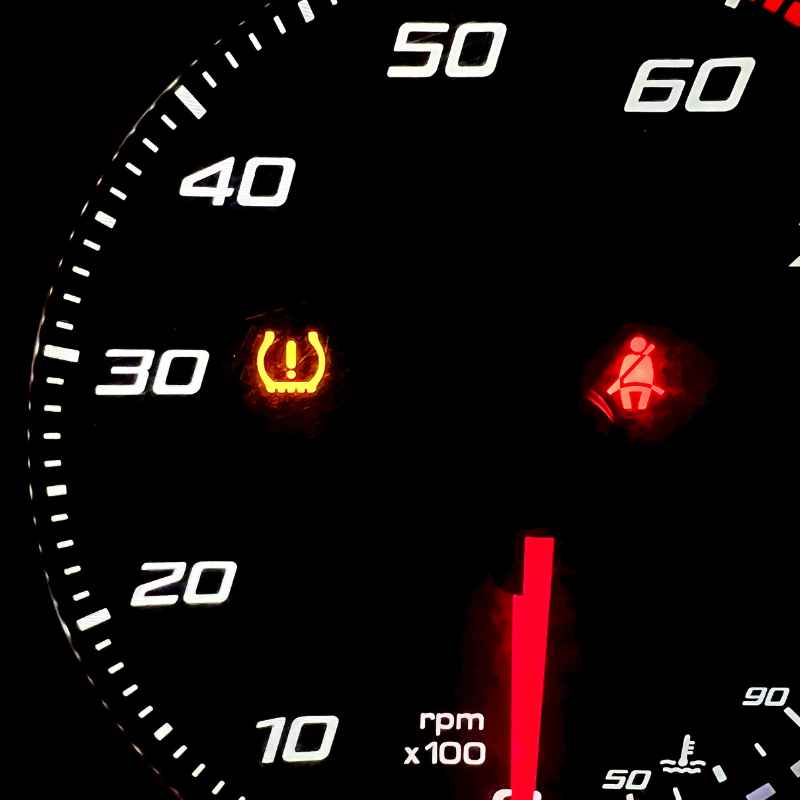
- Solid Light: Usually means there is a problem detected. The system might be off or not working correctly.
- Flashing Light: Often means the system is actively trying to correct a slip. It’s engaged.
- Light Stays On After Starting: This typically indicates a fault detected during the system’s self-check.
Real-World Context: When and Where This Happens
You’ll notice your traction control light most often in specific situations. Understanding these contexts helps you figure out why it’s on. It’s not usually a random event.
There’s often a trigger.
Weather is a Big Factor
This is the most common scenario. Slippery roads are the prime time for traction control to kick in. Think about:
- Rain: Wet roads reduce tire grip significantly.
- Snow and Ice: These conditions offer very little friction. Your tires can spin easily.
- Gravel or Dirt Roads: Loose surfaces can also cause wheels to slip.
When you accelerate on these surfaces, your wheels might spin. The traction control system detects this. It tries to help.
If the system is working perfectly, you might see the light flash briefly. Then it goes off. If it stays on, it suggests a problem.
Sudden Acceleration
If you press the gas pedal too hard, too quickly, your wheels can lose traction. This can happen even on dry pavement. Especially if your tires are a bit worn.
The traction control light might blink as it intervenes. If it stays on, there might be an issue.
Turning Sharply
When you take a sharp turn, especially at speed, the outside wheels and inside wheels travel different distances. The system needs to manage power. If there’s a problem with the sensors or the system itself, it can get confused.
This can lead to the light coming on.
Driving with Different Tire Types or Pressures
I mentioned this before, but it’s worth repeating. If you have tires that are not the same size or tread depth all around, it’s a problem. The car’s computer sees the wheels turning at different rates.
It thinks it’s a slip. This is a very common cause for the light staying on after tire changes.
Similarly, if your tire pressure is way off in one tire, that tire’s diameter changes slightly. This can also fool the system. Always check your tire pressure regularly.
Traction Control vs. Stability Control
Key Differences:
- Traction Control (TC): Focuses on preventing wheel spin during acceleration.
- Electronic Stability Control (ESC): Broader system. Helps prevent skids during turns. It uses brakes on individual wheels and engine power.
Both systems rely on similar sensors and work together for safety.
What This Means for You
So, the traction control light is on. What should you do? It’s not always an emergency.
But you shouldn’t ignore it either. It’s a signal from your car. It needs your attention.
When It’s Likely Normal (and Will Go Away)
Sometimes, the light just flashes briefly. This happens when you accelerate on a slippery surface. As soon as the wheel regains traction, the light goes off.
This is the system doing its job. No need to worry in this case.
If the light came on due to extreme weather, like driving through a big puddle or deep snow, it might turn off once the sensors dry out. Give it some time.
When You Should Pay Attention (and Check Things)
If the light stays on solid after you start your car, or if it comes on and stays on while you’re driving, it means there’s a detected fault. This is when you need to investigate.
Simple Checks First:
- Gas Cap: Is it tight? Does it look damaged?
- Tire Pressure: Check all four tires. Inflate them to the correct PSI.
- Visual Inspection: Look at your tires. Do they all match? Any obvious damage?
If these simple checks don’t resolve the issue, it’s time to think about other causes.
When to Worry (and Seek Professional Help)
If the light stays on after you’ve done the basic checks, it suggests a more complex issue. This could be a faulty sensor, ABS problem, or something with the car’s computer. While not usually an immediate safety hazard that stops the car from moving, it does mean the traction control system isn’t working.
This can be risky in bad weather or on slippery roads.
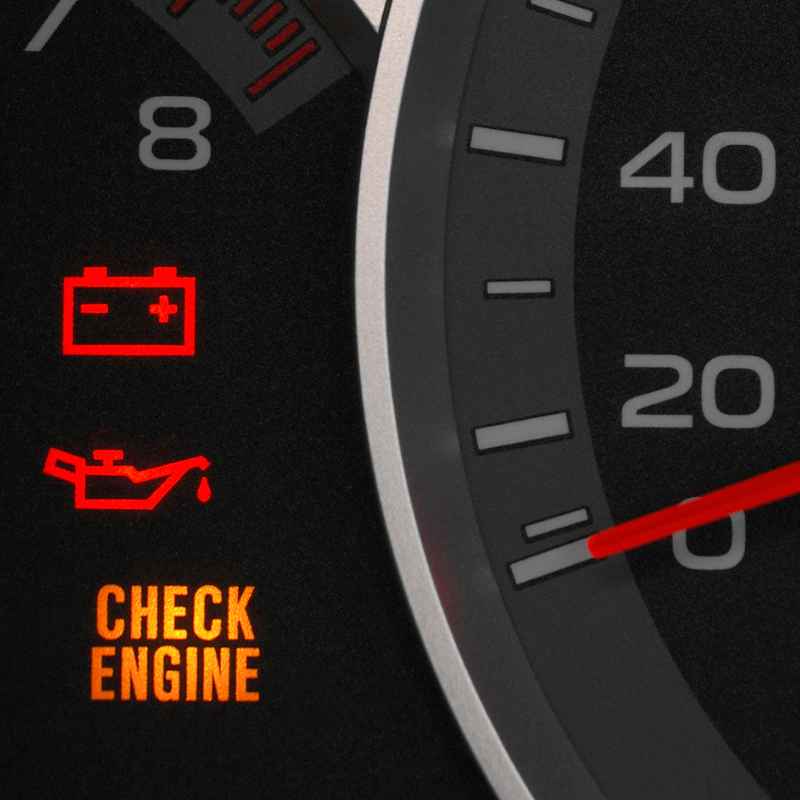
If you notice other warning lights on, like the ABS light or the check engine light, it’s even more important to get it checked. These often point to related systems. A qualified mechanic can use a diagnostic scanner.
This tool reads error codes from your car’s computer. It helps pinpoint the exact problem.
Can I Drive With the Traction Light On?
The short answer: Yes, generally you can. Your car will still drive. However, the traction control system will not be active.
This means your car won’t be able to prevent wheel spin as effectively. It’s safer to avoid driving in slippery conditions until it’s fixed. If other critical lights like the brake or engine light are also on, be extra cautious or consider not driving.
Quick Fixes and Tips
Most of the time, traction control light issues aren’t something you can fix with a wrench at home. However, there are a few things you can do or check yourself before heading to the shop.
1. Tighten Your Gas Cap
Seriously, this is the easiest and cheapest thing to try. Unscrew it and screw it back on until you hear it click at least once, preferably twice. Drive for a bit.
Sometimes, the light will go off after a few drive cycles. This is because the car’s computer resets after a certain number of successful checks.
2. Check and Adjust Tire Pressure
If your tire pressure is low, your car’s computer can get confused. Find the correct tire pressure for your vehicle. It’s usually on a sticker in the driver’s side door jamb.
Use a tire pressure gauge to check each tire. Add air as needed.
3. Give it a Drive Cycle (After Simple Fixes)
After tightening the gas cap or adjusting tire pressure, don’t expect the light to disappear instantly. Modern cars have sophisticated computer systems. They often need a few drive cycles to re-evaluate.
A drive cycle typically involves starting the car, driving it until it reaches normal operating temperature, and then shutting it off. Try doing this a few times.
4. Inspect Tires for Damage or Wear
Look closely at your tires. Is one significantly more worn than the others? Are there any bulges or cuts?
Uneven wear or damage can affect how the wheel speed sensors read the tire’s rotation. If your tires are old or very worn, it might be time for new ones anyway. This could solve the traction light problem.
5. Clean Exposed Wheel Speed Sensors (Advanced/Careful Users Only)
This is a bit more involved and depends on your car model. Sometimes, dirt or road salt can build up on the wheel speed sensors, affecting their readings. If you’re comfortable working around your car, you might be able to locate the sensors (often near the brake assemblies).
A gentle cleaning with a soft brush and some brake cleaner (if recommended for your car) might help. However, if you’re not sure, skip this step. Damaging a sensor can create a bigger problem.
6. Visit a Mechanic for Diagnostic Scan
If the light persists after these steps, it’s time for a professional. Mechanics have specialized tools called OBD-II scanners. These read the car’s computer for trouble codes.
The code will tell them exactly which sensor is acting up or what system is reporting an error. This is the most reliable way to find the root cause.
What a Mechanic Will Do
When you take your car in, a mechanic will typically:
- Scan for Codes: Connect an OBD-II scanner to find stored error codes.
- Inspect Sensors: Visually check wheel speed sensors, ABS sensors, and wiring for damage or debris.
- Test Components: Use specialized tools to test the function of sensors, the ABS module, and other related parts.
- Check Alignment and Tire Issues: Verify tire pressure, tread depth, and alignment.
- Advise on Repair: Based on the diagnosis, they will recommend the necessary repairs.
Frequently Asked Questions
What does it mean if my traction control light flashes?
A flashing traction control light usually means the system is actively working to prevent wheel spin. This is normal behavior when driving on slippery surfaces like rain, snow, or ice. The light should turn off once traction is regained.
Is it safe to drive with the traction control light on?
Generally, yes, you can drive with the traction control light on. However, it means the traction control system is not functioning. You will not have the added safety of the system preventing wheel spin.
It’s best to avoid driving in slippery conditions until the issue is resolved.
How much does it cost to fix a traction control light issue?
The cost can vary greatly. A loose gas cap or low tire pressure costs little to fix. A dirty or faulty wheel speed sensor might cost $100-$300.
More complex ABS or stability control module issues could cost $500 to over $1000, depending on the car and the specific part needed.
Can a bad battery cause the traction control light to come on?
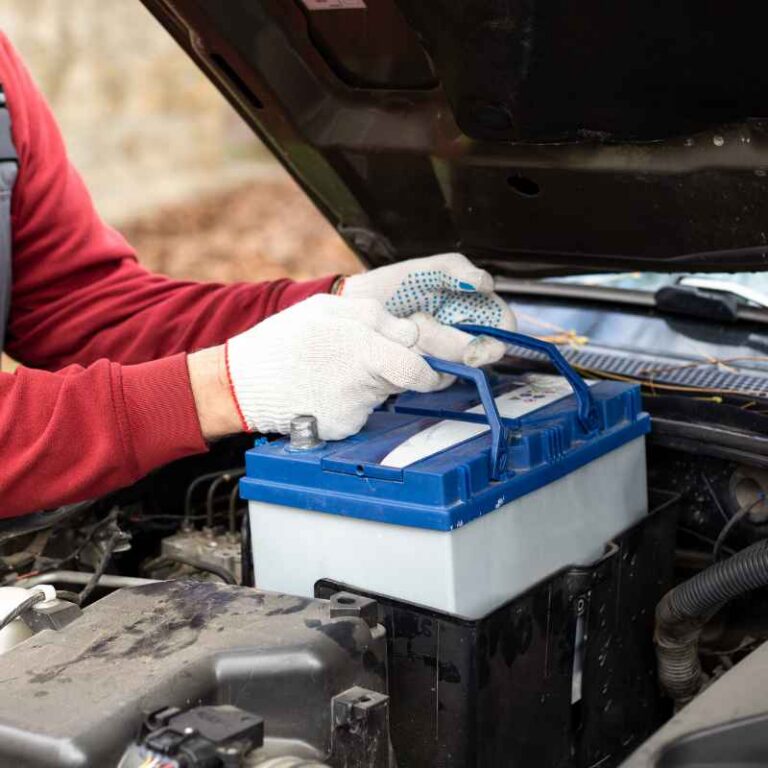
While a very weak or failing battery can cause various electrical gremlins and warning lights, it’s not a direct or common cause for the traction control light specifically. However, unstable voltage can sometimes trigger unexpected system behavior. It’s worth checking battery health if other electrical issues are present.
Will the traction control light go off by itself?
Sometimes, yes. If the issue was temporary, like from driving through a deep puddle or if a sensor was just briefly confused by extreme cold, the light may turn off on its own after the car has been driven for a while or after a few start/stop cycles. However, if it stays on, it indicates a persistent fault.
How long does it take for the traction control light to reset?
After a fix or after the system self-corrects, the light often needs a few “drive cycles” to reset. A drive cycle typically involves starting the engine, driving until it reaches normal temperature, and then turning it off. This process allows the car’s computer to re-run its self-tests and confirm the issue is gone.
Conclusion
Seeing your traction control light on can be worrying. But as we’ve seen, it’s often caused by simple things. Or things that are easily fixed.
From a loose gas cap to a tire pressure issue, you have several checks you can do first. These quick checks might save you a trip to the mechanic.
If the light stays on after your checks, don’t ignore it. It’s your car’s way of telling you something needs attention. Getting it diagnosed by a professional will ensure your safety.
It will also keep your car running smoothly. Knowing the possibilities helps you feel prepared. It turns a moment of panic into a clear path forward.
Products related to this article
Sponsored / affiliate links. As an Amazon Associate I earn from qualifying purchases. I may earn additional commission from eligible campaigns.