Why Is My Car Saying Key Not Detected? Fix It Fast
It’s a moment that can stop you dead in your tracks. You’re ready to go, key in hand, but your car flashes a message: “Key Not Detected.” Frustrating, right? This single phrase can send a wave of worry through you.
You might wonder if your car is broken, if you’re stranded, or if there’s a simple fix you’re missing.
I’ve been there, standing by my car, that little icon blinking, feeling that sinking feeling. It’s a common problem, but understanding why it happens is the first step to solving it. We’ll break down what might be going on, from easy fixes you can do yourself to what might need a little more help.
A car saying “key not detected” usually means the vehicle can’t sense your smart key fob. This can happen due to a weak or dead fob battery, interference, or issues with the car’s receiver. Often, simple steps like replacing the battery or moving the fob closer can resolve the problem.
Understanding the “Key Not Detected” Message
Most modern cars use keyless entry and start systems. These systems rely on radio signals. Your car has a receiver, and your key fob sends a signal.
When you try to start the car or open a door, the car checks for this signal. If it can’t find the right signal from your key, it tells you.
It’s like your car is trying to talk to your key, but it can’t hear it. This can happen for many reasons. Some are easy to fix.
Others might point to a bigger issue. Let’s look at why this happens and what you can do about it.
My Own “Key Not Detected” Scare
I remember one chilly morning. I was rushing to get my kids to school. I grabbed my keys, jumped in the car, and then… that dreaded message flashed.
My heart skipped a beat. I tried turning the key, but nothing happened. Panic started to set in.
I pictured missing appointments and a hefty repair bill.
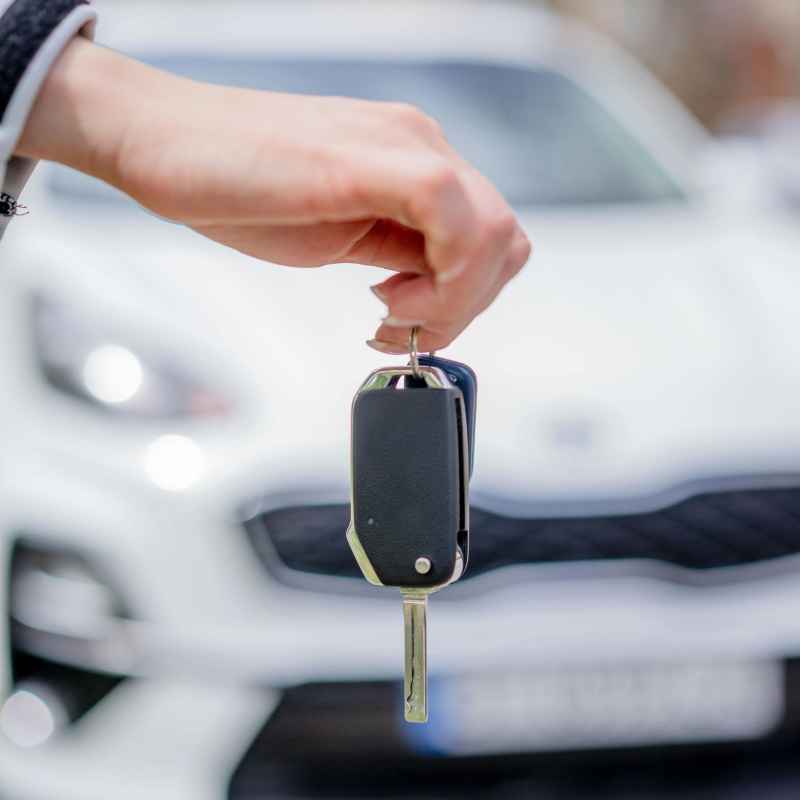
I looked at the key fob in my hand. It looked normal. I pressed the unlock button, and the car lights flashed.
So, the fob had some power. But the car still wouldn’t start. I took a deep breath.
I remembered reading somewhere that sometimes the fob battery just gets weak. I had a spare battery in my kitchen drawer. Swapping it out took maybe two minutes.
The car started right up. Phew! It was a small thing, but it felt like a huge relief.
Common Causes for Key Not Detected
Low Key Fob Battery: This is the most frequent culprit. The battery power drains over time.
Battery Corrosion: If the battery is old, it might have some build-up affecting its connection.
Interference: Other electronics or even metal objects can sometimes block the signal.
Key Fob Damage: If the fob was dropped or exposed to water, it might be damaged.
Car Receiver Issues: Less common, but the car’s antenna or receiver might have a problem.
The Key Fob Battery: The Usual Suspect
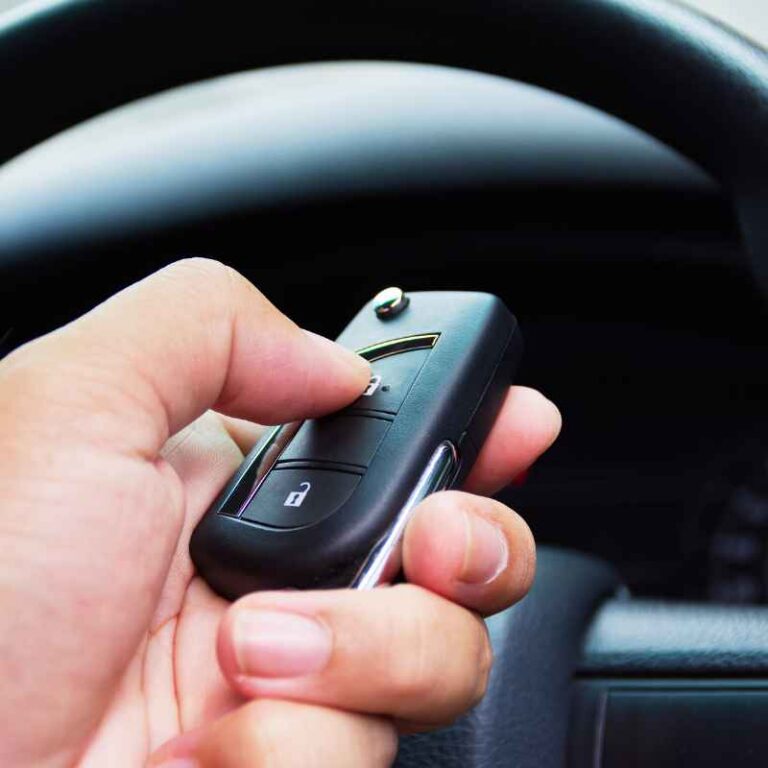
Your car key fob is a small, powerful device. It has a tiny battery that sends a coded signal to your car. Think of it like a tiny radio transmitter.
These batteries don’t last forever. They typically last between 1 to 3 years, depending on how often you use the fob and the battery type.
When the battery starts to get weak, the signal it sends becomes faint. Your car’s receiver might struggle to pick up this weak signal. This is why you get the “Key Not Detected” message.
It’s the car’s way of saying, “I can’t quite hear you clearly.”
Signs of a Weak Battery: Sometimes, before the message pops up, you might notice other small signs. The car might take a second longer to unlock. Or the range to unlock the car from a distance might decrease.
These are subtle hints that the battery is on its way out.
Quick Scan: Key Fob Battery Check
- Age: How old is your fob battery? If it’s over 2 years, consider replacing it.
- Range: Has the distance to unlock your car shrunk?
- Intermittent Issues: Does the problem come and go? This often points to a failing battery.
- Car Warning: Some cars have a separate light or message for a weak fob battery.
When Interference Plays a Role
Radio signals can be tricky. Many things can interfere with them. Your car key fob uses radio waves to communicate.
If there are too many other radio waves around, they can jam your fob’s signal. This is called signal interference. It can happen in places with a lot of electronics.
Think about parking your car near a cell tower. Or maybe in a crowded parking garage with lots of other cars and their systems running. Even some personal electronic devices, like certain portable chargers or even other car key fobs nearby, can sometimes cause a temporary glitch.
This is usually not a permanent problem.
Common Interference Spots:
- Busy shopping mall parking lots.
- Areas near radio towers or broadcasting stations.
- Underground parking garages with many electronic systems.
- Close proximity to other cars with keyless entry systems.
Interference vs. Bad Battery
Interference: Usually temporary. Moving the car or fob often fixes it. The problem stops when you move locations.
Bad Battery: Persistent issue. The problem happens even in a clear area. Replacing the battery solves it.
What If the Key Fob Itself Is Damaged?
Your key fob is a small piece of technology. It can get damaged. Dropping it is a common way for this to happen.
Even if it looks okay on the outside, the internal components might be affected. A drop can loosen connections or even crack tiny parts inside.
Water damage is another big concern. If you’ve ever dropped your fob in a puddle, washed your jeans with it in your pocket, or had it exposed to heavy rain, it could be compromised. Even a small amount of moisture can get inside and corrode the delicate electronics over time.
This can lead to signal loss or complete failure.
Signs of Damage:
- Cracked casing.
- Buttons not working or feeling mushy.
- Fob feels unusually light or loose.
- No response at all, even with a new battery.
Simple Checks for Fob Damage
Visual Inspection: Look for cracks, water stains, or loose parts on the fob.
Button Test: Press all buttons. Do they feel normal and make the fob lights flash (if applicable)?
Internal Check (Caution): If comfortable, you can sometimes open the fob (check your car manual). Look for obvious corrosion or damage to the circuit board. Be very gentle.
The Car’s Receiver: The Other Half of the Signal
Your car isn’t just waiting for a signal. It has its own system to catch that signal. There’s an antenna and a receiver module.
These parts are crucial for the keyless entry and start system to work. If these parts have a problem, the car won’t be able to detect your key, even if the fob is working perfectly.
These receiver issues are less common than fob problems. But they do happen. Sometimes, the antenna can become loose or damaged.
Other times, the electronic module itself could fail. This is more likely to happen with older cars or if the car has experienced electrical issues in the past.
When to Suspect the Car:
- If you’ve tried multiple key fobs (if you have them) and none work.
- If the “Key Not Detected” message persists even after trying all other fixes.
- If other keyless features (like door handle sensors) are also not working.
Car Receiver Location Clues
Interior Antenna: Often found in the dashboard, center console, or near the steering column.
Exterior Antennas: Some cars have antennas in the bumpers or near the rear window.
Consult Manual: Your car’s owner’s manual will show the exact location of antennas and receiver modules.
Real-World Scenarios and How They Play Out
Let’s walk through some common situations where the “Key Not Detected” message pops up. Understanding these can help you diagnose the problem faster.
Scenario 1: The Morning Rush. You’re running late. You hop into your car, ready to go.
The dashboard lights up, but then that message appears. You check your fob. It seems fine.
You try pressing the start button again. Nothing. In this case, the first thing to do is think about the fob battery.
Has it been a while? Is the unlock range shorter than usual? Try replacing the battery.
This is often the solution for morning rush-hour panic.
Scenario 2: The Grocery Store Trip. You’ve just finished shopping. You walk back to your car, bag in hand. You press the unlock button on your fob, but nothing happens.
You get closer, press it again. Still nothing. You see other cars unlocking fine.
This could be interference. Try putting your shopping bags down and holding the fob closer to the car’s doors. If it unlocks, interference was likely the cause.
Or it could still be a weak battery. Moving to a more open spot might also help if it was interference.
Scenario 3: The Cold Snap. It’s winter, and temperatures have dropped significantly. You get in your car, and it says “Key Not Detected.” Cold weather can sometimes affect battery performance. A battery that’s already weak might struggle even more in the cold.
Try holding the fob right next to the start button. If it starts, the cold probably played a role. It might be time for a new battery soon.
Scenario 4: The Dropped Fob. You remember a few weeks ago, you accidentally dropped your key fob. You thought nothing of it at the time. Now, it’s not being detected.
This is a strong clue that the drop might have caused internal damage. Even if it looks fine, the impact could have dislodged something inside. You’ll likely need to replace the battery first, but if that doesn’t work, consider the fob might be broken.
Infographic Style: Problem-Solving Flow
Step 1: Check Fob Battery
Step 2: Test in Different Location (Rule out Interference)
Step 3: Try Second Fob (If Available)
Step 4: Consult Owner’s Manual for Specific Car Procedures
Step 5: Contact Professional if Issues Persist
What This Means for You: When to Worry and When Not To
It’s easy to panic when your car won’t start. But most of the time, the “Key Not Detected” message is a sign of something simple. It’s your car’s way of giving you a heads-up that a component needs attention.
When It’s Probably Normal:
- Occasional Glitches: If the message pops up once, but then goes away after you reposition the fob or try again, it’s likely a minor interference or a very weak battery signal.
- After a Long Period of Non-Use: If your car has been sitting for a few weeks, the fob battery might have drained a bit more than usual.
- Extreme Weather: Very hot or very cold temperatures can temporarily affect battery performance.
When You Might Need to Worry:
- Constant Message: If the message appears every single time you try to start the car, and it doesn’t go away.
- Multiple Fobs Fail: If you have more than one key fob for your car, and neither of them works.
- Other Electrical Issues: If you’re noticing other problems with your car’s electronics at the same time.
- Fob Looks Damaged: If your fob has been dropped, soaked, or looks physically broken.
Simple Checks You Can Do:
- Hold Fob Near Start Button: Most cars have a backup spot for the fob. Check your owner’s manual. It’s often right on the start button itself or on the steering column.
- Try Your Spare Key: If you have a second fob, try using that one. If it works, your first fob is the issue.
- Check Fob Battery Compartment: Sometimes, you can see if the battery looks corroded or if it’s not sitting correctly.
Contrast Matrix: Normal vs. Concerning
Normal:
- Message appears once, then clears.
- Car starts after holding fob near button.
- Problem solved by replacing battery.
Concerning:
- Message is constant.
- Multiple fobs don’t work.
- Other car electronics are failing.
- Fob has visible damage.
Quick Fixes and Tips to Get You Moving
When that “Key Not Detected” message appears, don’t immediately call for a tow truck. There are a few things you can try right away. These are simple steps that often solve the problem quickly.
1.
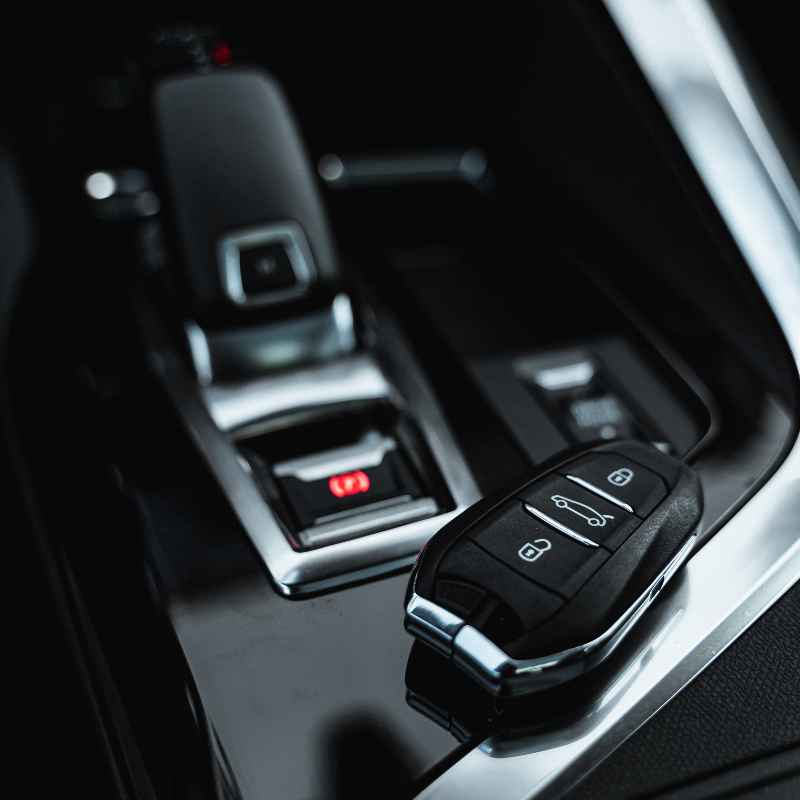
2. Hold the Fob Near the Start Button: Your car’s manual will tell you the exact spot. It’s often right on top of the push-to-start button.
Holding the fob there allows the car’s internal antenna to pick up the signal directly, even if the main receiver has trouble. This is a great emergency fix to get you home or to a service center.
3. Move to a Different Location: If you suspect interference, simply move your car a short distance. Drive it out of the parking garage, away from that large antenna, or into a more open area.
Often, this will clear the signal and allow your car to detect the fob.
4. Try Your Second Fob: If you have a spare key fob, use it. If the car starts with the spare, you know the problem lies with your primary fob, most likely its battery or internal damage.
5. Reboot the System (Sometimes Works): This is a bit of a long shot, but sometimes disconnecting the car’s battery for a few minutes can reset its computer systems. This is a more advanced step and should only be done if you’re comfortable with it, as you might need to re-enter radio presets afterward.
Consult your manual before attempting this.
6. Check for Physical Damage: If the fob looks physically damaged or has been wet, it might be beyond simple fixes. In this case, you’ll likely need a replacement fob from the dealership or a qualified locksmith.
Key Fob Battery Replacement Tips
- Identify Battery Type: CR2032 is very common.
- Open Fob Gently: Use a plastic trim tool or a small flathead screwdriver.
- Note Polarity: Ensure the new battery goes in the same way as the old one.
- Test Before Closing: Try starting the car before snapping the fob back together.
Frequently Asked Questions About Key Detection Issues
How long does a car key fob battery typically last?
A car key fob battery usually lasts about 1 to 3 years. This can vary based on how often you use the fob and the type of battery.
Can cold weather damage my key fob?
Extreme cold can temporarily weaken a key fob battery’s performance, but it doesn’t usually cause permanent damage. The issue often resolves when temperatures warm up.
What should I do if my key fob gets wet?
If your fob gets wet, remove the battery immediately. Gently dry the fob and the battery compartment. If it was just splashed, it might be okay.
If it was submerged, it may have internal damage and need replacement.
Is it safe to use a generic brand battery for my key fob?
Generally, yes, but it’s best to use a reputable brand. Ensure the battery type and size match exactly what your car requires.
How do I know if my car’s key receiver is broken?
If you’ve tried multiple key fobs and ruled out battery issues and interference, and the problem persists, it could be the car’s receiver. You might also notice other keyless features on your car not working.
Can a dealership replace my key fob if it’s broken?
Yes, dealerships can replace key fobs. They can also program them to your car. This is usually the most expensive option.
What happens if my key fob battery dies while I’m driving?
This is rare. If your fob battery is critically low, your car might give warnings. If it fails while driving, the car will likely continue running, but you won’t be able to restart it without a working fob or using the emergency start procedure.
Final Thoughts on Key Detection
That “Key Not Detected” message can be a real headache. But now you know it’s usually not a sign of a major car failure. Most of the time, it’s a simple fix like a weak key fob battery or a bit of electronic interference.
By understanding the common causes and simple steps, you can often get back on the road quickly. Remember to check your owner’s manual for your car’s specific procedures. It’s your best guide to keeping your car running smoothly.
Products related to this article
Sponsored / affiliate links. As an Amazon Associate I earn from qualifying purchases. I may earn additional commission from eligible campaigns.