Why Is Revving Your Car Engine in Park Harmful?
If you’re new to driving, you might be curious about things like Why Is It Bad to Rev Your Car in Park? It seems like a harmless way to make some engine noises, right? This is a common question, and sometimes people think it’s just fine. Don’t worry, though; we’ll break down the reasons behind this and clear up any confusion you might have. We’ll go step by step, so you can fully explore why revving your car in park isn’t a great idea.
Reasons to Avoid Revving a Car While Stationary
Revving your car in park might sound like fun, but it can cause problems you might not even realize. It’s important to know how your engine works and what can go wrong if you push it too hard while stationary. This section will explore the core reasons why doing this can lead to issues, covering everything from the engine’s internal workings to the potential effects on different parts of your car. This exploration will provide a more detailed look at the mechanics behind it all.
Engine Strain and Premature Wear
The engine of your car is built to work under specific conditions. When you rev it in park, you’re essentially telling it to work very hard without the benefit of being in motion. This extra strain can cause significant wear and tear over time. Parts like the pistons, connecting rods, and crankshaft are all placed under much more stress than they would normally be under regular driving conditions. This increased stress can lead to reduced longevity and potential mechanical issues down the road.
- Excess Heat Buildup: Revving the engine generates a lot of heat very quickly. Without airflow from driving, this heat can build up and potentially damage components. The cooling system works harder, too.
- Accelerated Wear on Moving Parts: The engine’s many moving parts are constantly rubbing against each other. High RPMs in park greatly increase friction, causing these parts to wear down faster.
- Oil Degradation: The oil’s job is to protect your engine by lubricating these moving components. Excessive revving can cause the oil to break down more quickly, reducing its ability to protect the engine.
- Carbon Buildup: Revving can also contribute to carbon buildup inside the engine, which can lead to problems like reduced performance and potential damage to valves and pistons.
Imagine your engine as a team of athletes. When they are constantly asked to sprint without a chance to rest, they’ll burn out sooner. Similarly, your car’s engine isn’t designed for sustained, high-RPM operation while stationary. This can lead to decreased engine life and potentially expensive repairs.
Transmission Woes
Revving your engine in park also indirectly affects your transmission. While the transmission isn’t directly engaged in park, the stress on the engine can still translate to potential problems. This can include issues with the transmission’s fluid, seals, and overall lifespan. Understanding these potential consequences is key to maintaining your car’s transmission system. We’ll discuss the indirect impact on transmission-related components.
- Fluid Contamination: The extreme stress and heat can lead to the transmission fluid degrading. This contaminated fluid then cannot properly lubricate and protect the transmission.
- Seal Degradation: High engine RPMs can indirectly affect the seals within your transmission. Over time, heat and stress can cause these seals to become brittle or crack.
- Indirect Stress: Even though the transmission isn’t directly engaged in Park, all components are connected, and any major engine stress can influence transmission wear.
Because the engine and transmission are closely linked, problems in one area can easily influence the other. Ignoring the harmful impacts of revving can result in costly transmission repairs or even complete
Potential for Other Damage
Beyond the engine and transmission, revving in park can also cause damage to other car parts. Understanding these impacts can give you a more complete picture of why it’s not a good practice. This includes issues affecting your exhaust system, the catalytic converter, and even the electrical system. Awareness of these issues will help you to protect all of your vehicle’s components.
- Exhaust System Issues: Excessive revving can cause the exhaust system to overheat. This can lead to premature wear and tear, and potential damage to the exhaust manifold and catalytic converter.
- Catalytic Converter Damage: Your catalytic converter’s purpose is to clean your exhaust fumes. Revving in park can increase the exhaust temperature and potentially damage this part, which is costly to replace.
- Electrical System Strain: High RPMs can lead to the alternator working harder to provide power. This increased load can strain the electrical system components, like the battery and alternator itself.
When you rev your engine excessively in park, your entire vehicle is affected. It is best to avoid this practice to protect these vital systems. The cost of repair and replacement is substantial, so protecting your investment is well worth the effort.
Driving Scenarios and Associated Risks
Understanding how the practice of revving your engine in park can affect your car is important, but it’s also important to know when and where it’s particularly risky. Exploring potential situations that contribute to engine problems is helpful. This can include anything from cold starts to specific driving habits, helping you to make sound driving choices.
Cold Starts and Engine Damage
Starting a cold engine, and then revving it while in park, can be particularly bad. The oil hasn’t had time to circulate and lubricate the engine components. Revving the engine before the oil has reached all parts means these components can experience increased friction and wear, leading to potential damage. Waiting for the engine to warm up is a critical practice.
- Lack of Lubrication: When you start a cold engine, the oil is thick and hasn’t circulated fully. Revving before the oil flows can cause increased friction.
- Component Wear: The lack of proper lubrication means metal-on-metal contact, leading to rapid wear and tear.
- Potential for Damage: This friction can damage the engine’s internal components, potentially shortening its lifespan.
A good rule to remember is to let your car warm up before pushing it. This allows the oil to properly lubricate the engine and prevents potential damage.
Revving for Fun and Risks
Many people find revving the engine in park fun, perhaps to hear the sound or feel the power. However, this is one of the behaviors that can lead to significant problems. Knowing about these habits and their consequences is vital for maintaining your car’s longevity.
- Excessive Wear: Repeatedly revving the engine, even just for fun, increases wear on engine components.
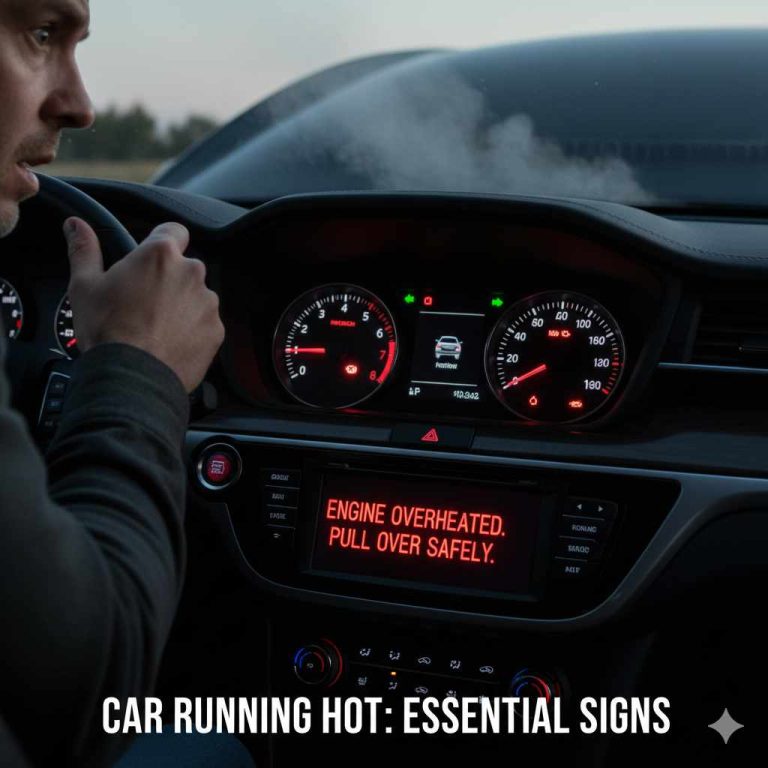
- Overheating: Continuous high RPMs can cause your engine to overheat, leading to expensive repairs.
- Fuel Waste: Revving the engine burns more fuel without any benefit, essentially wasting money.
While the sound of an engine can be fun, the long-term effects of this action can result in problems that cost you time, money, and headaches. Appreciating and respecting your car’s mechanical needs is a great way to help it last longer and perform well.
Impact of Poor Driving Habits
Beyond the simple act of revving, some driving behaviors can lead to increased engine strain. Aggressive driving habits, such as quick acceleration or sudden braking, can create wear and tear. Recognizing these behaviors and their impacts is an important part of maintaining your car.
- Aggressive Acceleration: Rapidly accelerating puts increased stress on the engine and transmission, leading to premature wear.
- Sudden Braking: Frequent, hard braking can also negatively impact the engine, particularly if it’s coupled with aggressive downshifting.
- Ignoring Warning Signs: Not paying attention to warning lights or strange noises can lead to serious engine problems.
Paying attention to your driving style and the condition of your car will help keep your vehicle in tip-top shape. By driving responsibly and being mindful of your engine’s needs, you can greatly extend its life and save on repair costs.
What You Can Do to Protect Your Vehicle
Knowing that Why Is It Bad to Rev Your Car in Park? is important, but what can you do to protect your vehicle? Protecting your engine starts with a few simple steps. This includes regular maintenance, adopting sound driving habits, and knowing when to seek professional help. We will also look at how to maintain your car’s engine health and overall performance.
Regular Maintenance and Checks
The first and most important step to protecting your vehicle is following a regular maintenance schedule. Regular oil changes, filter replacements, and other services will keep your engine running smoothly and prevent potential problems. Staying on top of these tasks can save you time and money, and prevent costly repairs. These small steps make a big difference.
- Oil Changes: Change your oil and filter based on the manufacturer’s recommendations. This keeps the engine lubricated and free of contaminants.
- Fluid Checks: Regularly check and top off fluids like coolant, brake fluid, and transmission fluid. This keeps these systems functioning properly.
- Filter Replacements: Change your air and fuel filters to keep the engine running efficiently. This improves engine performance and fuel efficiency.
Regular maintenance ensures that all parts of your car are running well, and that any potential problems are caught early before they become bigger. This proactive approach protects the investment you’ve made in your vehicle.
Adopting Healthy Driving Habits
Along with regular maintenance, adjusting your driving habits can greatly extend the life of your engine. Avoiding things such as unnecessary revving, harsh acceleration, and sudden braking can reduce strain on the engine and other components. Taking control of your driving style can improve not only the vehicle’s lifespan, but your safety and fuel efficiency as well.
- Smooth Acceleration: Accelerate gently instead of flooring it. This reduces stress on the engine and transmission.
- Avoid Sudden Braking: Anticipate stops and brake smoothly. This reduces wear on brakes and the engine.
- Warm-Up Before Driving: Give your engine time to warm up before driving. This allows oil to circulate and lubricate the components.
Driving responsibly is a great way to take care of your car. Healthy driving habits not only protect your vehicle, but also make your driving experience safer and more enjoyable.
When to Seek Professional Help
Sometimes, even with the best maintenance and driving habits, problems can occur. Knowing when to take your car in for professional help is important. This may involve visiting a certified mechanic for a full assessment. Addressing issues promptly can prevent small problems from turning into costly repairs. Early detection and intervention are key.
- Unusual Noises: If you hear any strange noises, such as knocking, clicking, or hissing, have your car checked.
- Warning Lights: If the check engine light or any other warning lights come on, take your car in for inspection.
- Performance Issues: If your car doesn’t perform as it should, such as struggling to accelerate or getting poor fuel economy, see a mechanic.
Taking care of your car also means knowing when to ask for help. A professional mechanic can diagnose problems, perform repairs, and ensure that your vehicle stays in top shape. Don’t delay addressing problems, as this can lead to bigger and more expensive repairs later on.
Real-Life Examples and Case Studies
Learning about the theoretical aspect of Why Is It Bad to Rev Your Car in Park? is useful, but real-life examples can make the information clearer. Case studies can help you understand the potential consequences of revving your engine in park, offering concrete examples of the kind of problems that may arise. These examples demonstrate the impact of the practice, and underscore the value of responsible car care.
Case Study 1: Engine Overheating After Prolonged Revving
Consider the situation of a teenager who frequently revved their car in park to show off. They would hold the engine at high RPMs for extended periods. Over time, the engine began to overheat, eventually leading to a cracked cylinder head and needing a complete engine rebuild. The mechanic reported the cause of the damage to be directly related to the high-RPM operation and associated heat buildup, leading to thousands of dollars in repairs. This case demonstrates the costly results of ignoring proper engine care and overdoing revving.
Case Study 2: Transmission Failure Due to Engine Stress
A driver frequently revved their automatic transmission car while waiting at drive-throughs and stoplights. Over time, the constant stress on the engine caused damage to the transmission’s internal components. Eventually, the transmission failed completely, requiring a replacement. The mechanic stated that the transmission failure was directly linked to the engine stress and heat generated by the driver’s habits. The repair cost ran high and the incident was a strong lesson in the importance of responsible driving habits.
Case Study 3: Catalytic Converter Damage From Exhaust Temperature
A car owner frequently revved their older vehicle in park to check the engine sound. The practice increased the exhaust temperature and contributed to the damage of the catalytic converter. The damaged converter led to performance issues and the need for expensive replacement. The mechanic concluded that the damage was due to the added heat from the engine being revved unnecessarily. This real-life example highlights the potential for damage to exhaust components.
These real-life scenarios offer insights into the practical effects of damaging driving behaviors. They demonstrate the importance of taking care of your vehicle and highlight the real-world consequences of not being careful.
Comparison and Data Analysis
A key aspect of car care involves comparing performance and understanding data. Through comparisons and data analysis, you can get a better grip on how your car works, its operating behavior, and how you can care for it best. This can assist in improving performance, maximizing the lifespan of your vehicle, and saving money on repairs. We’ll look at the differences between the engine’s performance at different RPMs and potential damage.
Engine Performance Comparison at Idle vs. High RPM
Understanding how engine function changes at different RPM levels is important. At idle, the engine runs at a low and constant speed. At high RPMs, the engine works much harder, causing more friction and heat. These differences in engine operations are key to keeping your car running correctly. This is shown in the table below.
| Engine State | RPM Range | Engine Stress | Wear and Tear | Heat Generation |
|---|---|---|---|---|
| Idle (Parked) | 600-1000 | Low | Minimal | Low |
| Revving in Park | 3000-6000+ | High | Significant | High |
The table clearly shows the different stress levels, wear, and heat generation. Revving the engine in park causes high wear and tear, and high heat generation. This data reinforces the reasons for avoiding this practice to maintain the car’s longevity.
Fuel Efficiency at Different Engine Speeds
Fuel efficiency is another important consideration. Your engine consumes fuel differently at different RPM levels. High RPMs and revving in park can result in significant fuel waste. Knowing this information can influence driving habits to save fuel and money. This section will explore fuel consumption differences.
- Idle Fuel Consumption: At idle, the engine consumes fuel, but it’s relatively low compared to higher RPMs.
- High RPM Fuel Consumption: High RPMs burn significantly more fuel per minute because the engine works harder.
- Wasteful Revving: Revving in park uses fuel for no driving benefit, leading to wasted fuel and more trips to the pump.
Understanding fuel consumption habits is an important part of making economical and environmentally sound driving decisions.
Vehicle Performance Over Time
The performance of your car can change over time. Engine revving can play a part in these changes. Proper driving habits, routine maintenance, and other factors help to preserve your car’s performance over its life. Here are some of the things you can do to keep your car operating optimally over the years.
- Regular Maintenance: Regularly changing oil, checking fluids, and getting tune-ups can help the engine run at its best.
- Driving Habits: Using a smooth acceleration pattern, avoiding excessive revving, and slowing down gradually helps reduce engine wear.
- Professional Inspections: Regular visits to a mechanic can help catch potential issues before they cause costly damage.
The combined effect of good maintenance and driving habits will prolong the life of your vehicle and help it operate well for many years.
Frequently Asked Questions
Question: Is revving in neutral as bad as revving in park?
Answer: Yes, revving in neutral is generally as bad as revving in park. It puts the same stress on the engine without the car being in motion.
Question: Does revving the engine in park damage all cars?
Answer: Yes, revving in park has the potential to harm any car’s engine, even newer ones. The potential for damage is the same.
Question: How often can I rev my car in park without damage?
Answer: It’s best to avoid revving your car in park as much as possible, as any unnecessary revving can cause wear and tear. Even infrequent revving can have consequences.
Question: Is it okay to rev my engine to warm it up in park?
Answer: No, it is not recommended to rev your engine in park to warm it up. The engine should warm up at idle speed to properly circulate the oil.
Question: Can I rev my engine in park to remove water from the exhaust?
Answer: No, revving your engine in park will not help remove water. It is better to drive the car normally, as the heat and exhaust pressure will help expel any accumulated water.
Final Thoughts
So, we’ve explored the ins and outs of Why Is It Bad to Rev Your Car in Park?, and the reasons why doing this is not the greatest idea for your car. We’ve discussed how it stresses your engine, could mess up your transmission, and might cause problems for other parts, too. We also explored what to do to take care of your car and what it means to be a responsible driver. Understanding this means that you now have the tools you need to keep your car in great shape for a longer time.
The important thing is to remember that avoiding revving in park and practicing safe driving habits can save you money and headaches in the long run. By taking a few simple steps, like regular maintenance and keeping an eye on your driving style, you’re investing in your car’s long-term health. Be smart, drive responsibly, and your car will thank you!