Why Is The AC Light Blinking In My Car: **Essential** Fix
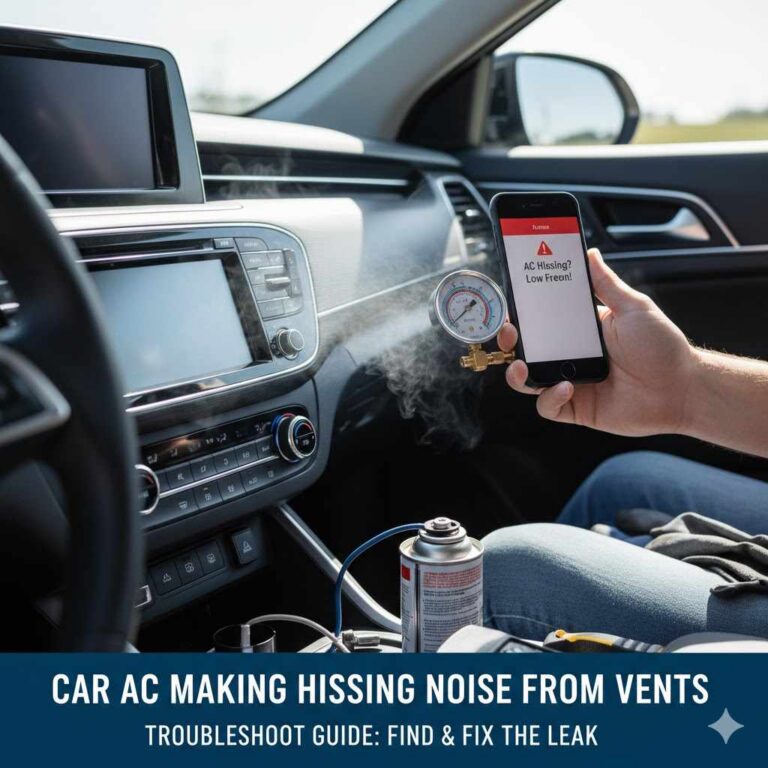
The AC light blinking in your car usually signals a problem with the air conditioning system, often related to low refrigerant, electrical issues, or sensor malfunctions. Don’t worry, this guide will help you understand why it’s happening and outline simple steps to figure out the fix.
Why Is My Car’s AC Light Blinking? Let’s Get It Fixed!
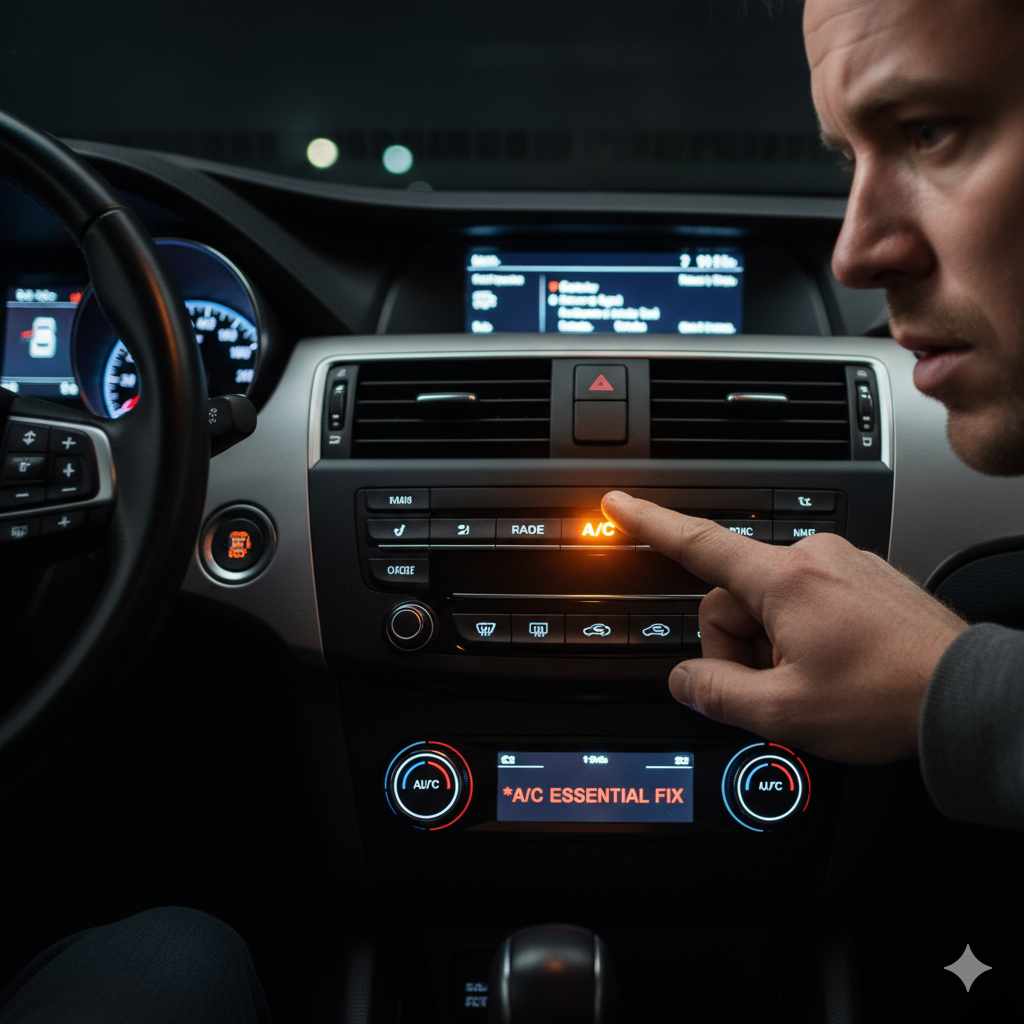
Ever noticed that little AC light on your dashboard start blinking? It can be a bit of a mystery, and if you’re not a car expert, it might even feel a little alarming. You’re trying to stay cool, and suddenly this indicator throws a wrench in the works. This blinking light is your car’s way of telling you something isn’t quite right with the air conditioning system.
Sometimes it’s something simple, and other times it points to a more involved issue. But the good news is, a blinking AC light is often a clue to what’s going on. We’re here to break down exactly what it might mean and what you can do about it, step-by-step. Let’s dive in and get your cool air back!
Understanding the Blinking AC Light: What Does It Mean?
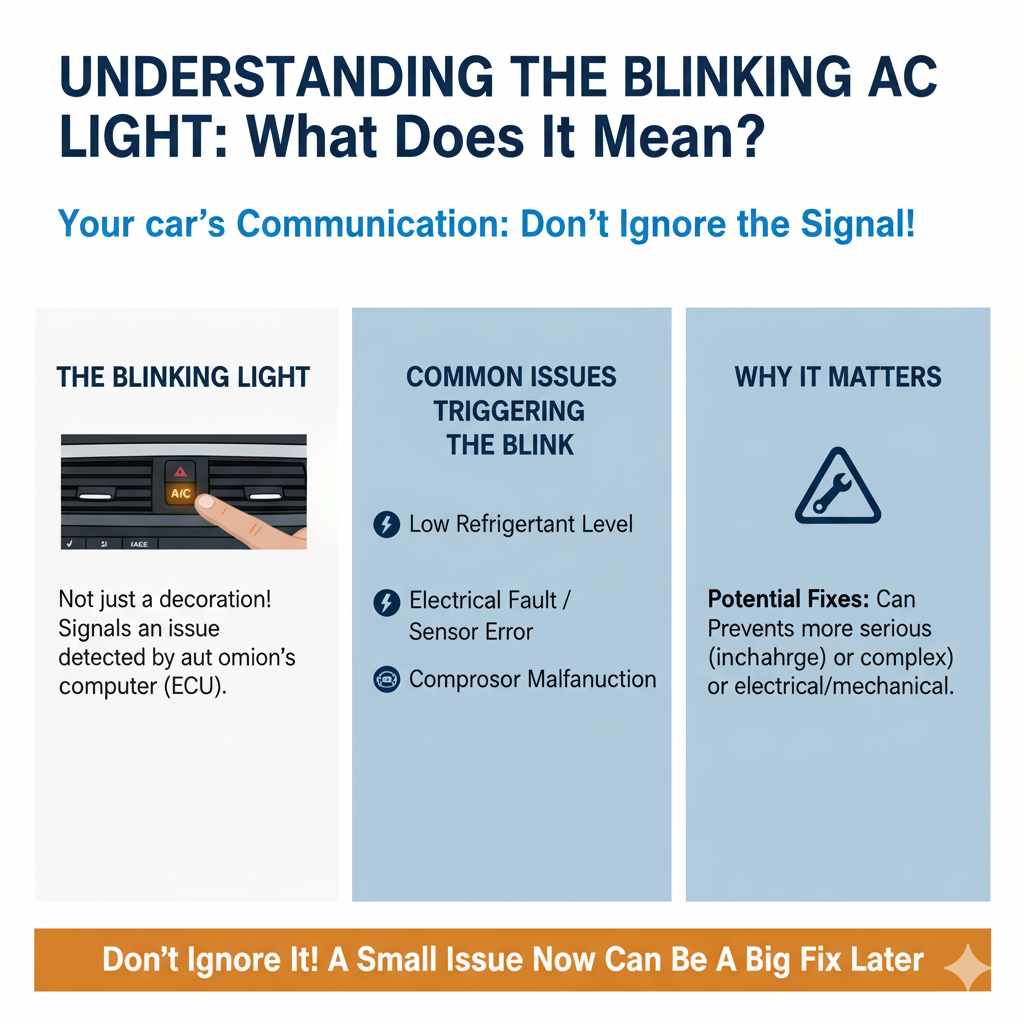
That blinking little light isn’t just for decoration; it’s a communication tool from your car. When the AC light blinks instead of staying solid, it’s a signal that the air conditioning system has detected an issue and is trying to alert you. This can be anything from a simple low refrigerant level to a more complex electrical problem. Your car’s onboard computer (often called the ECU or Engine Control Unit) monitors various sensors within the AC system. If any of these sensors report a reading outside its normal range, or if there’s a communication error, the ECU might trigger the blinking AC light as a warning.
Think of it like a check engine light, but specifically for your cooling. It’s not necessarily a “stop the car immediately” situation, but it’s definitely something you shouldn’t ignore. Ignoring it could lead to more significant damage to your AC system and potentially more expensive repairs down the line.
Common Causes for a Blinking AC Light
There are several common culprits behind that blinking AC light. Recognizing these can help you narrow down the problem and decide on the best course of action.
Low Refrigerant (Freon) Levels
This is perhaps the most frequent reason for a blinking AC light. Refrigerant is the special gas that circulates through your AC system, absorbing heat from the cabin and releasing it outside. If there’s a leak in the system, the refrigerant level will drop. The AC compressor might have a pressure sensor that detects this low pressure and tells the car’s computer to flash the AC light. Your AC might also stop blowing cold air when this happens.
Faulty AC Pressure Switch or Sensor
Modern AC systems have various pressure switches and sensors to monitor the refrigerant pressure. If one of these sensors malfunctions, it might send incorrect readings to the car’s computer, even if the refrigerant level is fine. This can cause the computer to think there’s a problem, triggering the blinking light.
Electrical Issues
The AC system relies on a network of electrical components, including fuses, relays, wiring, and the climate control module. A blown fuse, a loose wire, a faulty relay, or a problem with the control module itself can all interrupt the system’s operation and cause the AC light to blink.
AC Compressor Problems
The AC compressor is the heart of the system, responsible for circulating the refrigerant. If the compressor is failing, it might not be operating correctly. This could be due to internal damage, low oil levels, or an electrical issue with the compressor clutch. The car’s computer may detect abnormal behavior from the compressor and signal it with a blinking light.
Blend Door Actuator Failure
Inside your dashboard, blend doors control the mix of hot and cold air and direct airflow. If the actuator that moves these doors fails, it can cause problems with temperature control and airflow. Some vehicles may display a blinking AC light in such cases, especially if the system cannot regulate the temperature as commanded.
Climate Control Module Malfunction
The climate control module is the central brain for your car’s heating and cooling. If this electronic module experiences a fault, it can manifest in various ways, including a blinking AC light and erratic behavior of the entire climate control system.
Decoding the Blinking Light: Diagnostic Steps for Beginners
Before you rush to a mechanic, there are a few basic things you can check yourself. These diagnostic steps can help you get a clearer picture of what might be wrong.
Step 1: Observe the AC System’s Performance
Start by paying attention to how your AC is behaving.
Is it blowing any air at all? If there’s no airflow, it could point to a fan issue or something blocking the air intake.
Is the air cold, cool, or just room temperature? If it’s not cold, low refrigerant or a compressor issue is more likely.
Does the blinking happen all the time, or only when you first turn on the AC? This can sometimes offer clues.
Step 2: Check the Fuses and Relays
A simple electrical hiccup is often the culprit.
Locate your car’s fuse box. This is usually found under the dashboard, in the glove compartment, or in the engine bay. Consult your owner’s manual for the exact location.
Identify the AC or climate control fuses/relays. Your owner’s manual will have a diagram of the fuse box, labeling each one.
Visually inspect the relevant fuses. A blown fuse will have a broken wire inside. Gently pull them out with a fuse puller (often found in the fuse box or sold separately) and check.
Check AC relays. Relays are a bit trickier to test without specific tools, but you can sometimes swap a suspect relay with an identical one from a non-critical system (like the horn or radio) to see if the problem changes.
Step 3: Inspect for Obvious Leaks or Damage
While you shouldn’t necessarily go poking around high-pressure AC lines, a visual inspection can sometimes yield clues.
Look for any oily residue. Refrigerant often contains a small amount of oil to lubricate the system. If you see oily stains around AC components (like hoses, connections, or the compressor), it might indicate a leak.
Check for any visible damage to AC lines or the condenser. This is less common for a simple blinking light, but significant damage could be a factor.
Step 4: Note Any Other Dashboard Lights
Is the blinking AC light the only warning you’re seeing?
Check the “Check Engine” light. Sometimes, issues in the AC system can trigger the check engine light, indicating a broader engine management problem.
Observe other warning lights. Are there any other unusual indicators on your dashboard? This can help a mechanic diagnose the problem more accurately.
Step 5: Consult Your Owner’s Manual
Your car’s owner’s manual is an invaluable resource. Many manuals will list what different blinking lights mean or provide basic troubleshooting steps. It’s always the first place to look for car-specific information.
When to Call a Professional Mechanic
While some issues can be identified with basic checks, AC systems are pressurized and complex. If you’ve gone through the initial steps and the light is still blinking, or if you suspect a refrigerant leak or a major component failure, it’s time to seek professional help.
Here are signs that indicate it’s time for a pro:
You suspect a refrigerant leak. Refrigerant is harmful to the environment and requires special equipment to handle safely.
The AC is not blowing cold air. This often points to a system-wide issue.
You hear strange noises. Grinding, hissing, or clunking sounds from the AC system are worrying.
You’re uncomfortable performing further checks. Safety first! If you’re unsure, let a professional handle it.
Your basic checks didn’t solve the problem. Fuses are fine, but the light persists.
A qualified mechanic has the specialized tools and knowledge to diagnose and repair AC systems correctly, ensuring your safety and the longevity of your vehicle.
Tools You Might Need for Basic Checks
For the DIY checks mentioned above, a few basic tools can be very helpful.
Owner’s Manual: Indispensable for locating fuse boxes and understanding your car’s specific systems.
Flashlight: For inspecting dark areas of the engine bay or dashboard.
Basic Socket Set or Wrench: Might be needed to access certain fuse box covers or components.
Fuse Puller Tool: Essential for safely removing and inspecting fuses. Many vehicles include one in their toolkit.
Gloves: To keep your hands clean when working under the dashboard or in the engine bay.
Safety Glasses: Always a good idea when working on cars to protect your eyes.
Common AC Dashboard Indicators: A Quick Guide
Your car’s climate control panel has several indicators. Understanding them can prevent confusion.
| Indicator Light | What It Typically Means |
|---|---|
| AC (Solid Light) | Air conditioning system is engaged and expected to work. |
| AC (Blinking Light) | AC system fault detected. Often indicates low refrigerant, electrical issue, sensor problem, or compressor issue. Consult manual or mechanic. |
| ECON Mode | Energy-saving mode; recirculates air, reduces compressor load. AC might feel less powerful. |
| MAX AC | Maximum cooling mode; directs all air through the evaporator for the coldest air. |
| Recirculation Icon | Air is being recirculated inside the cabin, improving cooling efficiency and filtering air. |
| Fresh Air Icon | Outside air is being drawn into the cabin. |
Understanding Refrigerant Leaks
Refrigerant leaks are a very common problem with car AC systems. These leaks can occur due to vibration, road debris, or wear and tear on AC components. The consequences of a leak go beyond just a loss of cooling.
Environmental Impact: Refrigerants, like R134a (common in many cars) and older R12, are potent greenhouse gases. Leaking them into the atmosphere is harmful. Professionals use specialized equipment to recover and recharge systems, preventing these emissions.
System Damage: When refrigerant leaks out, so does the lubricating oil. Without proper lubrication, the AC compressor can quickly become damaged and seize up, leading to a much more expensive repair.
Moisture Contamination: If the system loses too much refrigerant, it can draw in moist air from the outside. Moisture inside your AC system can freeze and create blockages, or react with the refrigerant and oil to form corrosive acids that damage internal components. For more information on refrigerant handling and environmental regulations, you can refer to resources from the Environmental Protection Agency (EPA).
Electrical and Sensor Faults Explained
Beyond refrigerant issues, electrical problems are another major cause of blinking AC lights.
Pressure Switches: These devices are crucial. They monitor the pressure of the refrigerant. If the pressure is too high or too low, the switch signals the car’s computer. A faulty switch might “lie” to the computer, causing the blinking light even if the pressure itself is okay.
Temperature Sensors: These measure the temperature of the air coming out of the vents or the evaporator core. A malfunctioning sensor can lead to incorrect climate control settings and potentially trigger a fault light.
Wiring Harnesses: The complex network of wires that carry signals to and from AC components can become damaged by heat, friction, or corrosion. A frayed or broken wire can cause intermittent or complete failure of a component, resulting in a blinking light.
Control Module Issues: The climate control module receives inputs from all sensors and orchestrates the blower motor, compressor clutch, and blend doors. Software glitches or hardware failures in this module can cause it to misinterpret data and signal a problem via the blinking AC light.
AC Compressor: The Heart of the System
The AC compressor is a vital, and often expensive, component. Its job is to compress the refrigerant, increasing its pressure and temperature, which is essential for the cooling cycle.
Compressor Clutch: Many compressors have a clutch that engages and disengages them from the engine’s drive belt. If this clutch fails (electrically or mechanically), the compressor won’t spin, and you won’t have AC. The car’s computer often detects this failure.
Internal Wear: Like any mechanical part, compressors can wear out over time. This can lead to reduced efficiency, strange noises, or outright failure, all of which could trigger a warning light.
Lubrication: The refrigerant system contains a special oil that lubricates the compressor. If refrigerant leaks out, oil also escapes, leading to dry running and eventual compressor damage.
Troubleshooting Specific Car Models
While the causes are generally universal, some car manufacturers have specific diagnostic codes or common issues associated with their AC systems. For example:
Some Honda models might show a blinking AC light due to a faulty evaporator temperature sensor or a refrigerant charge issue.
Many European cars (like BMW or Mercedes-Benz) can have complex climate control modules that might require specialized diagnostic tools to read specific trouble codes.
Ford vehicles sometimes have issues with the AC pressure cycling switch or the blower motor resistor.
Your car’s owner’s manual is the best starting point. However, for model-specific known issues, searching online forums dedicated to your car’s make and model can be incredibly insightful. You might find that other owners have faced the exact same blinking light and found a specific solution.
When to Say “I Need a Mechanic”
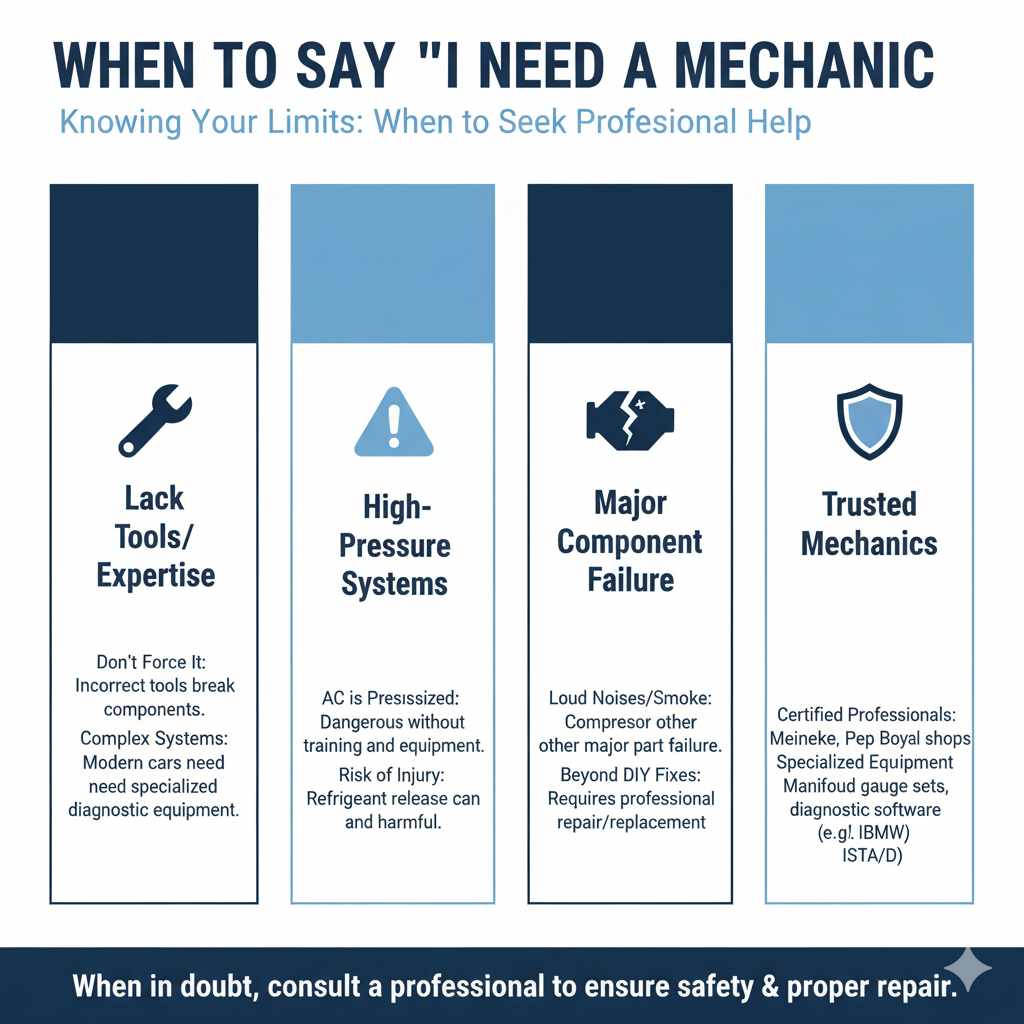
It’s empowering to do some basic checks, but knowing your limits is key to avoiding further damage or injury.
If you don’t have the right tools: Trying to force things without the correct tools can break components.
If the system is under pressure: AC systems operate under significant pressure. Releasing this pressure could be dangerous if you don’t know what you’re doing.
If you suspect a major component failure: For example, if the compressor is making loud noises or you see smoke, it’s beyond a simple fix.
If your car requires specialized diagnostic equipment: Many modern cars use sophisticated diagnostic computers that only mechanics have access to. For instance, accessing BMW’s ISTA/D diagnostic software or a similar manufacturer-specific tool is beyond the average DIY’er.
Consider a certified mechanic from a shop like Meineke or Pep Boys if you’re looking for a national chain, or a trusted local independent mechanic. They have the equipment to precisely measure refrigerant levels (using tools like a manifold gauge set) and diagnose electronic faults.
FAQ: Your Questions About the Blinking AC Light Answered
Will my car be okay if I keep driving with the AC light blinking?
While your car might still function, driving with a blinking AC light is not recommended. It signals an issue that could worsen over time, potentially leading to more expensive repairs, such as a damaged compressor or a complete AC system failure. It’s best to address the problem sooner rather than later to avoid further issues and ensure your AC system works reliably.
Can I just add more refrigerant to fix the blinking light?
Adding refrigerant yourself without knowing the exact cause of the blinking light can be risky. If the light is due to an electrical fault or a faulty sensor, adding refrigerant won’t help and might even over-pressurize the system. If there’s a leak, simply topping it off is a temporary fix; the refrigerant will just leak out again. It’s crucial to diagnose why* the refrigerant is low (i.e., find and fix the leak) before recharging.
How much does it typically cost to fix a blinking AC light?
The cost can vary widely. A simple fix like replacing a blown fuse or a faulty pressure switch might only cost $100-$300. However, if you need to repair a refrigerant leak, recharge the system, or replace a major component like the compressor, costs can range from $500 to over $1500.
Is it possible for the blinking AC light to be a false alarm?<?
Yes, it is possible. A faulty sensor, a loose electrical connection, or a glitch in the car’s computer can sometimes trigger the warning light even if the AC system is otherwise functional. However, it’s always best to have it checked by a professional to rule out any genuine underlying problems.
What’s the difference between the AC light blinking and being on solid?
solid AC light usually means the system is engaged and functioning as expected. A blinking light, on the other hand, is a warning indicator. It means the car’s self-diagnostic system has detected a fault within the air conditioning circuit and is alerting you that something is not right. It’s the car’s way of saying, “Pay attention to me!”
Can a dirty cabin air filter cause the AC light to blink?
A very clogged cabin air filter can restrict airflow to the point where the evaporator coil inside your dashboard might freeze up. This can cause the AC system to malfunction and, in some vehicles, could potentially trigger a blinking AC light. It’s a good idea to check and replace your cabin air filter regularly as part of your car’s maintenance.</p>
Conclusion: Getting Back to Cool Comfort
That blinking AC light on your dashboard is a signal, not necessarily a disaster. By understanding the common reasons behind it – from simple refrigerant issues to more complex electrical faults – you’re already ahead of the game. For beginners, performing basic checks like inspecting fuses and observing the system’s performance can provide valuable clues.
However, remember that car AC systems are intricate and often operate under pressure. When in doubt, or when the problem seems beyond a quick fix, don’t hesitate to consult a qualified mechanic. They have the tools and expertise to accurately diagnose and repair the issue, ensuring your AC system is not only blowing cold air again but is also safe, efficient, and reliable for all your drives. Taking care of this little blinking light now will save you discomfort and potentially significant repair costs down the road. Stay cool and drive on!