Why is the Traction Control Light on in My Car: Solving Mysteries
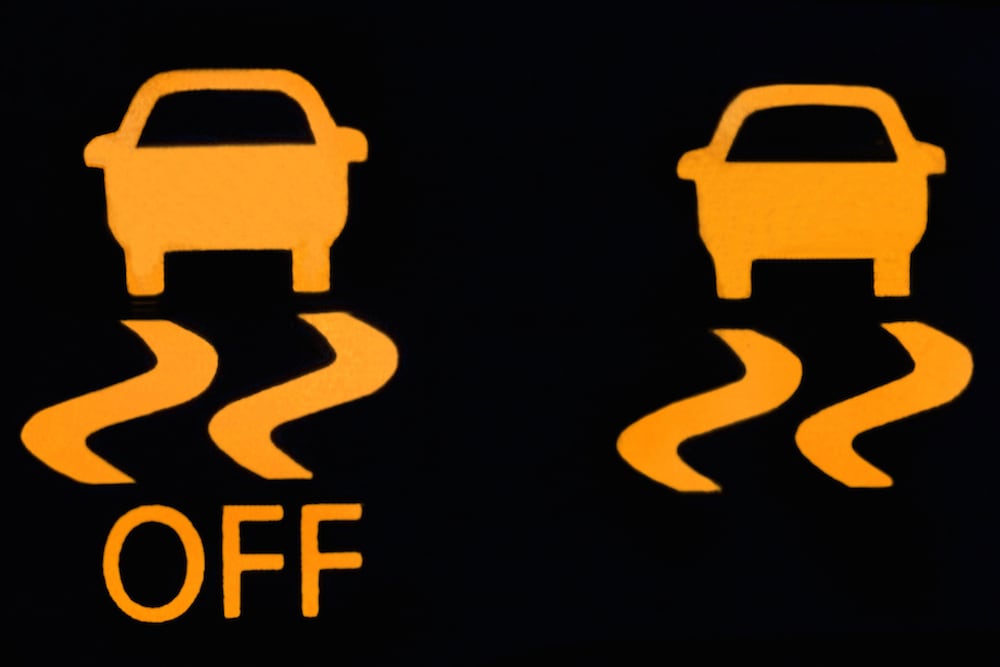
You’re cruising down the road, enjoying your drive, when suddenly, a light on your dashboard catches your eye—the traction control light. What does it mean?
Should you be worried? If you’ve ever found yourself puzzled by this unexpected glow, you’re not alone. This little light can seem mysterious, but understanding why it’s on can make all the difference in ensuring your safety and your car’s performance.
We’ll break down the reasons behind your car’s traction control light coming on, helping you stay informed and in control. Don’t let a simple dashboard light become a source of stress; by the end of this read, you’ll know exactly what steps to take. Stay with us to uncover the answers you need.
Causes Of Traction Control Light Activation
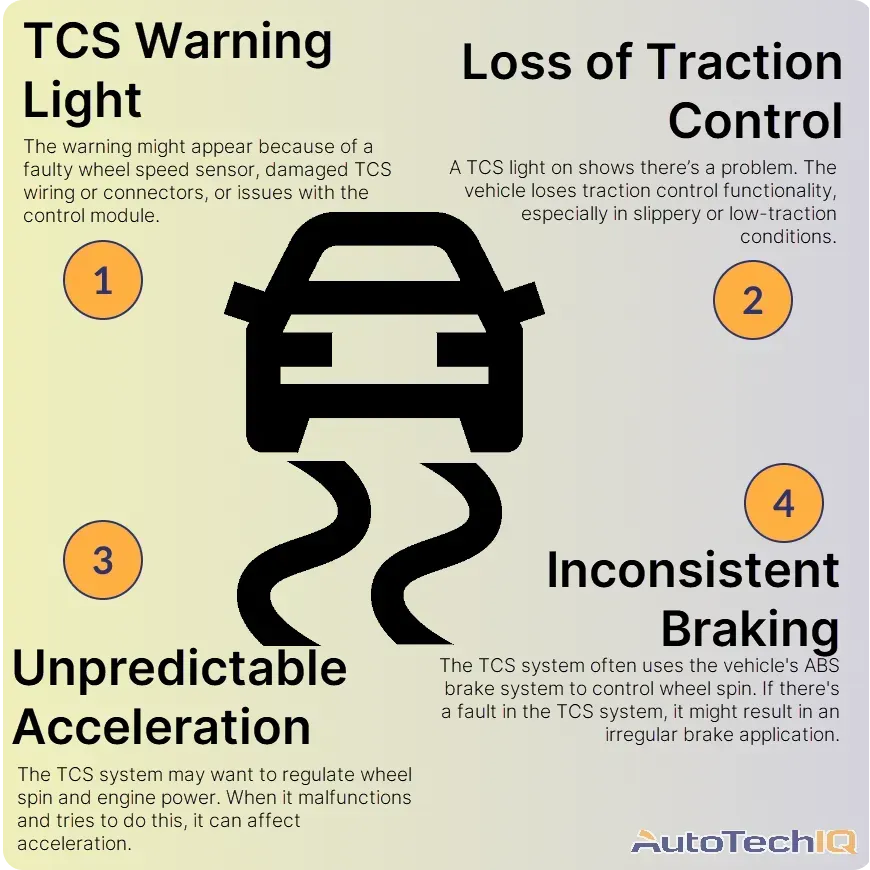
Sensors in your car might not work right. This can make the traction control light turn on. A bad sensor sends wrong signals. This confuses the system. So, the light stays on.
Wires connect parts of your car. Wiring problems cause the light to turn on. Wires can break or wear out. This stops signals from reaching the right place.
The wheel speed sensor checks how fast wheels spin. If this sensor fails, the light turns on. Dirty or damaged sensors cause problems. They can send wrong data to the system.
The brake system helps stop your car. Brake issues can make the light appear. Low brake fluid or worn-out brakes are common problems. These affect traction control.
The differential helps wheels turn at different speeds. Problems here can activate the light. If gears or fluids are worn out, it causes trouble. This makes the light stay on.
Credit: www.yourmechanic.com
Identifying Warning Signs
Your car may not speed up fast. Acceleration might feel slow. The engine could feel weak or tired. This can mean trouble with traction control.
Listen for strange sounds. A whirring or grinding noise is bad. It can mean a problem. The noise might come from the wheels or engine.
The car may not steer well. Turning might be hard. The car could feel wobbly. This can be due to traction issues. Check the car soon.
Look at the dashboard. A light might blink. It shows a problem. The traction control light is important. It warns of car trouble.
Steps To Diagnose The Problem
Get a diagnostic tool for your car. Plug it into the car’s OBD-II port. The tool will show error codes. These codes tell what’s wrong. Write down the codes. Use the car’s manual to find out what they mean.
Look at the sensor wires. Make sure they are tight. Loose wires can cause problems. Check for any damage. Fix or replace broken wires. This helps keep the sensors working well.
Wheel speed sensors are near the wheels. They tell the car’s speed. Check if they are clean. Dirt can stop them from working. Clean them with a soft cloth. Make sure they are not broken.
The brake system is important. Check the brake fluid. It should be at the right level. Look at the brake pads. Make sure they are not worn out. Good brakes help keep the car safe.
Common Solutions
Sensors help the car know what’s happening. If sensors are bad, the car gets confused. The traction control light comes on. Replace bad sensors to fix this. New sensors can make the car safe again. It’s important to fix them soon.
Wires help send messages in the car. Broken wires mean messages get lost. This can turn on the traction control light. Fixing or changing wires can help. Good wires keep messages clear and the car happy.
Brakes help the car stop safely. Bad brakes can turn on the light. Check brakes often. Fix any problems you find. Good brakes help the traction control work well. This keeps the car safe.
Sometimes, a car needs a professional to look at it. They know what to do. They can find hidden problems. They can fix them right. This helps the traction control light go off. A professional check can save time and trouble.
Preventive Measures
Regular Maintenance Checksare essential for your car’s health. Check the tires, brakes, and fluids. A trusted mechanic can help. This helps catch problems early. Regular checks can prevent many issues. Your car will run smoothly.
Stay alert by Monitoring Driving Conditions. Wet roads can be slippery. Snow and ice are dangerous. Always adjust your speed. Keep a safe distance from other cars. This helps avoid accidents.
Timely Repairskeep your car safe. If something breaks, fix it soon. Small problems can become big problems. This saves money over time. It also keeps you safe on the road.
Credit: www.reddit.com
When To Seek Professional Help
Is the light always on? This might mean a bigger problem. The car’s computer could be confused. A mechanic can help fix this. They have special tools. They understand the car’s system. This can save time and keep the car safe.
Electrical problems can be tricky. Wires might be loose or damaged. This can make the light stay on. Professionals know how to check these issues. They can use special machines. These machines find problems fast. It’s best not to guess. Let experts handle it.
Safety is important. If the light is on, the car might not be safe. Traction control helps the car stay steady. Without it, accidents can happen. Driving with a broken system is risky. A mechanic can make sure the car is safe. They check everything. They fix what’s needed. This keeps everyone safe on the road.
Credit: www.cars.com
Frequently Asked Questions
How Do I Fix The Traction Control Warning Light?
Check the vehicle’s manual for guidance. Inspect sensors and wiring for issues. Reset the system using an OBD-II scanner. Seek professional help if the light persists. Regular maintenance can prevent future problems.
What Causes Traction Control Lights To Come On?
Traction control lights can activate due to faulty wheel speed sensors, ABS system issues, or low tire pressure. Sensor malfunctions, wiring problems, and brake system errors might also trigger the light. Regular maintenance helps prevent these issues and ensures safety on the road.
Can I Drive My Car With The Traction Control Light On?
Yes, you can drive with the traction control light on. It signals reduced traction. Exercise caution in slippery conditions. Check the system soon to avoid risks. Address any underlying issues promptly for safe driving.
How Much Does It Cost To Fix Traction Control?
Fixing traction control typically costs between $200 and $1,000. The price varies based on the vehicle and repair complexity. Labor charges and parts replacement can influence the total cost. Consulting a professional mechanic for a precise quote is advisable. Regular maintenance helps prevent expensive repairs.
Conclusion
Understanding why your car’s traction control light is on is vital. It alerts you to potential issues needing attention. Don’t ignore this warning sign. Regular maintenance helps prevent future problems. Check tire pressure and inspect brakes often. A visit to a mechanic can provide peace of mind.
They diagnose issues and ensure safe driving. Keep your car in top condition. Stay safe on the road. Your car’s health matters. Address these warnings promptly for worry-free driving.