Why Your Car’s Temp Gauge Is Fluctuating
If you’ve noticed your car’s Temp Gauge Going Up and Down: Should You Worry?, it’s a common concern, especially if you’re new to driving. Seeing that needle move can be unsettling, but don’t panic! This guide simplifies the topic, making it easy to spot and solve potential problems. We’ll explore the main causes and provide a step-by-step solution to keep your engine running smoothly. Let’s get started and clear up any worries.
Decoding Your Car’s Temperature Display
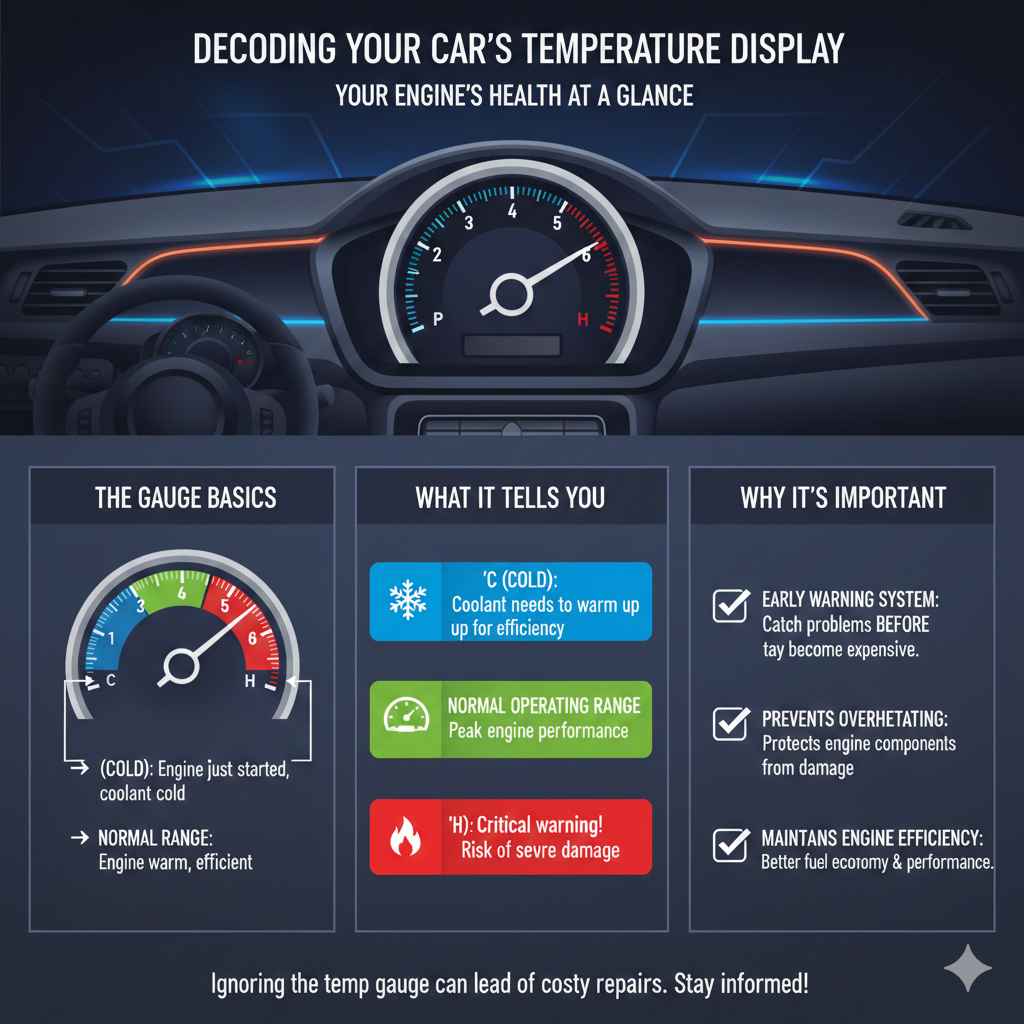
Your car’s temperature display, often called the “temp gauge,” is a crucial indicator of your engine’s health. It tells you how hot your engine coolant is. If your coolant gets too hot, it can cause severe engine damage. The gauge is generally simple: a needle pointing to a “C” (cold) at the low end and an “H” (hot) at the high end. Normal operating temperatures usually fall in the middle range. Any significant fluctuation, particularly if the needle moves erratically or heads toward “H,” requires attention. Learning to read your temp gauge is your first line of defense against potential engine issues.
What the Gauge Shows You
The temp gauge measures the temperature of the coolant circulating throughout your engine. The coolant absorbs heat from the engine and prevents it from overheating. The gauge itself is usually a dial or digital display on your dashboard, marked with “C” (cold) and “H” (hot). It is crucial to watch where the needle sits. An engine runs best when at a specific temperature. When your engine is cold, the gauge stays near the “C” mark. As the engine warms up, the needle rises toward the middle. During normal driving, the needle should remain stable in the middle of the gauge. Any significant movement beyond the normal range should prompt a closer look.
-
Normal Operating Range: The needle will usually stay in the middle once the engine is warmed up. This spot is the normal operating temperature.
This is where your engine is most efficient and where your car’s systems are working correctly. It is a sign of healthy engine performance.
-
“C” (Cold): The needle starts near “C” when the engine is cold.
This shows that the coolant is cold. It means the engine hasn’t reached its operating temperature yet. It’s normal to see this when you first start your car.
-
“H” (Hot): If the needle gets close to “H,” it means the engine is overheating.
This is a major warning. If the needle touches “H” or goes into the red zone, you need to turn off your engine right away to avoid serious damage. Never ignore this warning.
Why Is It Important?
The temperature display is extremely important because it helps you monitor your engine’s health. Overheating can lead to warping of engine components, head gasket failure, and even complete engine failure. On the other hand, if your engine doesn’t warm up enough, it won’t be as efficient, and you may experience poor fuel economy and performance. Knowing how to read your temp gauge can help you catch problems early, saving you money and preventing major issues. Ignoring the gauge can lead to costly repairs.
-
Early Warning System: The temp gauge is your early warning system.
Before any serious damage happens, the temp gauge gives you a heads-up that something is wrong. By catching problems early, you can often fix them before they become expensive problems.
-
Preventing Overheating: Prevents damage by alerting you to a high temperature.
A quick reaction to a high temperature reading can prevent major engine issues. Stopping the car and letting it cool down can often avert engine damage.
-
Maintaining Engine Efficiency: Proper engine temperature is important for efficiency.
Your engine works most efficiently at a specific temperature. The temp gauge shows you that your engine is staying in the perfect range.
Causes of a Fluctuating Temperature Display
When the Temp Gauge Going Up and Down: Should You Worry? The most common causes of fluctuating temperature displays relate to issues with the cooling system. There are several components that work together to maintain the proper engine temperature. Problems with any of these parts can cause the gauge to fluctuate, leading to engine problems. Learning these issues is crucial for early diagnosis and timely fixes.
Low Coolant Level
Low coolant levels are one of the most frequent causes of temperature fluctuations. Coolant, or antifreeze, is a fluid that circulates through your engine to absorb heat. If the level of coolant drops, the engine may overheat, causing the temperature display to fluctuate. This problem can happen due to leaks, evaporation, or a faulty coolant system component. Keep an eye on your coolant level by checking the coolant reservoir regularly.
-
Leaks: A leak in the cooling system is a common culprit.
Leaks can happen in the radiator, hoses, water pump, or other components. If coolant is leaking, your engine may not stay cool.
-
Evaporation: Some coolant evaporation is normal, but excessive evaporation can lower the level.
Make sure you do regular checks to see if your level is too low. In the case of severe evaporation, consult a mechanic.
-
Coolant System Component Failures: A faulty radiator cap or a cracked reservoir can lead to coolant loss.
These issues cause coolant to escape, leading to low levels and temperature fluctuations. Check all components for any signs of damage or wear.
Faulty Thermostat
The thermostat is a valve that controls the flow of coolant through your engine. When the engine is cold, the thermostat stays closed to allow the engine to warm up quickly. Once the engine reaches its operating temperature, the thermostat opens, allowing coolant to circulate and regulate the engine’s temperature. If the thermostat is stuck closed, it restricts coolant flow, causing the engine to overheat. If it’s stuck open, the engine may not warm up sufficiently, or the gauge may fluctuate.
-
Stuck Closed: A thermostat that’s stuck closed restricts coolant flow.
This restriction makes the engine get too hot, causing the temperature display to rise rapidly and potentially causing the engine to overheat. It’s like blocking the water pipes.
-
Stuck Open: A thermostat stuck open will cause the engine to run cold or fluctuate.
This means coolant flows continuously, preventing the engine from reaching or maintaining its proper operating temperature. The gauge might bounce up and down.
-
Intermittent Operation: The thermostat may be acting up only sometimes.
This may cause fluctuations in temperature readings. The gauge may go up and down without a steady pattern, indicating the thermostat is faulty.
Radiator Problems
The radiator is a crucial part of the cooling system, responsible for dissipating heat from the coolant. It works like a heat exchanger, transferring heat from the coolant to the outside air. Problems with the radiator, such as clogs, leaks, or a damaged core, can prevent it from working correctly. These issues can result in overheating and temperature display fluctuations. If your radiator isn’t working properly, your engine can’t stay cool.
-
Clogs: Clogs in the radiator reduce its ability to cool the coolant.
These clogs can be caused by rust, debris, or sediment. These blockages reduce the radiator’s efficiency, leading to overheating and gauge fluctuations.
-
Leaks: Radiator leaks can cause a loss of coolant, leading to overheating.
The radiator can leak from the core, the seams, or the connections. Any leak will reduce coolant levels, causing engine temperature problems.
-
Damaged Core: A damaged radiator core can’t efficiently dissipate heat.
Physical damage can impact the radiator’s ability to cool coolant. The engine can easily overheat if the core is damaged.
How to Deal with Temp Gauge Fluctuations
If you see the Temp Gauge Going Up and Down: Should You Worry? and you notice your car’s temperature display fluctuating, it’s essential to take immediate action. Ignoring this can lead to severe engine damage. Several steps can help you diagnose the problem and take action. These steps focus on safety, checking the components of the cooling system, and finding and fixing the issue.
Safety First: Pull Over and Stop
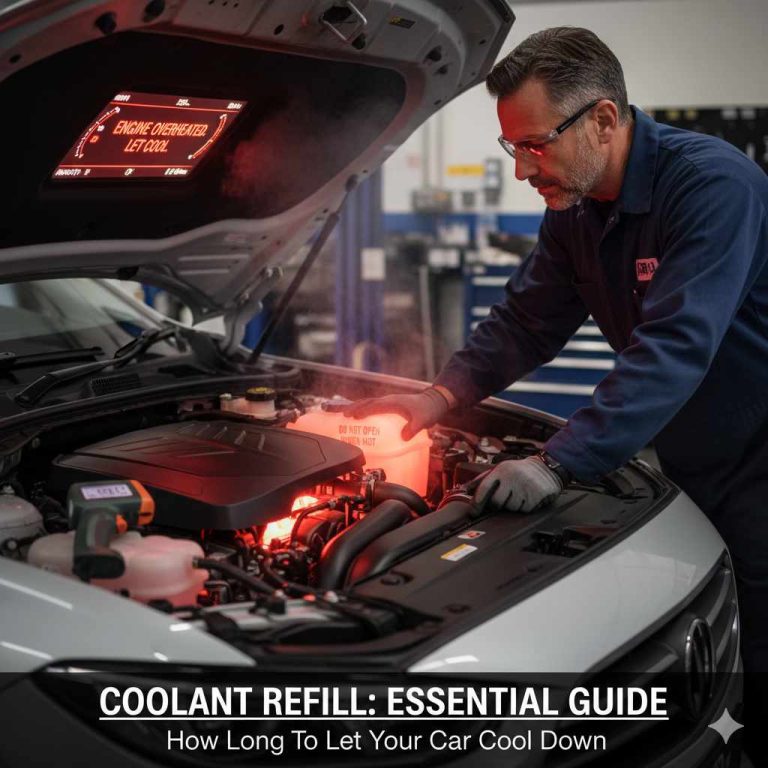
If you see your temperature gauge moving into the red zone, or if it is rapidly fluctuating, your first priority is safety. Pull over to a safe place immediately. Turn off your engine and let it cool down before opening the hood. Opening the hood may help dissipate heat and prevent further damage. Do not try to open the radiator cap while the engine is hot, as this can cause a dangerous release of steam and hot coolant. Safety is always important.
-
Pull Over Immediately: Find a safe place to stop your car.
Look for a safe spot on the side of the road, in a parking lot, or any place where you won’t be in danger. Your safety comes first.
-
Turn Off the Engine: Shut down the engine as soon as possible.
This helps prevent further overheating and damage to the engine components. It’s important to give the engine a break from running hot.
-
Let the Engine Cool: Allow the engine to cool down before you start to inspect it.
This usually takes at least 30 minutes, allowing the pressure to drop, and preventing burns. Do not try to work on the engine when it is very hot.
Check Coolant Level
After letting your engine cool, the next step is to check your coolant level. Open the hood carefully and find the coolant reservoir. Check the level against the markings on the reservoir. If the level is low, this may be the cause of your temperature fluctuations. You can add coolant, but be sure to use the correct type. Check for any leaks around the engine and the coolant reservoir. If you find a leak, the system needs to be checked by a mechanic.
-
Locate the Coolant Reservoir: Identify the coolant reservoir under the hood.
The reservoir is usually made of translucent plastic and has markings for “min” and “max” levels.
-
Check the Level: See if the coolant is between the “min” and “max” lines.
If the level is below the “min” line, you need to add more coolant. If it is already full, look for other problems.
-
Add Coolant If Necessary: Add the correct type of coolant to the reservoir.
Use the type recommended in your car’s manual. Never open the radiator cap if the engine is hot. Make sure you don’t overfill the reservoir.
Inspect Hoses and Connections
Next, carefully check the condition of all the cooling system hoses and connections. Look for any signs of leaks, cracks, or damage. Hoses can degrade over time and develop leaks, and loose connections can cause coolant to escape. Also, check the water pump, which circulates coolant. If the hoses or connections look worn or damaged, you should replace them. Look for any signs of coolant leaks around the engine.
-
Check Hoses for Cracks: Look for any cracks, bulges, or leaks in the hoses.
Damaged hoses can leak coolant. Feel the hoses to see if there are any soft spots or areas that are leaking coolant. Replace any hoses that look damaged.
-
Look at Connections: Inspect all connections for any leaks or loose clamps.
Tighten any loose clamps, and if a connection is corroded or damaged, replace it. Loose connections can let coolant escape and affect engine temperature.
-
Water Pump Inspection: Check for leaks around the water pump.
The water pump is crucial for circulating coolant. If the water pump is leaking, this can cause the engine to overheat. Inspect the area around the water pump for any coolant residue.
How to Troubleshoot and Fix the Issue
Once you’ve done the initial checks, you can begin to pinpoint the cause of the temperature fluctuations. If the coolant level is low, adding coolant might fix the problem, but only temporarily. The real key is to fix the underlying problem. It’s often best to get your car inspected by a professional if you can’t quickly spot the problem yourself. Here are a few troubleshooting and repair strategies to follow.
Professional Inspection
If you’re not sure about fixing the issue yourself or if the problem persists, taking your car to a mechanic is a smart choice. A professional mechanic has the tools and experience to diagnose the problem accurately and provide the appropriate solutions. Mechanics will be able to perform tests to find the exact issue causing the Temp Gauge Going Up and Down: Should You Worry? A professional inspection can save you time, money, and potentially prevent more serious damage.
-
Diagnostic Tools: Mechanics use specialized diagnostic tools.
They can detect problems that aren’t visible, like pressure testing the cooling system. They can also use scanners to check for error codes.
-
Coolant Pressure Test: A pressure test can find leaks.
This test puts pressure on the system to check for leaks in the radiator, hoses, and other components. It helps the mechanic locate the problem quickly.
-
Expertise: Mechanics have training.
They have the experience to quickly diagnose and repair many different kinds of cooling system problems. This makes them highly effective.
Replacing Components
If you’re comfortable with basic car repairs, you might be able to replace certain components yourself. However, it is essential to get the correct replacement parts for your car model. Common components you might need to replace are the thermostat, radiator cap, or a faulty coolant hose. If you aren’t sure, it is best to have a professional replace the components. It is worth it to make sure the work is done properly.
-
Thermostat Replacement: Replace the thermostat if it is faulty.
This can fix issues with the engine overheating. Always
-
Radiator Cap Replacement: If the radiator cap is defective, replace it.
The radiator cap helps maintain the correct pressure in the cooling system. Replace it if it is damaged or doesn’t seal correctly.
-
Hose Replacement: Replacing damaged or leaking hoses is essential.
Replace any hoses that are cracked, worn, or leaking. Make sure to use the correct type of hose. Always make sure everything is installed correctly.
Flushing the Cooling System
Flushing the cooling system is a simple way to maintain the cooling system and prevent problems. Over time, rust, debris, and sediment can build up in the system, reducing its efficiency. A flush removes these contaminants and helps ensure your coolant flows correctly. This procedure involves draining the old coolant, flushing the system with a cleaning solution, and refilling it with fresh coolant. Regular flushes can prevent overheating and improve your engine’s performance.
-
Drain the Old Coolant: Start by draining the old coolant from your car.
Find the drain plug on your radiator or engine block. Drain the old coolant to dispose of it properly.
-
Use a Flushing Solution: Use a cleaning solution to flush the cooling system.
This cleaning solution helps to remove any rust, debris, or sediment that has built up inside the system. Run the solution through the system.
-
Refill with Fresh Coolant: Refill with the correct type of fresh coolant.
Use the correct type of coolant recommended for your car. This keeps your engine running efficiently and prevents overheating.
Frequently Asked Questions
Question: What does it mean if my car’s temperature gauge goes into the red zone?
Answer: If your temp gauge enters the red zone, it means your engine is overheating, and you need to stop driving immediately to avoid serious damage.
Question: How often should I check my car’s coolant level?
Answer: It’s a good idea to check your coolant level every few weeks or before long trips to make sure your engine is running properly.
Question: Can I drive my car if the temperature gauge is fluctuating slightly?
Answer: If the fluctuations are minor, you can likely drive short distances. However, any movement toward the “H” or erratic changes require a check.
Question: What causes the temperature gauge to rise when I’m idling?
Answer: Poor airflow through the radiator, a faulty fan, or a weak water pump can cause the gauge to rise while idling.
Question: Can a faulty water pump cause the temperature gauge to fluctuate?
Answer: Yes, a failing water pump can disrupt coolant flow, causing the temperature gauge to go up and down and potentially lead to overheating.
Final Thoughts
Having your Temp Gauge Going Up and Down: Should You Worry? When you understand the signs, it’s easier to address these problems. The key is to pay close attention to your car’s temperature gauge. Taking action to keep the engine from getting too hot is very important. By understanding these concepts, you can prevent expensive repairs and ensure your car runs efficiently for longer. Now that you are informed, you’ll be able to spot issues early and take the correct steps to fix them. Remember, regular maintenance and quick responses to temperature fluctuations will keep your car in great shape.