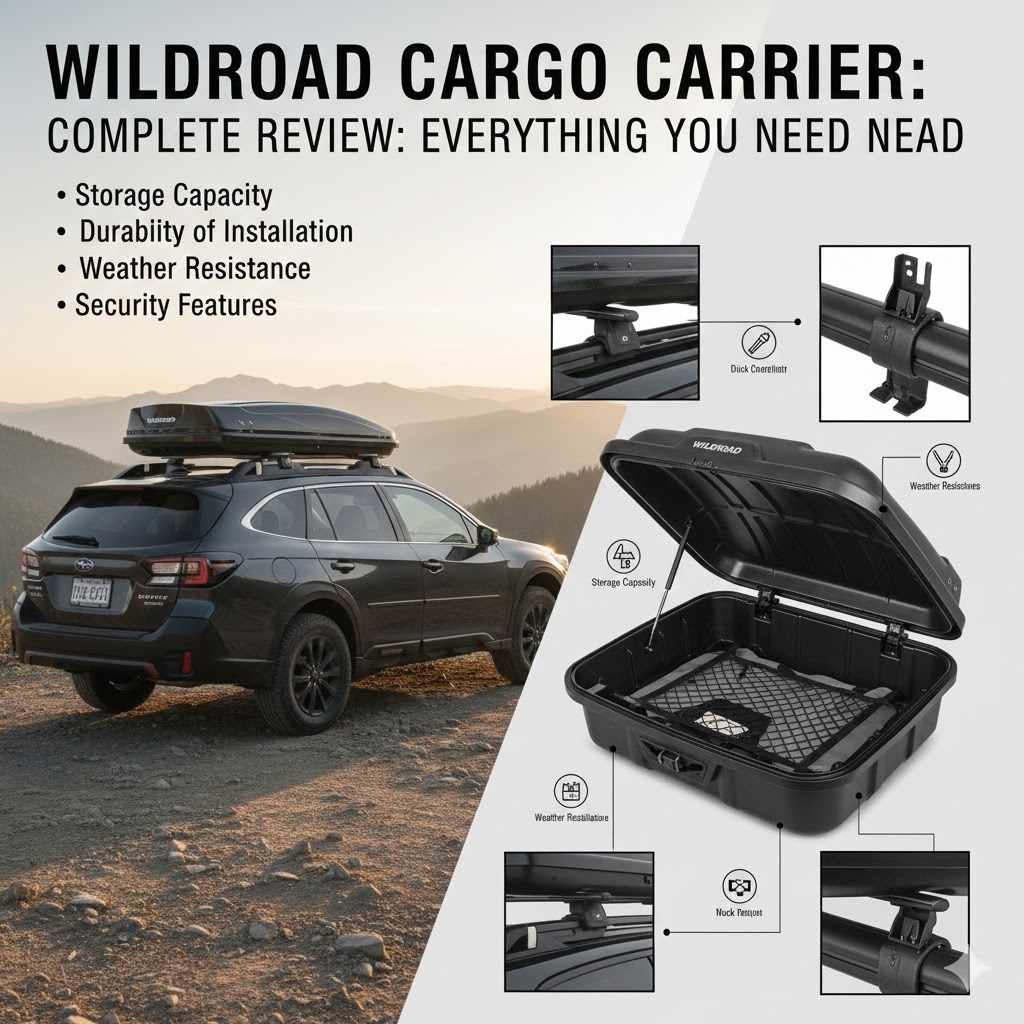
Wildroad Cargo Carrier: Complete Review: Everything You Need
Figuring out a Wildroad Cargo Carrier: Complete Review can seem tricky at first. There’s a lot to consider, from different types to their features. But don’t worry! This will make it easy to grasp. We’ll break down everything step-by-step so you’ll fully understand. You’ll soon see how it all comes together! We’ll start with the basics to get you prepared for what matters most.
What Is a Wildroad Cargo Carrier?
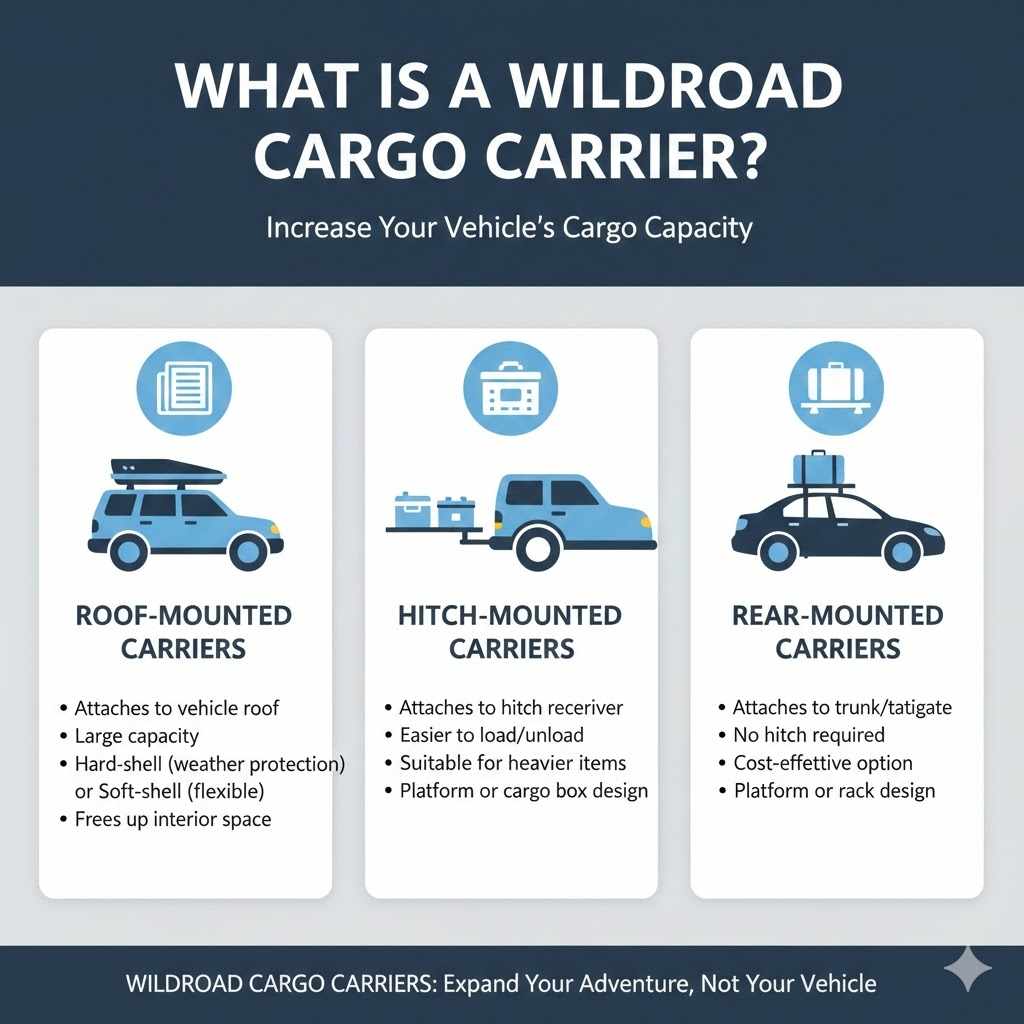
A Wildroad Cargo Carrier is a type of transport accessory you add to a vehicle, usually a car, truck, or SUV, to increase its cargo-carrying capacity. They’re useful when you need to haul extra stuff that won’t fit inside your vehicle. This could be luggage for a trip, sporting gear, or equipment for outdoor activities. These carriers are generally mounted on a vehicle’s roof, hitch, or back, depending on the design. Many different types exist, varying in size, shape, and how they attach to your vehicle. Some common materials include durable plastics, metals, and water-resistant fabrics.
Types of Wildroad Cargo Carriers
The variety of Wildroad Cargo Carriers provides you with several choices, each tailored for different needs. Deciding which type of carrier fits your specific requirements is important. Understanding the benefits of each type will allow you to choose the best option. Factors like the amount of cargo you need to carry, the type of vehicle, and your budget are all key considerations when selecting a carrier.
Roof-Mounted Carriers: These carriers sit on top of your car. They are popular for their large capacity and ease of access. They usually come in hard-shell or soft-shell styles. Hard-shell carriers give better protection from the weather, whereas soft-shell carriers may be more flexible for packing irregularly shaped items.
Roof-mounted carriers have become a popular choice because they provide extra storage space without changing the vehicle’s footprint on the road. For instance, families going on vacation often use roof-mounted carriers to transport luggage, freeing up space inside the vehicle for passengers. Furthermore, these carriers come in various sizes and shapes, which can accommodate anything from small weekend trips to extended adventures. These carriers are especially useful for camping gear, sports equipment, and other bulky items, ensuring a hassle-free trip.
Hitch-Mounted Carriers: These carriers attach to the hitch receiver of a vehicle. They are generally easier to load and unload than roof-mounted carriers. Hitch-mounted carriers are suitable for heavier items, providing more load capacity. They typically feature a platform design or a cargo box that attaches to the hitch.
Hitch-mounted carriers offer an alternative to roof-mounted options, particularly for items that are difficult or heavy to lift. They are usually placed lower to the ground, which makes loading and unloading a simpler process. People who frequently transport equipment like coolers, camping gear, or tools often use hitch-mounted carriers because they provide convenient access and additional storage space. Furthermore, the positioning of these carriers does not impact the vehicle’s aerodynamics significantly, which helps maintain fuel efficiency during long trips.
Rear-Mounted Carriers: Also known as trunk-mounted carriers, these attach to the rear of your vehicle. They’re a good choice if you don’t have a hitch, and they’re usually less costly than hitch-mounted versions. These often consist of a platform or rack that straps onto the trunk or tailgate.
Rear-mounted carriers offer a practical storage solution for those without hitches. They are designed to be easily attached and detached, making them a great choice for occasional use. For example, a weekend adventurer might use a rear-mounted carrier to hold extra luggage. They offer added space without requiring a major vehicle modification. Rear-mounted carriers can be very helpful for people who need extra storage capacity but do not need to transport very large or heavy items.
Choosing the Right Wildroad Cargo Carrier: Key Factors
Choosing the correct Wildroad Cargo Carrier requires considering several key elements. You need to think about what you want to carry, your vehicle’s specifications, and what suits your lifestyle best. This is where you decide what the right solution is for your needs. Carefully exploring each factor will help you choose a cargo carrier that best fits your requirements.
Assessing Your Cargo Needs
One of the first steps in choosing a Wildroad Cargo Carrier is figuring out what you want to transport. Make a list of everything you usually need to carry. Consider the size, weight, and shape of the items. This will help you identify the appropriate size and type of carrier. This step helps ensure that the carrier you choose will be able to handle all your cargo needs safely and effectively.
Cargo Volume: Estimate the cubic feet of storage you need. Consider all items that need to be carried, including luggage, sporting equipment, and camping gear.
Calculating cargo volume is a key aspect of selecting the right Wildroad Cargo Carrier. This step ensures you do not underestimate your storage needs. To estimate the volume, first measure the dimensions of your items (length, width, and height) and then calculate the total cubic feet or liters. Remember to account for irregular shapes. This careful planning lets you choose a carrier of the correct size. When you pick the right size carrier, it helps prevent issues and makes sure everything fits comfortably during your travels.
Weight Capacity: Ensure the carrier’s weight capacity matches your cargo’s weight. Overloading can be dangerous and could damage your vehicle or the carrier.
Checking the weight capacity of a carrier is very important to use a Wildroad Cargo Carrier safely. Most carriers have a maximum weight limit, usually listed in pounds or kilograms. This limit includes everything you place inside the carrier. You should assess the weight of each item you intend to transport, totaling the weight and comparing it to the carrier’s maximum capacity. Exceeding the weight capacity can damage the carrier, affect the vehicle’s handling, and lead to safety risks. So, understanding and respecting the weight limit protects both the cargo and the vehicle.
Item Shape and Size: Consider how the items will fit within the carrier. Some carriers are better suited for specific shapes. For example, long, slender items might suit a roof-mounted carrier.
Choosing the right carrier for your item shapes and sizes is a practical step. Think about what you plan to transport, like bulky luggage or long sporting gear. Carriers differ in their design, with some better for certain items. Roof-mounted carriers are great for large, uniformly shaped items, while hitch-mounted platforms work for irregularly shaped things. Evaluate how the dimensions of your belongings match the carrier’s space. Consider any potential height limits, especially when parking. Making the right match ensures all your cargo fits securely and safely.
Vehicle Compatibility and Mounting
It’s important to match the Wildroad Cargo Carrier to your vehicle. Check your car’s roof rails, hitch receiver, or trunk. Make sure your vehicle can support the carrier’s weight. Review the manufacturer’s instructions to ensure the carrier can be correctly attached. Following these guidelines helps guarantee the cargo carrier fits your vehicle correctly, guaranteeing safety and performance.
Roof Rails and Crossbars: For roof-mounted carriers, confirm that your vehicle has roof rails or crossbars. If not, you may need to install them.
Having roof rails and crossbars is key for using roof-mounted carriers. These elements act as the base for the carrier, offering structural support and making it safe to attach the carrier to the car’s roof. Verify that your vehicle’s rails are compatible with the carrier you want to purchase. Some cars may already have integrated roof rails, while others will need crossbars attached. Make certain the rails or crossbars meet the cargo carrier’s weight limits to keep everything safe on the road.
Hitch Receiver Compatibility: For hitch-mounted carriers, verify the size of your hitch receiver (typically 1.25 or 2 inches). Ensure the carrier fits and has the correct weight rating.
When you want to use a hitch-mounted carrier, the hitch receiver on your car must be the correct size and weight. Hitch receivers come in various sizes, most often 1.25 or 2 inches. You have to match the carrier’s attachment fitting to the hitch’s size. Check your vehicle’s manual to find the right receiver size. Also, assess the weight rating, which indicates how much weight the hitch can safely hold. Check the carrier’s load capacity to make sure it is within your hitch’s limits. Following these guidelines will guarantee a safe and secure installation.
Rear-Mounted Carrier Attachment: For rear-mounted carriers, ensure compatibility with your trunk or tailgate. Make sure it doesn’t obstruct the license plate or lights.
When selecting a rear-mounted carrier, double-check its fit with your vehicle’s trunk or tailgate. These carriers attach to the rear of your car and must fit properly without blocking the license plate or lights, as this is essential for legal operation. Before buying, review the manufacturer’s instructions to ensure compatibility and that it will not obscure important features. Many carriers are designed to be adjustable to accommodate different vehicle designs. Doing so will ensure proper functionality and safe driving conditions.
Material, Durability, and Weather Resistance
The materials, durability, and weather resistance of a Wildroad Cargo Carrier affect its lifespan and protect your cargo. Higher-quality materials like durable plastics, steel, and weather-resistant fabrics typically provide better protection. Choosing a carrier with durable, weather-resistant materials reduces the risks of damage from the environment. Consider the elements to which your carrier will be exposed, like rain, sun, or snow. A well-built, weather-resistant carrier will help keep your belongings secure.
Material Selection: Consider the materials used to build the carrier. Durable plastics and metals are good for hard-shell carriers, while reinforced fabrics work for soft-shell ones.
Selecting the right materials for a cargo carrier is important. Hard-shell carriers often feature durable plastics and metals, offering excellent weather resistance and strong protection. Soft-shell carriers may use reinforced fabrics that are lightweight and flexible. These materials can adapt to the shapes of various items. High-quality materials like UV-resistant plastics will prevent fading from exposure to sunlight, keeping them looking new. Consider the expected conditions of your trips and choose materials that provide the best performance for your needs.
Durability and Construction: Look for sturdy construction. Check the seams, joints, and attachment mechanisms. A strong carrier will withstand bumps and road conditions.
Focus on the construction and durability of the Wildroad Cargo Carrier before buying. Take a close look at the seams, joints, and any attachment hardware, making certain they’re securely fastened. Solid construction guarantees that the carrier can endure the stress of movement and changes in the environment. Look for carriers that can withstand the bumps of road conditions. This helps safeguard your cargo and guarantees the carrier lasts longer. A well-made carrier provides dependability and peace of mind on the road, knowing your items are secure.
Weather Resistance: Consider the carrier’s ability to resist rain, snow, and UV rays. A waterproof or water-resistant design protects your items from weather damage.
Selecting a weather-resistant Wildroad Cargo Carrier is important to keep your things safe. A waterproof or water-resistant design provides protection from rain, snow, and moisture. UV-resistant materials also help prevent fading and degradation from long sun exposure. Check the features and materials of the carrier. Look for sealed seams, sturdy closures, and UV-resistant fabrics. Using a weather-resistant carrier protects your cargo and extends the lifespan of the carrier itself.
Safety and Security Features
Safety and security are key for any Wildroad Cargo Carrier. Proper design and features will help keep your cargo secure and safe. Understanding these aspects will help keep your belongings protected while you are traveling. When you choose a carrier with robust safety and security features, you can travel with confidence.
Locking Mechanisms
A locking mechanism is important for cargo carriers to keep your belongings secure and safe. Look for carriers that have built-in locks or that can be locked with a padlock. This helps prevent theft. Locks add an extra layer of security. Always verify that the locking mechanisms are solid and easy to operate. Using secure locks will help make sure your cargo reaches its destination safely.
Integrated Locks: Choose carriers with built-in locking systems. These systems provide a convenient way to secure your items.
Selecting a Wildroad Cargo Carrier with integrated locks is a good move for added convenience and security. Built-in locking systems are directly incorporated into the carrier’s design, making them easy to use. These locks come with keys or combinations to safeguard your cargo from theft. They also provide protection against tampering while traveling. Carriers with built-in locks save time and provide peace of mind by guaranteeing that your items are safe. This is especially good for regular travelers.
Padlock Compatibility: Some carriers use padlock loops. This offers an alternative for securing the carrier. This lets you add an extra layer of security.
Using a Wildroad Cargo Carrier with padlock compatibility gives you extra security options. These carriers are designed with loops or openings where you can attach a padlock. This lets you add an extra layer of protection to your items, preventing unauthorized access. Using a padlock is particularly helpful in situations where you want added security or if the carrier does not have an integrated lock. Make sure the padlock is weatherproof and robust for maximum protection.
Key Security: Keep track of your keys. Store spare keys in a secure place. This prevents problems from loss or theft.
Maintaining key security is vital when you use a Wildroad Cargo Carrier, especially if it has keyed locks. Make multiple copies of the key and store them separately from the original. A good option is storing a spare at home or with a trusted person. You can also place one in a hidden spot inside the vehicle. Proper key security will help prevent lockouts or problems in case your primary key is misplaced or stolen. This protects both your cargo and peace of mind.
Attachment Security
Make sure the Wildroad Cargo Carrier attaches securely to your vehicle. Double-check all attachment points before each use. This helps prevent the carrier from coming loose during travel. Regularly check the condition of the attachment mechanisms, and replace any worn-out components. Proper attachment security is very important to prevent accidents and keep your belongings safe on the road.
Regular Checks: Regularly check that all parts are correctly attached. This is especially important before long trips.
Routine checks are a simple way to maintain the security of a Wildroad Cargo Carrier. Before any trip, check that all attachment points are properly fastened. Make sure that the carrier is firmly attached to your vehicle. Check the hardware for looseness or wear. These checks are most important before long trips or when you plan to carry heavy loads. Quick checks can help detect potential issues early on. Doing this will prevent the carrier from becoming detached, protecting your cargo and everyone on the road.
Secure Fastening Systems: Review the carrier’s fastening system. Make sure it provides a tight and safe attachment.
Looking closely at the attachment system of your Wildroad Cargo Carrier is key for security. The best systems offer a tight and stable connection between the carrier and your car. Check the manufacturer’s instructions to ensure you understand how to use the attachment mechanism. Some carriers use straps or clamps. Make sure these are properly tightened. A properly secure system guarantees that the carrier won’t detach. Regularly inspect the attachment to confirm it’s working properly, improving both your safety and that of others.
Load Distribution: Distribute the weight of your cargo evenly inside the carrier. This adds stability and lessens stress on the attachment points.
Distributing weight evenly inside the Wildroad Cargo Carrier helps provide stability. Carefully arrange the cargo, placing heavier items towards the center and lower part of the carrier, to lower the center of gravity. This even distribution helps prevent the carrier from tipping. It will also reduce the pressure on the attachment points. Avoid packing all your heavy items on one side. By balancing the weight distribution, you improve the car’s handling and make the journey safer.
Visibility and Lighting
Visibility and lighting are important safety factors for your Wildroad Cargo Carrier. Make sure the carrier does not block your car’s lights or license plate. Consider adding extra lights or reflectors if needed. Keeping the lights visible helps other drivers. Following these precautions increases safety for you and all other road users.
License Plate Visibility: Ensure your license plate is visible. If it’s blocked, you may need a separate license plate holder.
Making certain your license plate is clearly visible when using a Wildroad Cargo Carrier is a legal requirement in most places. The carrier should not block the view of your plate, since this can cause legal issues and safety risks. If the carrier obstructs the license plate, you might need a separate license plate holder. This may involve relocating the plate or adding an extra plate holder to the carrier. Ensuring that the license plate is easy to see guarantees compliance with the law and aids in road safety.
Tail Light Visibility: Verify that the car’s tail lights and brake lights remain clear. Some carriers might need additional lights.
Ensuring your car’s tail lights and brake lights are clear and visible when you use a Wildroad Cargo Carrier is very important for safety. The lights show other drivers when you are stopping or turning, warning them of your actions. If the carrier blocks these lights, you may need to add additional lights. These extra lights can be attached to the carrier, to guarantee that other drivers can still see them. Using the right lighting guarantees visibility, helping to prevent rear-end crashes and improving the safety of your trip.
Reflective Elements: Consider carriers with reflective tape or strips. This boosts visibility at night.
Choose a Wildroad Cargo Carrier with reflective elements to improve visibility at night. Reflective tape or strips will reflect headlights. These reflective elements help other drivers see your vehicle, which is particularly useful in dark conditions. Reflective elements improve road safety by alerting other drivers to your car’s presence. This also minimizes the risk of collisions. Selecting a carrier with these components is an easy way to boost visibility and safety.
Maintenance and Care
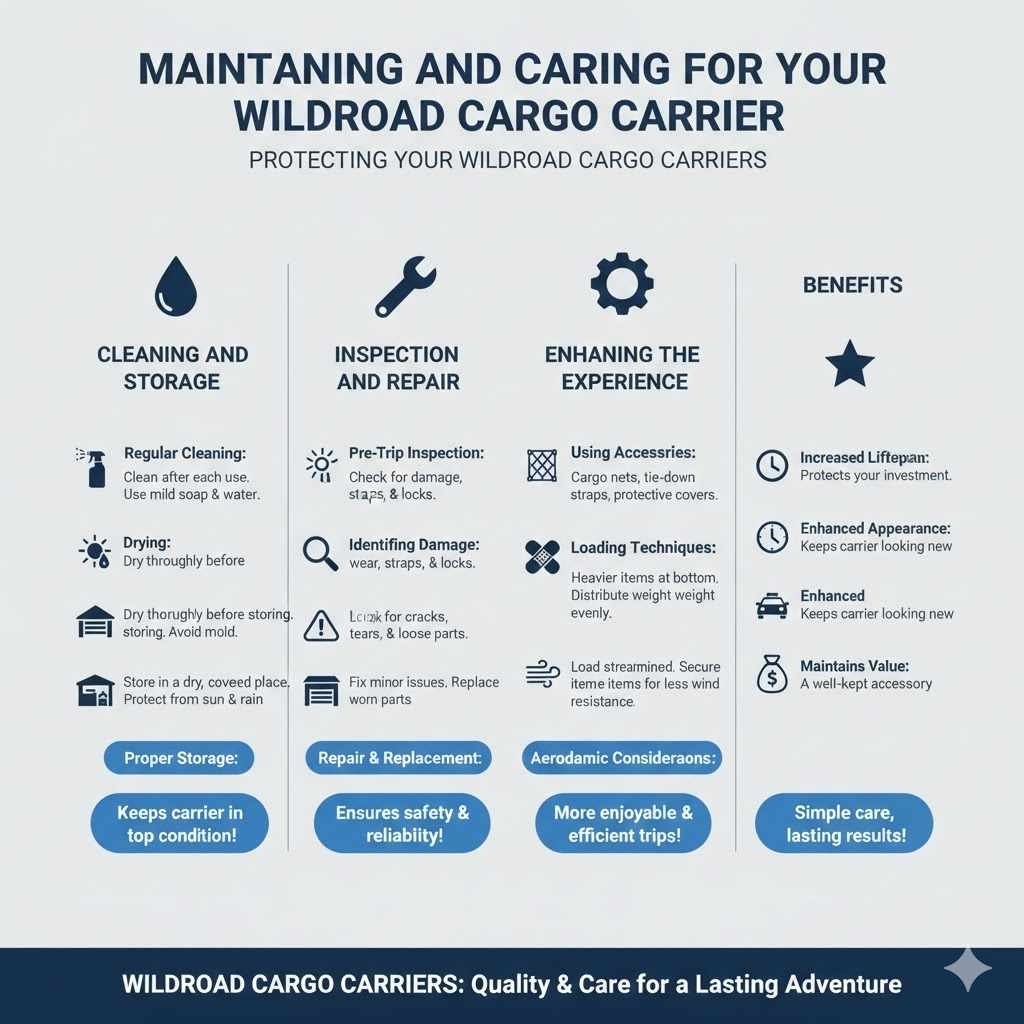
Taking care of your Wildroad Cargo Carrier helps keep it in good condition and extends its life. Regular maintenance will guarantee it’s ready when you need it. Follow the manufacturer’s instructions. With some simple care tips, you can extend the life of your carrier and keep it safe.
Cleaning and Storage
Proper cleaning and storage are vital to keep your Wildroad Cargo Carrier in great condition. Cleaning the carrier after each use can help remove dirt, grime, and road salt. Store it in a dry, covered space when it’s not in use. Regular cleaning and suitable storage will help the carrier last longer.
Regular Cleaning: Clean the carrier after each use, removing dirt, grime, and debris. Use mild soap and water.
Routine cleaning is very important to maintaining your Wildroad Cargo Carrier. Clean it after each use to remove dirt, grime, and debris. This helps prevent buildup that can damage the carrier. Use mild soap and water for cleaning and stay away from harsh chemicals, which could harm the materials. Wipe the carrier dry after cleaning to prevent water stains. Regular cleaning not only maintains the carrier’s appearance but also helps protect it from environmental damage. This practice will ensure that the carrier stays in top condition for years.
Drying: Dry the carrier thoroughly before storing it. This avoids mold or mildew.
Drying the Wildroad Cargo Carrier completely before storing it is a vital step in its upkeep. Moisture trapped in the carrier can cause mold or mildew growth, which could damage the carrier and release unpleasant odors. Make certain the inside and outside of the carrier are completely dry before storing it. A thorough drying will make sure that the carrier remains clean and ready for use when you need it. A clean, dry carrier will also last longer.
Proper Storage: Store the carrier in a dry, covered place. This protects it from sun, rain, and extreme temperatures.
Putting your Wildroad Cargo Carrier in storage properly helps protect it from the elements. Select a dry, covered location for storage, such as a garage or shed. This will help prevent sun, rain, and extreme temperature damage. Protect the carrier from direct sunlight to stop it from fading or cracking. Keep it away from sources of excessive moisture to prevent mold or mildew growth. Proper storage helps keep the carrier in top condition when you’re not using it.
Inspection and Repair
Regular inspection and timely repairs are key for keeping your Wildroad Cargo Carrier safe and in good shape. Carefully inspect the carrier before each trip to spot any damage. Quickly fix any problems, and replace any broken parts. This routine will ensure that your carrier remains secure and dependable.
Pre-Trip Inspection: Inspect the carrier before each trip, looking for any damage or wear. Check the straps, locks, and attachment points.
Doing a pre-trip inspection of your Wildroad Cargo Carrier is key to ensure your safety. Before starting any trip, take a moment to carefully examine the carrier for any signs of damage or wear. Carefully look at the straps, locks, and attachment points, ensuring that everything is secure and working properly. Check the surface for cracks or dents. A pre-trip inspection will help prevent problems. You can catch issues before they cause accidents. Doing this will let you have a worry-free travel experience.
Identifying Damage: Check for any cracks, tears, or loose parts. Check the attachment points and straps.
Finding potential damage to the Wildroad Cargo Carrier before it becomes a major problem is very important. Look for cracks, tears, or any loose parts on the carrier’s surface and construction. Pay special attention to the attachment points, fasteners, and straps, making sure they are in good shape and properly secured. Any signs of damage will affect its performance. Being aware of the condition of your carrier and carrying out regular inspections will allow you to address any issues promptly. It will also help guarantee that your carrier is ready and safe for your trips.
Repair and Replacement: Repair minor issues promptly. Replace broken or worn parts. Always follow the manufacturer’s instructions.
Fixing minor issues with your Wildroad Cargo Carrier quickly will help maintain its performance. When you discover damage during an inspection, repair it as soon as possible, following the manufacturer’s recommendations. Replace worn or broken parts such as straps, latches, or locks to keep the carrier in top condition. By addressing problems promptly and using the correct replacement parts, you are guaranteeing that the carrier stays safe. Following these rules will help prolong the carrier’s life.
Enhancing the Wildroad Cargo Carrier Experience
Optimizing your Wildroad Cargo Carrier’s performance involves some additional steps. From using accessories to streamlining the loading process, these actions help enhance your trip. Consider how you will load your carrier, what accessories you may need, and how you can boost the overall experience of using your carrier. Doing so will help make the experience more enjoyable and practical.
Using Accessories: Enhance your carrier with useful extras, like cargo nets, tie-down straps, and protective covers.
Using accessories to enhance your Wildroad Cargo Carrier will improve its functionality and usability. You may want to think about cargo nets or tie-down straps, which will help keep your items secure inside the carrier. These will prevent your cargo from moving. You can also purchase protective covers, which help shield the carrier from weather and debris. Accessories offer you the chance to improve your cargo carrier’s usefulness and effectiveness. They also make your trips more efficient and less stressful.
Loading Techniques: Load items carefully. Place heavier items towards the bottom. Distribute the weight evenly.
Using the right loading techniques improves how your Wildroad Cargo Carrier works and makes for a safer trip. Place heavier items toward the base of the carrier, which will help keep the center of gravity low. This minimizes the risk of the carrier tipping. Carefully distribute the weight to maintain balance, preventing any uneven pressure on the attachment points. Pack the cargo carefully, ensuring that it is secure. Doing this will make sure the carrier is stable and easy to handle during the trip.
Aerodynamic Considerations: Think about your car’s aerodynamics. Load the carrier carefully. Make sure the items are secure to avoid wind resistance.
Considering your vehicle’s aerodynamics is important for better performance and fuel efficiency. Pack the carrier in a way that minimizes air resistance. Load items in a streamlined manner and ensure they are secure. Reduce unnecessary drag by making sure that the items inside are packed tightly and there are no loose items. Choosing a carrier that has an aerodynamic shape will also help. Paying attention to aerodynamics will improve fuel economy and minimize wind noise.
Frequently Asked Questions
Question: What is the best type of cargo carrier for a small car?
Answer: For a small car, a roof-mounted carrier or a rear-mounted carrier might be the best choices. Assess your cargo needs and your vehicle’s features before deciding.
Question: How do I measure my vehicle’s hitch receiver size?
Answer: Look for the size of your hitch receiver on the receiver itself. It’s usually a square opening, typically 1.25 or 2 inches.
Question: What should I do if my carrier gets damaged during a trip?
Answer: Stop driving and carefully inspect the carrier. If the damage is severe, unload the cargo and seek professional help. If minor, you can continue, but keep an eye on it.
Question: How can I improve fuel efficiency when using a cargo carrier?
Answer: Choose an aerodynamic carrier, pack it carefully, and remove the carrier when it’s not needed. Check your vehicle’s recommended speed limits.
Question: Is it safe to leave a cargo carrier on my vehicle when it’s not in use?
Answer: Yes, but make sure it is stored properly. It’s best to store your carrier in a protected place, like a garage or shed.
Final Thoughts
You now know how to get the most from a Wildroad Cargo Carrier: Complete Review. We have explored the different kinds of carriers and the factors you should take into consideration before you pick one. From roof-mounted to hitch-mounted and rear-mounted options, each type offers distinct benefits. We went over the importance of assessing your cargo, matching the carrier to your vehicle, and choosing durable, weather-resistant materials.
We also examined important safety factors like locking mechanisms, attachment security, and visibility. The value of regular care, cleaning, and storage was discussed, along with ways to enhance your experience. To choose the right Wildroad Cargo Carrier, keep your needs in mind, carefully evaluate the features, and follow the maintenance advice. This way, your travel will be safer and easier. Enjoy your trips, knowing your gear is safe!