Best Compact Tire Repair Kits
It’s 11 PM on a Sunday. You’re on a two-lane highway with no shoulder, and the low tire pressure light just came on. You pull over, find a screw dead center in the tread, and realize your car has no spare — just a can of sealant that might ruin the TPMS sensor. If you’ve been there, you know the sinking feeling. If you haven’t, you will eventually.
This guide is about the gear that turns that situation from a tow truck call into a 20-minute fix. We’re focusing on compact tire repair kits — the ones that fit under a seat or in a corner of the trunk. We’ll cover the best options on the market, what actually matters inside the kit, and exactly how to use one without making a mess or creating a bigger problem. You’ll also learn when a plug is not enough, and why that matters more than which kit you buy.

Gleyi
Gleyi Spare Tire Kit Compatible with 2020-2026…
- Fitment: Compatible with 2012-2026 CRV, 2020-2026 CRV Hybrid a spare tire kit specially designed for the model. An additional upgr…
- Wheel Parameters: 18x4 Wheel Size; 5x4.5" (5x114.3mm) Bolt Pattern; 64.1mm Center Bore.
- Perfect Adaptability: The spare tire wheel of 155/90R18 is compatible with the CRV model, The diameter of the tire is 29". DOT Spe…
If you drive a 2026-2026 CR-V Hybrid, there’s a specific solution worth knowing about. The Gleyi Spare Tire Kit is a full-sized spare setup that fits your model. It includes the 18×4 rim, a 155/90R18 tire (29-inch rolling diameter), a scissor jack, a ratchet wrench, lug wrench, and two sockets. It’s a proper spare tire solution, not just a plug kit — something to consider if you want the permanent fix rather than a temporary one.
The 5 Best Compact Tire Repair Kits in 2026
We’ve tested dozens of kits over the years, from $10 gas station specials to professional-grade kits. Here are the ones that actually work, ranked by real-world usefulness.
Best Overall: Rhino USA 86-Piece
This kit is the one we reach for first. It comes with 86 pieces, but what matters is the quality of the core tools: the T-handle reamer and insertion tool are stout, not flimsy. The kit includes 30 plugs, a tube of vulcanizing cement, a valve core remover, and a tire pressure gauge. The carrying case is a hard plastic box that survives being thrown around a truck bed.
The reamer has a diamond-cut surface that actually bites into the rubber. Cheaper kits have smooth reamers that just push the hole closed. That difference matters when you’re kneeling on gravel trying to clean out a puncture. The only downside is the case is a bit bulky — it won’t slide under a motorcycle seat, but it’s fine for a car trunk.
Best Compact: Boulder Tools
Boulder Tools wins on size. The entire kit fits in a pouch about the size of a thick paperback. It includes 25 plugs, a reamer, an insertion tool, glue, and a valve core tool. The tools are shorter than the Rhino USA ones, which makes them slightly harder to grip, but they work well enough for standard tire repairs.
This is the kit we keep in the glovebox of our test truck. It’s small enough that you forget it’s there until you need it. The plugs are good quality — they don’t tear when you pull them through. Just be aware that the shorter tools require a bit more force when reaming a tough puncture.
Best Budget: Slime 20133
Slime is a well-known brand in the tire repair world, and this kit is a solid budget pick. It comes with 25 sticky rope plugs, a reamer, an insertion tool, and a small tube of cement. The tools are basic — the handles are plastic and the reamer isn’t as aggressive as the Rhino USA one. But for a kit that costs less than a pizza, it’s hard to complain.
We used this kit on an old farm truck with a nail in the tread. The plug held for months. The main weakness is the glue tube is tiny, so if you’re repairing multiple tires, you’ll need to buy more. Also, the case is a simple plastic bag, not a hard case. It’s fine if you’re storing it in a garage, but it won’t protect the tools well in a trunk.
Best for Motorcycles/ATVs: ARI Airplugger
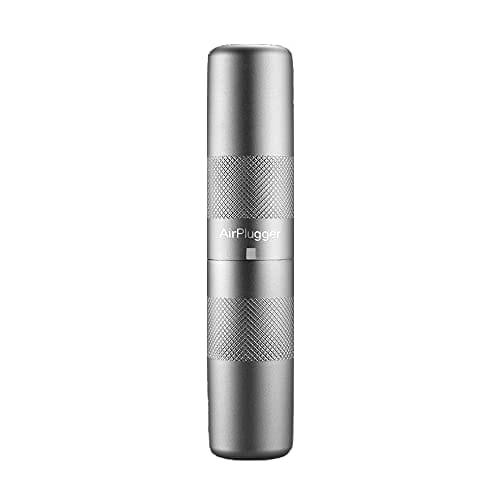
This is a different kind of kit. Instead of sticky rope plugs, the Airplugger uses a rubber plug that you insert with a special tool and then inflate. It’s a two-step process that creates a more secure seal than the rope method. The kit is small — about the size of a large marker — and fits easily under a motorcycle seat.
We’ve used this on both motorcycle and ATV tires. The plugs are pre-glued, so you don’t need to worry about cement drying out. The tool is reusable and works with CO2 cartridges or a small air compressor. The downside is the plugs are more expensive than rope plugs, and you need to carry spare plugs. But for a motorcycle that sees highway speeds, the extra security is worth it.
Best Heavy-Duty: AUTOWN 68-Piece
If you drive a truck or SUV and want a kit that can handle larger punctures, the AUTOWN 68-piece kit is a good choice. It includes 68 pieces: 30 plugs, a reamer, an insertion tool, a valve core remover, a gauge, and a carrying case. The tools are beefier than the budget kits, with a T-handle design that gives you more leverage.
We used this kit on a trailer tire with a large bolt hole. The reamer cleaned it out easily, and the plug seated firmly. The case is a zippered pouch with individual slots for each tool, which keeps everything organized. It’s a bit larger than the Boulder Tools kit, but still compact enough for a trunk organizer.
How We Tested and Chose These Kits
We didn’t just read the boxes. We mounted tires on a rim, punctured them with screws, nails, and bolts, and then used each kit to repair them. We tested on passenger car tires, a light truck tire, and an ATV tire. We also tested in cold weather (about 40°F) to see how the glue performed.
We evaluated each kit on four criteria:
- Tool quality: Does the reamer actually cut, or does it just push? Does the insertion tool grip the plug securely?
- Plug durability: Did the plug hold air after a week? Could it handle highway speeds?
- Glue effectiveness: Does the cement dry quickly? Does it stay viscous in cold temperatures?
- Portability: How much space does the whole kit take up? Is the case durable enough for trunk storage?
We also considered price, but we didn’t let it dominate the ranking. A $15 kit that fails on the road is a waste of money no matter how cheap it is.
Compact vs. Full-Size Kits: What’s the Real Difference?
This is where most people get confused. A compact kit is designed for emergency roadside repair — it plugs the hole so you can drive to a shop. A full-size kit is for a shop or a serious DIYer who wants to do a permanent repair. The difference isn’t just the number of pieces; it’s the approach.
Compact kits use the sticky rope plug method. You push a pre-glued rope into the hole, and it seals from the inside. This is a temporary fix. It’s designed to get you to a tire shop, not to last the life of the tire.
Full-size kits use a patch-and-plug combination. You remove the tire from the rim, clean the inside, apply a patch, and then plug the hole from the outside. This is a permanent repair that most tire shops will accept. But it requires a tire changer, a buffer, and a lot more time.
For most drivers, a compact kit is the right choice. It’s small enough to carry, and the repair is good enough to get you home or to a shop. The key is knowing that it’s a temporary fix. Don’t expect a plug to last 50,000 miles, because it won’t.
The Complete Buying Guide for Compact Tire Repair Kits
Not all kits are created equal. Here’s what to look for, and what to avoid.
Kit Contents: What You Actually Need
At minimum, a kit needs four things: a reamer, an insertion tool, plugs, and rubber cement. That’s it. Everything else — valve core removers, gauges, pliers — is a bonus.
The reamer is the tool that cleans and enlarges the hole. A good reamer has a rough, rasp-like surface. A smooth reamer is useless. The insertion tool is what pushes the plug into the hole. It should have a slot or eyelet at the tip that holds the plug securely. If the plug falls out of the tool before you insert it, you’ll be fighting it the whole time.
Plugs come in two main types: sticky rope and pre-glued. Rope plugs are coated with cement when you insert them. Pre-glued plugs have the cement already applied. Rope plugs are more common and cheaper. Pre-glued plugs are easier to use but more expensive.
Rubber cement is the glue that seals the plug to the tire. It’s a vulcanizing compound that chemically bonds to the rubber. Without it, the plug won’t seal properly. Some kits include a small tube; others include a larger bottle. The larger the tube, the more repairs you can do before you need to restock.
Plug Quality and Glue Longevity
Here’s something most reviews don’t mention: rubber cement has a shelf life. It degrades over time, and heat accelerates the process. If you keep a kit in your trunk in Arizona, the glue will be useless within a year. The solvents evaporate, leaving a thick, gummy mess that won’t bond.
Store your kit in a cool, dry place. If you live in a hot climate, check the glue every six months. If it’s thick or separated, replace it. You can buy small tubes of rubber cement at any auto parts store for a few dollars. It’s cheap insurance.
Plug quality varies too. Cheap plugs are made from a softer rubber that can tear when you pull them through the hole. Better plugs use a harder, more durable compound. The difference is hard to see, but you can feel it when you handle them. A good plug should be firm, not floppy.
Portability and Storage Solutions
Where you store the kit matters. A hard case is better than a soft pouch because it protects the tools and the glue from temperature swings. But a hard case takes up more space. A soft pouch can fit in a glovebox or under a seat.
Think about your vehicle. If you have a truck with a large center console, a hard case works fine. If you ride a motorcycle, you need a kit that fits in a saddlebag. The ARI Airplugger is the best choice for that. For a car, the Boulder Tools kit is small enough to fit in the spare tire well, if you have one.
One more tip: don’t store the kit on top of a hot trunk floor in summer. The heat can degrade the glue and the plugs. Put it in a side compartment or under a seat, where it’s a bit cooler.
How to Use a Tire Plug Kit (Step-by-Step for Beginners)
This is the part most guides skip. Here’s the exact process, with the mistakes that will ruin your repair.
- Find the puncture. Inflate the tire to the recommended PSI (check the sticker on the driver’s door jamb). Spray a soapy water solution on the tread. Bubbles will pinpoint the leak. If you can’t find it, you might need to remove the tire and check the inside.
- Remove the object. Use pliers to pull out the screw, nail, or bolt. If it’s flush with the tread, you may need a small pry bar. Don’t leave it in — the hole needs to be clean for the plug.
- Ream the hole. Push the reamer into the hole and twist it back and forth. This cleans the hole and creates a rough surface for the glue to bond to. You need to do this thoroughly. A half-cleaned hole will leak.
- Prepare the plug. Thread the plug through the eyelet of the insertion tool. The plug should be centered, with equal lengths sticking out on both sides. Apply a thin layer of rubber cement to the plug, covering the entire portion that will enter the tire.
- Insert the plug. Push the insertion tool into the hole until the plug is almost fully inside. You want about a quarter-inch of the plug sticking out. Then, give the tool a sharp twist to release the plug. Pull the tool out.
- Trim the excess. Use a razor blade or a sharp knife to cut the plug flush with the tread. Leave about an eighth of an inch sticking out. Don’t cut it completely flush — the slight bump helps it seal.
- Inflate and check. Inflate the tire to the correct PSI. Spray the repair with soapy water again. If you see bubbles, the plug isn’t sealed. You might need to ream the hole again and try a new plug.
Pro tip: Use more glue than you think you need. Most people under-apply. The glue is what creates the seal, not the plug itself. A generous coat of cement on the plug before insertion makes a huge difference.
The most common mistake is not reaming the hole enough. If the hole is too small, the plug won’t seat properly. If you’re struggling to push the plug in, you need to ream more. The second most common mistake is using too little glue. The third is not letting the glue dry before driving. Give it at least 10 minutes after the repair before you hit the road.
Plugs vs. Sealants: Which is Right for Your Emergency?
Sealants are the liquid goo you inject through the valve stem. They’re popular because they’re easy — you don’t even need to find the hole. But they have serious drawbacks.
Sealants only work on small punctures, usually less than a quarter-inch. They don’t work on sidewall damage or large tears. They also make a mess inside the tire, which can throw off the balance and damage the TPMS sensor. Most tire shops charge extra to clean out sealant before they’ll repair the tire.
Plugs are better for most situations. They’re more reliable, they don’t damage the TPMS sensor, and they’re easier to clean up. The downside is you have to find the hole and do a bit of work. But that work is worth it for the reliability.
Here’s a simple decision matrix to help you choose:
| Repair Method | Best For | Limitations | Skill Level |
|---|---|---|---|
| Sticky Rope Plug | Car and truck tires, small tread punctures (under 1/4 inch) | Not for sidewalls, not permanent, requires finding the hole | Beginner |
| Pre-Glued Plug (e.g., ARI) | Motorcycle, ATV, and bicycle tires, where space is tight | More expensive per plug, limited plug supply | Beginner |
| Tire Sealant | Emergency only, tiny punctures, when you can’t stop to repair | Can ruin TPMS, messes inside tire, not for big holes | Very Easy |
| Patch-and-Plug | Permanent repair, done at a shop or by a serious DIYer | Requires removing tire from rim, special tools | Advanced |
If you’re on the road and you have a choice, use a plug. Save the sealant for the absolute worst case — like when you’re on the side of the interstate and it’s raining and you just need to get to the next exit.
Safety First: When NOT to Use a Plug Kit
This is the most important section in this article. A plug kit is not a miracle cure. There are situations where using one is dangerous, and you need to know them.
Never plug a sidewall puncture. The sidewall flexes constantly as the tire rotates. A plug won’t hold in that flexing area. It will eventually work loose, causing a sudden blowout. If the puncture is in the sidewall or the shoulder (where the tread meets the sidewall), the tire needs to be replaced.
Never plug a puncture larger than 1/4 inch. A plug is designed for nail and screw holes. If you hit a bolt or a piece of rebar, the hole is too big. The plug won’t seal it, and even if it does, it won’t be structurally sound.
Never plug a tire that’s been driven on while flat. If you drove on a flat tire, the sidewall is likely damaged internally. The rubber may look fine from the outside, but the cords inside are broken. A plug won’t fix that. The tire needs to be replaced.
Never plug a tire with visible cracks or dry rot. The rubber is already failing. A plug won’t hold in a tire that’s falling apart.
There’s also the legal and ethical question. A plug is a temporary repair. It’s meant to get you to a shop, not to be a permanent fix. Most tire shops will not accept a plugged tire for a patch repair. Some states have laws about it. If you plug a tire, you should get it properly patched or replaced as soon as possible.
If you’re unsure whether a plug is safe, it’s better to call a tow truck. A tow is cheaper than a hospital visit.
Frequently Asked Questions
How long do plugs last?
A properly installed plug can last for years. We’ve seen plugs hold for 10,000 miles or more. But that’s not the point. A plug is a temporary fix. The rubber cement and the plug material are not designed for the long-term stress of driving. The safe answer is: drive on a plug only until you can get a proper patch or replacement. That might be a few days, or it might be a few weeks. Don’t push it.
Can I fix a sidewall puncture?
No. A sidewall puncture cannot be safely repaired with a plug. The sidewall flexes too much, and the plug will eventually work loose. Some shops offer sidewall repairs using a special patch, but even that is controversial and not recommended by most tire manufacturers. If the sidewall is punctured, replace the tire.
Do I need to remove the tire from the rim to plug it?
No. That’s the whole point of a compact kit. You plug the tire while it’s still on the rim. The plug is pushed through the hole from the outside, and the cement seals it. You don’t need to break the bead or remove the tire. That’s why these kits are so useful for roadside repairs.
Can I use a plug kit on a run-flat tire?
Yes, you can plug a run-flat tire, but you need to be aware of the limitations. Run-flat tires have reinforced sidewalls that are designed to support the vehicle when the tire is flat. If you plug a run-flat, you’re restoring the air pressure, but the sidewall damage from driving on it may not be visible. If you’ve driven on a flat run-flat for more than a few miles, the tire is likely compromised. Replace it.
Will a plug kit work on a tubeless motorcycle tire?
Yes, but with caution. Motorcycle tires are more sensitive to balance and vibration than car tires. A plug can cause a slight vibration at highway speeds. The ARI Airplugger is a good choice for motorcycles because the plug is inserted differently and creates a more balanced repair. Also, motorcycle tires are smaller, so the puncture is more likely to be in the shoulder area, which is not repairable. Always check the location before plugging.
The Bottom Line: What to Buy and What to Avoid
Here’s the short version for anyone who just wants a recommendation.
- Buy a kit with a real reamer, not a smooth metal spike. The reamer is the tool that makes the repair possible.
- Buy a kit with a decent amount of rubber cement. The tiny tubes in budget kits run out fast.
- Store the kit where it won’t get hot. Heat kills the glue.
- Practice using the kit at home, on an old tire, before you need it on the road. It’s a skill, and you don’t want to learn it in the dark.
- If you drive a 2026-2026 CR-V Hybrid and want a real spare tire instead of a plug kit, look at the Gleyi spare tire kit. It includes the wheel, tire, jack, and tools — a complete solution.
- Never plug a sidewall. Never plug a hole bigger than a quarter-inch. When in doubt, call a tow truck.
The best compact tire repair kit is the one you have with you when you need it. A $20 kit in the trunk beats a $200 kit at home in the garage. Pick one that fits your vehicle, learn how to use it, and check the glue every few months. That’s the whole secret.
For more on keeping your vehicle road-ready, check out our guide to the best emergency tire inflation kits to pair with your plug kit. And if you’re thinking about a full-size spare, our car tire carrier guide covers mounting options. For a deeper look at permanent repair options, we’ve also tested long-lasting tire repair kits that go beyond the quick fix.
Products related to this article
Sponsored / affiliate links. As an Amazon Associate I earn from qualifying purchases. I may earn additional commission from eligible campaigns.