Best Battery Terminal Cleaner: 6 Top Picks for Corrosion Removal
White or greenish crust on your battery terminals isn’t cosmetic — it’s a resistance point that can leave your car cranking slow or not starting at all, even with a healthy battery underneath. We compared six current terminal-cleaning products — cross-checking manufacturer specs, real fitment/use-case details, and aggregated buyer feedback on Amazon — to line up a no-scrub spray for a quick fix, a basic wire brush for hands-on cleaning, a complete kit with anti-corrosion washers, a dedicated prevention spray for after you’ve cleaned, a classic post-and-clamp cleaner, and a 4-in-1 brush that covers more terminal sizes at once. The short version: the NOCO E404 spray is the fastest fix if you just need clean terminals now, the Alltooetools wire brush is the cheap, no-frills option if you don’t mind scrubbing, and the LotFancy kit is worth it if you want both cleaning and ongoing corrosion prevention in one order.
Quick Picks
- Best Overall: NOCO E404 Battery Terminal Cleaner Spray — foam-based, no-scrub cleaning with a built-in acid-detection indicator.
- Best Budget: Alltooetools Battery Terminal and Post Cleaner Brush — a simple wire brush tool at the lowest price point.
- Best Complete Kit: LotFancy Battery Terminal Cleaners with Anti-Corrosion Washers — cleaning brushes plus washers to slow corrosion coming back.
- Best for Corrosion Prevention: CRC Battery Terminal Protector Spray — applied after cleaning to keep corrosion from returning.
- Best Classic Post Cleaner: Steelman Battery Post Terminal Cleaner — the traditional two-brush tool that fits directly over the post and inside the clamp.
- Best Multi-Size Brush: 4-in-1 Car Battery Terminal Cleaning Brush — four brush heads to cover different post and clamp sizes.
How These Battery Terminal Cleaners Are Grouped
Cleaning corroded terminals isn’t a single-product decision — it depends on how bad the buildup already is, whether you want to scrub by hand or spray and walk away, and whether you’re just cleaning once or trying to keep corrosion from coming right back. We grouped these six picks around the decisions that actually change which product is right for you:
- Spray vs. brush — a foam spray that dissolves corrosion without scrubbing vs. a wire brush tool for hands-on, more controlled cleaning.
- One-time clean vs. ongoing prevention — a cleaner that removes existing buildup vs. a protector spray or anti-corrosion washers applied afterward to slow it from returning.
- Tool shape and terminal size — a classic dual-brush post cleaner vs. a multi-head brush that adapts to different post and clamp sizes.
- Budget vs. bundled value — a bare-bones brush at the lowest price vs. a kit that includes both a cleaner and corrosion-prevention washers.
Comparison Table
| Pick | Type | Approx. Price | Best For |
|---|---|---|---|
| NOCO E404 (Best Overall) | Foam spray, no-scrub | ~$12 | Fast cleaning without a brush |
| Alltooetools Brush (Best Budget) | Wire brush tool | ~$8 | Hands-on cleaning on a budget |
| LotFancy Kit (Best Complete Kit) | 2 brushes + 12 anti-corrosion washers | ~$10 | Cleaning plus ongoing prevention |
| CRC Protector (Best for Prevention) | Aerosol protector spray | ~$8 | Applying after cleaning to slow corrosion |
| Steelman Post Cleaner (Best Classic Tool) | Dual steel brush | ~$12 | Traditional post-and-clamp cleaning |
| 4-in-1 Brush (Best Multi-Size) | 4 brush heads | ~$9 | Covering multiple post/clamp sizes |
Full Reviews: 6 Battery Terminal Cleaners Worth Buying
Best Overall: NOCO E404 Battery Terminal Cleaner Spray
NOCO’s E404 is built around the one thing a wire brush can’t do on its own: neutralize the acid in the corrosion rather than just scraping it off. Spray it on, and the foam works into the crust and lifts it away, with a color-change indicator that tells you when the acid has been fully neutralized rather than leaving you guessing. For a terminal that’s crusted over but not yet eaten away at the cable itself, this is the fastest path to a clean connection — you’re spraying and wiping rather than scrubbing corrosion off with a brush, which is also gentler on a soft lead terminal post than aggressive wire bristles.
Best Overall • Approx. $12
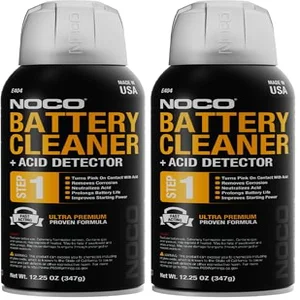
NOCO E404 Battery Terminal Cleaner Spray with Acid Detector
| Format | Aerosol foam spray |
| Size | 12.25 oz |
| Feature | Acid-detection color indicator |
| Use case | Existing corrosion buildup |
- No scrubbing required — the foam dissolves corrosion on contact
- Color-change indicator confirms the acid is neutralized
- Gentler on terminals than aggressive wire brushing
- Doesn’t remove very heavy, hardened buildup as fast as a wire brush
- Best paired with a rag or brush for stubborn spots
Best Budget: Alltooetools Battery Terminal and Post Cleaner Wire Brush Tool
This is the tool most people picture when they think “battery terminal cleaner”: a simple wire brush shaped to fit both the battery post and the inside of the cable clamp. It doesn’t neutralize acid the way a spray does, so a quick baking-soda-and-water rinse first is worth doing on anything more than light buildup, but for the price, it does the one job it’s designed for — scrubbing corrosion off metal — reliably and without needing to buy anything else.
Best Budget • Approx. $8
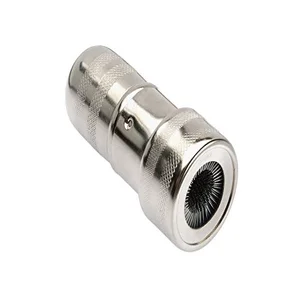
Alltooetools Battery Terminal and Post Cleaner Wire Brush Tool
| Format | Wire brush, post + clamp fit |
| Material | Steel bristles |
| Use case | Manual scrubbing of buildup |
| Price tier | Lowest in this roundup |
- Lowest price of any pick here
- Fits both the post and the inside of the clamp
- No batteries, sprays, or extra parts needed
- Doesn’t neutralize acid on its own — pair with a baking-soda rinse for heavy corrosion
- Manual scrubbing takes longer than a spray
Best Complete Kit: LotFancy Battery Terminal Cleaners with Anti-Corrosion Washers
Cleaning corrosion off once doesn’t stop it from coming back — that requires a barrier between the terminal and the air, which is exactly what the anti-corrosion washers in this kit are for. LotFancy pairs two cleaning brushes with a set of felt washers that slide over the post before you reconnect the cable, soaking up moisture and slowing the same corrosion cycle from restarting. For anyone tired of cleaning the same terminal every few months, that combination — clean now, then protect going forward — is the more complete fix than a cleaning tool alone.
Best Complete Kit • Approx. $10
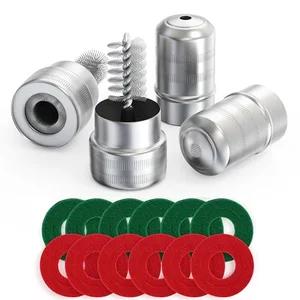
LotFancy Battery Terminal Cleaners with Anti-Corrosion Washers
| Format | 2 brushes + 12 felt washers |
| Washer color | Red/green, positive/negative coded |
| Use case | Cleaning plus ongoing prevention |
| Value | Two functions in one order |
- Includes anti-corrosion washers, not just a cleaning brush
- Color-coded washers make positive/negative easy to keep straight
- Good value for combining two separate purchases into one
- Washers need replacing periodically once they’re saturated
- Brushes alone are basic — not a heavy-duty cleaning tool
Best for Corrosion Prevention: CRC Battery Terminal Protector Spray
This one isn’t for cleaning — it’s for what you do right after. CRC’s protector spray goes on a freshly cleaned, dry terminal and forms a coating that keeps moisture and battery gas from reacting with the metal in the first place, which is the actual cause of corrosion forming again. Skipping this step is the reason so many people find themselves cleaning the same terminal every few months — the corrosion keeps coming back because nothing was ever done to stop the underlying reaction, not because the cleaning itself failed — see our related guide, Are Costco Car Batteries a Good Deal? Kirkland Signature Explained.
Best for Corrosion Prevention • Approx. $8
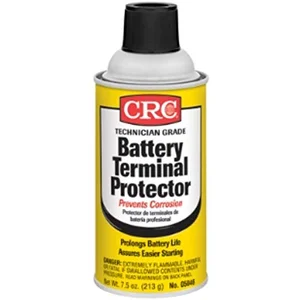
CRC Battery Terminal Protector Spray
| Format | Aerosol spray |
| Size | 7.5 oz |
| Use case | Applied after cleaning, not for removing corrosion |
| Coverage | Multiple terminals per can |
- Slows corrosion from returning after cleaning
- Quick aerosol application, no mess
- Works alongside any cleaning method above
- Doesn’t remove existing corrosion — needs a clean terminal first
- Needs reapplication periodically, not a one-time fix
Best Classic Post Cleaner: Steelman Battery Post Terminal Cleaner
This is the older-style tool a lot of home mechanics grew up using — a two-ended steel brush where one end is sized to clean the outside of the battery post and the other cleans the inside of the cable clamp, both in one motion. It’s less versatile than a multi-head brush if your terminals are an unusual size, but for the standard top-post terminals found on most cars, it does the job in a single, purpose-built shape rather than needing you to pick the right head from a set.
Best Classic Post Cleaner • Approx. $12
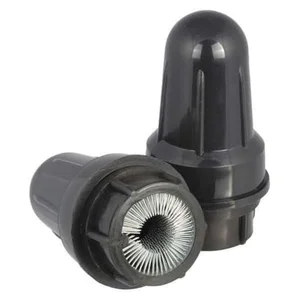
Steelman Battery Post Terminal Cleaner
| Format | Dual steel brush |
| Design | Post cleaner + clamp cleaner in one tool |
| Use case | Standard top-post terminals |
| Build | Solid steel construction |
- Purpose-built shape cleans post and clamp in one motion
- Durable steel construction holds up to repeated use
- Simple, no-fuss design with nothing to configure
- Sized for standard top-post terminals, not side-terminal batteries
- No acid-neutralizing feature — purely mechanical scrubbing
Best Multi-Size Brush: 4-in-1 Car Battery Terminal Cleaning Brush
Not every car has the same terminal size, and if you’re cleaning more than one vehicle — or aren’t sure exactly which size your battery uses — a single-size brush can leave you guessing. This 4-in-1 tool solves that by including four different brush heads sized for different post and clamp diameters, so one tool covers a wider range of vehicles instead of needing a separate purchase if the first size doesn’t quite fit.
Best Multi-Size Brush • Approx. $9
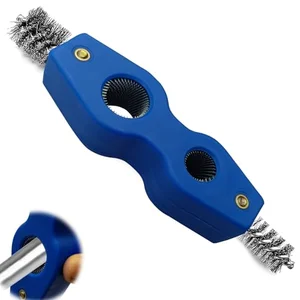
4-in-1 Car Battery Terminal Cleaning Brush
| Format | 4 interchangeable brush heads |
| Coverage | Multiple post/clamp diameters |
| Use case | Multiple vehicles or uncertain terminal size |
| Material | Anti-rust brush construction |
- Four sizes cover more vehicles than a single fixed-size brush
- Useful if you maintain more than one car’s battery
- Anti-rust construction holds up to repeated corrosion exposure
- Bulkier than a single dedicated brush
- Not every head gets equal use depending on your specific terminal size
How We Picked These Terminal Cleaners
We didn’t run these products through a corrosion chamber ourselves, and we’re not going to claim we did. What we did do is cross-reference three things for every pick: the manufacturer’s own published specs (format, size, what the product is and isn’t designed to do), the real use case each one is built for (cleaning existing corrosion vs. preventing it from coming back), and aggregated buyer feedback on Amazon for recurring, genuine complaints — a pattern of “stopped working after one use” reviews tells you something a product description never will. Every award category above maps to a real, distinct buying decision (spray vs. brush, one-time clean vs. prevention, tool shape, and budget), not six similar products with different labels stuck on them.
Battery Terminal Cleaner Buying Guide
Spray vs. Brush: Which Should You Reach For First?
A foam spray is the right call for light-to-moderate corrosion where you want a fast, no-scrub result, and its acid-neutralizing action is genuinely doing something a brush alone can’t. A wire brush is the better choice for heavy, hardened buildup that a spray alone won’t fully lift, or simply for anyone who’d rather spend a few dollars less and do a bit of scrubbing. Many people end up using both: a baking-soda-and-water rinse or spray to loosen and neutralize the corrosion first, then a brush to finish clearing it off down to bare, shiny metal.
Why Cleaning Alone Doesn’t Stop Corrosion From Coming Back
Battery corrosion forms when hydrogen gas released during normal charging reacts with moisture and any acid residue on the terminal — cleaning it off doesn’t change that underlying chemistry, it just resets the clock. That’s the actual reason a terminal protector spray or anti-corrosion washers matter: they create a barrier that slows the same reaction from restarting, which is why pairing a cleaner with a protector step tends to go noticeably longer between cleanings than cleaning alone.
Positive vs. Negative Terminal: Does It Matter Which You Clean First?
For safety, always disconnect the negative (-) terminal first and reconnect it last, regardless of which product you’re using to clean — this reduces the risk of a wrench accidentally bridging a live circuit to the car’s metal body while the positive terminal is still connected. Clean both terminals and the inside of both cable clamps down to bare metal before reconnecting either one.
Safety Tips Before You Start Cleaning
Battery corrosion is caustic and can irritate skin or eyes on contact, so wear safety glasses and gloves before you touch a corroded terminal with any product on this list. Work in a well-ventilated space too — batteries release hydrogen gas during normal charging, and that gas is flammable, so keep sparks and open flame away from the battery while you’re cleaning. If any cleaning solution splashes onto skin or clothing, rinse it off right away rather than waiting until you’re done. And don’t stop as soon as the terminal ‘looks’ clean: any leftover moisture at the connection restarts the corrosion cycle almost immediately, so dry the terminal fully and apply a protector product (see the CRC pick above) before reconnecting the cable.
Frequently Asked Questions
What causes white or green crust on battery terminals?
It’s corrosion caused by hydrogen gas released during normal battery charging reacting with moisture and trace battery acid on the terminal. It’s a normal byproduct of how lead-acid batteries work, not necessarily a sign the battery itself is failing.
Can I use a household item instead of a dedicated cleaner?
Baking soda mixed with water (about a tablespoon per cup) neutralizes the acid on contact and works well for light-to-moderate corrosion, scrubbed on with an old toothbrush or wire brush. For heavier buildup or ongoing prevention, a dedicated spray or protector product typically performs more consistently.
Do I need to disconnect the battery before cleaning the terminals?
Yes — disconnect the negative (-) terminal first, then the positive (+), before cleaning either one. Reconnect in the reverse order, positive first and negative last, to reduce the risk of a short circuit while you’re working.
How often should battery terminals be cleaned?
Check them every few months, or any time you notice slow cranking, dim lights, or visible white/green buildup. Terminals with a protector spray or anti-corrosion washers applied typically go longer between needed cleanings than unprotected terminals.
Will corroded terminals actually stop a car from starting?
Yes — heavy corrosion adds resistance at the connection point, which can reduce the current reaching the starter enough to cause slow cranking or a no-start, even if the battery itself is otherwise healthy and fully charged.
Is it safe to use a wire brush on both battery posts and cable clamps?
Yes, that’s exactly what a terminal cleaning brush is designed for — most have one end sized for the outside of the post and another for the inside of the clamp, so both surfaces come clean down to bare metal for a solid connection.
Conclusion
If you just want clean terminals with the least effort, the NOCO E404 spray is the pick that does the most work for you. On a budget, the Alltooetools wire brush gets the job done for a few dollars, and if you want to stop cleaning the same terminal every few months, pair either one with the CRC terminal protector spray or reach for the LotFancy kit that bundles both steps together. If the corrosion keeps coming back no matter what you clean it with, it’s worth reading our guide on why your car battery keeps corroding to find the underlying cause. And once your terminals are clean, our step-by-step battery connection cleaning guide walks through the full process in more detail.
Products related to this article
Sponsored / affiliate links. As an Amazon Associate I earn from qualifying purchases. I may earn additional commission from eligible campaigns.