Best Adhesive Remover for Car Paint: Top Picks and Safety Tips
The 3M Adhesive Remover, Goo Gone Automotive, and Rain-X Pro 620213 are the three most reliable adhesive removers for car paint, glass, and trim, and all three are currently in stock and priced under $13.
Bumper stickers, parking permits, painter’s tape, and highway tar all leave behind a sticky film that grabs dust and looks worse the longer it sits. The wrong remover, or the wrong technique, can dull clear coat or leave swirl marks, so the products below were chosen because their formulas are documented as safe for painted surfaces, glass, and vinyl when used as directed. Below each product we also cover the actual removal technique, including the one mistake (using acetone or an abrasive pad) that causes most of the paint damage people blame on adhesive removers.
How to Safely Remove Adhesive From Car Paint
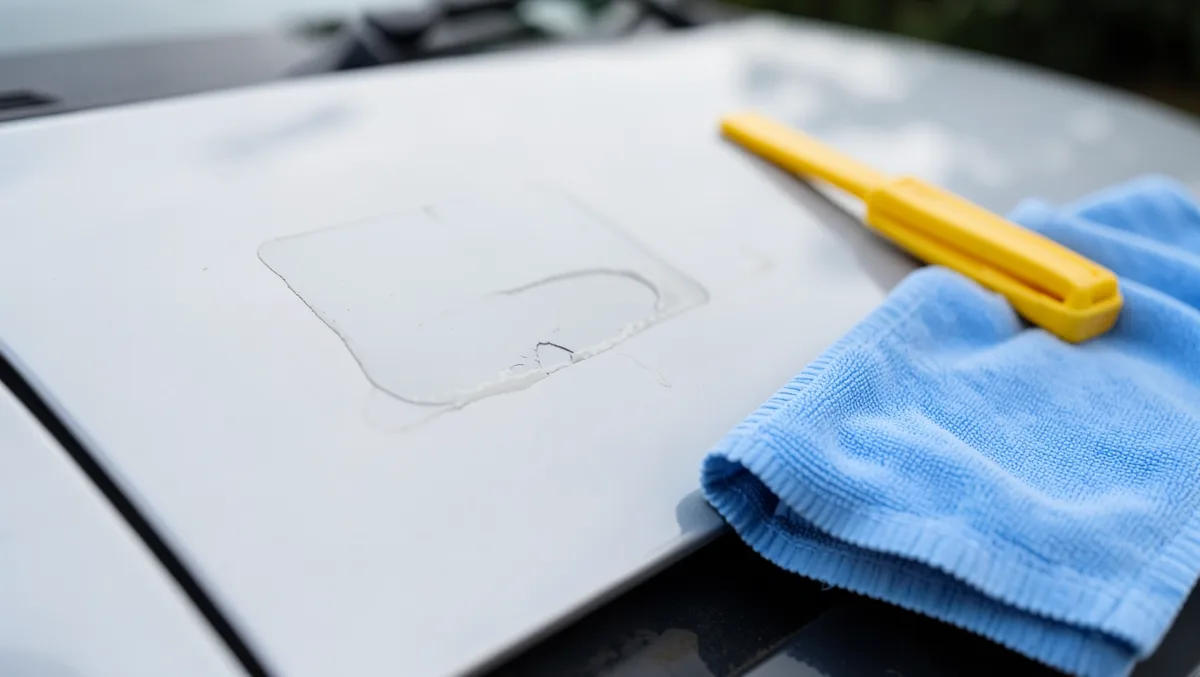
Technique matters as much as the product you buy. Follow this order and you will avoid the swirl marks and dull spots that come from rushing the job:
- Wash the area first. Loose dirt trapped under a cloth acts like sandpaper on clear coat.
- Warm the residue. A hairdryer or heat gun on low, held about 6 inches away, softens tape and sticker glue in under a minute so it lifts instead of smearing.
- Lift it with plastic, never metal. An old gift card or a plastic trim tool will not scratch paint the way a razor blade or putty knife can.
- Apply the remover to a cloth, not straight onto the panel. Dab it on, give it 30 to 60 seconds to soften the last of the residue, then wipe in one direction.
- Rewash and wax. Adhesive removers strip wax along with the glue, so the treated spot needs fresh protection afterward.
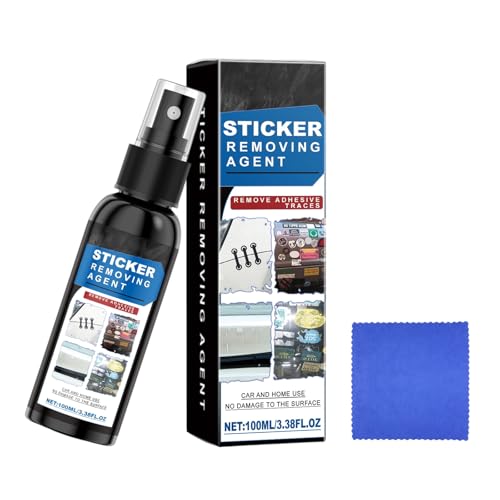
Skip acetone, nail polish remover, and gasoline. All three can strip or discolor clear coat, and the damage is usually permanent. The same goes for abrasive scouring pads. If a job needs more than a couple of passes with a proper adhesive remover, the residue is likely embedded in a scratch, not just sitting on the surface. For window tint glue specifically, glass tolerates a slightly different process than paint; our guide to removing car tint adhesive without scratching the glass covers that case in detail, and our step-by-step sticker residue removal guide walks through the full process pictured above.
3M Adhesive Remover
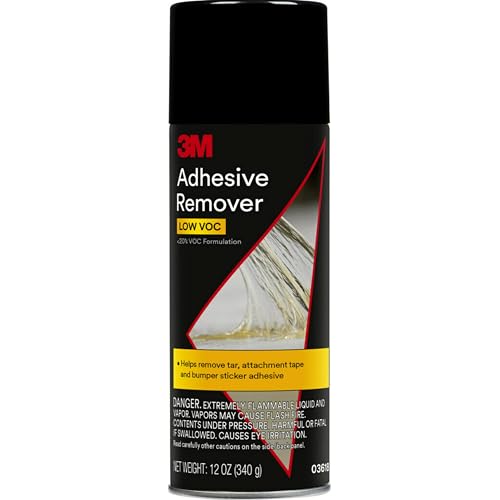
At $12.99 for a 12 oz. can, 3M’s remover is the pick for anyone dealing with old parking stickers, painter’s tape residue, or road tar and who wants a low-odor, low-VOC formula (under 20% VOC) that will not leave a film behind. It is a spray-on product, which makes it easier to get even coverage on a bumper or door panel than a squeeze bottle. 3M rates it safe on painted surfaces, glass, and vinyl, though the company still recommends a test patch on colored or satin-finish trim first.
Pros
- Low-odor, low-VOC aerosol formula (under 20% VOC)
- Dissolves tape, tar, wax, and adhesive residue without a hard scrub
- Rated safe for glass and vinyl in addition to painted body panels
- Leaves no oily film that would keep wax or a new decal from bonding
Cons
- The 12 oz. can runs out fast on a full hood’s worth of old tape residue
- Deep-baked-in tar spots on trucks and RVs may need a second pass
- Not intended for interior fabric or carpet
Where this can earns its spot on the list is the spray format combined with the low-VOC claim, which matters if you are working in an attached garage without much ventilation. Spray it on, let it sit for a minute, and the residue wipes away with light pressure rather than a scrub. See current pricing and availability here.
Goo Gone Automotive
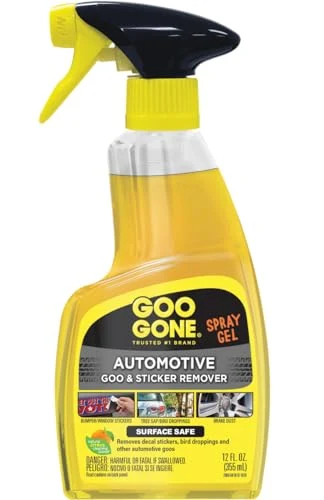
Goo Gone Automotive is a spray gel rather than a straight liquid, which means it clings to a vertical panel or a bumper instead of running off before it has time to work. At $8.29 for 12 fl. oz. ($0.69 per ounce), it is priced for regular detailing use rather than an occasional emergency. Goo Gone built this formula for automotive surfaces specifically, so beyond stickers and tape it also handles tree sap and bird droppings, two contaminants that eat into clear coat if they sit for weeks.
Pros
- Gel consistency stays put on vertical panels instead of dripping
- Formulated for auto interiors, bodies, and rims, not just glass
- Also breaks down tree sap and bird droppings, not only sticker glue
- Recognizable, widely stocked brand with a long track record
Cons
- Old, deeply set-in residue can need a second application
- Not rated for every delicate interior material; check unfinished leather and suede first
The trigger-spray bottle is the main reason to pick this over a liquid remover: point it at a bumper sticker at an angle, hold the trigger for a couple of seconds, and the gel stays in place instead of sliding down the panel while you go find a rag. Check today’s price here.
Rain-X Pro 620213 3-in-1 Bug, Tar and Adhesive Remover
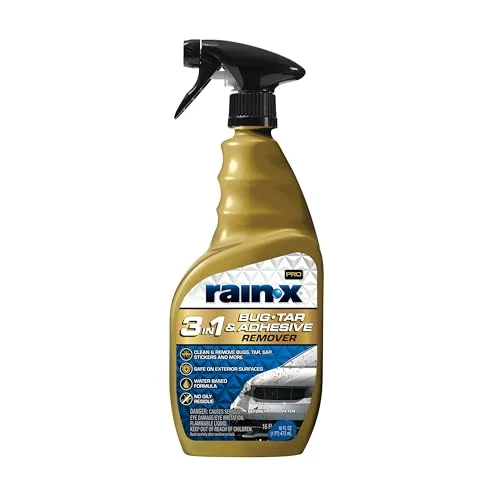
Rain-X Pro is the largest bottle of the three at 16 fl. oz. for $7.97 ($0.50 per ounce), and it earns the “3-in-1” name honestly: the same water-based formula that lifts bug splatter and highway tar off a front bumper also dissolves leftover sticker adhesive. That makes it the practical choice for anyone who drives long distances regularly and needs one bottle in the trunk rather than three separate cleaners for bugs, tar, and glue.
Pros
- Handles bug splatter, road tar, and adhesive residue in one bottle
- Largest volume of the three picks (16 oz.) at the lowest per-ounce cost
- Water-based formula rated safe on exterior painted surfaces
Cons
- Baked-on, weeks-old bug residue may need two applications
- The solvent smell is noticeably stronger than the other two picks
Because it is marketed as a general exterior cleaner rather than purely an adhesive remover, this is the bottle worth keeping in the garage year-round instead of buying only when a sticker needs to come off. To buy this product, click here.
Frequently Asked Questions
How Does 3M Adhesive Remover Work On Cars?
3M Adhesive Remover dissolves tape, tar, wax, and sticker glue on contact. Spray it directly on the residue, let it sit for about a minute, then wipe it away with a microfiber cloth. Its low-VOC formula (under 20%) leaves no oily film behind and is rated safe for painted surfaces, glass, and vinyl.
Is Goo Gone Automotive Safe For Car Interiors?
Yes. Goo Gone Automotive is formulated for auto interiors, bodies, and rims, and it removes stickers, tree sap, and bird droppings without stripping clear coat when used as directed. It is still worth testing an inconspicuous spot first on unfinished leather, suede, or aftermarket vinyl wraps before treating a visible panel.
Can Rain-X Pro Remove Tar From Vehicles?
Yes. Rain-X Pro 620213 is built as a 3-in-1 formula specifically for bug splatter, road tar, and adhesive residue on a car’s exterior. Spray it on the affected panel, let it penetrate for about a minute, and wipe clean with a microfiber towel. Rewax the spot afterward since the solvent also strips existing wax.
What Surfaces Can 3M Adhesive Remover Clean?
3M Adhesive Remover is rated for painted car surfaces, glass, and vinyl. It is not intended for interior carpet or fabric upholstery. As with any adhesive remover, test a small, inconspicuous area first, especially on matte or satin-finish paint and vinyl wraps.
Does Goo Gone Remove Stickers From Car Windows?
Yes, Goo Gone Automotive removes stickers and decals from car windows. Apply it to the sticker, let it soak in for about a minute so the adhesive softens, then lift the edge with a plastic scraper (not a metal razor) and wipe the glass clean with a microfiber cloth.
Is It Safe to Use Acetone or WD-40 on Car Paint Adhesive?
No, acetone and nail polish remover should be avoided on painted surfaces; both can strip or discolor clear coat, and the damage is often permanent. WD-40 will loosen some light adhesive residue and is safer than acetone, but it leaves an oily film that has to be washed off with soap and water before waxing, so a purpose-built adhesive remover is still the better first choice for paint.
Do I Need to Wax My Car After Using an Adhesive Remover?
Yes. Adhesive removers dissolve wax along with the sticker glue, so the treated spot is left bare after cleanup. Wash the area with soap and water to clear any remaining solvent, dry it fully, then apply wax or sealant to that panel so it matches the protection level of the rest of the car.
Conclusion
All three products here are currently in stock, priced under $13, and rated safe for painted surfaces when the technique above is followed: wash first, warm the residue, lift with plastic, apply the remover to a cloth rather than the panel, then rewax. The 3M Adhesive Remover is the strongest pick for stubborn tape and tar thanks to its low-VOC spray formula; Goo Gone Automotive is the better choice for a gel that stays put on vertical panels and doubles as a tree-sap and bird-dropping cleaner; and Rain-X Pro 620213 is the best value if you want one bottle that also handles bug splatter on road trips.
Whichever remover you choose, skip acetone and abrasive pads, test a small area first, and plan on rewaxing the spot once the residue is gone. Do that and any of these three will lift tape, tar, or sticker glue without leaving a mark on your paint.
Products related to this article
Sponsored / affiliate links. As an Amazon Associate I earn from qualifying purchases. I may earn additional commission from eligible campaigns.