Paint Sealant for Cars: How It Works, Types and How to Apply It
Paint sealant is a synthetic, resin-based product that bonds to your car’s clear coat to form a hard, glossy protective layer against UV rays, oxidation, and everyday grime. A single application of a good synthetic sealant typically holds up for 4 to 12 months, roughly three to six times longer than carnauba wax, before it needs to be reapplied.
This guide covers how paint sealant actually works, how it compares to wax and ceramic coating, the different types you can buy, a step-by-step application process, and how to tell when your protection has worn off and it is time to reapply.
What Is Paint Sealant and How Does It Protect Your Car’s Paint?
Paint sealant is made from synthetic polymers and resins rather than the natural waxes (carnauba, beeswax) used in traditional car wax. When you apply it, the polymers cross-link and bond tightly to the microscopic pores in your car’s clear coat, forming a hard, semi-permanent barrier on top of the paint.
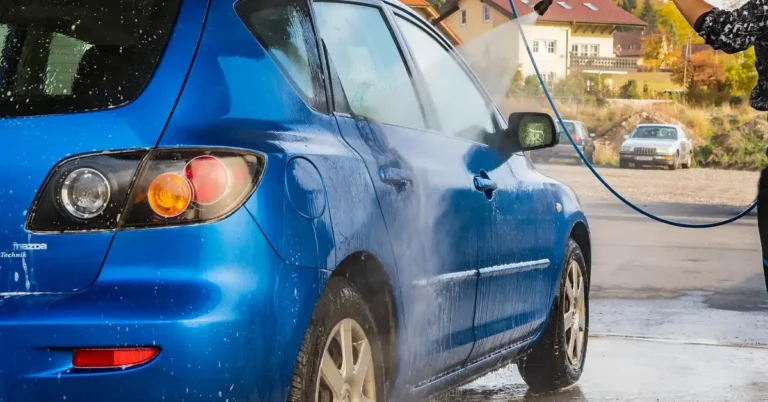
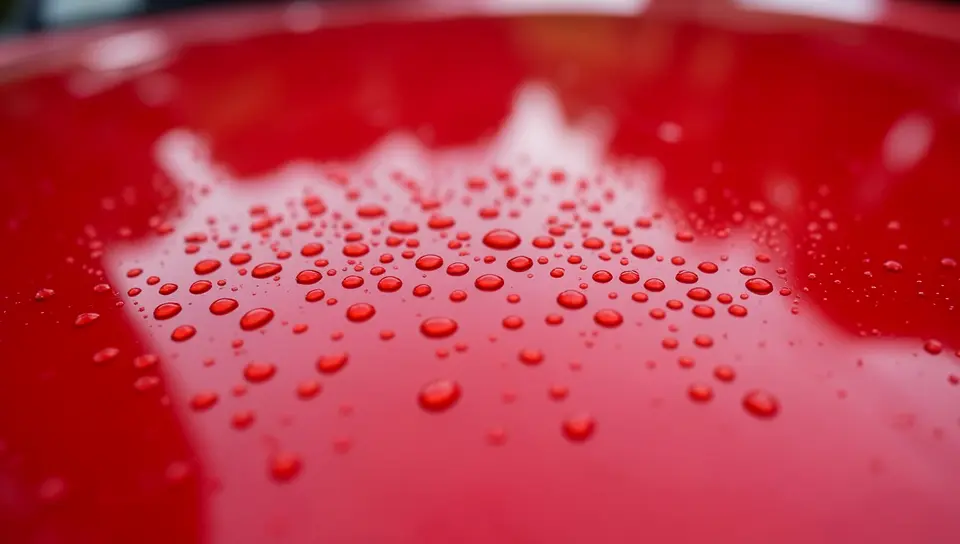
That barrier does three main jobs. First, it blocks UV rays that would otherwise fade and oxidize the paint over time. Second, it keeps contaminants — road grime, tree sap, bird droppings, brake dust, light bug splatter — from bonding directly to the clear coat, so they wipe off more easily on your next wash instead of etching in. Third, because the surface becomes hydrophobic, water sheets off instead of sitting and drying into hard water spots.
The tradeoff for that stronger bond is a slightly less “warm” look than wax gives — sealant tends to produce a sharper, glassier shine rather than wax’s deeper, softer glow. Most detailers consider that a fair trade for the extra months of protection.
CERAMIC SPRAY SEALANT WE RECOMMEND
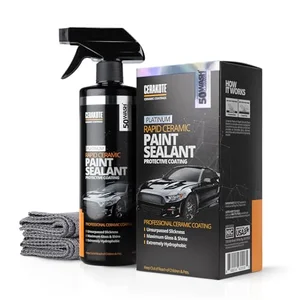 |
CERAKOTE Platinum Rapid Ceramic Paint Sealant Spray, 14 oz – $19.69 A ceramic-infused spray sealant like this is the easiest way to get the hydrophobic, water-beading effect described above without a full multi-step ceramic coating install — spray on, spread, and buff off.
|
Paint Sealant vs. Wax vs. Ceramic Coating: What’s the Difference?
All three products protect your paint, but they differ in what they’re made from, how long they last, and how much work they take to apply. Here’s how they stack up:
| Product | Base Material | Typical Durability | Typical Cost | Application Difficulty |
|---|---|---|---|---|
| Carnauba wax | Natural wax | 4–8 weeks | $10–$30 | Easy |
| Paint sealant | Synthetic polymer/resin | 4–12 months | $15–$40 | Easy to moderate |
| DIY ceramic coating | Silicon dioxide (SiO2) | 1–3 years | $50–$150 | Moderate to hard |
| Professional ceramic coating | SiO2 / SiC | 2–5+ years | $500–$2,000+ | Professional install |
In practice, most owners land on sealant as the sweet spot: it lasts far longer than wax for roughly the same price and effort, but it doesn’t require the surface prep, controlled environment, or curing time a true ceramic coating install does.
Types of Paint Sealant
Not all sealants are built the same. The three common types differ mainly in how long they last and how much prep they need:
- Spray sealants — the fastest to apply: spray on a clean panel, spread with a microfiber towel, buff off. Durability is on the shorter end, usually 2 to 6 months, making them a good quick top-up between full applications.
- Synthetic polymer sealants (liquid or paste) — the traditional sealant format. These need a bit more work to apply and buff, but they typically last 6 to 12 months and offer the most consistent, even finish.
- Ceramic-infused spray sealants — a hybrid product that adds silicon dioxide (SiO2) to a sealant base. These apply almost as easily as a spray sealant but push durability closer to 8 to 14 months, landing between a standard sealant and an entry-level DIY ceramic coating.
How to Apply Paint Sealant in 6 Steps
Paint sealant bonds to whatever is on the surface when you apply it, so proper prep matters more than the sealant itself. Work in the shade on a cool panel, never in direct sun or on a hot hood.
- Wash the car thoroughly. Use a pH-neutral car wash soap and the two-bucket method to remove loose dirt, grime, and road salt before sealant goes anywhere near the paint.
- Decontaminate with a clay bar if the surface feels rough. Run your hand over a dry panel after washing — if it feels gritty rather than glass-smooth, claying removes embedded contaminants a wash alone can’t.
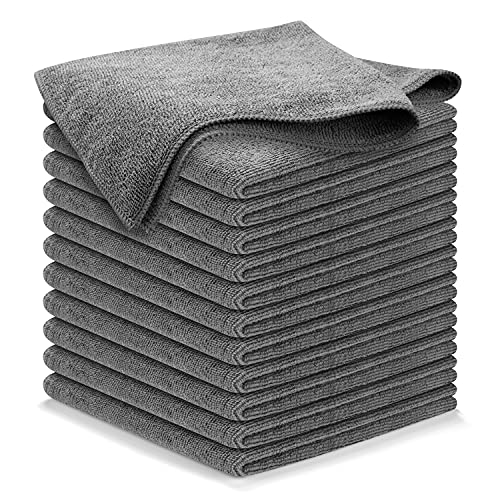
- Dry the car completely. Any leftover moisture or streaks will get sealed under the sealant layer, so use a clean microfiber drying towel and check panel gaps and mirrors.
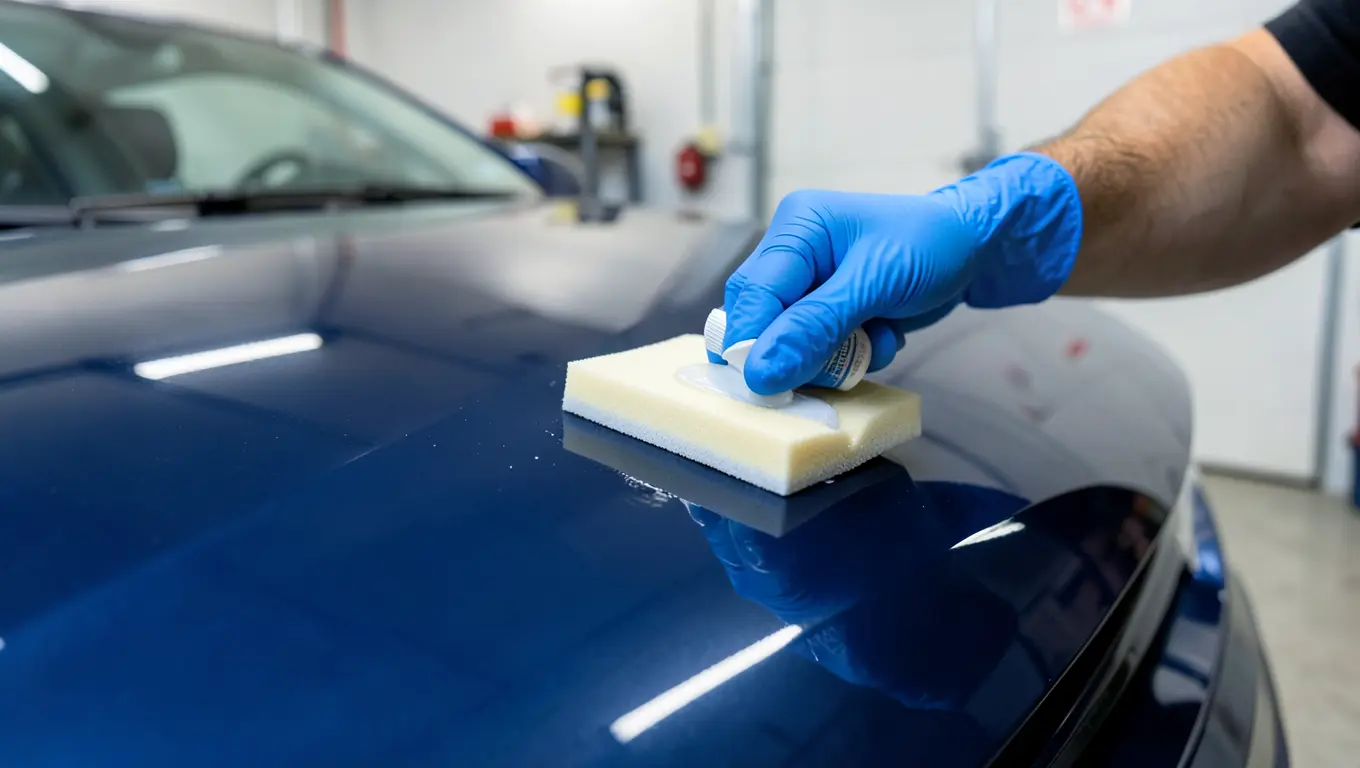
- Apply a small amount to an applicator pad and work in sections. Use thin, even coats on one panel at a time — a little goes a long way, and heavy application just means more work buffing off later.
- Let it haze per the product’s instructions. Most sealants need 5 to 15 minutes to cure to a light haze; check the label, since cure time varies by product and temperature.
- Buff off with a clean, dry microfiber towel. Flip to a fresh side of the towel often so you’re not just moving haze around, and finish with a quick water-beading check to confirm even coverage.
Total time for a full car is usually 1 to 2 hours, most of it spent on the wash-and-dry prep rather than the sealant itself.
How Long Does Paint Sealant Last, and When Should You Reapply?
Most synthetic sealants last 4 to 12 months, but the real-world number depends heavily on how the car is used and stored. A garage-kept car washed by hand with pH-neutral soap will hold protection toward the long end of that range. A daily driver parked outside, run through automated touchless or brush car washes, or exposed to intense sun and road salt will burn through protection faster, sometimes in as little as 3 to 4 months.
Rather than guessing on a calendar, use the water-beading test. Pour a small amount of water on a clean panel: tight, round beads that roll off mean the sealant is still working. Water that spreads out into flat sheets or sits without beading is the clearest sign the sealant has broken down and it’s time to reapply.
Frequently Asked Questions
Is Paint Sealant Better Than Wax?
For protection, yes. Paint sealant’s synthetic polymers bond more tightly to the clear coat and last three to six times longer than carnauba wax on average. Wax still has an edge in look, giving a warmer, deeper shine that some owners prefer over sealant’s sharper, glassier finish, so many detailers layer a coat of wax on top of a cured sealant to get both benefits.
How Often Should I Apply Paint Sealant?
Most synthetic sealants need reapplication every 4 to 12 months, and ceramic-infused spray sealants can stretch to 8–14 months. Rather than sticking to a fixed schedule, check with the water-beading test every few weeks once you’re past the halfway point of the product’s stated durability.
Can I Apply Paint Sealant Over Wax or Ceramic Coating?
You can apply sealant over a cured wax layer, and many owners do this specifically for the combined shine and durability. Applying sealant directly over an existing ceramic coating is generally unnecessary and can interfere with the coating’s own bond — check the coating manufacturer’s guidance first, since some explicitly recommend against layering other products on top.
Does Paint Sealant Remove Scratches or Swirl Marks?
No. Paint sealant is a protective layer, not a correction product. It sits on top of the clear coat and does not fill, sand, or polish out existing scratches or swirl marks. If your paint already has visible defects, a machine polish or compound step needs to happen before sealant goes on — sealing over swirls locks them in rather than hiding them.
Can I Apply Paint Sealant Myself, or Do I Need a Professional?
Most spray and liquid paint sealants are designed for DIY use and don’t require any special tools beyond a wash mitt, microfiber towels, and an applicator pad. A full car typically takes 1 to 2 hours from wash to final buff. Professional application is really only necessary for true multi-layer ceramic coatings, which involve paint correction and controlled curing conditions that most sealants don’t need.
Does Temperature Affect Paint Sealant Application?
Yes. Applying sealant in direct sun or on a hot panel causes the product to flash-dry too fast, leaving streaks and uneven haze that are hard to buff out cleanly. Work in the shade, ideally with the panel and ambient temperature between about 50°F and 80°F, and always let one section fully haze and buff before moving to the next.
Conclusion
Paint sealant sits in the sweet spot between wax and ceramic coating: it costs about the same as wax and applies almost as easily, but it protects your car’s paint for months longer. The type you pick — spray, synthetic polymer, or ceramic-infused — mostly comes down to how much durability you want versus how much time you want to spend applying it.
Whichever you choose, the process is the same: wash and decontaminate first, apply thin even coats on a cool panel, let it haze, and buff it off. Run the water-beading test every so often, and reapply once the beading flattens out. That’s the whole routine standing between your car’s paint and months of UV, grime, and water damage.
Products related to this article
Sponsored / affiliate links. As an Amazon Associate I earn from qualifying purchases. I may earn additional commission from eligible campaigns.