How to Remove Adhesive From Car: Proven Methods for Every Surface (2026)
Quick Answer
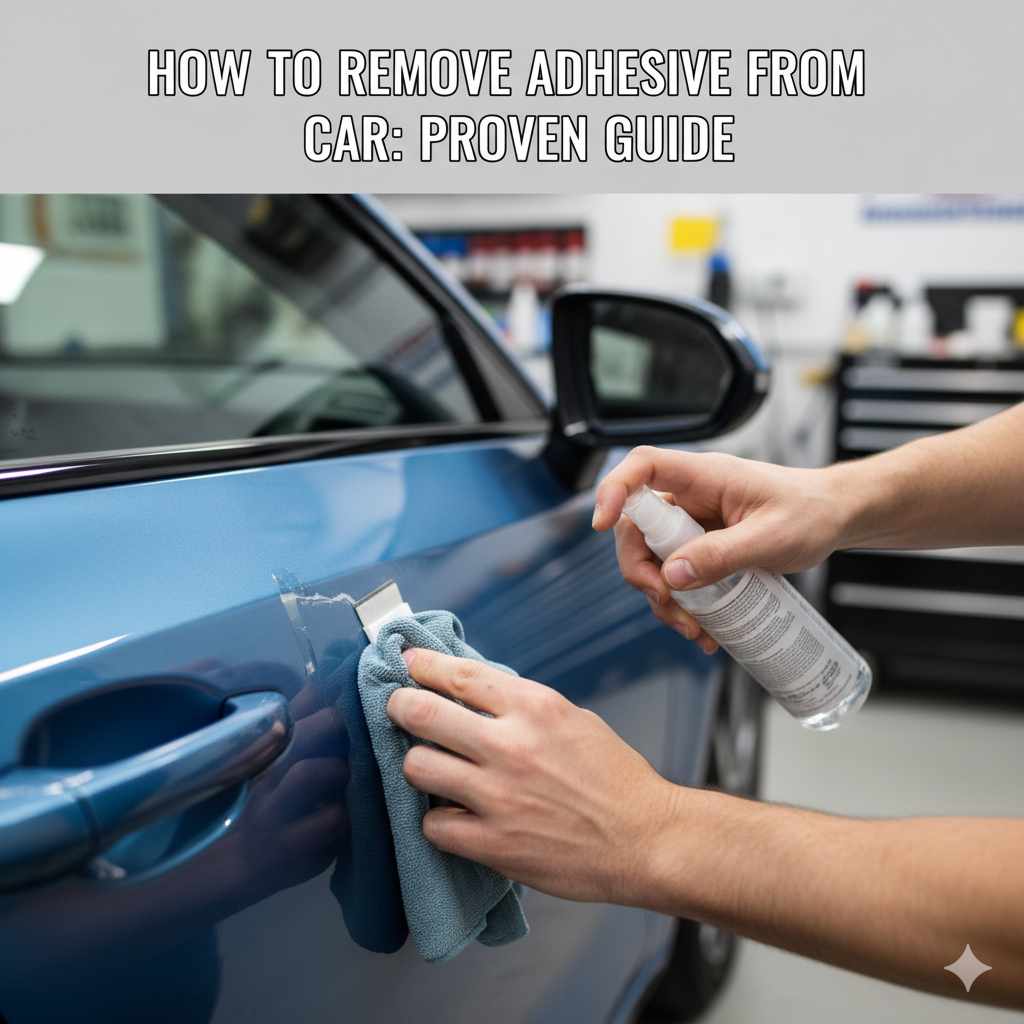
To remove adhesive from a car, start with the gentlest method: soak the area with warm soapy water, let it sit 2–3 minutes, then gently lift with a plastic scraper or old credit card. For stubborn residue, apply rubbing alcohol (70%+) on a microfiber towel and let it dwell 30–60 seconds before wiping. Tough sticker residue, tape marks, or badge adhesive responds best to Goo Gone Automotive or 3M Adhesive Remover — apply, wait 1–5 minutes, scrape, then rinse. Always finish by washing the area with car soap and applying a coat of wax to restore paint protection.
I’m Md Meraj, and after fixing dozens of these sticky spots myself, the gentlest method below almost always works before you need anything stronger. This guide covers every surface — paint, glass, plastic — and the exact products that actually cut through stubborn sticker and tape residue without damaging your finish.
Why Adhesive Becomes a Problem on Cars
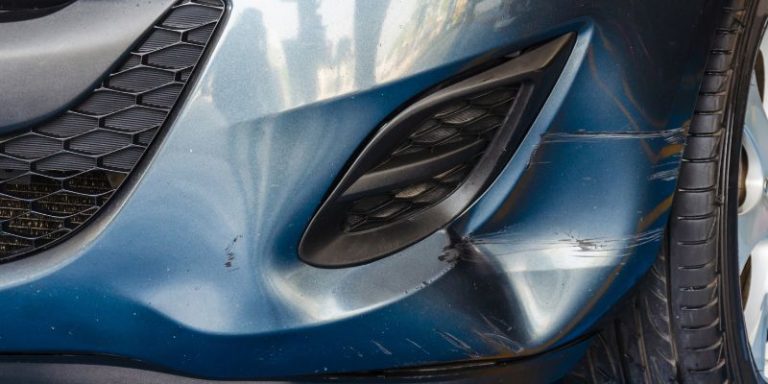
Adhesives on cars can come from many places. Sometimes, it’s factory-applied trim or badges. Other times, it might be residue from temporary decals, parking permits, or even a poorly applied car bra. Over time, sun exposure can bake these adhesives onto the surface, making them harder to remove. Windshield sticker residue from toll passes or inspection stickers is another common culprit. Whatever the source, sticky gunk can ruin your car’s appearance and even start to degrade the surface if left for too long. The good news is that most adhesives can be removed without damaging your car’s paint or materials if you use the right techniques.
Understanding Different Types of Car Surfaces
Before we dive into removal, it’s super important to know what surface you’re dealing with. Different materials require different approaches to avoid damage:
- Painted Surfaces: This is your car’s exterior paint. It’s durable but can be scratched or dulled by harsh chemicals or aggressive scrubbing.
- Glass: Car windows and mirrors are generally tough, but aggressive scraping can cause fine scratches.
- Plastic Trim: This includes bumpers, mirror housings, and interior panels. Some plastics can be discolored or softened by strong solvents.
- Vinyl and Rubber: Think window seals, tires, and some older trim pieces. These can dry out, crack, or become discolored from certain cleaners.
Knowing your surface will help you pick the safest and most effective removal method. Always remember to test a small, inconspicuous area first!
Essential Tools and Supplies for Adhesive Removal
You probably have most of these at home already! Having the right gear makes the job much easier and safer for your car.
Basic Toolkit: What You’ll Need
- Microfiber Towels: Plenty of these are essential for applying solutions, wiping away residue, and buffing.
- Plastic Scrapers or Old Credit Cards: These are gentler than metal blades and won’t scratch paint or glass.
- Spray Bottles: For applying cleaning solutions.
- Warm Soapy Water: A classic and safe cleaner for general grime.
- Rubbing Alcohol (Isopropyl Alcohol): Effective for breaking down many sticky residues. Use a concentration of 70% or higher.
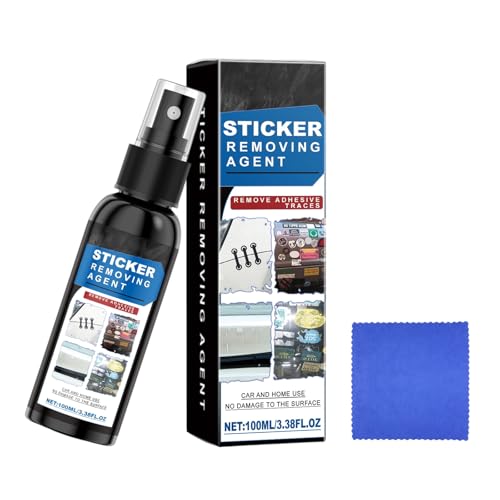
- Dedicated Automotive Adhesive Remover: Products like Goo Gone Automotive, 3M Adhesive Remover, or Turtle Wax Label & Sticker Remover are specifically designed for cars.
- Detailing Clay Bar (Optional but Recommended): Excellent for removing stubborn, embedded residues from paint.
- Car Wash Soap and Wax: For a final clean-up and protection.
- Gloves: To protect your hands from chemicals.
- Safety Glasses: To protect your eyes, especially when working overhead.
Step-by-Step Guide: How to Remove Adhesive From Car Surfaces
Here’s how to tackle that sticky mess, broken down by method and surface type.
Method 1: The Gentle Approach (Mild Residue & Fresh Adhesive)
This is your first line of defense and often works wonders for less stubborn adhesives. Always start here!
- Clean the Area: Wash the spot with warm soapy water and a microfiber towel. Rinse and dry completely.
- Apply Warm Soapy Water: Spray the area generously with warm, soapy water. Let it soak for a few minutes to soften the adhesive.
- Gently Scrape: Use a plastic scraper or an old credit card at a low angle to carefully lift the edges of the adhesive. Work slowly and patiently.
- Wipe Away: Use a clean microfiber towel to wipe away any loosened adhesive and soapy water.
- Rinse and Dry: Rinse the area with clean water and dry thoroughly with another microfiber towel.
Method 2: Using Rubbing Alcohol (For Light to Moderate Residue)
- Clean and Dry: Ensure the area is clean and dry.
- Apply Alcohol: Dampen a clean microfiber towel with rubbing alcohol. Don’t soak it, just make it moist.
- Dwell Time: Hold the damp towel against the adhesive for 30-60 seconds. This allows the alcohol to break down the sticky bond.
- Rub Gently: Gently rub the adhesive area in a circular motion. You should start to see the residue loosening.
- Scrape if Needed: If some residue remains, use your plastic scraper at a shallow angle to gently lift it.
- Repeat if Necessary: For stubborn spots, you might need to repeat steps 2-5.
- Final Clean: Once the adhesive is gone, clean the area again with car wash soap and water, rinse, and dry.
Method 3: Specialized Automotive Adhesive Removers (Tough Residues)
Using Goo Gone Automotive or Similar Products
- Read the Product Instructions: Always follow the manufacturer’s guidelines.
- Apply Directly: Spray the adhesive remover directly onto the sticky residue.
- Let it Sit: Allow the product to penetrate for the recommended time (usually 1-5 minutes).
- Gently Work the Residue: Use a plastic scraper or microfiber towel to gently lift the softened adhesive.
- Wipe Clean: Wipe away all loosened residue and excess product.
- Rinse Thoroughly: Wash the area with car wash soap and water, rinse well, and dry.
- Inspect: Check the area for any leftover spots. Repeat if necessary.
Product Comparison Table
| Product Type | Pros | Cons | Best For |
|---|---|---|---|
| Warm Soapy Water | Safest, readily available, cheap | Least effective on tough adhesives | Light dust, fresh sap, minor residue |
| Rubbing Alcohol (IPA) | Breaks down many adhesives, evaporates quickly, affordable | Can dry out some plastics if overused | Sticker residue, tar, some glue marks |
| Goo Gone Automotive | Specifically formulated for cars, effective on tough stuff | Requires rinsing, can leave oily residue if not washed off | Tar, bugs, tape residue, bumper stickers |
| 3M Adhesive Remover | Strong, fast-acting, designed for automotive paints | Stronger chemicals, requires careful application | Heavy-duty tape, emblems, graphic removal |
| Detailing Clay Bar | Removes embedded contaminants from paint, safe for clear coats | Requires lubrication, not a solvent for sticky goo itself | Stubborn overspray, bonded contaminants, final paint decon |
Method 4: For Stubborn Paint Protection Film (PPF) or Vinyl Decals
- Clean the Area: Wash and dry the surface thoroughly.
- Apply Gentle Heat: Use a heat gun on a low setting or a hairdryer on medium, held 6-8 inches away, constantly moving.
- Slowly Peel: Start at a corner and gently peel back at a very low angle. The heat should help the adhesive release.
- Address Residue: Use automotive adhesive remover on any remaining goo.
- Final Wash and Wax: Wash the area thoroughly, then apply a coat of wax.
Method 5: Removing Adhesive Residue from Glass
- Soak it: Spray with glass cleaner or hot soapy water. Let it soak for several minutes.
- Scrape: Use a new, sharp razor blade scraper held at a low angle, keeping the glass wet with cleaner while scraping.
- Alcohol or Remover: For any remaining small bits, apply rubbing alcohol or automotive adhesive remover.
- Clean Glass: Finish with your preferred glass cleaner for a streak-free shine.
Method 6: Cleaning Interior Surfaces (Dashboards, Door Panels)
- Identify Material: Is it hard plastic, soft-touch plastic, vinyl, or leather?
- Test First: ALWAYS test any cleaner on an inconspicuous spot first.
- Mild Cleaners: Start with a mild interior cleaner or diluted mild dish soap on a microfiber towel.
- Gentle Rubbing: Gently rub the adhesive residue. Use a plastic scraper for thicker bits.
- Rubbing Alcohol (Use with Caution): For tougher interior spots, use a slightly damp microfiber towel with rubbing alcohol sparingly, then immediately follow with a clean damp cloth.
- Wipe Down: After removing the adhesive, wipe with a clean damp cloth, then dry.
What NOT to Do When Removing Adhesive
- Don’t use abrasive pads or steel wool: They will scratch paint and plastic.
- Don’t use harsh solvents like acetone or lacquer thinner on paint: These can eat through paint and clear coat very quickly.
- Don’t use metal razor blades on paint: Only use on glass, and even then, with caution and lubrication.
- Don’t apply excessive heat: Overheating can bubble paint or warp plastic.
- Don’t scrub aggressively: Patience and the right product are more effective than brute force.
- Don’t forget to rinse and clean after using removers: Leftover chemicals can cause long-term damage.
Pro Tips for a Pristine Finish
- Work in the Shade: Direct sunlight can cause cleaners to dry too quickly.
- Be Patient: Some adhesives take time to break down. Let the product do the work.
- Layer Methods: Use Goo Gone to lift the bulk of the adhesive, then rubbing alcohol for stubborn remnants before washing.
- Protect Your Work: After removing adhesive, apply a coat of wax or sealant to the paintwork.
- Use a Clay Bar: For deeply embedded residue on paint, a clay bar with clay lubricant is excellent for decontaminating the surface.
Frequently Asked Questions (FAQ)
Q1: Can I use nail polish remover to remove sticker residue from my car?
A: It’s generally not recommended. Nail polish remover typically contains acetone or other strong solvents that can damage your car’s paint and plastic trim. Stick to automotive-specific removers or rubbing alcohol for safer results.
Q2: How do I remove residue from a parking permit sticker on my windshield?
A: For windshields, start by soaking the residue with glass cleaner or soapy water. Then, use a new razor blade scraper held at a very low angle to gently lift the residue. Follow up with rubbing alcohol for any persistent spots.
Q3: Is a heat gun safe for removing decals from car paint?
A: Yes, but with extreme caution. Use a heat gun on its lowest setting and keep it moving constantly about 6-8 inches from the surface. The goal is to warm and soften the adhesive, not to overheat the paint. Too much heat can damage the paint or clear coat.
Q4: What’s the difference between Goo Gone and Goo Gone Automotive?
A: While both are adhesive removers, Goo Gone Automotive is specifically formulated to be safe for automotive finishes, including paint, plastic, and metal. The original Goo Gone might be too aggressive for some car surfaces.
Q5: Can I use WD-40 to remove adhesive from my car?
A: Yes, WD-40 can be effective at breaking down many types of adhesives. Apply it, let it sit for a few minutes, then gently wipe or scrape the residue away. Be sure to wash the area thoroughly with car soap and water afterward, as WD-40 can leave an oily film.
Q6: What if the adhesive has been on my car for a very long time?
A: For old, baked-on adhesive, you might need a stronger dedicated automotive adhesive remover and potentially multiple applications. Patience is key. You may also need to carefully use a plastic razor blade to aid in lifting stubborn bits after the remover has softened them.
Q7: Do I need to wax my car after removing adhesive?
A: It’s a good idea, especially if you used any solvents or scraped the area. The cleaning process can strip away existing wax, leaving the paint exposed. Applying a fresh coat of wax will restore protection and shine.
Products related to this article
Sponsored / affiliate links. As an Amazon Associate I earn from qualifying purchases. I may earn additional commission from eligible campaigns.