Are Cops Allowed to Touch Your Car: Know Your Rights Now
Have you ever wondered what happens when a police officer touches your car during a stop? You might feel uneasy or confused about your rights and what the law actually allows.
Knowing whether cops are allowed to touch your car can protect you and help you stay calm in unexpected situations. You’ll discover the key facts about what officers can and cannot do, so you’re always prepared and in control. Keep reading—understanding this could make all the difference next time you’re on the road.
Police Authority At Traffic Stops
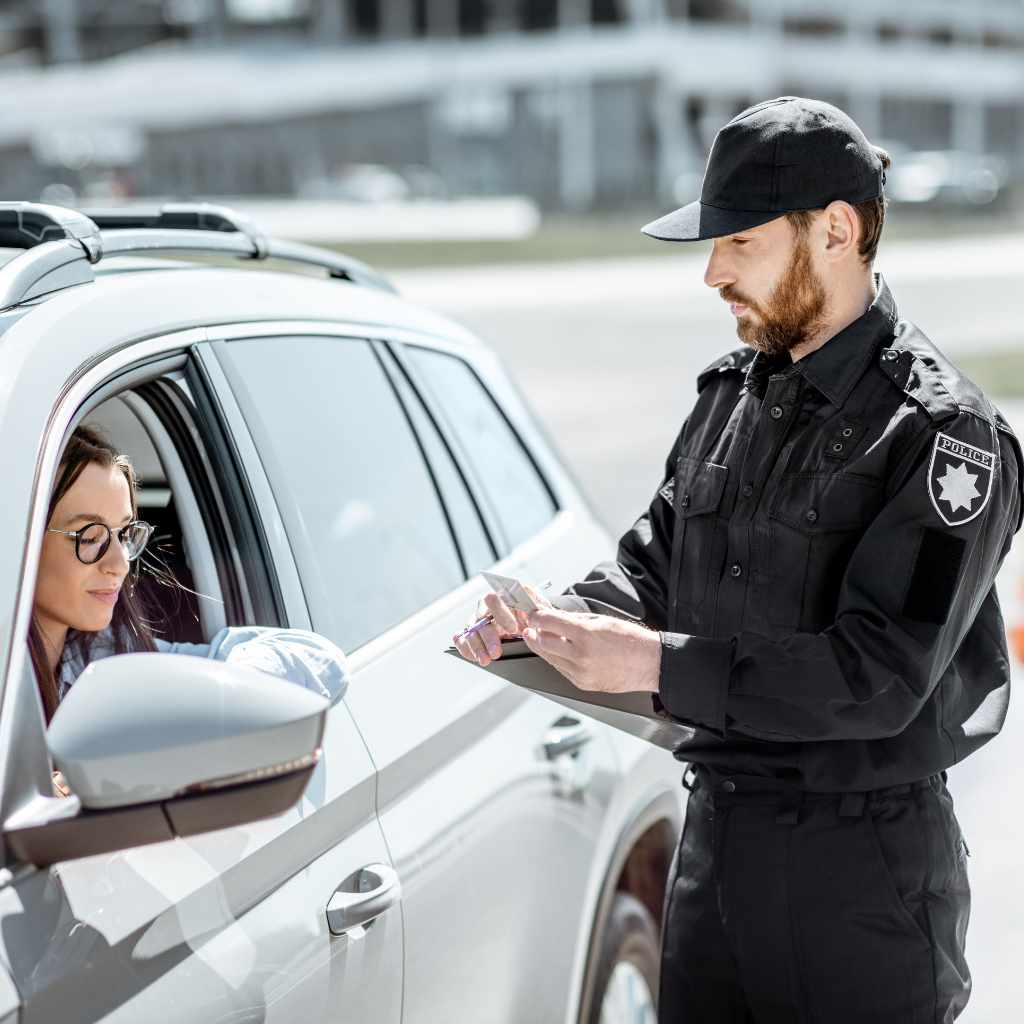
Police officers have specific powers during traffic stops. These powers include the ability to approach and sometimes touch your car. Their goal is to ensure safety for everyone on the road. Knowing what officers can and cannot do helps you stay calm and informed.
Officers may act to check on your well-being or gather information. They follow rules set by law to protect your rights and public safety. Understanding these rules makes traffic stops less confusing.
Legal Basis For Contacting Vehicles
Police can touch your car during a traffic stop under certain conditions. They might tap your window or door to get your attention. This action is legal and part of their duty to communicate safely.
Officers may also look inside the car if they have a clear reason. For example, they might see something illegal or dangerous through the window. This is called having “reasonable suspicion.”
Touching your car helps officers check for hidden weapons or drugs. They use this to protect themselves and others during the stop. This authority comes from court decisions and laws about public safety.
When Officers Can Search Your Car
Police need a valid reason to search your vehicle. They cannot search without your permission or a legal cause. One reason is if they see illegal items in plain view.
Officers can also search your car if they have probable cause. This means they believe a crime is happening or has happened. In some cases, they may have a search warrant from a judge.
Another reason for a search is if the officer believes you are a danger. This includes checking for weapons or harmful items inside the car. The law balances your rights with the officer’s need to keep everyone safe.
Your Rights During A Traffic Stop
During a traffic stop, knowing your rights is very important. Police officers have rules they must follow. You have the right to stay calm and respectful. Understanding what police can and cannot do helps protect your freedom.
Your car is your property. Officers cannot just touch or search it without a good reason. Knowing when you can say no is key. This section explains your rights clearly.
Refusing Consent To Search
Police often ask to search your car. You have the right to say no. You do not have to agree to a search without a warrant. Saying no does not mean you are guilty. It protects your rights. Always speak clearly and calmly when refusing.
Requirements For A Warrant Or Probable Cause
Officers need a warrant or probable cause to search your car. Probable cause means they have a good reason to believe you broke the law. Without this, they cannot touch or search your vehicle. A warrant is a legal document from a judge. It allows police to search your car. Knowing these rules helps you stay safe during a stop.
Types Of Searches Explained
Police officers can search your car in different ways. Each type of search has specific rules. Knowing these helps you understand your rights better.
This section explains the main types of car searches by police. It covers searches with consent, without consent, and searches incident to arrest.
Searches With Consent
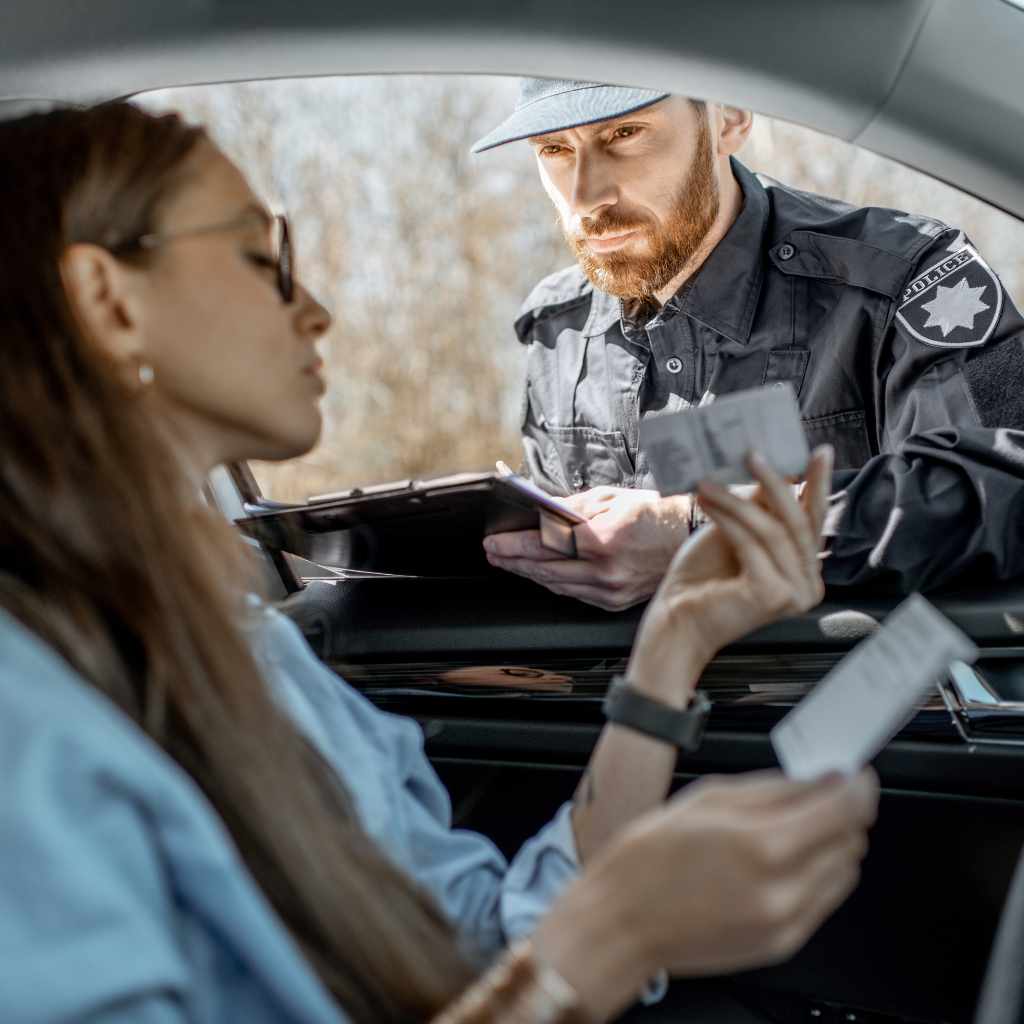
Police can search your car if you say yes. They must ask clearly for permission. You have the right to say no. Giving consent is voluntary and can be withdrawn anytime. Always remember, you do not have to agree to a search.
Searches Without Consent
Sometimes, police search your car without asking. This happens if they have a strong reason to believe there is evidence or danger. This reason is called probable cause. They can also search if they see illegal items in plain view. No consent is needed in these cases.
Searches Incident To Arrest
If you are arrested, police can search your car. This search is to protect officers and find evidence. It covers areas within your reach inside the car. The search must happen soon after the arrest. This rule helps keep everyone safe.
What Counts As ‘touching’ Your Car
Understanding what counts as “touching” your car is important during police encounters. Police officers may need to examine your vehicle, but there are limits to what they can do. The term “touching” covers different actions, from looking at your car closely to physically handling it.
Knowing the difference helps you understand your rights better. It also shows when police may need your permission or a legal reason to interact with your vehicle.
Physical Contact Vs. Visual Inspection
Visual inspection means an officer looks at your car without touching it. This can include shining a flashlight on the tires or windows. It is a way to check for visible signs of trouble.
Physical contact happens when the officer touches the car. This can be tapping the hood or running a hand along the door. Such contact may require a valid reason or your consent.
Opening Doors And Trunks
Opening doors or trunks is a clear form of touching your car. Police usually need your permission or a warrant. Without either, opening these parts can violate your rights.
Officers may open doors or trunks if they believe there is danger or evidence inside. Still, this action is more than simple touching. It involves a deeper search and control over your vehicle.
How To Respond If Police Touch Your Car
Knowing how to respond if police touch your car is important. It can help keep the situation calm and clear. Your actions can protect your rights and avoid misunderstandings. Stay calm and be polite. This helps the encounter go smoothly. Stay alert and aware of what is happening around you.
Staying Calm And Composed
Take deep breaths to stay calm. Avoid sudden movements or raising your voice. Speak clearly and respectfully. Keep your hands visible at all times. Do not argue or resist. This helps to prevent any escalation. Police are more likely to listen if you stay calm. Your calmness shows you are cooperating and respectful.
Asking Questions And Documenting
Politely ask why they are touching your car. You have the right to know the reason. Say, “Can you please tell me why you are touching my car?” Take note of the officer’s name and badge number. Use your phone to record the interaction if safe. Write down the date, time, and place. This information can be useful later. Never interfere with the officer’s work, just observe and document.
Legal Consequences And Protections
Understanding the legal consequences and protections related to police touching your car is important. Police officers must follow rules during traffic stops and searches. Knowing your rights helps protect you and your property.
Police can only touch or search your car under specific conditions. If they do not follow the law, their actions may be illegal. Illegal searches can affect court cases and your rights.
Challenging Illegal Searches
You have the right to challenge an illegal search of your car. Evidence gained from an unlawful search may not be used in court. To challenge a search, you can hire a lawyer. The lawyer can file a motion to exclude the evidence. This helps protect your rights and ensures police follow the law.
Filing Complaints Or Lawsuits
If police violate your rights, you can file a complaint. Complaints can be made to the police department or civilian review boards. You may also consider filing a lawsuit for damages. Lawsuits hold officers accountable for illegal actions. Taking action can help prevent future violations.
State Variations In Search Laws
Search laws vary greatly between states. What is legal in one state may be illegal in another. This affects whether police can touch or search your car. Knowing these differences helps you understand your rights better. It also prepares you for encounters with law enforcement.
Differences In Consent Laws
Some states require police to get your permission before touching your car. Others allow officers to act without consent under specific conditions. For example, if they see something illegal in plain view, they may search without asking. States also differ on how they treat implied consent during traffic stops. Always check the rules where you live or travel.
Local Court Rulings To Know
Local courts interpret search laws in unique ways. These rulings shape how police handle car searches. Some courts protect drivers strongly, limiting police actions. Others give officers more freedom to search without a warrant. Court decisions can change over time. Stay updated on recent rulings in your area to know your rights.
Frequently Asked Questions
Can Police Officers Touch My Car During A Traffic Stop?
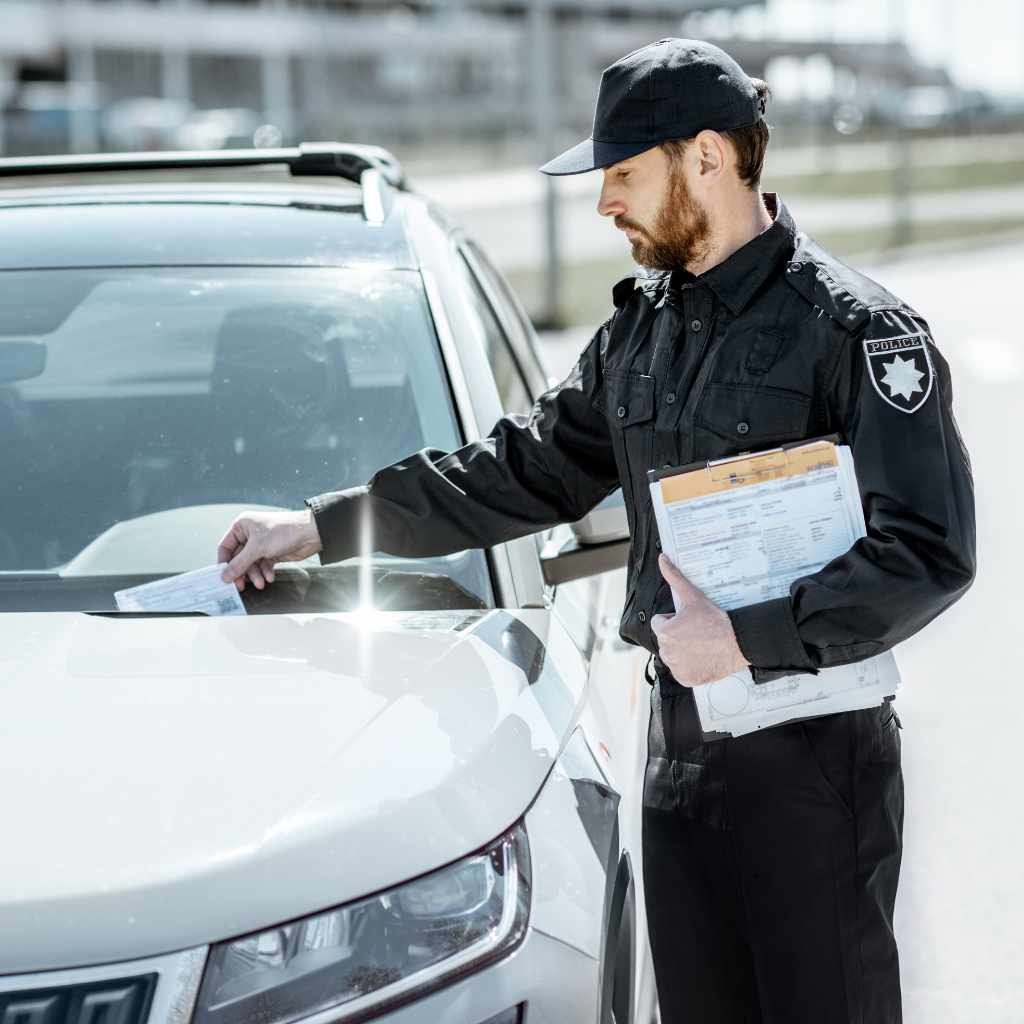
Yes, police can touch your car during a traffic stop. This is usually to check for illegal items or officer safety. They must have reasonable suspicion or your consent in most cases.
When Can Cops Legally Search My Vehicle?
Cops can search your car with your permission, a warrant, or probable cause. Probable cause means they believe your car has evidence of a crime. Without these, a search is generally not allowed.
Are Cops Allowed To Open Car Doors Without Consent?
Officers may open car doors without consent if they have probable cause or during an arrest. Otherwise, they need your permission or a warrant to do so.
What Should I Do If Police Touch My Car Without Permission?
If police touch your car without permission, stay calm and ask why. You can later consult a lawyer to understand your rights and possible legal actions.
Conclusion
Police officers can touch your car, but only in certain situations. They need a good reason, like safety or a search warrant. Knowing your rights helps you stay calm and respectful. Stay aware of the law and what officers can do.
This knowledge protects you and keeps interactions smooth. Always remember, clear communication matters most during any stop. Stay informed and stay safe.