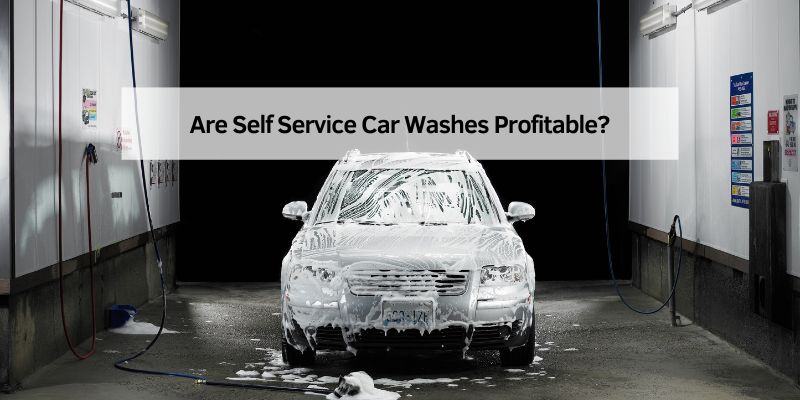
Are Self Service Car Washes Profitable?
Hey there! If you’re thinking about starting a self service car wash or just curious about whether it’s a good business move, you’re in the right place. I’ve spent time digging into this topic, talking to owners, and crunching numbers to figure out if these businesses really bring in the cash. The short answer? Yes, self service car washes can be profitable, but it depends on a few key factors. Let’s dive in and explore what makes this business tick, how much money you can make, and what challenges you might face. I’ll break it all down for you, step by step, like we’re chatting over coffee.
Why Self Service Car Washes Are Popular
Let’s start with why people love self service car washes. They’re quick, affordable, and give customers control. Unlike automatic car washes, where a machine does all the work, self-serve setups let people wash their cars themselves using high-pressure hoses, soap, and wax. This appeals to folks who enjoy cleaning their vehicles or want to save a few bucks. In the U.S., where car culture is huge, these car washes are a go-to for many drivers.
The demand is real. Studies show that about 60% of car owners wash their vehicles at least once a month. Self-serve options are especially popular in areas with harsh weather, like snowy winters or muddy rural roads, where cars get dirty fast. Plus, they attract a wide range of customers—think DIY enthusiasts, budget-conscious folks, and even people with specialty vehicles who don’t trust automated systems. This steady demand is a big reason why car wash profits can be promising.
How Much Does It Cost to Start a Self Service Car Wash?
Before we talk profits, let’s look at the costs. Starting a self service car wash isn’t cheap, but it’s often less expensive than opening a full-service or automatic wash. I’ve seen firsthand how the numbers add up, and it’s important to know what you’re getting into.
Here’s a quick breakdown of the main expenses:
| Expense | Estimated Cost |
|---|---|
| Land Purchase/Lease | $100,000–$500,000 |
| Construction & Equipment | $200,000–$600,000 |
| Water Recycling System | $20,000–$50,000 |
| Permits & Licenses | $5,000–$15,000 |
| Initial Marketing | $2,000–$10,000 |
| Miscellaneous (utilities, etc.) | $5,000–$20,000 |
- Land: Location is everything. A spot near a busy road or shopping center costs more but brings in more customers. Leasing can lower upfront costs, but you’ll have monthly payments.
- Equipment: You’ll need bays, high-pressure pumps, soap dispensers, and maybe a vacuum station. Quality equipment lasts longer but costs more upfront.
- Water Systems: Water recycling is a must to keep costs down and meet environmental regulations. It’s a big investment but saves money over time.
- Permits: Every city has rules. You’ll need permits for construction, water use, and business operations. These vary by location, so check local laws.
On average, you’re looking at $350,000 to $1 million to get started. It sounds steep, but don’t worry—we’ll see how the revenue stacks up.
Revenue Streams in a Self Service Car Wash
Now, let’s talk about the money coming in. A self service car wash makes cash in a few ways, and I’ve seen owners get creative to boost their income. Here’s how it works:
- Wash Bays: The main moneymaker. Customers pay per minute or per cycle, usually $2–$5 for a 5-minute wash. A busy location with 4–6 bays can see 20–50 customers per bay daily, depending on the area.
- Vending Products: Many car washes sell extras like tire cleaner, air fresheners, or microfiber towels through vending machines. These have high margins and add up fast.
- Vacuum Stations: Some folks just want a quick vacuum. Charging $1–$2 for a few minutes of vacuum time is a nice bonus.
- Add-On Services: Some owners offer things like detailing kits or monthly memberships for unlimited washes. These keep customers coming back.
Let’s do some quick math. If each bay averages 30 customers a day at $4 per wash, that’s $120 per bay daily. With 5 bays, you’re pulling in $600 a day, or about $18,000 a month, not counting extras like vacuums or vending. That’s a solid start, but we need to factor in costs to see the real car wash profits.
Operating Costs and Profit Margins
Running a self service car wash isn’t just about collecting quarters. You’ve got ongoing costs that eat into your revenue. I’ve talked to owners who say keeping these under control is key to making money. Here’s what you’re looking at:
- Utilities: Water, electricity, and soap add up. A good water recycling system can cut water costs by 70–80%, but you’ll still spend $1,000–$3,000 a month on utilities for a medium-sized wash.
- Maintenance: Pumps break, hoses leak, and nozzles wear out. Budget $500–$2,000 monthly for repairs and upkeep.
- Staffing: Self-serve washes need less staff than full-service ones, but you might want an attendant to help customers or clean the bays. Part-time help could run $1,000–$3,000 a month.
- Insurance and Taxes: Expect to pay $500–$1,500 monthly for insurance, plus property and business taxes, which vary by location.
Here’s the good news: self service car washes often have profit margins of 20–40%. That means for every $100 you earn, $20–$40 is profit after expenses. Compare that to automatic washes, which might hit 10–20% margins due to higher staffing and equipment costs. If your wash brings in $18,000 a month and your expenses are $12,000, you’re pocketing $6,000 in profit. Not bad, right?
Factors That Impact Profitability
Not every self service car wash is a goldmine. I’ve seen some thrive while others struggle, and it comes down to a few key factors. Let’s break them down:
- Location: A wash on a busy street with lots of traffic does better than one tucked away in a quiet area. I visited a wash near a highway that was always packed, while another in a small town barely broke even.
- Competition: If there’s an automatic wash or another self-serve nearby, you’ll need to stand out. Offering extras like free vacuums or loyalty discounts can help.
- Weather: Rainy days slow business, but snowy or muddy seasons can bring a rush. In places like the Midwest, winter grime means big business for car washes.
- Customer Experience: Clean bays, easy-to-use equipment, and clear pricing keep people coming back. I once used a wash with broken equipment, and I never went back. Don’t be that place.
Getting these right can make or break your car wash business. A great location with happy customers can push your profits way up.
Challenges of Running a Self Service Car Wash
I won’t sugarcoat it—there are hurdles. Owning a self service car wash comes with challenges that can test your patience. Here’s what I’ve learned from owners:
- Vandalism and Theft: Some customers damage equipment or try to cheat the system. Security cameras and sturdy equipment help, but it’s a cost to plan for.
- Maintenance Headaches: Equipment breaks down, especially in high-use locations. One owner told me a single pump repair set him back $5,000.
- Seasonal Slowdowns: In some areas, business drops during certain seasons, like rainy spring months. You’ll need to save up to cover lean times.
- Regulations: Water usage and runoff are heavily regulated in many states. You’ll need to stay on top of local laws to avoid fines.
Despite these, many owners say the rewards are worth it. It’s about staying proactive—fix issues fast, keep the place clean, and listen to your customers.
Tips to Boost Your Car Wash Profits
Want to make your self service car wash a cash cow? Here are some tricks I’ve picked up from successful owners:
- Invest in Quality Equipment: Cheap pumps break down faster, costing you more in repairs. Spend a bit more upfront for reliable gear.
- Offer Extras: Add vending machines, air fresheners, or even a dog wash station. These small add-ons bring in extra cash.
- Market Smart: Use social media to share deals or post before-and-after car photos. A local Facebook ad can draw in nearby drivers.
- Focus on Customer Service: A friendly attendant or clear instructions make a big difference. Happy customers tell their friends.
- Go Green: Water recycling systems not only save money but also attract eco-conscious customers. It’s a win-win.
I saw one wash offer a “loyalty card” where every 10th wash was free. Customers loved it, and it kept them coming back.

Is It Worth It?
So, are self service car washes profitable? From everything I’ve seen, the answer is yes—if you do it right. A well-run car wash in a good location can bring in steady income with solid profit margins. You’re looking at $50,000–$100,000 a year in profit for a medium-sized wash, and more if you scale up or add services. But it’s not a get-rich-quick deal. It takes planning, hard work, and a knack for keeping customers happy.
If you’re ready to roll up your sleeves, pick a great spot, and invest in quality, a self service car wash can be a fantastic business. It’s not just about cleaning cars—it’s about building a reliable income stream in a market that’s always in demand.
FAQs
Are self service car washes a good investment?
Yes, they can be a great investment if you choose a busy location and manage costs well. Profit margins of 20–40% are common, and the business can generate steady income with the right setup.
How much does it cost to run a self service car wash?
Monthly costs typically range from $5,000 to $12,000, including utilities, maintenance, staffing, and insurance. Water recycling systems can help keep expenses down.
What’s the biggest challenge in running a self service car wash?
Maintenance and vandalism are common issues. Equipment breakdowns can be costly, and some customers may damage bays or steal supplies, so security is key.
How can I make my car wash stand out?
Offer extras like vending products, loyalty programs, or eco-friendly options. Keep the place clean, ensure equipment works, and market locally to attract customers.
Do self service car washes do well in all seasons?
They can, but weather impacts business. Snowy or muddy seasons often bring more customers, while rainy periods might slow things down. Plan for seasonal ups and downs.
How long does it take to see a profit?
It depends on your location and costs, but most owners start seeing profits within 1–3 years after covering initial investments. A busy spot can speed this up.
Can I run a self service car wash without employees?
Yes, but having a part-time attendant can improve customer experience and reduce vandalism. Many owners start with minimal staff to keep costs low.