Are Spacers Bad For Your Car? Proven Essential Guide
Spacers are not inherently bad if installed correctly using high-quality materials that match your vehicle’s specifications. However, poorly manufactured or improperly sized spacers can strain your wheel bearings, affect alignment, and lead to serious safety issues. This guide breaks down the risks and benefits so you can make a safe choice.
Do you love the aggressive stance a set of wider wheels gives your car? Getting that perfect “flush” look often leads people to consider wheel spacers. It’s a popular modification, but the internet is full of scary stories. You might hear that spacers will instantly destroy your suspension or void your insurance. It can feel confusing! As your trusted auto guide, I want to clear up the noise. We will look closely at what spacers do, when they cause problems, and how to use them safely. By the end of this, you will know exactly if spacers are right for your ride, keeping your car reliable and safe on the road. Let’s dive into the facts about wheel spacers.
What Exactly Are Wheel Spacers?
If you are new to the world of car aesthetics and performance upgrades, the term “wheel spacer” might sound technical. Don’t worry; it’s quite simple!
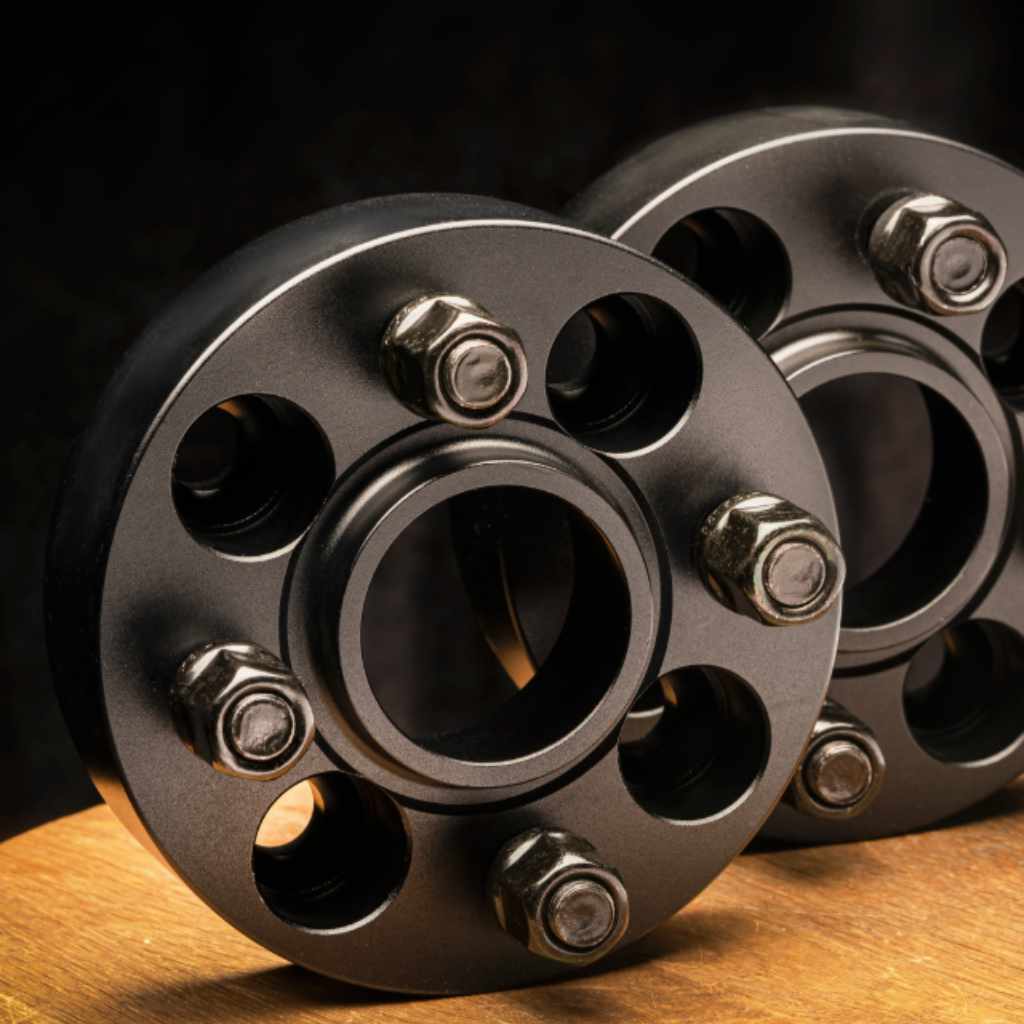
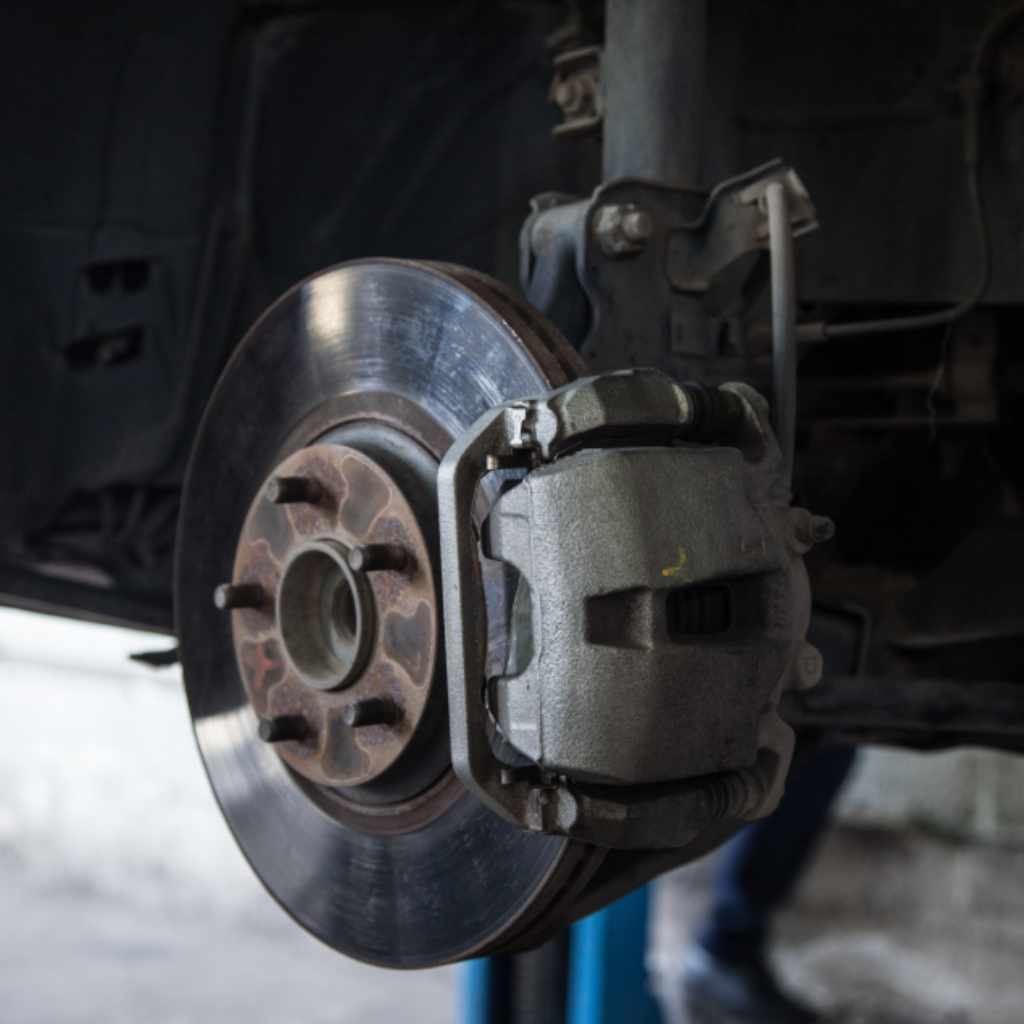
A wheel spacer is essentially a flat disc made of metal that sits between your hub (the central part of your axle where the wheel bolts on) and your wheel itself.
The main job of a spacer is to increase the distance between the wheel and the hub assembly. Think of it like adding a thick washer, but much stronger and more precisely made.
Why Do People Use Wheel Spacers?
People modify their cars for different reasons. Spacers usually fall into two main categories: aesthetics and functionality.
1. Aesthetics (The Look)
This is the most common reason. Many modern cars have wheels that sit slightly tucked inside the fender wells. When you lower a car or install wider tires, this tucked-in look can look odd. Spacers push the wheels out, creating a wider, more aggressive, and “flush” stance that many drivers prefer.
2. Functionality (The Fit)
Sometimes, you install new, high-performance brake calipers or larger rotors. These new parts might physically hit the inside of your current wheel spokes. A small spacer can provide the necessary clearance so that your wheel doesn’t touch the new brake hardware, allowing you to stay with the wheels you like.
It’s important to know that spacers are different from wheel adapters, which change the bolt pattern (e.g., allowing you to put a 5-lug wheel on a 4-lug hub). Spacers only push the wheel farther out; they don’t change the bolt pattern.
The Big Question: Are Spacers Bad For Your Car—When Do Problems Start?
This is the core issue that causes worry. The short answer is: No, high-quality spacers installed correctly are not automatically bad. But there are specific scenarios where they introduce risks to components like your wheel bearings, studs, and suspension geometry.
The Physics of Stress: How Spacers Affect Your Car
When a wheel is mounted directly to the hub, the load (the weight of your car) is distributed evenly across the wheel studs and the hub. Adding a spacer moves the wheel’s mounting surface outward.
This outward movement increases the offset and effectively increases the leverage the wheel assembly has on the hub assembly. It’s like making a lever longer—it requires more force to move the end.
When this leverage increases, the stress on critical parts multiplies:
- Wheel Bearings: These are a primary concern. Increased leverage puts more sideload (a sideways push) on the bearings, which are designed primarily for vertical load. Too much sideload can cause premature wear and eventual failure.
- Wheel Studs: The studs holding your wheel on have less thread engagement, especially with slip-on spacers. This can increase shear forces, which could, in extreme cases, cause a stud to fail under hard cornering or hitting a large pothole.
- Alignment & Scrub Radius: Spacers change the wheel’s scrub radius, which is the relationship between the center of the tire and the center of the steering pivot point. Messing with this can negatively impact steering feel, introduce bump steer, and cause uneven tire wear.
When Spacers Cause Real Damage (The Pitfalls to Avoid)
Problems almost always arise from poor material quality, incorrect sizing, or improper installation.
1. Using Low-Quality or Thin Spacers
You see cheap spacers online for very little money. These are often made from soft aluminum alloy that is prone to flexing or cracking under stress. High-quality spacers are typically precision-machined from tougher materials like T6 aluminum or hardened steel.
2. Incorrect Lug Nut Engagement (Slip-On Spacers)
There are two main types of spacers. Slip-on spacers slide over your existing studs. These reduce the amount of thread your lug nuts can securely grab onto your studs. If too much of the stud length is taken up by the spacer, you won’t have enough threads remaining to safely secure your wheel.
If you use slip-on spacers thicker than 5mm to 10mm, you absolutely must install longer wheel studs to compensate. This is a common beginner mistake.
3. Buying the Wrong Thickness
Getting the offset (the distance from the mounting surface to the centerline of the wheel) wrong is easy. Too much space pushes the wheel way out past the fender line, which is illegal in some areas and causes rubbing. Too little space may not solve the clearance issue or may still place too much strain on the bearings.
A great resource for understanding wheel offset and fitment can be found on reputable automotive engineering sites, as they detail the geometric forces at play such as on sites detailing suspension geometry standards maintained by engineering groups.
Choosing the Right Type of Spacer for Safety
To ensure you reap the aesthetic benefits without courting mechanical disaster, you must choose the correct spacer type for your needs. Understanding the difference is critical for vehicle longevity.
Type 1: Simple Slip-On Spacers (The Thinner Option)
These are the simplest and thinnest types, usually 5mm to 15mm thick. They slide directly over your wheel hub and use your existing studs.
Pros: Inexpensive, very easy to install, often used just to perfectly center or push the wheel out slightly.
Cons: Reduces thread engagement on the studs. If they are thicker than 10mm, they almost always require longer studs.
Type 2: Bolt-On Spacers (The Safer, Thicker Option)
These are thicker, more robust units (usually 15mm and up). A bolt-on spacer has its own set of studs built into the spacer hub. The spacer bolts directly to your original hub studs, and then your wheel bolts onto the new studs extending out from the spacer.
Pros: Does not reduce thread engagement on your original studs, provides a much stronger connection, and handles higher stresses better.
Cons: More expensive, thicker profile, and requires more precise machining.
Comparing Spacer Types
| Feature | Slip-On Spacer (Thin) | Bolt-On Spacer (Thick) |
|---|---|---|
| Typical Thickness | 5mm – 15mm | 15mm – 50mm+ |
| Installation Complexity | Very Easy (Two parts to check) | Moderate (Four parts to check per wheel) |
| Thread Engagement Risk | High (Requires stud check/replacement) | None (Uses own studs) |
| Load Bearing Security | Good, if studs are extended | Excellent |
Step-by-Step Guide: How to Safely Install Wheel Spacers
Safety first! If you install spacers incorrectly, you are rolling the dice every time you hit the gas or turn the wheel. Follow these steps precisely, especially if you are using the bolt-on type.
Tools and Materials Checklist
Before you start, gather what you need. Having the right tools makes the job smooth and ensures a proper tight fit.
- New, high-quality wheel spacers (correct size and bolt pattern).
- Torque wrench (essential for safety!).
- Properly sized lug nut socket.
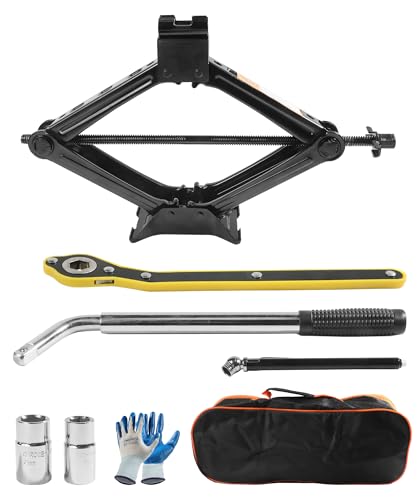
- Jack and jack stands (Never work under a car supported only by a jack).
- Wire brush (for cleaning hub surfaces).
- Wheel chocks (to stop the wheels from rolling).
- Penetrating oil (optional, for stuck lug nuts).
- New, longer studs (if using thin slip-on spacers).
Installation Procedure (Focusing on Bolt-On Spacers)
- Prepare the Vehicle: Park on a flat, level surface. Engage the parking brake and place wheel chocks behind the wheels that will remain on the ground.
- Loosen Lug Nuts: Using your torque wrench (or a breaker bar), slightly loosen the lug nuts on the wheel you are working on while the car is still firmly on the ground. Just break the initial torque.
- Jack and Secure: Jack up that corner of the car and place a sturdy jack stand underneath a secure frame point. You need the wheel completely off the ground. Remove the lug nuts and carefully pull the wheel off the hub.
- Clean the Hub: This step is crucial. Use a wire brush to remove all rust, dirt, and debris from the wheel hub mounting surface and the studs. Any debris trapped between the hub and the spacer will push the spacer out and prevent a flush fit, which could lead to failure later—treat this like scraping off old gasket material.
- Install the Spacer: Slide the spacer onto the hub. If it is a bolt-on type, align the holes. Thread in the provided mounting bolts (which hold the spacer to the hub) by hand first.
- Torque Spacer Bolts: Using your torque wrench, tighten these mounting bolts to the manufacturer’s specified torque setting. This is usually lower than the wheel specs, often around 70–90 ft-lbs, but always check the spacer instructions. Tighten in a star pattern.
- Mount the Wheel: Place your wheel back onto the spacer studs (or the original studs if using a slip-on type). Thread on the lug nuts and tighten them finger-tight.
- Torque the Wheel: Using your torque wrench and following a precise star pattern, tighten the lug nuts to your vehicle manufacturer’s specified torque rating (usually between 80 ft-lbs and 120 ft-lbs). Do not overtighten.
- Re-Check and Re-Torque: Carefully lower the car completely so the full weight is on the wheel but before you pull the jack out. Re-torque all lug nuts again to confirm they are seated correctly.
- Test Drive and Re-Check (The Crucial Final Step): Drive the car gently for about 50 to 100 miles. After this initial drive, jack the car back up and re-torque every single lug nut one last time to ensure nothing has settled or loosened.
When Are Spacers Definitely a Bad Idea?
While quality installation mitigates risks, there are times when spacers are structurally inappropriate for your vehicle or driving style.
1. Aggressive Track Driving or Towing
If you frequently engage in high-speed performance driving, such as on a racetrack, the extreme lateral (sideways) G-forces place massive loads on the wheel bearings and studs. For this application, a professionally engineered suspension adjustment (like changing wheel offset via new wheels) is far safer than adding spacers. Similarly, if you tow heavy loads, the added leverage can damage the hub assembly over time.
2. Cars with Existing Bearing Issues
If your car already has noisy, rough, or worn wheel bearings, adding spacers will accelerate their failure dramatically. Always service worn bearings before installing spacers.
3. Very Thin Spacers on Stretched Tires
If you have very thin spacers (e.g., 3mm) combined with extremely wide wheels and tires that are stretched onto the rim, you may find that the lug nuts do not have enough thread engagement even after installation. This is risky, as the nuts could back off under vibration. A simple thread depth check is vital here.
4. Legal Implications
In many jurisdictions, if the wheel extends significantly past the fender flare or the edge of the bodywork, it may be illegal. This is not a mechanical issue, but it can lead to tickets or fail an inspection. Check your local motor vehicle regulations before drastically altering the track width.
The Impact on Tire Wear and Suspension Geometry
Tire Wear
When you push the wheel out, you change the scrub radius. This is the distance between the center of the tire tread (where it contacts the road) and the point where the steering axis intersects the ground. Automakers spend a lot of engineering time designing this radius for optimal handling and stability.
When spacers are too wide, they throw off the scrub radius, which can lead to:
- Quicker inner or outer tire wear rates.
- Increased “bump steer,” where hitting a bump causes unwanted steering input.
- Vibration or wandering at highway speeds.
Suspension Alignment
While spacers themselves don’t directly change the camber or toe settings, drastically altering the track width puts new stresses on existing alignment angles. If you move the wheel out several inches, you often need a full four-wheel alignment afterward to ensure the car tracks straight and doesn’t drift unevenly.
Why Good Spacers Are Worth the Investment
If you decide spacers are for you, remember that cheap parts are false economy when it comes to safety components. High-quality spacers solve many of the inherent risks associated with these parts.
Characteristics of Quality Spacers:
- Material Strength: Made from aircraft-grade billet aluminum (like T6 6061) or hardened steel.
- Hub Centricity: The bore (the center hole) must match your vehicle’s hub precisely. This ensures the spacer centers perfectly on the hub, preventing vibration. If it’s not hub-centric, the wheel will vibrate at speed.
- Lug Concentricity: The holes for the studs must be perfectly drilled to match the existing studs.
- Mounting Hardware: Bolt-on spacers must come with grade 10.9 or better mounting bolts that have the correct depth and thread pitch.
A Note on Hub-Centric vs. Lug-Centric
For safety and smoothness, you should always choose hub-centric spacers. This means the center hole of the spacer fits snugly over the raised portion of your hub, and the center hole of the wheel fits snugly over the raised portion of the spacer. This prevents the wheel assembly from relying solely on the lug nuts to center the wheel, which eliminates wobble and vibration.

Conclusion: Making the Final Call
So, are spacers bad for your car? They are only bad when they are the wrong choice for your driving habits or if they are low-quality junk bolted onto your vehicle assembly. Used cautiously and correctly, they are a safe and effective way to achieve a desired aesthetic or solve a minor mechanical clearance problem.
If you prioritize safety, commit to using hub-centric, high-quality bolt-on spacers that are the correct thickness for your setup. Always ensure you use a torque wrench correctly both during installation and after the first 100 miles of driving. By treating spacers like the critical suspension components they are, you can confidently enjoy your unique stance without compromising the reliability of your cherished vehicle. Keep checking those torque specs, and happy driving!
Frequently Asked Questions (FAQ)
Q1: How tight should my wheel spacers be?
Spacers must be torqued down exactly to the manufacturer’s specifications using a calibrated torque wrench. Bolt-on spacers use two sets of torque specs: one for the bolts connecting the spacer to the hub, and one for the lug nuts connecting the wheel to the spacer. Never guess; always use the correct numbers provided by the spacer company.
Q2: Do spacers affect my car’s alignment?
Generally, minor adjustments (like 5mm to 15mm) that keep the wheel relatively close to the original position might not drastically throw off a good alignment. However, wider spacers push the wheels out, moving the scrub radius significantly. It is highly recommended to perform a four-wheel alignment after installing spacers wider than 15mm to ensure optimal handling and tire wear.
Q3: How often do I need to re-torque wheel spacers?
You must check the torque settings immediately after installation, usually after driving 50–100 miles, and then again after another 500 miles, or at your first oil change. After that, a visual check whenever you rotate your tires is wise, but the initial seating period is the most critical time for re-torquing.