Auto Stop Service Centre Warrington: What They Offer
Auto Stop Service Centre Warrington is the place to book for MOTs, servicing, diagnostics, brakes, tyres, exhaust work, and general repairs; book ahead for MOTs, diagnostics, and anything that needs a bay, while a drop-in suits quick checks if they can take the car. Warning lights, brake noise, and tyre damage can turn a small fault into a roadside breakdown or an MOT fail. This guide maps common faults to the right service and tells you when to book versus call in.
Core garage services and repairs

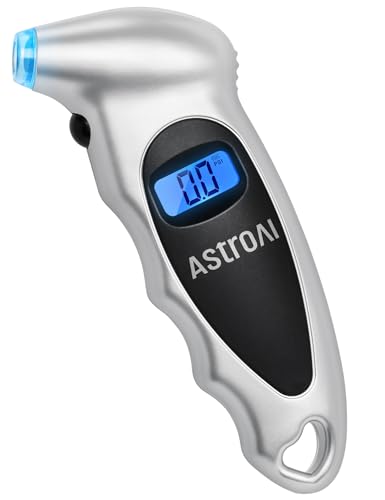
Auto Stop Service Centre Warrington appears to cover the jobs most drivers need from a local garage: routine servicing, general repairs, diagnostics, tyres, brakes, and exhaust work. That is the range to expect when you need one place to handle warning lights, worn parts, or an annual service slot.
Routine servicing usually means oil and filter changes, fluid checks, basic inspection points, and replacement of wear items if needed. General repairs can cover starter and battery faults, suspension noises, and other common mechanical issues, while diagnostics help separate a simple fault from a deeper electrical or engine problem.
Routine servicing and maintenance
Servicing is the right visit when the car still drives normally but is due for maintenance or shows early wear. A service can include oil, filters, safety checks, and a look over belts, brakes, tyres, lights, and fluid condition. That helps catch issues before they turn into repair jobs.
General repairs and inspection work
General repair work suits broken, worn, or noisy parts that a service alone will not fix. That can include brake components, exhaust faults, battery problems, tyre damage, and other common mechanical issues. If a fault comes and goes, a diagnostic visit is often the better first step.
Tyres, brakes, and exhausts
These are the jobs most drivers ask about first. Tyres need pressure, tread, and puncture checks; brakes need pad, disc, and fluid inspection; exhausts need leak and mounting checks, plus attention to emissions symptoms such as rattles, smells, or poor running.
Does it handle MOT testing?
Yes, if MOT testing is available at the centre, it is the annual roadworthiness check for vehicles over three years old and ends with a pass or fail result. An MOT checks legal safety and emissions items, but it does not replace servicing or show the car’s full mechanical condition. (Wikipedia)
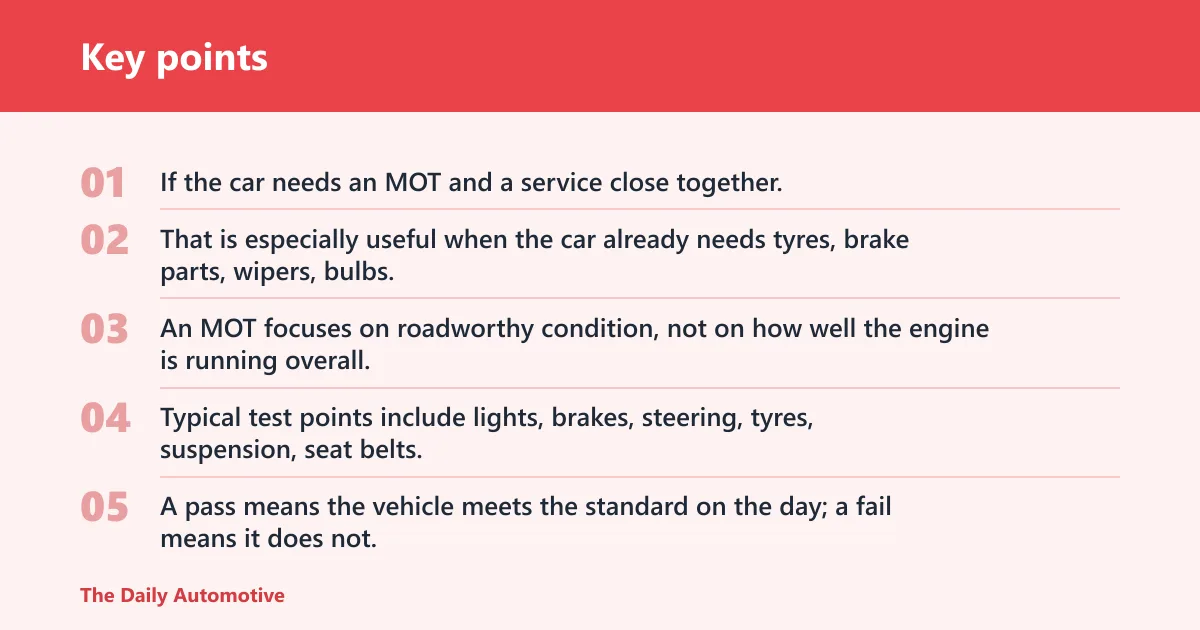
If the car needs an MOT and a service close together, booking both around the same visit can save time. That is especially useful when the car already needs tyres, brake parts, wipers, bulbs, or other items that may affect the test outcome.
What an MOT checks
An MOT focuses on roadworthy condition, not on how well the engine is running overall. Typical test points include lights, brakes, steering, tyres, suspension, seat belts, visibility, and exhaust emissions checks where applicable. A pass means the vehicle meets the standard on the day; a fail means it does not.
Pass and fail outcomes
A pass is not a clean bill of health for the next year. It only means the car met the legal standard at test time. A fail can come from dangerous items, such as poor brake performance or tyre damage, or from defects that must be fixed before the car can be used legally in some cases.
When to book servicing alongside an MOT
Book both together when the car is due for maintenance, has borderline tyres, or shows warning signs before the test. A combined visit makes sense if the garage can inspect the car once, then handle the service items and any test failures without a second trip.
Vehicle diagnostics and warning lights
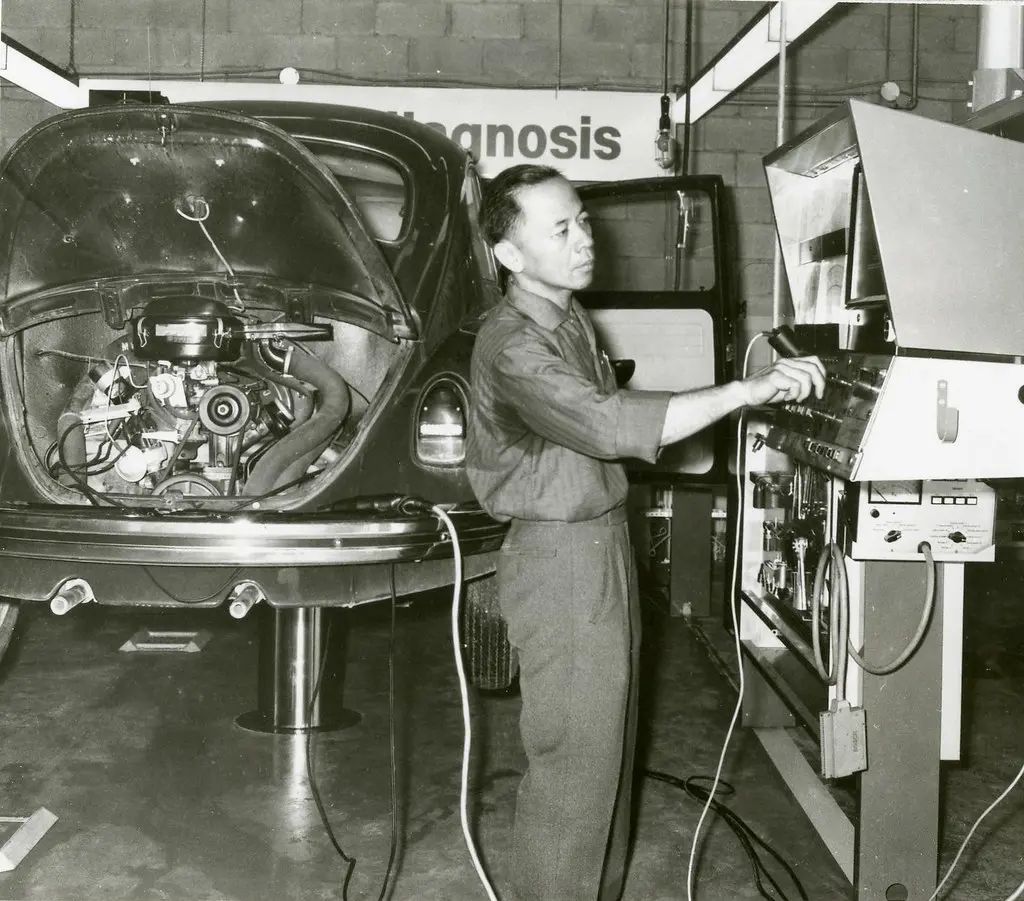
Diagnostics are the right move when a warning light comes on, the engine runs rough, or the car behaves differently without a clear cause. A proper diagnostic visit should include OBD fault code reading, symptom checks, and battery or charging system testing where the fault could be electrical.
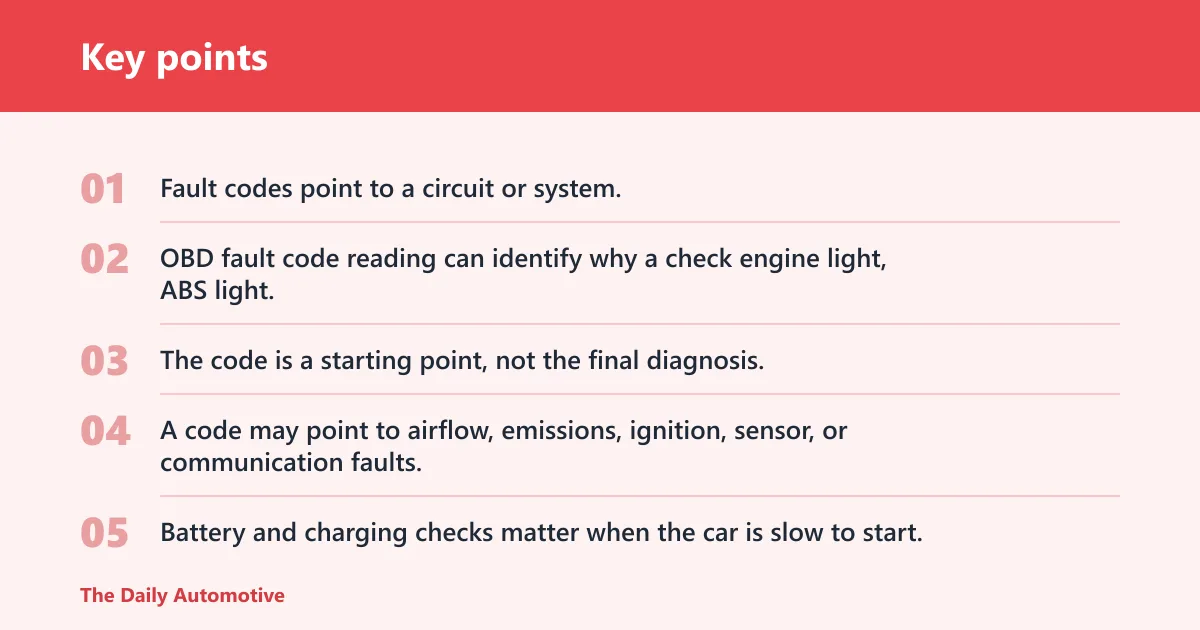
A code reader alone is not the whole answer. Fault codes point to a circuit or system, but a technician still needs to check live symptoms, wiring, sensors, and battery health before deciding whether the problem is minor or needs deeper work.
OBD fault code reading
OBD fault code reading can identify why a check engine light, ABS light, or other warning lamp has appeared. The code is a starting point, not the final diagnosis. A code may point to airflow, emissions, ignition, sensor, or communication faults, and those often need follow-up testing.
Battery and charging checks
Battery and charging checks matter when the car is slow to start, shows electrical glitches, or sets warning lights after a low-voltage event. A weak battery, failing alternator, or poor earth connection can trigger several unrelated symptoms, so these checks belong early in the process.
Engine problem symptoms that need diagnosis
Book diagnostics if you notice rough idle, loss of power, flashing warning lights, poor fuel economy, hard starting, smoke, or hesitation. Say your 1.6-litre hatchback flashes a yellow engine light on the M62 run and then idles unevenly at the lights; that needs diagnosis before more parts are fitted at random.
Brake repairs and safety checks
Brake work should be booked quickly if you hear scraping, feel vibration, or notice the pedal travel changing. A proper brake inspection checks pads, discs, fluid condition, wear patterns, and any signs of leaks or sticking components. Safety comes before convenience here.
Brakes are not a job to put off until the next service if the car already sounds wrong. A worn pad can damage the disc, and a fluid issue can change pedal feel or stopping distance.
Pads and discs
Pads and discs wear over time and should be inspected together. Thin pads, scored discs, pulsing under braking, or metal-on-metal noise all point to a booking soon. If one side wears faster than the other, the calliper, slider, or guide pins may also need inspection.
Brake fluid condition
Brake fluid absorbs moisture over time and should be checked as part of maintenance. Old or contaminated fluid can affect braking performance and can matter at MOT time if there are visible issues or related faults. If the fluid looks dark or the pedal feels inconsistent, ask for a full inspection.
Signs you should book soon
Book soon if the steering wheel shakes when braking, the car pulls to one side, the handbrake travel is too high, or a brake warning lamp appears. These symptoms can point to wear, contamination, or hydraulic trouble that needs proper inspection rather than guesswork.
Tyres, wheels, and puncture repairs
Tyre and wheel service usually covers pressure checks, tread depth checks, puncture repair, and wheel balancing. That matters for road safety, fuel use, and tyre life. If the car vibrates at speed or keeps losing pressure, the problem is often easier to solve early.
Tread depth and pressure checks
Tread depth and pressure are the first two things to check when the steering feels odd or the MOT is close. Uneven wear can suggest misalignment, underinflation, or suspension wear. Underinflated tyres can also make fuel use worse and heat the tyre more than it should.
Puncture repair versus replacement
Not every puncture can be repaired. A puncture in the repairable zone of the tread may be fixed, but damage to the sidewall, a large tear, or repeated loss of air can mean replacement. The tyre’s age, wear, and previous repairs also matter.
Wheel balancing
Wheel balancing helps reduce vibration through the steering wheel or seat at certain speeds. If the car shimmies around 50 to 70 mph, balancing is a sensible check. It may also follow tyre replacement or puncture work, especially if the wheel has been disturbed.
Exhaust and emissions problems
Exhaust work covers leaks, rattles, broken mounts, and emissions symptoms. If the car smells strongly of exhaust fumes, sounds louder than usual, or fails an emissions check, the fault may be in the exhaust, catalyst area, sensors, or nearby engine systems.
Exhaust faults can be simple or more involved. A loose backbox hanger is a very different job from a blocked catalyst or a sensor issue that needs proper diagnosis.
Leaks and rattles
Leaks often show up as a blowing noise, smell, soot marks, or a change in tone under acceleration. Rattles may come from a loose heat shield, mount, or internal exhaust part. Those are worth checking quickly because they can get louder and can affect test results.
Backbox and catalyst issues
Backbox damage can cause noise and leaks. Catalyst issues are more serious because they can affect emissions performance and trigger warning lights. If the car has poor acceleration, a sulphur smell, or repeated emissions faults, the problem may sit beyond the visible exhaust sections.
Symptoms that point to emissions faults
Look for a check engine light, rough running, black smoke, high fuel use, or failed emissions readings. A common first-timer mistake is assuming the silencer is the only exhaust part that matters; sensors, leaks, and engine faults can produce the same symptom set.
Service-match table
This table helps you match the fault to the right visit type. Use it before you book so you can ask the right questions and avoid sending a clearly unsafe or diagnostic job down the wrong route.
| Symptom or need | Likely service offered | Same-day or booked | Typical visit time | What to ask before arrival |
|---|---|---|---|---|
| Annual test due | MOT test | Booked | About 45 to 60 minutes | Ask whether MOT slots are available and whether retest rules apply |
| Check engine light or rough running | Vehicle diagnostics | Booked | About 30 to 90 minutes | Ask if OBD code reading and battery checks are included |
| Squealing, grinding, or pedal change | Brake inspection and repairs | Booked or same-day if free | About 45 to 120 minutes | Ask whether pads, discs, and fluid will all be checked |
| Slow puncture or worn tread | Tyre and wheel service | Often same-day | About 20 to 60 minutes | Ask if puncture repair, new tyres, and balancing are available |
| Rattling exhaust or fumes | Exhaust and emissions inspection | Booked or same-day if light | About 30 to 90 minutes | Ask whether leak checks and emissions-related diagnosis are included |
| Service due by mileage or date | Routine servicing | Booked | Half day to a full day | Ask what level of service is planned and what parts are replaced |
Do I need to book an appointment or can I just drop in?
Book for MOTs, diagnostics, servicing, and anything that needs a bay or a road test. A drop-in can work for quick checks if the garage has space, but you should not assume same-day availability for every fault. Turnaround depends on workload and parts.
Ask about collection and drop-off options if your car cannot stay for long or if you need to plan around work. Suppose the battery keeps draining overnight and the car starts only with a jump pack; that needs a booked diagnostic slot rather than a casual visit.
Booking and turnaround
Turnaround depends on the job. A tyre puncture or bulb check can be quick, while a service, brake overhaul, or diagnostic chase can take longer. If parts are needed, the repair may stretch past the first visit.
Collection and drop-off options
If offered, collection and drop-off help when the car is not safe to drive or you cannot wait locally. Confirm the collection window, mileage limits if any, and whether the car needs to be ready with keys, locking wheel nut code, or service history.
How much does a typical car service cost in Warrington?
Typical service cost depends on service level, engine size, oil grade, filters, and any extra parts that turn up during inspection. As a broad guide, many local garages price a minor service lower than a full service, while larger engines and premium oils push the bill up.
Final cost changes if the garage finds worn brakes, a leaking coolant hose, a dead battery, or tyre damage during the same visit. Ask for a service menu before booking, then confirm what is included: oil, filters, inspection points, fluid top-ups, and any repair authorisation process.
Do they work on all makes and models?
Do not assume all makes and models until the garage confirms it. Many local service centres handle a wide range of cars, but the safer move is to ask whether your vehicle’s age, fuel type, and engine layout fit their workshop setup before you book.
If you drive a hybrid, a van, or a car with a known specialist system, that question matters even more. Ask whether the workshop can source parts, reset service reminders, and carry out the specific repair without dealer-only tools.
Can they help with air conditioning, batteries, and clutch repairs?
They may be able to help, but you should confirm each item before booking. Air conditioning usually needs regas, leak testing, and a performance check if offered. Battery faults often need testing of the battery and charging system together. Clutch repairs are more involved and may need parts in advance.
A/C work makes sense when cooling has dropped off, the compressor cycles oddly, or the system has lost gas. Battery work fits no-start or low-voltage symptoms. Clutch repairs fit slipping, biting-point change, or gear-selection problems, and those jobs can take longer than a standard service visit.
Frequently asked questions
What services does Auto Stop Service Centre in Warrington offer?
Based on the service menu covered here, the centre handles MOTs, servicing, diagnostics, brakes, tyres, exhaust work, and general repairs. That gives you a single place for routine maintenance and for common faults that need inspection before they turn into larger repairs.
Do they do MOT testing and servicing?
If MOT testing is available, it can be booked alongside servicing. That pairing makes sense when the car is due for maintenance or likely to need minor corrections before the test. Servicing and MOTs are related, but they do different jobs.
Can they handle brakes, tyres, and exhaust repairs?
Yes, those are core workshop jobs to ask about. Brake checks should cover pads, discs, and fluid; tyre work should include pressure, tread, puncture repair, and balancing; exhaust work should cover leaks, rattles, and emissions symptoms.
Do they offer diagnostics for warning lights and engine problems?
That is one of the most useful reasons to book in. Good diagnostics should include OBD fault code reading, symptom checks, and battery or charging checks where relevant. A warning light without diagnosis can lead to wasted parts and repeat visits.
Products related to this article
Sponsored / affiliate links. As an Amazon Associate I earn from qualifying purchases. I may earn additional commission from eligible campaigns.