Best Adhesive for Plastic Car Protector to Metal
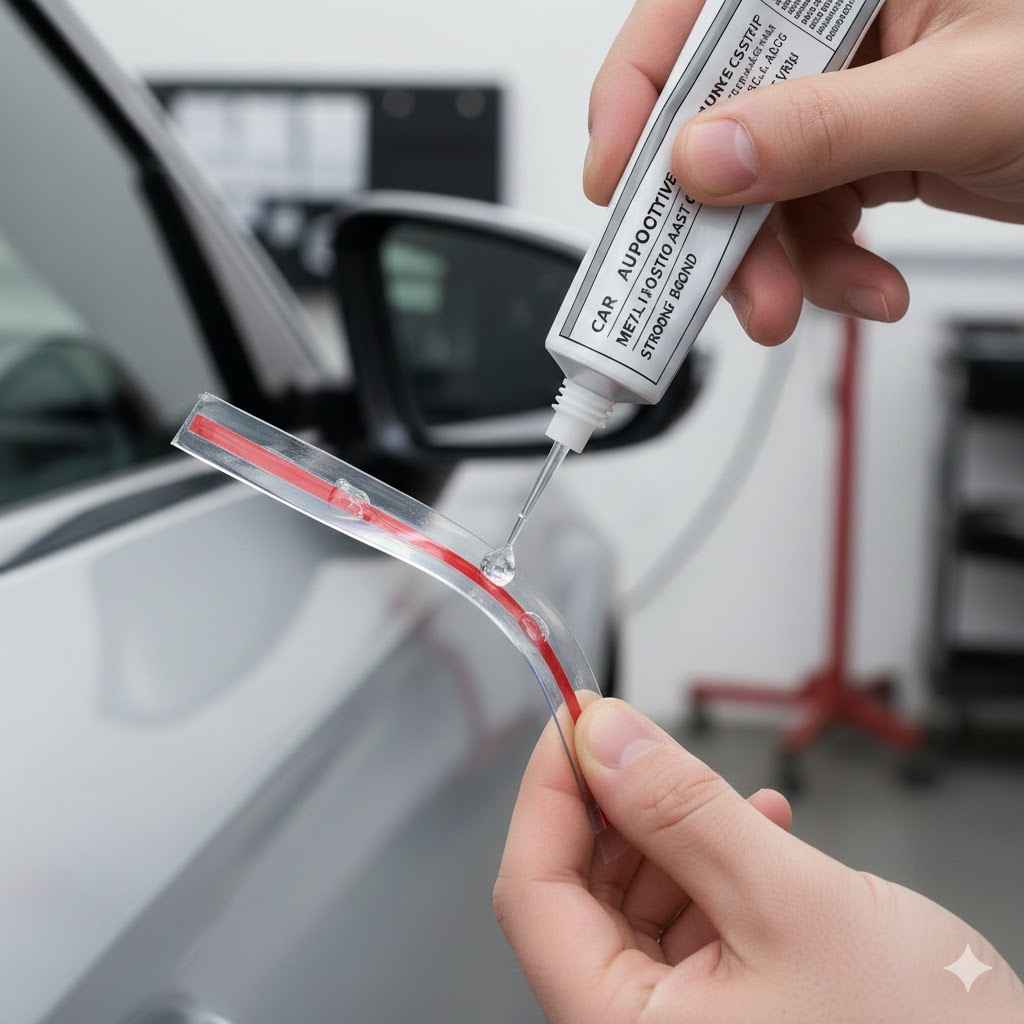
Picking the right glue for sticking plastic car protectors to metal door panels can seem tricky at first. You want something strong that won’t damage your car or let the protector fall off. Many people wonder about the Best Adhesive to Stick Plastic Car Protector to Metal Door Panels because there are so many options.
Don’t worry, we’ll walk you through it step by step. We’ll show you what to look for to get a secure hold that lasts. Get ready to learn how to do this the easy way.
Choosing the Best Adhesive to Stick Plastic Car Protector to Metal Door Panels
Finding the perfect glue is key to a lasting attachment for your car’s plastic protectors. This is especially true when you’re dealing with two different materials like plastic and metal. The goal is to create a bond that can handle temperature changes, vibrations from driving, and even car washes.
We’ll explore the types of adhesives that work well and why some are better than others for this specific job. Our aim is to make sure your protector stays put securely, looking great and doing its job without any fuss.
Types of Adhesives for Plastic to Metal Bonding
When you need to stick plastic to metal, you have a few main glue types to consider. Each works a bit differently and is suited for various situations. It’s important to know their strengths so you can pick the best one for your car’s door panels.
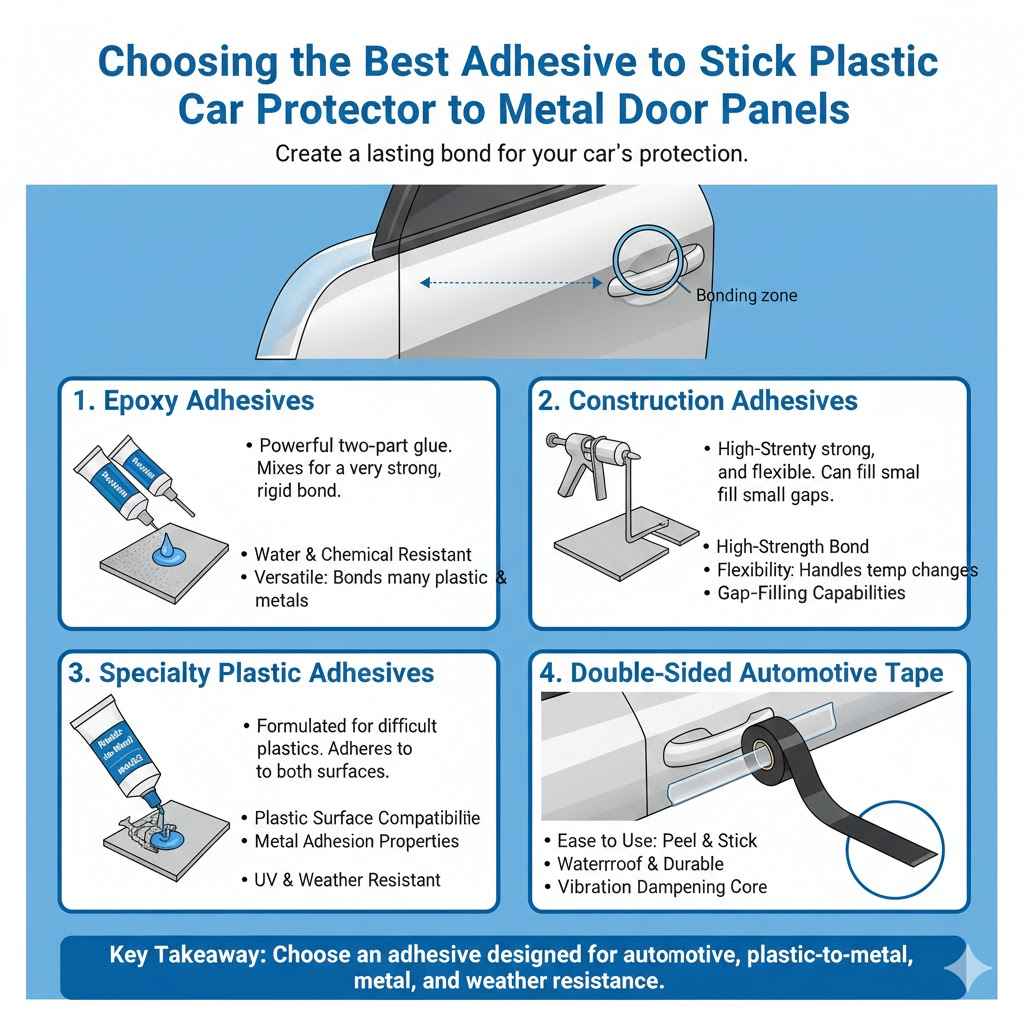
Epoxy Adhesives
Epoxy is a powerful two-part glue. You mix a resin and a hardener, and they create a very strong bond. This glue is great for surfaces like metal and many types of plastic.
It’s known for being very durable and resistant to water and chemicals. When fully cured, it forms a rigid, strong connection that’s hard to break.
- Strength and Durability: Epoxies offer a superior bond that can withstand significant stress. This makes them ideal for automotive applications where vibrations and movement are common.
- Versatility: Many epoxies can bond a wide range of materials, including different plastics and metals, making them a versatile choice. Always check the product to ensure it’s suitable for the specific plastics you’re using.
- Water and Chemical Resistance: Once cured, epoxies are highly resistant to moisture, salt, and many automotive fluids. This is crucial for exterior car parts exposed to the elements.
Construction Adhesives
These are often used for heavy-duty bonding in building. They are typically very strong and can fill small gaps. Many are flexible, which helps them handle movement and temperature changes well.
Some construction adhesives work on both plastic and metal, making them a good choice for car parts.
- High Strength Bond: Construction adhesives are designed for demanding jobs. They can create a very strong hold that is unlikely to fail over time.
- Flexibility: Many of these glues remain somewhat flexible after drying. This is a big plus for car parts because it allows for expansion and contraction due to heat and cold without cracking the bond.
- Gap Filling Capabilities: If the surfaces aren’t perfectly smooth, construction adhesives can often fill small gaps. This ensures a more complete contact and a stronger overall connection.
Specialty Plastic Adhesives
Some glues are made specifically to bond different types of plastics. For bonding plastic to metal, you might find adhesives that are formulated to adhere well to both surfaces. These often contain special agents that help them stick to tricky plastics and metals alike.
- Plastic Surface Compatibility: These adhesives are engineered to grip various plastic types effectively. This reduces the risk of the plastic being damaged or the glue not sticking at all.
- Metal Adhesion Properties: While designed for plastic, many also include components that allow them to form a good bond with metal surfaces. This dual capability is what makes them relevant for your project.
- UV and Weather Resistance: For automotive use, adhesives that can withstand sunlight and changing weather conditions are important. Specialty plastic adhesives often offer this protection.
Double-Sided Automotive Tape
This is not a liquid glue, but a very strong tape. It has adhesive on both sides. It’s often used in the automotive industry for trim and emblems.
It’s easy to use and can provide a strong, waterproof bond. Make sure to choose tape specifically designed for automotive exterior use.
- Ease of Use: Applying tape is straightforward. You peel off the backing and press the protector into place. This makes it a beginner-friendly option.
- Waterproof and Durable: High-quality automotive tape is designed to be waterproof and withstand exterior conditions. This means it will hold up in rain and car washes.
- Vibration Dampening: The foam core in many automotive tapes can help absorb vibrations. This is beneficial for car parts that might flex or move slightly.
Understanding Different Plastic Types
Not all plastics are the same. Some are easy to glue, while others are very difficult. Knowing the type of plastic your car protector is made from is super important for picking the best adhesive.
If you get it wrong, the glue might not stick at all, or it could even damage the plastic.
Polypropylene (PP) and Polyethylene (PE)
These are very common plastics. They are often used for car parts because they are tough and flexible. However, they can be hard to glue.
They have a waxy surface that resists most glues. For these plastics, you often need a special primer or a specific adhesive designed for them. Without the right treatment, glues will just peel off easily.
- Surface Energy Challenge: PP and PE have low surface energy. This means liquids tend to bead up on them instead of spreading out and sticking. Think of water on a waxed car.
- Specialized Adhesives Needed: Glues that work on other plastics might fail here. You often need an adhesive that chemically bonds or requires a special surface treatment, like flame or plasma etching, or a chemical primer.
- Flexibility Requirement: These plastics are often flexible. The adhesive used needs to maintain some flexibility too, otherwise, the bond will break when the plastic bends.
Acrylonitrile Butadiene Styrene (ABS)
ABS is another common plastic, often used for car trim and interior parts. It’s easier to bond than PP or PE. Many general-purpose plastic adhesives and even some super glues work well on ABS.
It’s a more forgiving plastic when it comes to adhesion.
- Good Adhesion Surface: ABS has a higher surface energy than PP or PE. This makes it much more receptive to a wider range of adhesives, including solvent-based glues and epoxies.
- Ease of Bonding: You can often achieve a strong bond with less specialized products. This makes DIY projects using ABS plastic simpler and more accessible.
- Durability of Bond: When bonded correctly, ABS creates a strong and durable connection. This makes it suitable for parts that experience moderate stress or wear.
Polycarbonate (PC) and Acrylic (PMMA)
These are clear, strong plastics often used for lights or window covers. They can be bonded, but you need to be careful not to cloud or scratch them. Some strong adhesives work, but solvent-based glues can sometimes make them cloudy.
Epoxies are often a safe bet if they are rated for plastics.
- Clarity Concerns: These clear plastics can be sensitive to certain solvents. Some glues may cause hazing or clouding, which would ruin the appearance of the part.
- Strength and Rigidity: PC and PMMA are rigid and strong. Adhesives need to match this strength to prevent failure under load.
- Surface Preparation Importance: Cleaning these plastics thoroughly is vital. Any grease or dust can prevent a proper bond, leading to detachment.
Metal Surface Preparation
Just like plastic, the metal on your car’s door panel needs to be ready for the adhesive. If the metal is dirty, rusty, or greasy, the glue won’t stick well. Proper cleaning is essential for a strong, long-lasting bond.
Cleaning the Metal Surface
The very first step is to clean the metal. You want to remove any dirt, grease, wax, or old adhesive. A good degreaser or rubbing alcohol works well.
Wipe it down until the surface is completely clean.
- Removing Contaminants: Grease, oil, wax, and dirt prevent adhesives from making direct contact with the metal. This weakens the bond significantly.
- Using Appropriate Cleaners: Isopropyl alcohol (rubbing alcohol) is a common and effective choice. It evaporates quickly and leaves no residue. For tougher grease, a dedicated automotive degreaser might be needed.
- Ensuring a Dry Surface: After cleaning, make sure the metal is completely dry. Any moisture trapped between the adhesive and the metal can weaken the bond or cause corrosion later.
Abrading the Surface
Sometimes, lightly scratching the metal surface can help the glue stick better. This creates tiny little grooves for the adhesive to grab onto. Use fine-grit sandpaper, like 220-grit.
Just a few gentle passes are enough.
- Creating a Mechanical Bond: Abrading creates microscopic pits and scratches. Adhesives can flow into these tiny spaces, creating a stronger physical grip, known as a mechanical bond.
- Increasing Surface Area: Sanding also increases the surface area of the metal. More surface area means more contact points for the adhesive, leading to a stronger overall bond.
- Removing Surface Coatings: Light sanding can remove any dullness or faint protective coatings on the metal. This exposes a fresh metal surface that is more receptive to adhesives.
Priming Metal Surfaces
For certain types of adhesives or difficult metal surfaces, a primer can be a lifesaver. A metal primer acts like a bridge between the adhesive and the metal. It helps the glue stick much better and provides extra protection.
- Promoting Adhesion: Primers contain compounds that chemically bond to the metal. This creates a receptive surface for the adhesive, which might otherwise struggle to stick.
- Corrosion Protection: Many metal primers also offer a layer of protection against rust and corrosion. This is particularly important for exterior car parts.
- Compatibility with Adhesive: It’s essential to choose a primer that is compatible with both the metal and the adhesive you plan to use. Always check product recommendations.
Best Adhesive Options for Your Project
Now let’s look at some of the top choices for sticking your plastic car protector to your car’s metal door panels. We’ll consider different needs, from quick fixes to super-strong, long-term bonds.
Top Recommended Adhesives
Here are a few adhesives that consistently perform well for this specific task. They offer a good balance of strength, durability, and ease of use.
Loctite Plastics Bonding System
This is a popular choice because it’s designed to work on many types of plastics. It often comes with a special activator that prepares the plastic surface, helping the super glue to bond strongly. It’s quick-drying and creates a strong bond suitable for many automotive exterior parts.
- Dual-Action Formula: The system typically includes an activator and a cyanoacrylate (super glue) adhesive. The activator primes the plastic, allowing the super glue to form a much stronger bond than it would on its own.
- Fast Curing Time: This product dries and cures very quickly, often in seconds or minutes. This speeds up the installation process considerably.
- Good for Difficult Plastics: It’s formulated to handle plastics that are normally hard to glue, like polyethylene and polypropylene, which are common in car protectors.
3M Automotive Acrylic Plus Trim Adhesive
3M is a well-respected brand in automotive products. This adhesive is specifically made for attaching trim pieces and emblems to cars. It’s known for being very strong, weather-resistant, and flexible.
It’s designed to handle the vibrations and temperature changes that cars experience.
- Automotive Grade Strength: Engineered for the demanding automotive environment, this adhesive provides a robust and reliable bond for exterior trim.
- Weather and UV Resistance: It is formulated to withstand harsh weather conditions, including rain, sun exposure (UV rays), and temperature fluctuations, ensuring long-term durability.
- Flexibility for Movement: The adhesive remains flexible after curing, which is essential for car parts that can expand, contract, or vibrate. This prevents the bond from cracking or failing.
Gorilla Glue Original
While Gorilla Glue Original is known for its strength on many materials, it can work for this job if the surfaces are prepared correctly. It expands slightly as it cures, which helps it fill small gaps. It’s important to use it on clean, dry surfaces and clamp the parts while it dries.
- Incredibly Strong Bond: Gorilla Glue is famous for its powerful adhesion across a wide variety of materials, including wood, stone, metal, and some plastics.
- Gap Filling Properties: The glue expands as it dries, allowing it to fill small gaps and uneven surfaces. This can be helpful if your protector or door panel isn’t perfectly flush.
- Waterproof and Durable: Once cured, it forms a waterproof and durable bond that can withstand challenging conditions. However, it may require longer clamping time compared to other options.
Permatex Plastic Welder
This is a two-part epoxy designed to weld plastics together. It’s great for creating a strong, permanent bond. It works on many plastic types and also adheres well to metal.
It dries clear or can be painted over.
- Plastic Welding Action: This two-part adhesive acts like a plastic welder, creating a strong molecular bond. It’s designed to fuse plastic pieces together effectively.
- Fast Setting Time: It typically sets quickly, often within minutes, and fully cures within a few hours, allowing for a relatively fast project completion.
- Versatile Application: Suitable for a wide range of plastics and also adheres to metal, making it a versatile choice for automotive repairs and attachments.
Application Steps for a Strong Bond
Following the right steps is just as important as choosing the right glue. Here’s how to get the best results.
- Clean Both Surfaces Thoroughly: Start by cleaning the area on your car door panel and the back of the plastic protector. Use a good degreaser or isopropyl alcohol. Make sure there’s no dirt, wax, or grime.
- Lightly Sand Metal if Needed: If the metal feels very smooth, lightly sand it with fine-grit sandpaper (around 220-grit). This creates a better surface for the adhesive to stick to.
- Clean Again After Sanding: Wipe away any dust from sanding with a clean cloth and alcohol. You want a perfectly clean surface for the glue.
- Prepare Plastic If Necessary: For some plastics or adhesives, you might need to use a plastic primer or activator. Follow the instructions on your specific adhesive product.
- Apply Adhesive According to Instructions: Whether it’s epoxy, tape, or liquid glue, apply it carefully to one of the surfaces. Don’t use too much, as it can squeeze out and look messy.
- Press the Protector Firmly into Place: Position the plastic protector exactly where you want it. Press down firmly and hold it for the time recommended by the adhesive manufacturer.
- Clamp or Tape for Curing Time: If possible, use painter’s tape or clamps to hold the protector in place while the adhesive cures. This is crucial for a strong bond. Check the product for the full curing time, which can be several hours or even a day.
Factors to Consider When Choosing
Beyond just the type of glue, think about these things to make sure you get the best fit for your needs.
- Environmental Exposure: Will the protector be exposed to rain, sun, or salt? Choose an adhesive that is rated for outdoor use and is resistant to UV rays and moisture. This ensures it won’t break down over time.
- Temperature Fluctuations: Cars experience significant temperature changes. The adhesive needs to be able to expand and contract with the materials without losing its grip. Look for flexible adhesives for this reason.
- Vibration and Stress: Driving creates vibrations. The adhesive must be strong enough to withstand this constant movement without weakening. Many automotive-specific adhesives are designed for this.
- Ease of Application: If you’re new to car repairs, consider how easy the adhesive is to use. Double-sided tape is often the simplest. Two-part epoxies or glues that require activators might need a bit more care.
- Appearance and Finish: Some adhesives dry clear, while others may be colored or need to be painted over. If the adhesive might be visible, choose one that matches the desired look or can be hidden.
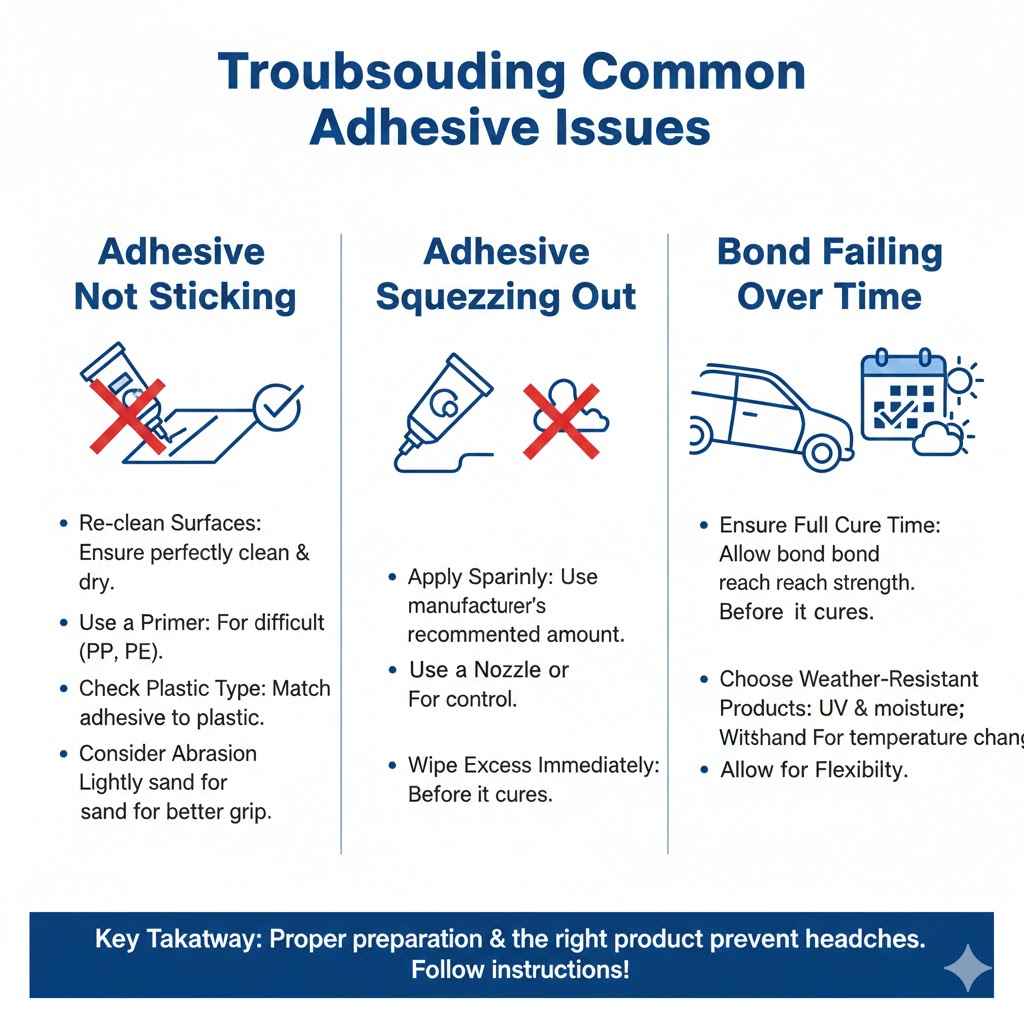
Troubleshooting Common Issues
Even with the best intentions, sometimes things don’t go perfectly. Here are a few common problems and how to fix them.
Adhesive Not Sticking
If your protector isn’t sticking, it usually comes down to surface preparation or using the wrong type of glue.
- Re-clean Surfaces: Always start by ensuring both surfaces are perfectly clean and dry. Any residue can prevent a good bond.
- Use a Primer: For difficult plastics, a plastic primer can make a huge difference. Follow the primer instructions, then apply your adhesive.
- Check Plastic Type: Make sure the adhesive is rated for the type of plastic your protector is made from. Low-surface-energy plastics like PP and PE need special attention.
- Consider Abrasion: Lightly sanding both surfaces can create microscopic texture for the adhesive to grip onto.
Adhesive Squeezing Out
Too much glue can create a messy look.
- Apply Sparingly: Use only the amount of adhesive recommended by the manufacturer. It’s better to add a little more if needed than to use too much at once.
- Use a Nozzle or Applicator: If your adhesive comes with a fine nozzle, use it. This helps you control the amount and placement of the glue.
- Wipe Excess Immediately: If some adhesive squeezes out, carefully wipe it away with a cloth dampened with the appropriate solvent (like rubbing alcohol or acetone, depending on the adhesive) before it cures. Be careful not to spread it.
Bond Failing Over Time
If a bond fails after a while, it’s usually due to environmental factors or improper curing.
- Ensure Full Cure Time: Adhesives need time to reach their full strength. Don’t put the car through a wash or stress the bond before the recommended cure time has passed.
- Choose Weather-Resistant Products: Make sure the adhesive you chose is designed to withstand outdoor conditions, including UV rays and moisture.
- Allow for Flexibility: If the bond is failing due to temperature changes, the adhesive might not be flexible enough. Consider a more flexible option next time.
Frequently Asked Questions
Question: What is the easiest adhesive to use for this job
Answer: Double-sided automotive tape is usually the easiest because it requires no mixing or complex application steps. Just clean the surfaces, peel, and stick.
Question: Can I use super glue on plastic car protectors
Answer: Regular super glue might work on some plastics, but it’s often not strong or flexible enough for automotive use. A specialized plastic bonding system with an activator is much better.
Question: How long does it take for adhesive to fully cure
Answer: This varies greatly. Some super glues cure in minutes, while two-part epoxies can take 24 hours or more to reach their maximum strength. Always check the product instructions.
Question: Will the adhesive damage my car’s paint
Answer: Most automotive-grade adhesives are designed not to harm car paint when applied and removed properly. However, always test in an inconspicuous area first, and be careful during removal to avoid paint damage.
Question: Can I paint over the adhesive after it dries
Answer: Some adhesives, like certain plastic welders or epoxies, can be painted over once fully cured. Check the product specifications to confirm paint compatibility.
Summary
Selecting the Best Adhesive to Stick Plastic Car Protector to Metal Door Panels involves understanding your materials and following key preparation steps. Clean surfaces, consider plastic type, and choose an adhesive rated for automotive exterior use. Using automotive-grade tape or a strong plastic bonder ensures a durable, weather-resistant hold.
Follow application guidelines carefully for a secure attachment that lasts.