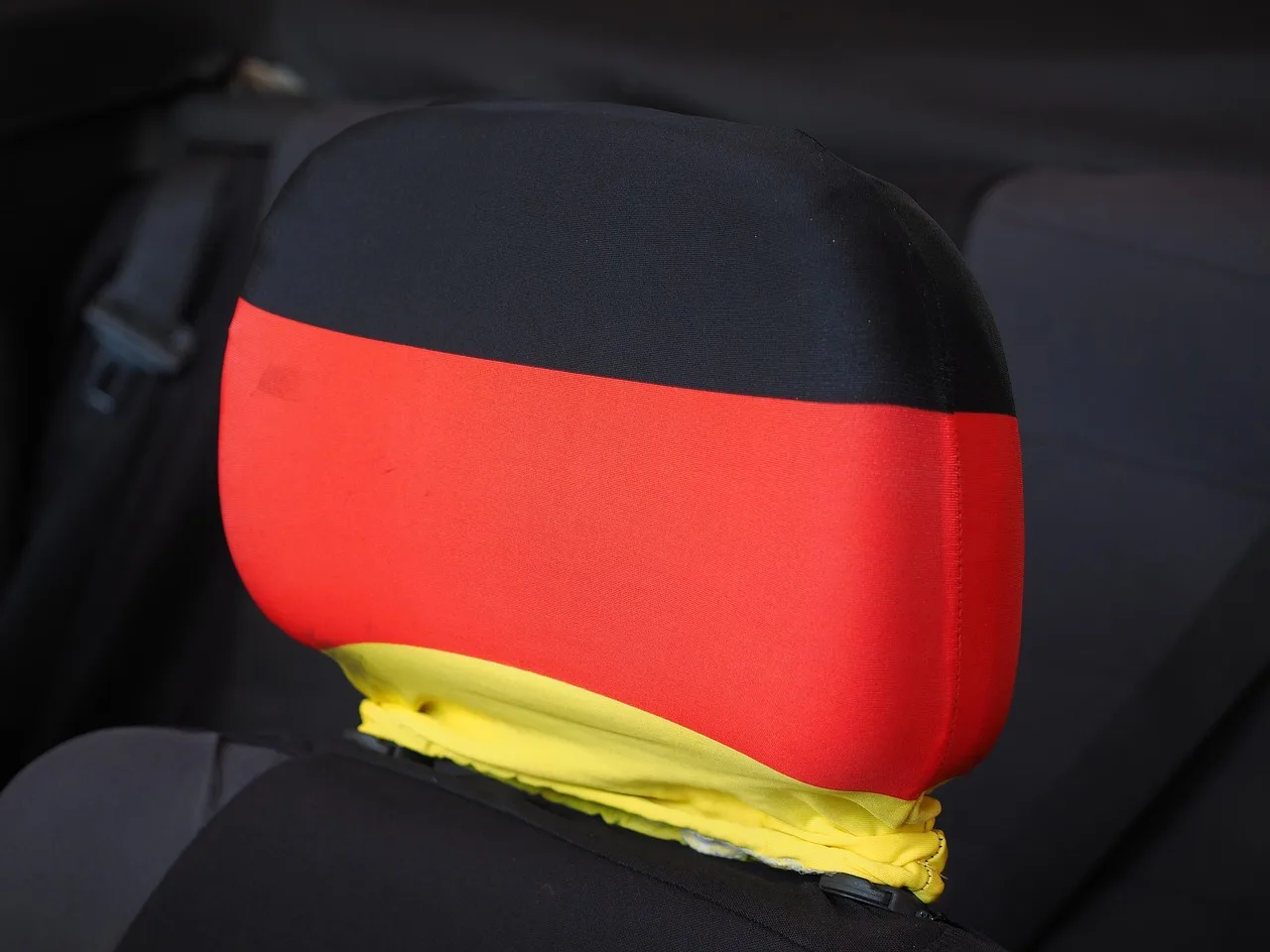
3 Best Headrest Covers for Cars (2026): We Compared
The best headrest covers for cars match the job: satin for hair protection, knitted stretch or Lycra for everyday use, and PU for wider-seat value and scratch control. Pick the wrong material and you get slipping, faster wear, and harder cleanup. This guide compares three cover types by fit, comfort, protection, and care.
Quick comparison
| Product | Badge | Best for | Price | ||
|---|---|---|---|---|---|
 |
2 Pcs Headrest Covers for Cars Satin Car Headrest Cover fortimyato | Our pick | 2 Pcs · Satin · Black | $12.74
Price as of 24 Oct 2026
|
View |
 |
CAR PASS Waterproof Car Seat Covers Front Seats Only withCAR PASS | Also great | Front Seats · Waterproof Neoprene · Gray | $28.97
Price as of 24 Oct 2026
|
View |
 |
AOMSAZTO Custom Fit Seat Covers for Toyota Corolla CrossAOMSAZTO | Upgrade pick | Toyota Corolla · Custom Fit · Faux Leather | $206.99
Price as of 24 Oct 2026
|
View |
Use this overview to sort hair-first covers from daily-use covers and multi-seat value sets. The biggest choice is not color. It is lower friction, tougher wipe-clean surfaces, or enough pieces to cover the whole cabin.
How we chose
We compared each pick on fit risk, breathability, surface feel, wipe-clean ease, and pack value. The goal was not one universal winner, because a satin cover that protects hair well is not the same answer as a PU cover built for scratch resistance.
Universal fit matters, but only up to a point. Most covers stretch or use elastic openings, yet curved shells, thick bolsters, and integrated headrests raise the chance of a loose edge or wrinkling.
We also weighed care. Satin needs gentler washing and drying. Lycra and PU are easier to keep in rotation when the car sees sweat, dust, kids, pets, or commuting wear.
Quick picks
| Pick | Best for | Key spec | Fit risk | Pack value |
|---|---|---|---|---|
| timyato satin headrest covers | Hair protection | 2 pcs; satin; adjustable extender | Medium | Low for larger vehicles |
| ALLANSING Lycra headrest covers | Everyday durability | 4-pack; 2-way stretch Lycra; machine washable | Low to medium | High for multi-seat use |
| Shakas PU headrest covers | Full-vehicle value | 2-piece PU; waterproof claim; smooth finish | Medium | Better for two seats than a whole cabin |
Say your front seats get daily use, but your back row rarely does. A 4-pack Lycra set often makes more sense than satin, because you can cover more seats and keep a spare without buying a second box.
How do you know a headrest cover will fit?
Measure the headrest width, height, and depth before ordering, then compare those numbers with the product’s stated size and closure style. Universal fit means the cover can work on many cars, SUVs, trucks, and vans, but headrest shape still decides whether the fit is snug or loose.
Look closely at three things: whether the headrest is integrated into the seat, whether the shell is curved, and whether the cushion has thick side bolsters. Those shapes can create gaps, bunching, or a stretched opening that slides after repeated entry and exit.
Elastic bottom openings are the simplest install method. Adjustable straps help when a cover needs extra tension, especially on taller or deeper headrests. A cover that is too loose may wrinkle; one that is too tight may be difficult to seat evenly.
- Measure the visible headrest area in width, height, and depth.
- Check whether the seat has an integrated headrest or separate posts.
- Look for stretch fabric, elastic edges, or adjustable straps.
- Match the cover type to the surface: satin for hair, Lycra for stretch, PU for wipe-clean use.
- Confirm care instructions before buying if you plan to wash them often.
A common first-timer mistake is buying for a generic sedan headrest and then finding the cover loose on a tall SUV seat. A little extra stretch can help, but it cannot fully fix a shape mismatch.
Timyato satin headrest covers: best for hair protection
The timyato satin set is the cleanest fit for hair-first buyers. It uses satin, comes as 2 pcs, and the brand positions it for headrest protection with an adjustable extender that helps it fit more headrest shapes. The 9″ x 10.6″ size matters because dimensions often matter more than marketing language.
Satin reduces friction, so it is the better lane for drivers or passengers who want less snagging, less tangling, and less pull on styled hair. It is also lightweight and breathable, which matters when you want comfort without a heavy seat-cover feel.
The tradeoff is care. Satin usually needs gentler washing and drying than Lycra or PU, and a light fabric can show wrinkling or fit looseness more easily if the headrest shape is unusual. It is best when hair protection comes first and daily abuse is not the main concern.
Why satin reduces friction and tangling
Satin has a smoother surface than knitted fabric, so hair glides across it instead of catching. That lowers the chance of friction, breakage, and tangling at the back of the head where repeated contact happens on long drives and in stop-and-go traffic.
The material also feels lighter against the seatback. That helps if you want protection from sweat and hair oils without adding a bulky layer that changes the look of the interior.
When satin is the better pick
Choose satin if hair care is the priority, especially for passengers who wear longer styles, braids, or protective styles. Sprouterie’s satin is described as hair protection and dirt resistance, and ACTOOLE also sells a 2-piece satin option, which shows how this category is aimed at cleaner contact, not heavy-duty abrasion.
Satin is less compelling if the headrest sees rough daily use, pets, or frequent cargo contact. It can help with sweat and dust, but it is not the strongest answer for scratch resistance or repeated wipe-downs.
Care notes for gentle washing and drying
Wash satin gently and avoid harsh agitation when possible. Drying should also be handled with care so the fabric keeps its smoother surface and does not lose shape at the edges.
If a buyer wants a cover that can be tossed in and forgotten, satin is not the easiest lane. It is the more careful option, not the more rugged one.
ALLANSING Lycra headrest covers: best for everyday durability
ALLANSING’s Lycra set fits the everyday-use category best. It uses 2-way stretch Lycra, comes in a 4-pack, and machine washable care is listed for the covers. That combination makes it easier to cover more seats and keep the set in circulation after spills, dust, or routine wear.
Lycra and spandex blends are strong choices when you want a snug fit without a stiff surface. They usually handle stain and wear protection better than satin, while still keeping enough stretch to work across many headrest shapes.
The drawback is that this material is not the best answer for hair friction. It is practical, not soft. If the goal is to reduce tangling first, satin still wins.
Why knitted stretch works for daily use
Knitted stretch fabric and Lycra both bring give to the fit, which helps the cover seat more cleanly across common headrest shapes. Tallew’s 4-piece universal set is described as breathable and soft, and that is the other reason buyers look at this lane: comfort plus practical protection.
For commuters, families, and shared vehicles, the value is repeat use. A stretch cover can be removed, washed, and put back on without much fuss, which makes it easier to keep the cabin looking presentable.
Fit and breathability tradeoffs
Stretch fabric gives a tighter fit than many satin covers, but that same snugness can create tension lines on curved or thick headrests. A strong fit is useful until the opening starts to fight the shape of the seat and wrinkles become more visible.
Breathability matters on long drives and warm days. Knitted surfaces tend to feel less sealed off than PU, which is useful if you want all-around protection without a plastic-like finish.
Who should choose a 4-pack?
A 4-pack makes sense when you want enough covers for the front and rear seating positions, or when you want a spare cover on hand. ALLANSING’s 4-pack and Tallew’s 4-piece universal set both fit that logic, especially for families, rideshare use, or one vehicle with multiple exposed headrests.
If you only need two seats covered, a 4-pack may still be useful as backup inventory. But if you are buying for a single pair of front seats and do not expect wear on the rest of the cabin, the extra pieces may go unused.
Shakas PU headrest covers: best for full-vehicle value
Shakas is the strongest value play for buyers who want a wipe-clean surface and a more finished look. The company uses PU material in its 2-piece headrest covers, and one competitor page describes the set as waterproof. PU also tends to bring a smooth finish, lightweight feel, and elastic construction.
That finish matters in cars with leather interiors, because a smooth, non-marking surface is less likely to look busy against the seat. PU is also well suited to scratch protection, which helps when the headrest sees bags, pets, or frequent brushing from jackets and seatbelts.
The main drawback is pack size. A 2-piece set is useful for the front row, but it is not the most efficient choice if you want to cover an entire vehicle.
Why PU suits scratch and spill protection
PU is useful when the headrest needs protection from daily wear, light scuffs, and wipe-clean messes. It is not the same as satin’s hair-friendly surface; its job is closer to barrier protection for upholstery.
That makes it a practical option for messy commuters, kids, or households where coffee, dust, and damp clothing are part of the routine. The less porous surface is easier to wipe than knitted fabric.
Why smooth finishes matter on leather
Leather interiors often look best with covers that avoid bulky seams or heavy texture. A smooth PU finish can sit more quietly against leather seats than a thick knit or a shiny satin that shifts around.
For leather owners, the decision is usually less about fashion and more about avoiding rub marks, dirt transfer, and a mismatch in surface texture. PU is the cleaner visual and functional fit in that case.
When a 4-pack makes more sense
When the vehicle has four or more exposed headrests, a 4-pack usually gives better value per seat. That is why a set like Tallew’s 4-piece universal option matters in this category, even though this specific pick is a 2-piece set.
Choose a 2-piece PU set if your priority is the front row and you care most about scratch resistance. Choose a larger pack if you want continuity across the cabin and do not want to mix cover styles between rows.
Headrest covers decision matrix
This matrix compares the three picks on the criteria most buyers actually feel day to day. Lower fit risk means a more predictable install across common headrest shapes. Higher scores are better on the 1 to 5 scale.
| Pick | Fit risk | Breathability | Hair-friendliness | Wipe-clean ease | Multi-seat value | Best for | Avoid if |
|---|---|---|---|---|---|---|---|
| timyato satin | 3/5 | 4/5 | 5/5 | 2/5 | 2/5 | Hair protection and lower friction | You want the toughest daily cleanup |
| ALLANSING Lycra | 2/5 | 4/5 | 3/5 | 4/5 | 5/5 | All-around daily use and whole-cabin coverage | Hair friction is your top concern |
| Shakas PU | 3/5 | 3/5 | 2/5 | 5/5 | 3/5 | Scratch resistance and easy wipe-downs | You want the softest surface for long hair |
Is satin or Lycra better?
Satin is better for hair protection. Lycra is better for snug fit, stain resistance, and machine washing. If you are choosing between the two, decide whether the main problem is friction on hair or day-to-day durability and cleanup.
For long, styled, or easily tangled hair, satin usually wins because it reduces drag. For commuters, families, and vehicles with more exposure to sweat and dirt, Lycra is the more practical choice because it holds up to repeated use and wash cycles.
Best material for hair protection
Satin is the clear pick when the cover’s job is to protect hair from breakage and tangling. Sprouterie’s satin is sold with that hair-protection angle, and timyato’s satin set is aimed at the same problem.
Best material for snug fit and stain resistance
Lycra is the better answer when you want a fit that hugs the headrest and does not look loose after install. Its 2-way stretch helps it adapt to more shapes, and the material handles stains and wear better than delicate satin.
Best material for easy machine washing
Lycra is the safer choice for repeated machine washing. Machine washable is listed for ALLANSING, and that matters if the cover needs frequent cleanup from sweat, dust, or regular commuting.
Which one should you buy?
Choose by job first, then by seat count. If hair protection is the top concern, buy satin. If the car sees daily wear and you want an easier care routine, choose Lycra. If your interior is leather or you want stronger wipe-clean protection, pick PU.
Choose by household use next. A commuter with one front seat to protect can live with a 2-piece set. A family, rideshare driver, or owner of a larger SUV usually gets better value from a 4-pack because it covers more seats and leaves a spare.
Choose by fit risk last. Integrated headrests, curved shells, and thick bolsters are the cases most likely to create slack or wrinkles. In those vehicles, stretch fabric or elastic openings are helpful, but you still need to measure before ordering.
Picture a sedan with leather front seats and a driver who wears a jacket that rubs the headrest daily. PU is the practical answer because the surface is easier to wipe and less likely to show light scuffs than satin.
Frequently asked questions
What are the best headrest covers for cars?
The best headrest covers for cars depend on the job. Satin is best for hair protection, Lycra is best for everyday durability and easy washing, and PU is best for wipe-clean value and scratch control. Universal fit is common, but headrest shape still decides whether the cover sits snugly or slips.
How do I know if a headrest cover will fit my car?
Measure the headrest width, height, and depth, then compare those numbers with the cover’s stated size and closure type. Check for integrated-headrest designs, curved shells, and thick bolsters, because those shapes raise the chance of slack, wrinkling, or a loose bottom opening.
Are headrest covers easy to install and remove?
Most are easy to install because they use a tool-free slip-on design with elastic bottom openings. Some include adjustable straps for a tighter hold. Removal is usually just as simple, but a snug Lycra fit can take more effort than a lighter satin cover.
Do headrest covers protect against hair damage and sweat?
Yes, but different materials do different jobs. Satin is the best for lowering friction, which helps reduce hair damage and tangling. Lycra and PU are better for blocking sweat, dust, and everyday wear, so the right choice depends on which problem you want to solve first.
Can I wash headrest covers in a machine?
Many can be machine washed, especially Lycra blends like ALLANSING’s. Satin needs gentler care and more careful drying, while PU is often easier to wipe clean than wash. Always check the care notes before buying if repeat cleaning is part of the plan.
How many headrest covers come in a pack?
Pack size varies a lot. ALLANSING comes in a 4-pack, Tallew offers a 4-piece set, and Sprouterie and ACTOOLE both sell 2-piece satin options. A 2-pack is fine for front seats, while a 4-pack usually makes more sense for multi-seat vehicles or anyone who wants a spare.
What headrest cover is best for leather interiors?
PU is usually the best fit for leather interiors because it has a smoother, more non-marking finish and is easy to wipe clean. Satin can feel softer, but PU is usually the better match when the goal is scratch protection and a cleaner visual line against leather upholstery.
Products related to this article
Sponsored / affiliate links. As an Amazon Associate I earn from qualifying purchases. I may earn additional commission from eligible campaigns.