Best Travel Refrigerator for Car: Mini Fridge vs. 12V Cooler
The split is straightforward: ice-based coolers work best for cheap, short-term cold, while powered fridges work best for steady temperature and less ice handling. Trip length, outside heat, and how long the vehicle sits parked decide the winner.
Quick comparison
Think time and temperature first. If the contents must stay cold for hours while the car sits in the sun, a powered fridge is the safer bet; if you only need cold drinks for a day, a cooler can be enough.
How we chose
- Cooling type, capacity, and temperature claims.
- Included cords, AC/DC support, and battery protection features.
- Recurring comments on noise, ice retention, and real-world fit.
- Travel use cases: day trips, camping, commuting, medication, and frozen storage.
Decision matrix for real trips
| Scenario | Mini Fridge | 12V Cooler | Recommended minimum capacity | Power source | Failure risk |
|---|---|---|---|---|---|
| Day trip | Tie | Best | 4L to 6L for drinks or snacks | 12V DC or ice | Low if you stay under 24 hours |
| Weekend camping | Best | Tie | 30L to 40L | 12V DC plus shore power if available | Medium if parked time is long |
| Long road trip | Best | Tie | 30L to 40L | 12V DC with battery protection | Medium if the engine is off for long stops |
| Hot-climate parking | Best | Tie | 30L to 40L | 12V DC, AC at lodging, or solar-compatible setup | High for ice coolers in direct heat |
| Medication storage | Best | Tie | 4L to 6L | 12V DC with stable power or AC backup | High if temperature swings matter |
| Baby milk | Best | Tie | 4L to 6L | 12V DC or AC, depending on stop length | High if ice melts before the next stop |
| Frozen food | Best | Tie | 30L to 40L | 12V DC with compressor cooling | High for thermoelectric units |
| Budget use | Tie | Best | Any small unit that matches the load | Ice or 12V DC | Low upfront for coolers, higher operating cost for ice |
| Silent use | Best | Tie | 4L to 6L | Ice or AC at camp | Low noise, but less temperature control |
| Off-grid use | Best | Tie | 30L to 40L | Solar plus battery or generator backup | Medium to high without a power plan |
Portable mini fridge: best for long trips
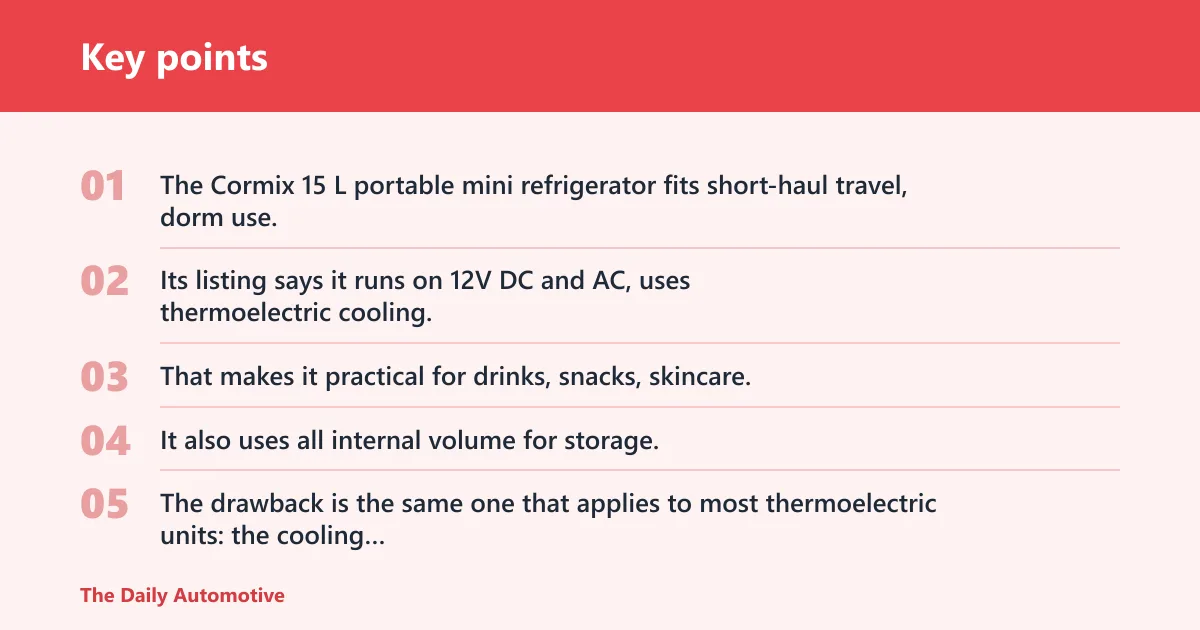

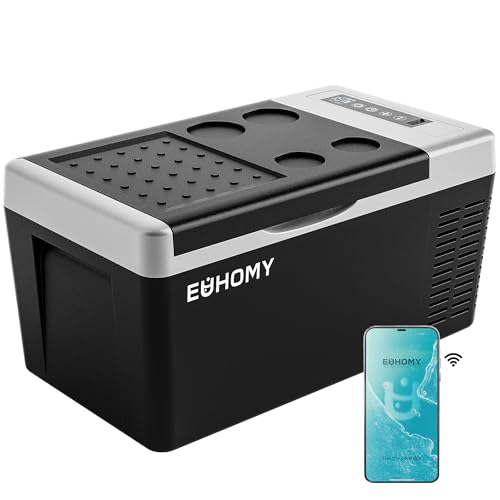
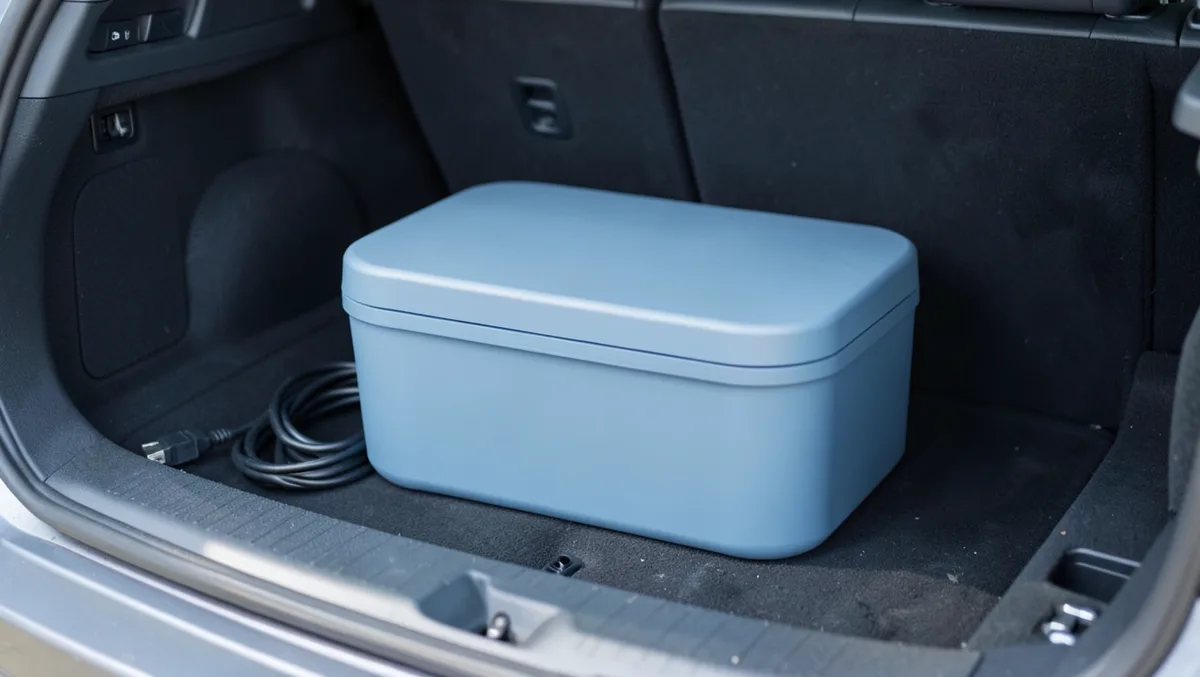
The Cormix 15 L portable mini refrigerator fits short-haul travel, dorm use, office backup, and car trips where you want powered cooling without ice. Its listing says it runs on 12V DC and AC, uses thermoelectric cooling, and can cool or warm small loads.
That makes it practical for drinks, snacks, skincare, and other small items that need simple temperature control. It also uses all internal volume for storage, so you do not lose space to ice packs the way you do with a traditional cooler.
The drawback is the same one that applies to most thermoelectric units: the cooling range is limited, so it is a poor fit for hot weather, frozen food, or long parked stretches. If you need colder-than-ambient performance in summer, a compressor car fridge is the safer category.
A 4L mini car refrigerator weighs 4.08 lbs, and that size can store up to six 330ml cans. That gives you a sense of the scale: small, light, and fine for a single person’s daily carry, but not a road-trip food vault.
12V cooler: best for short trips
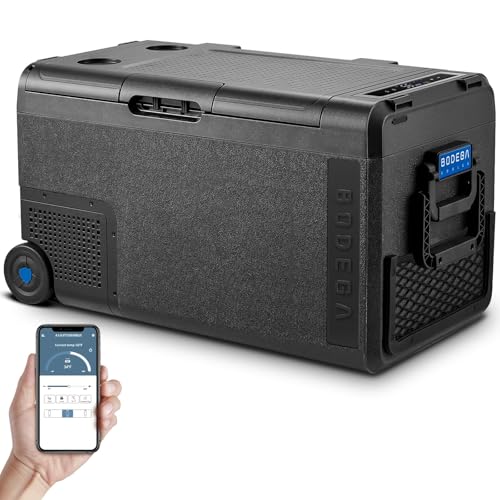
A 12V cooler is the better choice when you only need cold for a day, do not want to pay for a powered fridge, and can keep refreshing the ice supply. Traditional coolers are often priced under $200, and ice typically lasts about 24 hours.
That 24-hour window is the point. For a beach day, a grocery run, or a quick family outing, a cooler keeps the setup simple and quiet. It also avoids the battery-drain questions that come with running a fridge from the vehicle outlet while parked.
The trade-off is space and temperature control. Ice takes room, melting reduces performance over time, and you cannot freeze food or ice cream with a standard ice-based cooler.
Which one should you buy?
Choose Mini Fridge if you want a small powered unit for short-haul travel, dorm use, office backup, or light-duty carry where simple cooling is enough. Choose 12V Cooler if your trips are short, the contents can tolerate a 24-hour ice window, and you want the lowest upfront cost.
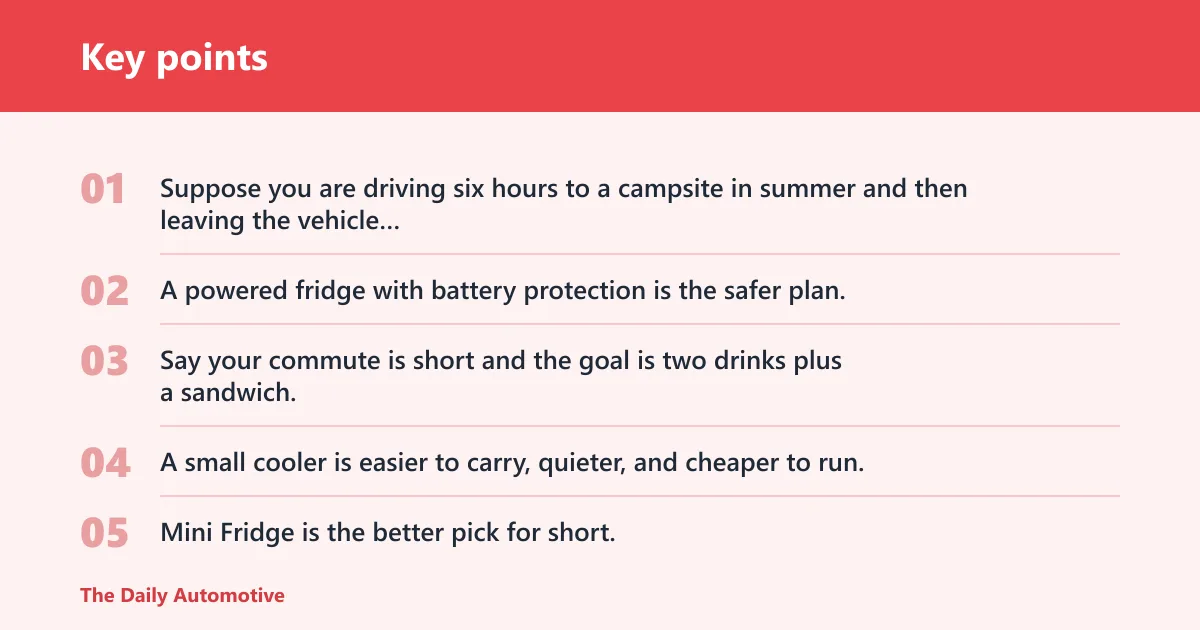
Suppose you are driving six hours to a campsite in summer and then leaving the vehicle shut for the night. A powered fridge with battery protection is the safer plan, because ice coolers lose capacity as the ice melts and the cabin heat rises.
Say your commute is short and the goal is two drinks plus a sandwich. A small cooler is easier to carry, quieter, and cheaper to run, while a powered fridge is more machine than you need.
Mini Fridge is the better pick for short, light-duty use where you want powered cooling without ice. 12V Cooler is the better pick for cheap, short-use travel where battery dependence and temperature precision do not matter much.
Cooling method
Compressor car fridges can cool well below refrigerator temperatures and are the class to look at for freezing, dual-zone storage, or food that must stay well below refrigerator temperatures.
Thermoelectric mini fridges use Peltier cooling. They are quieter and simpler, but they have a limited cooling range and lose effectiveness as outside temperature rises, which is why hot-weather parking is a weak spot.
Power source and parked-time reality
Portable mini fridges can use 12V, AC, or solar power. This matters if you want the same unit to work in the car and at a campsite or hotel.
A 12V vehicle outlet is fine while driving, but parked use changes the equation. If the engine is off, battery protection becomes essential, because even efficient units can drain a starter battery if they run too long.
Temperature control and capacity
Mini fridges give you usable storage without ice, which is why a 30L to 40L car fridge fits multi-day travel better than a small cooler. Larger versions are more practical for groceries, bottled drinks, and meal prep without constant repacking.
For small loads, 4L to 6L mini units are enough for cans, medicine, or snacks. For road trips, 30L to 40L is the more practical range because it covers groceries, bottled drinks, and meal prep without constant repacking.
Noise and sleep comfort
Noise matters if the unit sits in the cabin or tent. Compressor units are usually louder than thermoelectric ones, while thermoelectric models are closer to near-silent operation, which makes them easier to live with overnight.
That trade-off is real. Quiet usually means weaker cooling, while stronger cooling usually means more audible compressor cycling. If you sleep beside the unit, pick the quieter category only when the contents do not need deep cold.
Cost and portability
The upfront price gap is wide. Traditional coolers are often priced under $200, while car fridge prices are generally $500 to $1000. Over a trip, you also pay for ice purchases, replacement bags, and sometimes electricity or battery capacity.
Mini fridges add weight and cord management. Cooler setups are lighter and simpler to move, but the ice reduces usable storage and adds recurring cost. For a week of repeated use, those ice runs can matter more than the sticker price.
Choose Mini Fridge if… / Choose 12V Cooler if…
Choose Mini Fridge if… you need a small powered unit for short-haul travel, dorm use, office backup, or light-duty cooling, and you want AC backup at home or at camp. A thermoelectric unit is the safer category for those conditions.
Choose 12V Cooler if… your trip is short, you want the cheapest setup, you do not need freezing, and a 24-hour ice window is enough. It is also the simpler choice for silent use when a little extra cooling uncertainty is acceptable.
Can a car fridge freeze food?
Yes, but only the compressor type is built for that job. Compressor car fridges can reach freezing temperatures, which is cold enough for frozen food and, in some cases, ice cream storage. Thermoelectric units usually cannot get there.
If freezing matters, do not buy by size alone. Check the actual temperature range and confirm that the model is compressor-based, because thermoelectric models are for cooling and warming, not proper freezing.
Does a portable fridge drain your car battery?
It can, especially when the engine is off. A portable fridge on a 12V outlet is safest while driving or when the vehicle is connected to shore power, solar charging, or another external power source. Parked use is where battery protection matters most.
Battery protection is the kind of feature you want for car use. A practical setting is the medium or high cutoff when the engine may be off for long periods, because that reduces the chance of a dead starter battery.
Frequently asked questions
Is a mini fridge better than a 12V cooler for a car?
Yes, if your trip lasts more than a day, the weather is hot, or the load needs steady temperature control. A 12V cooler is better for short trips and low cost. The right answer depends on how long the food must stay cold, not on which one sounds more advanced.
How long will a 12V car cooler keep food cold?
A traditional cooler typically relies on ice, and ice lasts about 24 hours in many travel use cases. That means the cooler is best when you can refresh the ice within a day. In hot weather or with frequent opening, the practical window can be shorter.
What size car fridge do I need for road trips?
For a solo traveler or commuter, 4L to 6L is enough for drinks, lunch, or medication. For road trips, 30L to 40L is the better range because it fits more food, drinks, and meal prep. Anything smaller tends to become a daily carry box, not a travel fridge.
Does a portable mini fridge run off a car battery safely?
Yes, if it has the right 12V input, the wiring matches the vehicle outlet, and the battery protection setting is appropriate. It is safest while the engine runs. If you plan to park for hours, use a low-voltage cutoff and follow the vehicle manual.
Are thermoelectric coolers good enough for hot weather?
Usually not. Thermoelectric fridges have a limited cooling range, and hot ambient temperature cuts into performance. They can still work for drinks, snacks, or short errands, but they are a weak choice for parked cars in summer or for anything that must stay very cold.
How much power does a portable car fridge use?
Power draw depends on the cooling type and capacity. One listed compressor model uses modest rated power and includes battery protection features. Thermoelectric units vary, but they are generally less efficient when the outside temperature climbs.
Is a mini fridge worth it for camping and long drives?
Yes, if you camp more than a night, carry medicine or baby milk, or want to skip ice runs. For short day trips, it is usually overkill. The best value comes when the fridge replaces repeated ice purchases and keeps food safe through parked time.
Products related to this article
Sponsored / affiliate links. As an Amazon Associate I earn from qualifying purchases. I may earn additional commission from eligible campaigns.