Best Auto Repair Options for Whittier (2026): we compared
For Whittier drivers, the best auto repair option depends on the symptom: brakes and maintenance to a general repair shop, check-engine faults to a diagnostic shop, and transmission or emissions problems to a specialist. Pick the wrong one, and you can buy parts you did not need, miss the real fault, or fail a smog test twice. This guide maps common symptoms to the right shop type, repair category, and approval checklist so you can compare quotes with less guesswork.
Quick comparison
| Product | Badge | Best for | Price | ||
|---|---|---|---|---|---|
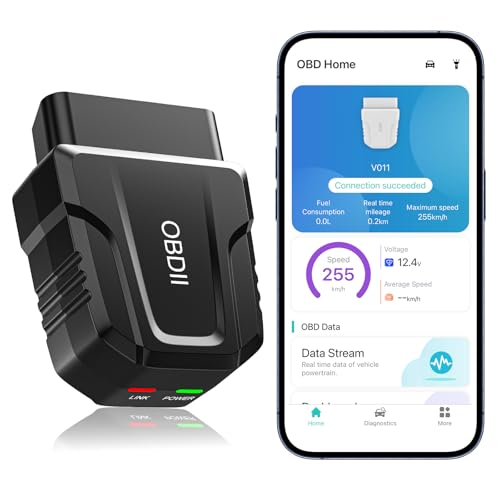 |
OBD2 Scanner Diagnostic Tool, Car Scanner for iOS &UMEIJA | Our pick | Bluetooth 5.4 diagnostic scanner for iOS and Android. | $21.99
Price as of 14 Oct 2026
|
View |
 |
AstroAI Digital Multimeter, True RMS 6000 CountsAstroAI | Also great | Auto-ranging true RMS digital multimeter. | $34.99
Price as of 14 Oct 2026
|
View |
 |
AV Steel Low Profile Floor Jack 3 Ton (6600 lbs), HeavyAV Steel | Upgrade pick | 3 ton low profile heavy duty hydraulic floor jack. | $152.99
Price as of 14 Oct 2026
|
View |
 |
VEVOR Mechanics Tool Set, 314-Piece Mechanic Tool Kit, 1/4VEVOR | Also great | 314-piece mechanic tool kit with storage case. | $88.08
Price as of 14 Oct 2026
|
View |
 |
NOCO Boost GB40 12V 1000A UltraSafe Portable Lithium JumpNOCO | Budget pick | 1000A ultra-safe portable lithium jump starter. | $91.21
Price as of 14 Oct 2026
|
View |
Start with the fault, not the storefront. A good quote should tell you what was found, how it was tested, and what happens if the first repair does not fix the symptom.
For many Whittier drivers, the real choice is between lower labor rates and deeper brand-specific tools. That tradeoff matters more than a glossy waiting room.
How we chose
The best shop category depends on four things: repair scope, diagnostic depth, estimate clarity, and warranty terms. Those are the facts that affect your final bill and whether the car is actually fixed.
We also weighed turnaround time, appointment access, and whether the shop can explain the approval process in plain language. Convenience matters, but only after the fault is matched to the right repair path.
Online reviews and ratings still matter, but they are not enough on their own. Pair them with ASE certification or equivalent experience, a written estimate, and a warranty that names parts and labor coverage.
Independent auto repair shop: best for most drivers
An independent auto repair shop is usually the best starting point for routine maintenance, brakes, suspension work, AC service, and many diagnostics. Labor rates are often lower than a dealership’s, and service variety is broader, so one shop may handle several unrelated repairs without sending you elsewhere.
What to verify first is the diagnostic fee, parts quality, turnaround time, and warranty wording. Ask whether the shop uses aftermarket, OEM, or customer-supplied parts, and whether the warranty covers both parts and labor or only the part itself.
The drawback is diagnostic depth can vary. A strong independent shop may have excellent scan tools and trained technicians; a weaker one may replace parts before proving the fault.
Dealership service department: best for brand-specific repairs
A dealership service department is most useful when the repair needs OEM parts access, brand-specific software, or factory procedures that a general shop may not have. That matters for reflash work, certain drivability issues, and warranty repairs that require dealer documentation.
The price premium is justified when the symptom points to a manufacturer-specific system, when the vehicle is still under factory warranty, or when a technical service bulletin applies. Dealers also tend to require appointments, so same-day flexibility is usually weaker.
The drawback is cost. Dealer labor often runs higher, and some shops will insist on an initial diagnostic before discussing repair options or software updates.
ASE-certified mechanic: best for diagnosis and confidence
ASE certification generally signals that a mechanic has passed standardized tests in one or more repair areas and has the work experience needed to take those tests. It does not guarantee honesty or mastery of every system, but it is a useful baseline when you are comparing shops.
Systems that benefit from deeper diagnostic capability include electrical faults, engine lights, drivability complaints, and intermittent problems that do not set a clear code. A skilled ASE-certified technician should be able to move from OBD-II scan data to circuit testing, voltage drop checks, and component verification.
The drawback is simple: the credential alone does not tell you whether that mechanic specializes in transmissions, A/C, smog faults, or late-model European electronics. Ask what systems the shop handles most often and how it confirms the diagnosis before replacement.
Brake repair specialist: best for safety-first repairs
Brake repair belongs at the top of the safety list. Squealing, grinding, pedal vibration, pulling to one side, or a longer stopping distance usually means you need inspection of pads, rotors, calipers, fluid, and hardware before driving much farther.
What should be checked is straightforward: pad thickness, rotor condition, caliper function, brake fluid condition, and any missing or rusted hardware. If the pedal feels soft or the car pulls hard during braking, do not treat the repair as optional.
Before approving work, ask whether the quote includes pads only or pads and rotors, whether calipers need replacement, and whether the brake fluid is being flushed because of age or contamination. A brake job without those line items can look cheap and become expensive after the first test drive.
Repair-shop decision matrix for 8 common car symptoms
This matrix is the fastest way to match a symptom to the right shop type. It also shows when you should stop driving, when you can schedule normally, and what to ask before giving approval.
| Symptom | Best shop type | Typical next step | Urgency | Questions to ask before approval |
|---|---|---|---|---|
| Check-engine light with rough idle | ASE-certified diagnostic shop or dealership for brand-specific faults | OBD-II scan, live data review, then circuit or component testing | High if the light flashes; moderate if steady | What code set the light? Is this a symptom or the root fault? What will the diagnostic fee cover? |
| Brake squeal, grinding, or longer stops | Independent brake or general repair shop | Inspect pads, rotors, calipers, fluid, and hardware | High | Do the rotors need replacement? Are the pads near minimum thickness? What brand are the parts? |
| Transmission slipping or delayed shift | Transmission specialist or experienced diagnostic shop | Check fluid condition, scan for codes, road test, and verify hydraulic or electronic faults | High | Is the fix service, repair, or rebuild? Was fluid level checked correctly? What is included in the diagnosis? |
| AC blowing warm | Independent shop with AC tools or dealership for model-specific systems | Leak check, pressure test, and electrical control inspection | Moderate | Is it refrigerant loss, a compressor issue, or an electrical control fault? Is evacuation and recharge included? |
| Failed smog or readiness monitors not set | Independent emissions-capable shop or dealer if a software update is needed | Repair emissions-system fault, clear codes only after repair, then verify monitors | Moderate to high if registration is pending | Which monitor failed? Will the shop document the repair and support the retest? |
| Battery keeps dying | ASE-certified diagnostic shop | Charging-system test, parasitic draw test, battery and cable inspection | Moderate to high | Did you test the alternator and parasitic draw, or only replace the battery? Are terminals and grounds clean? |
| Vibration at highway speed | Independent general repair or tire/suspension shop | Inspect tires, wheel balance, suspension joints, and wheel bearings | Moderate | Is the vibration from tires, brakes, or a worn suspension part? Are alignment issues part of the quote? |
| Fluid spots under the car | General repair shop with leak-diagnosis experience | Identify fluid type, trace source, and inspect seals, hoses, and pans | Moderate to high depending on fluid | What fluid is leaking? Is it active or residue? What is the exact source before parts are replaced? |
Which one should you buy
Choose by budget, not by branding. If the repair is routine and you want lower labor rates, an independent shop usually makes the most sense.
Choose by urgency if the car may not be drivable. Same-day work, walk-in acceptance, or shuttle service can matter more than a small price difference when the vehicle is blocking your schedule.
Choose by complexity when the issue is electrical, drivability-related, or tied to a specific make. In that case, a dealership or a highly focused ASE-certified diagnostic shop may save time even if the estimate is higher.
Say your sedan starts shaking and the check-engine light flashes on the 91 freeway. That is not a wait-and-see issue; a diagnostic-first shop is the right move because the light may signal a misfire that can damage the catalyst.
Suppose your compact SUV needs front pads, an oil change, and a slow AC leak check. An independent shop with a clear written estimate is usually the best value because the work is straightforward and does not require brand-only tools.
What should you check before approving repairs?
Before you sign, confirm the estimate, the warranty, and the approval threshold. The strongest shops make it easy to see what was diagnosed, what parts are needed, and which repairs require a callback before work continues.
Written estimate essentials
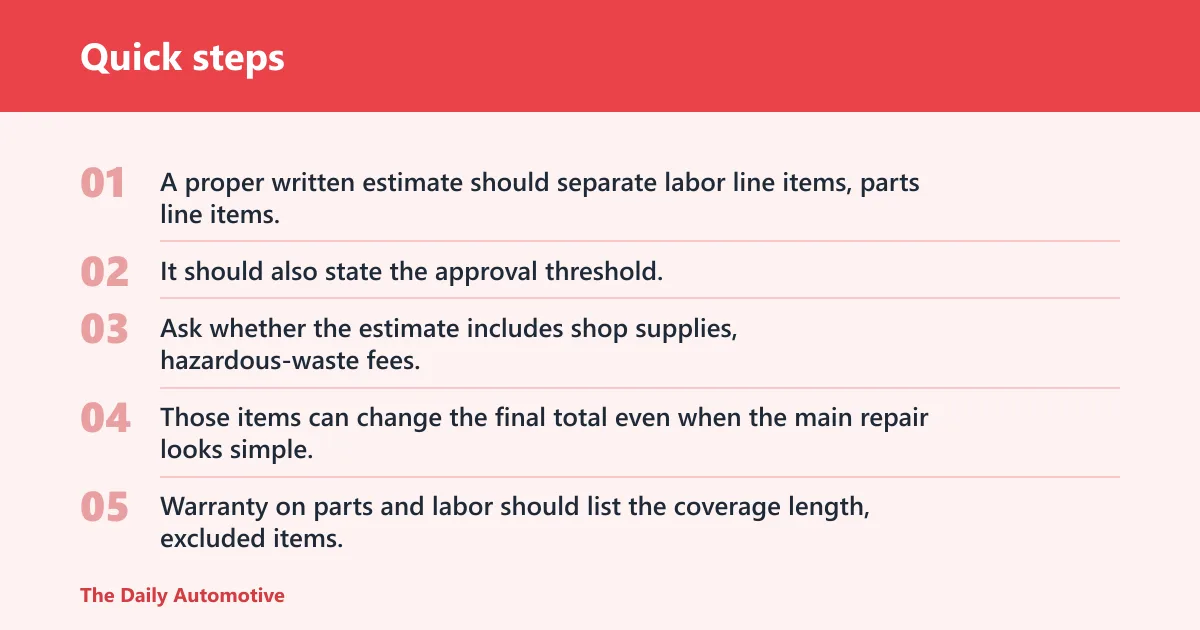
A proper written estimate should separate labor line items, parts line items, and any diagnostic fee. It should also state the approval threshold, meaning the dollar amount beyond which the shop must contact you before adding work.
Ask whether the estimate includes shop supplies, hazardous-waste fees, refrigerant charges, or taxes. Those items can change the final total even when the main repair looks simple.
Warranty essentials
Warranty on parts and labor should list the coverage length, excluded items, and the claim process in writing. Common exclusions include wear items, customer damage, outside labor, and failures caused by unrelated problems.
Good warranty language says what happens if the same repair fails again, whether the part is replaced or refunded, and whether labor is covered for the second visit. If the paperwork is vague, ask for clarification before approving.
Trust checks
ASE certification or equivalent experience matters most when the repair is diagnostic-heavy. Pair that with online reviews and ratings, but read for patterns: repeated mentions of clear explanations, fast callbacks, or clean estimates matter more than one glowing sentence.
The adviser should be able to explain the fault in plain language without hiding behind jargon. If the shop cannot tell you how the problem was confirmed, the estimate may be built on assumptions.
Can you get same-day or walk-in auto repair in Whittier?
Same-day or walk-in repair is most likely for basic maintenance, battery issues, tire-related problems, brake inspections, and some obvious failures that do not require parts orders. Deep diagnostics, transmission work, and dealer programming usually need an appointment.
An appointment is smarter when the car has an intermittent fault, a check-engine light with multiple codes, or a repair that may require long testing time. That gives the shop room to diagnose before replacing parts.
Loaner cars and shuttle service can change the decision. Ask whether the service is free, whether it is limited by mileage or appointment type, and whether only certain repairs qualify.
Independent auto repair shop: best for routine value
Independent shops are usually strongest on everyday work such as brakes, oil changes, suspension, AC service, and many engine diagnostics. They often turn cars around faster than dealers because they are not locked to a single brand workflow.
The drawback is that quality varies more from one shop to the next. One shop may have excellent scan tools and disciplined testing; another may lean too hard on part-swapping.
Ask about diagnostic fee policy, parts sourcing, and whether the shop supplies a written estimate before any repair begins. Those details matter more than a generic promise of fair prices.
Dealership service department: best for brand-specific repair
Dealers can be worth the premium when the vehicle needs OEM parts, brand-specific software, or factory procedures that affect warranty status. They are also the safer bet for some recall work and updates tied to technical service bulletins.
The drawback is usually price and scheduling. Appointment lead time can be longer, and the estimate may include a higher labor rate than an independent shop for the same basic repair.
Ask whether the quote includes the software update, whether parts are in stock, and how long the vehicle may sit before diagnosis starts. That avoids paying dealer pricing for dealer delay.
ASE-certified mechanic: best for diagnosis
An ASE-certified mechanic is a strong fit when the complaint is vague, intermittent, or electrical. Certification signals tested knowledge, but the better question is how that knowledge is applied to your car’s exact fault.
Ask what specialty systems the mechanic handles most often: brakes, drivability, transmissions, AC, or electrical diagnosis. If the problem involves a network fault or a no-start condition, you want someone comfortable with scan data and multimeter testing, not just parts replacement.
A common first-timer mistake is approving a fuel pump because the engine cranks and will not start. A better diagnostic path checks power, ground, relay control, and fault codes first.
Brake repair specialist: best for safety-first work
Brake repair should be handled as a safety issue, not a convenience issue. Squealing often points to worn pads, grinding often points to metal-on-metal contact, and vibration can point to rotor thickness variation or a sticking caliper.
The inspection should include pads, rotors, calipers, brake fluid, and hardware. Ask whether the quote includes a full axle, whether the rotors are being resurfaced or replaced, and whether the calipers are free to move properly.
If the car pulls hard when braking or the pedal goes soft, do not wait for the next free afternoon. That symptom deserves prompt inspection, even if the final repair is minor.
OBD-II diagnostic scanner: best for decoding fault codes
The UMEIJA OBD2 scanner suits drivers who want a quick first look at check-engine lights before deciding on a shop category. Based on the manufacturer’s specs and buyer feedback, it supports iOS and Android and is aimed at novice and experienced users alike.
It is most useful when you want the code number, readiness status, or a basic readout before you approve labor. The drawback is that a code reader can point you toward the system, but it cannot confirm the failed part by itself.
Digital multimeter: best for electrical troubleshooting
The AstroAI True RMS multimeter fits electrical diagnosis, battery checks, and circuit testing. Based on published specs, it measures voltage, current, resistance, continuity, capacitance, and temperature, which matters when the fault may be in wiring, sensors, or charging components.
This tool is useful for confirming whether a charger, relay, ground, or sensor circuit is behaving correctly. The drawback is that multimeter work requires more skill than reading codes, so it is better for users who are comfortable with basic electrical testing.
Low-profile floor jack: best for safe home inspections
The AV Steel 3-ton low-profile jack is a good fit if you need safe access for tire checks, brake inspections, or undercar work. Based on the listed specs, its low-profile design helps with cars that sit close to the ground, and the dual-piston pump should reduce the number of strokes needed to lift.
The drawback is that a jack is only one part of safe lifting. You still need jack stands and level ground, and heavier or awkward lifts may still be better left to a repair shop.
Mechanics tool set: best for basic repair work
The VEVOR 314-piece tool kit is for drivers or hobbyists who need a broad set of sockets, wrenches, and accessories for common maintenance. Based on the product details, the CR-V steel construction and 6-point socket design should help reduce rounding on fasteners.
The drawback is that a large set is not automatically a complete diagnostic solution. It helps with removal and installation, but it does not replace scan data, test equipment, or shop-grade lifting gear.
Portable jump starter: best for dead-battery emergencies
The NOCO Boost GB40 is a practical choice for no-start situations caused by a dead battery, especially when you want a spark-proof and reverse-polarity-protected jump starter. Based on published specs, it also doubles as a power bank and includes a flashlight.
The drawback is that a jump starter solves a flat-battery symptom, not the reason the battery went flat. If the alternator, cables, or parasitic draw are bad, you still need diagnosis after the car starts.
How much does auto repair usually cost in Whittier?
Cost depends more on labor time, diagnosis depth, and parts quality than on the city name alone. A simple maintenance visit is usually cheaper than a no-start diagnosis, and dealer work usually costs more than comparable independent-shop labor.
Diagnostic fees matter because they are often separate from repair labor. A scan, road test, electrical test, or teardown can add cost before any parts are replaced, especially on intermittent faults.
Transmission service also varies widely because the end result may be fluid service, valve-body repair, sensor replacement, or a rebuild. That is why a low initial quote can turn into a much higher final bill if the shop has not pinned down the fault.
Do local shops offer warranties on parts and labor?
Many local shops do, but the wording matters more than the headline. The best warranty spells out length, what is covered, what is excluded, and how the claim is handled if the same repair fails again.
Some warranties cover parts only, while others cover both parts and labor for a set period. Ask for the policy in writing and confirm whether wear items, outside damage, and unrelated failures are excluded.
If a shop will not put warranty terms on the estimate or invoice, treat that as a warning sign. A good repair shop should be willing to explain the claim process before you approve the work.
What is the best auto repair option in Whittier for my car?
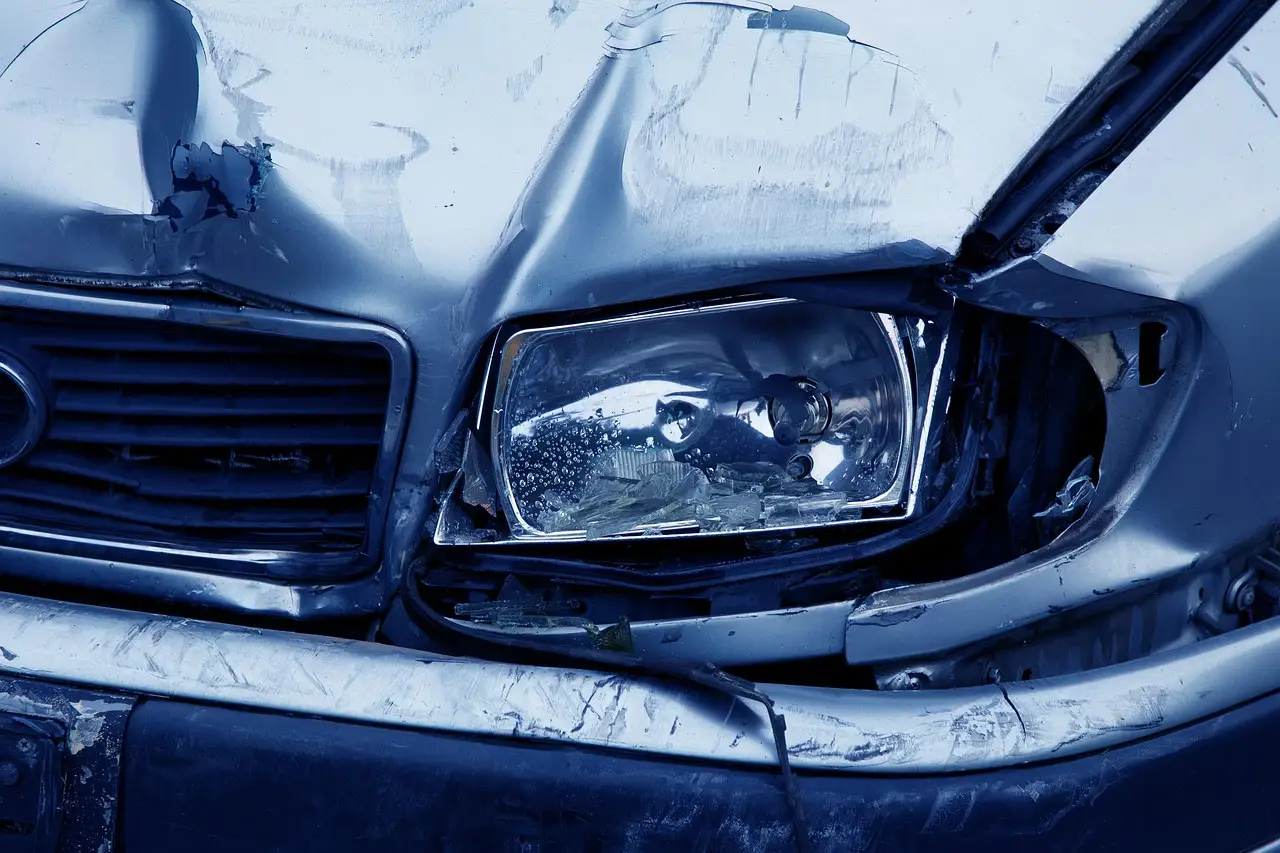
The best option depends on the symptom and the repair path it points to. Brakes and routine maintenance usually fit an independent shop, check-engine diagnosis belongs with a shop that can test beyond the code, and transmission or emissions faults may justify a specialist or dealer.
Use the symptom first, then the estimate, then the warranty. That order keeps you from paying dealer prices for basic work or accepting a cheap quote that skips diagnosis.
How do I choose between an independent shop and a dealership service center in Whittier?
Choose an independent shop for lower labor rates, broader routine service, and faster scheduling. Choose a dealership when the repair needs OEM parts access, brand-specific scan tools, or factory procedures that support warranty or software-related work.
The real test is not the waiting room. It is whether the shop can explain the fault, the parts, and the approval threshold clearly enough that you can compare estimates without guesswork.
Which Whittier auto repair shops handle brakes, engine diagnostics, and AC repair?
Look for independent general repair shops, brake-focused shops, and ASE-certified diagnostic shops that list those services clearly. Brake jobs are common, AC work requires leak and pressure testing, and engine diagnostics should include scan data plus follow-up testing, not just code reading.
A dealership can also handle all three, but it is usually most attractive when the vehicle needs brand-specific tools or software. For ordinary brake or AC work, a capable independent shop is often the better value.
How do I know if a mechanic is trustworthy and ASE certified?
Ask for the ASE credential, then ask what systems the mechanic actually works on most often. Trustworthy shops give plain-language explanations, a written estimate, and a clear approval process instead of pushing vague repairs or rushed decisions.
Reviews help when they show patterns about communication, timing, and problem-solving. Do not rely on star ratings alone; pair them with estimate detail, warranty wording, and the shop’s willingness to answer direct questions.
Frequently asked questions
What should I check before approving repairs at a Whittier shop?
Check the written estimate for labor line items, parts line items, a diagnostic fee, and the approval threshold. Then confirm the warranty length, exclusions, and claim process so you know what happens if the same repair fails again.
Products related to this article
Sponsored / affiliate links. As an Amazon Associate I earn from qualifying purchases. I may earn additional commission from eligible campaigns.