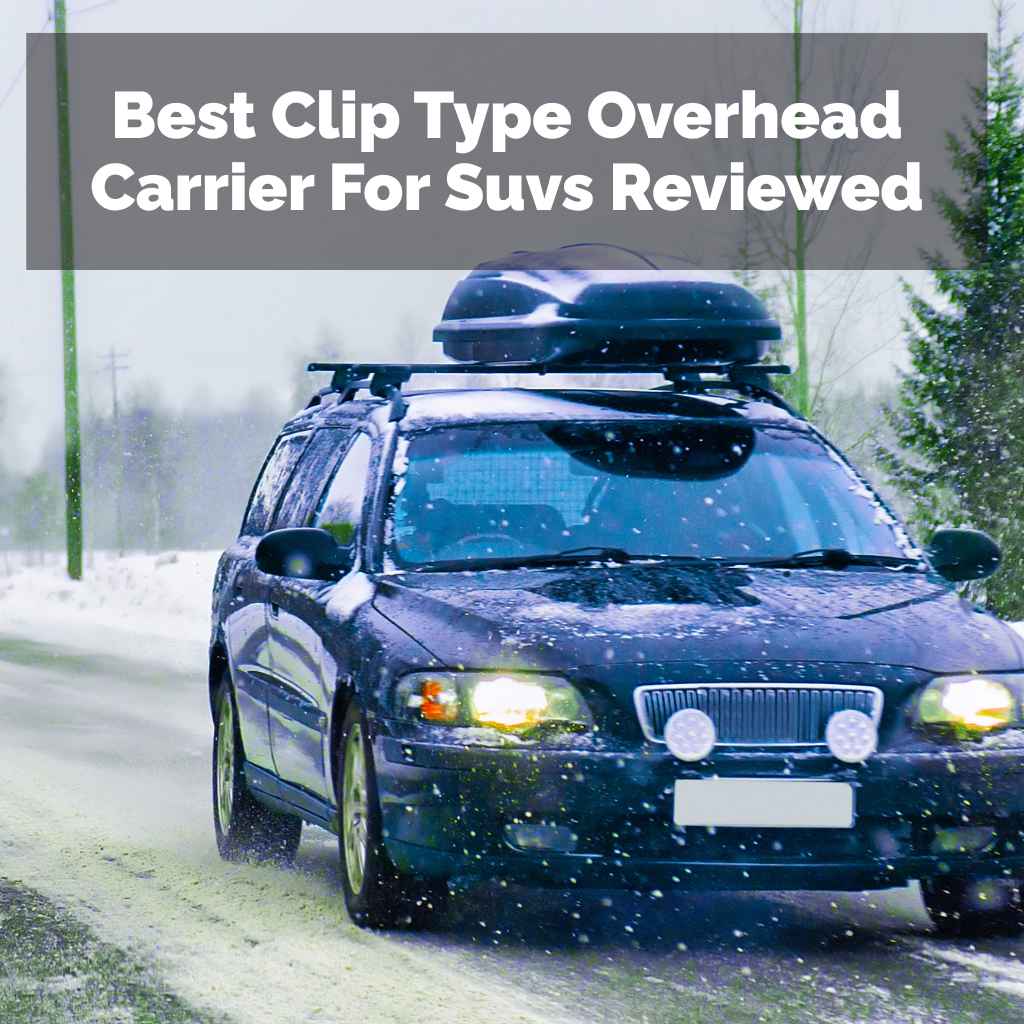
Best Clip Type Overhead Carrier For Suvs Reviewed
The best clip type overhead carrier for SUVs securely attaches to your roof rails or door frames, offering ample storage for luggage, sports equipment, or camping gear, enhancing your vehicle’s capacity for travel without requiring permanent modifications.
Understanding Clip Type Overhead Carriers
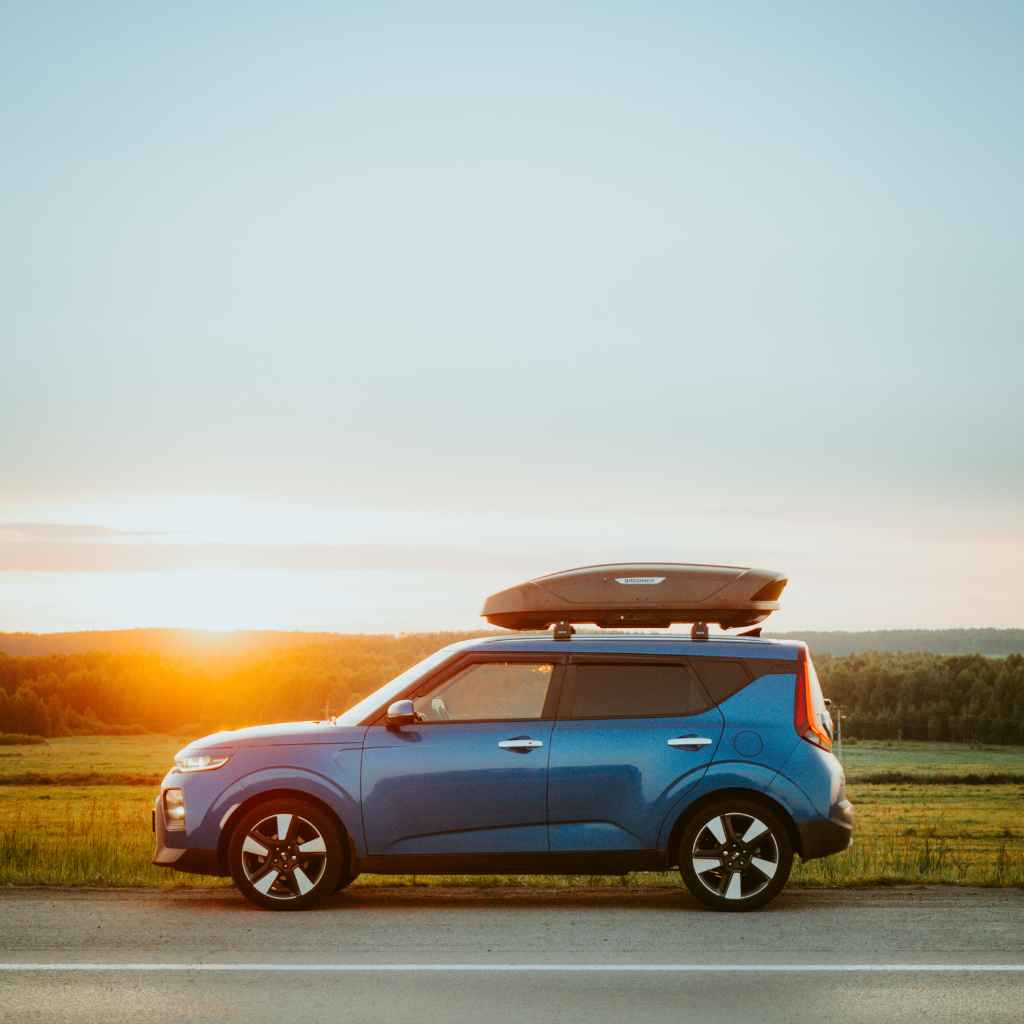
What exactly is a clip type overhead carrier? Think of it as a cargo box or bag that sits on top of your SUV. The “clip type” means it uses special clamps or clips to attach to your car.
These clips usually go onto your roof rails. Sometimes, they even attach to the edge of your car doors. This is different from carriers that need full roof rack systems.
Clip-on types aim for easier setup. They offer more storage space. You can carry things like suitcases, tents, and even skis.
It’s like giving your SUV a portable trunk on the roof.
Why would someone choose this kind of carrier? For many, it’s about flexibility. You can put it on when you need it.
Then, you can take it off when you don’t. This is great if you don’t want a permanent roof rack. It’s also often more budget-friendly than a full rack system.
The clips are designed to grip your car safely. They distribute weight well. This means you can carry a good amount of stuff.
It’s a practical way to boost your car’s carrying power.
Why Clip-On Carriers Stand Out
Many SUVs come with built-in roof rails. These are the long bars that run front to back on your roof. Clip-on carriers are made to work with these rails.
They often have adjustable clips. You can slide them to match the distance between your rails. This makes installation quick.
You don’t usually need tools. Some designs also allow attachment to door frames. This is helpful for cars without rails.
It’s a clever design that works for many vehicles. It expands your options for hauling gear.
The ease of use is a big draw. Imagine needing extra space for a weekend trip. You can get the carrier out of the garage.
Attach it in minutes. Load your bags. And you’re ready to go.
When you get back, it’s just as easy to remove. This saves space in your garage too. It’s a smart solution for occasional storage needs.
It avoids the complexity of traditional roof racks. This makes it a top choice for many families and adventurers.
Clip-On Carrier Quick Facts
What it is: A removable cargo carrier for your SUV roof.
Attachment: Uses clips that attach to roof rails or door frames.
Best for: Extra storage needs, travel, sports gear.
Pros: Easy to install, removable, no permanent mods needed.
Cons: Can be less secure than bolted racks, may affect fuel economy.
My First Time Trying a Clip-On Carrier
I remember the first time I needed more space. It was for a family road trip to the Grand Canyon. My trusty old sedan just wouldn’t cut it.
We had camping gear, coolers, and two kids’ worth of toys. My neighbor had an SUV with a clip-on carrier. He let me borrow it.
I was a little nervous. The idea of attaching something to my car’s roof felt a bit risky. But it was surprisingly simple.
The clips adjusted easily to my roof rails. Within ten minutes, it was on securely. I felt a huge wave of relief.
It was like unlocking a secret superpower for my car. The journey was so much more comfortable with everything stowed away up top. That experience really opened my eyes to how useful these carriers can be.
Types of Clip-On Carriers
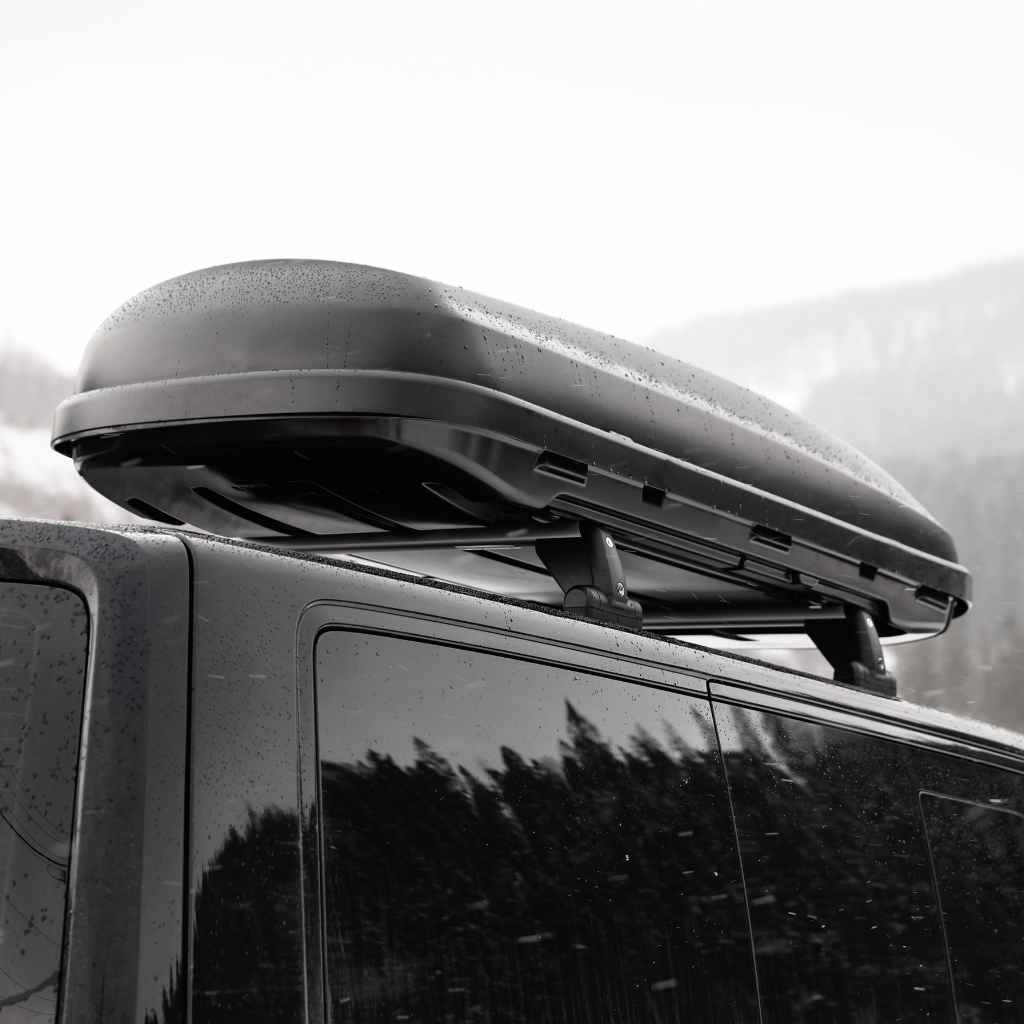
Clip-on carriers come in a few main styles. There are the hard-shell boxes. These look like traditional cargo boxes.
They offer great protection from the weather. They are also very durable. Then there are the soft-shell carriers.
These are made of fabric. They are lighter and often fold up smaller. They are great for soft items like sleeping bags or clothes.
Some are bags that strap onto a frame. Others are simple fabric shells. Each type has its own strengths and weaknesses.
Choosing depends on what you plan to carry and how much protection you need.
Another key difference is how they mount. Some clip onto side rails. Others might grip the door frame.
Some might even clip under the door edge. The best ones use a system that’s both strong and easy to use. They are designed to lock in place.
This stops them from shifting while you drive. Always check the manufacturer’s specs. Make sure the carrier is rated for your SUV model.
Safety is the most important thing. You want a carrier that feels solid and dependable on the road.
Assessing Your SUV’s Roof
Before you buy any carrier, look closely at your SUV’s roof. Most modern SUVs have what’s called factory-installed side rails. These are usually raised bars.
They run from the front to the back of the roof. Many clip-on carriers are designed just for these. They have clamps that grab onto these rails.
Some SUVs have “flush” rails. These are rails that sit very close to the roof. They have a narrow gap underneath.
Clip-on carriers need to be able to fit under these. You might also have a bare roof. Some carriers can attach directly to the door frame.
They have clips that go over the top edge of the door.
Understanding your roof type is key. It tells you what kind of carrier will work. If you’re unsure, check your SUV’s owner’s manual.
You can also look up your car model online. Many sites show pictures of different roof types. Knowing this detail means you won’t waste time looking at carriers that won’t fit.
It’s a small step that makes a big difference in your shopping experience. It ensures you find a carrier that’s a perfect match for your vehicle.
Roof Rail Types Explained
Raised Side Rails: Bars that stand off the roof. Most common. Easy for clip-on carriers.
Flush Side Rails: Bars sit flat on the roof. Narrow gap. Needs specific clips.
Bare Roof: No rails. Carrier clips to door frames.
Fixed Points: Pre-set mounting points under trim. Less common for clip-on.
Key Features to Look For
When you’re looking at clip type carriers, several features matter. First is the mounting system itself. How secure are the clips?
Do they have a locking mechanism? This ensures they won’t pop open. Next, consider the material.
For hard shells, look for strong, UV-resistant plastic. For soft shells, check for water-resistant fabrics. Ripstop nylon is a good sign.
Also, think about capacity. How much weight and volume can it hold? Check the cubic feet or liter capacity.
Also, note the weight limit. Don’t overload your SUV!
Aerodynamics are important too. A well-designed carrier will cause less wind noise. It can also help with fuel efficiency a bit.
Some have a sleek, low profile. Others are boxier. Think about ease of opening and closing.
Does it have a sturdy lid? Are the latches easy to use? Some even have a dual-side opening feature.
This makes loading and unloading much easier, especially from the passenger side. Lastly, consider security. Does it come with locks for the latches?
This adds an extra layer of protection for your belongings.
Popular Clip-On Carrier Brands and Models
Several brands are known for making good quality clip-on carriers. Thule is a big name. They offer various rooftop cargo boxes.
Many are designed to fit various roof rack systems, including clip-on styles. Yakima is another popular choice. They have a range of cargo carriers and bags.
Both brands are known for durability and good design. Sometimes, they can be a bit pricier. But they often last a long time.
You can also find good options from brands like SportRack or Apex. These might be more budget-friendly. They still offer solid performance.
Sometimes, you might find less common brands on sites like Amazon or online outdoor retailers. It’s worth reading reviews carefully for these. Look for models that specifically mention easy installation and secure clip mounting.
Brands like Rola also make popular crossbars and carriers. Always check the product description. It should clearly state if the carrier is designed for clip-on mounting.
Or if it needs a specific type of roof rack.
Top Carrier Features to Prioritize
Secure Locking Clips: Essential for safety.
Durable Materials: UV-resistant plastic or water-repellent fabric.
Generous Capacity: Enough space for your gear.
Aerodynamic Design: Reduces wind noise and drag.
Easy Access: Simple opening and closing mechanisms.
Installation Steps: A General Guide
Installing a clip-on carrier is usually a straightforward process. First, unpack your carrier. Make sure you have all the parts.
Read the instruction manual carefully. It’s tailored for your specific model.
1. Position the Carrier: Place the empty carrier on your SUV’s roof. Center it side-to-side.
Make sure it’s also balanced front-to-back. Leave enough space at the back for the rear hatch to open. Also, ensure it doesn’t interfere with the windshield.
2. Adjust the Clips: Locate the mounting clips. Most carriers have a system to adjust their width.
Slide them outwards or inwards to match the distance between your roof rails. For door-frame clips, position them so they hook securely over the top edge of the door.
3. Attach the Clips: Bring each clip down onto the roof rail or door frame. Tighten the screws or knobs on each clip.
Do this gradually and evenly. Don’t overtighten one side. Go around the carrier, tightening each clip a little at a time.
This ensures even pressure.
4. Check for Security: Once all clips are snug, give the carrier a good shake. It should feel solid.
There should be no significant movement. Open and close the carrier. Make sure the doors don’t hit it.
You might need to adjust its position slightly. Some carriers come with straps that go inside the vehicle for extra security. Use these if they are provided.
5. Load Your Gear: Now you can start loading your items. Distribute weight evenly.
Don’t overload the carrier. Always check the weight limit. Secure loose items inside the carrier so they don’t shift.
What to Pack and How to Load It
When packing your clip-on carrier, think about what you’re bringing. Lighter, bulkier items like sleeping bags, tents, and pillows can go at the bottom. This helps keep the weight low.
Heavier items, like coolers or toolboxes, should be placed towards the center of the carrier. Distribute the weight evenly. This is crucial for safe driving.
Avoid packing everything to one side.
Use soft bags for clothes or gear. This makes them easy to fit. Hard suitcases can work too, but they take up more space.
You can use blankets or towels to fill empty spots. This stops things from moving around. It also adds a bit of padding.
If you’re carrying sports equipment, like skis or surfboards, make sure they are secured. Some carriers have specific tie-down points inside. Always use them.
Tip: It’s often easier to load and unload a carrier when it’s empty. So, pack and unpack on the ground. This makes the job less of a strain.
Also, consider the weather. If rain is expected, use waterproof bags or containers for anything that can’t get wet.
Loading Best Practices
Bottom Layer: Light, bulky items (sleeping bags, tents).
Middle Layer: Heavier items, centered for balance.
Fill Gaps: Use soft items or blankets to stop shifting.
Secure Everything: Use internal straps if available.
Weight Limit: Never exceed the carrier’s or your SUV’s limit.
Real-World Scenarios and Use Cases
Imagine a family heading to a national park for a week. They have two kids, camping gear for four, and groceries. The trunk is packed.
The back seat is full. A clip-on carrier becomes essential. It holds their sleeping bags, tents, and extra blankets.
This frees up space inside the car for comfort. The kids can stretch out. Everyone is happier on the long drive.
Consider a group of friends going on a ski trip. They have skis, snowboards, boots, and warm clothing. These bulky items don’t fit well inside the cabin.
A hard-shell clip-on carrier is perfect. It keeps their gear dry and protected from the elements. It also prevents damage to the car’s interior.
The aerodynamic shape helps reduce drag on snowy roads. It’s a practical solution for winter sports enthusiasts.
Think about a couple moving across the country. They have a lot of belongings. Their SUV is their primary transport.
A large clip-on carrier can take extra luggage. This includes clothes, books, and personal items. It means fewer trips or less stress about fitting everything.
It’s a way to maximize the carrying capacity of their vehicle. This makes a big move more manageable. The carrier is then removed and stored until needed again.
When Is a Clip-On Carrier the Right Choice?
A clip-on carrier is a fantastic choice if you need extra storage space sometimes. Maybe for vacations, holidays, or moving large items. If you don’t want to install a permanent roof rack, this is your answer.
It’s also great for people who use their SUV for different purposes. Some days it’s for commuting. Other days it’s for adventure travel.
This flexibility is key.
They are also a good option if you’re on a tighter budget. Compared to full roof rack systems, clip-on carriers are often more affordable. They are easy to install and remove.
This means you don’t need to pay for professional installation. It’s a DIY solution. If your SUV has factory-installed rails, most clip-on carriers will work well.
Even without rails, many models can attach to your door frames. This makes them a versatile choice.
Clip-On Carrier: Ideal For.
Occasional Use: When you need extra space for trips.
Budget Shoppers: More affordable than permanent racks.
DIY Installers: Easy to put on and take off.
Versatile Needs: Different uses for your SUV.
No Permanent Mods: Want to keep your SUV stock.
When Might a Different Solution Be Better?
While clip-on carriers are great, they aren’t for everyone. If you need to carry very heavy or awkward items regularly, like kayaks or large lumber, a dedicated rack system might be better. These are built for extreme loads and often have specific attachments.
Also, if you want maximum security for valuable items, a bolted-down system might feel more reassuring. Some clip-on carriers have locks, but a truly permanent rack offers a higher level of theft deterrence.
If you plan to leave a cargo solution on your SUV all the time, a permanent rack system is likely more robust. Clip-on carriers are designed for removal. Leaving them on constantly might cause wear on your car’s paint or trim.
It can also affect aerodynamics more noticeably. For frequent, heavy-duty use, investing in a more permanent solution is usually wise. Consider the long-term needs of your vehicle and your lifestyle.
Safety Checks and Maintenance
Safety is paramount when using any roof-top carrier. Always double-check the installation before driving. After you’ve attached the carrier, give it a firm shake.
Ensure it doesn’t wobble or move. Check the clips and mounting points. Make sure they are still tight.
Listen for any unusual noises while driving, especially at higher speeds. This could indicate a loose part.
Regularly inspect the carrier and its clips. Look for any signs of wear and tear. This includes cracks in the plastic, frayed straps, or rusted metal parts.
Clean the carrier periodically. This removes dirt and debris. It also helps you spot any damage.
If you notice any issues, repair or replace the affected part immediately. Don’t use a damaged carrier. It could be dangerous.
Proper maintenance ensures your carrier remains safe and functional for many trips to come.
Essential Safety Checks
Pre-Drive Shake Test: Ensure carrier is firmly attached.
Listen for Noises: Unusual sounds while driving signal a problem.
Regular Inspections: Check for cracks, rust, or fraying.
Tighten Fasteners: Periodically re-tighten clips and bolts.
Cleanliness: Keep the carrier clean to spot damage.
Impact on Fuel Economy
It’s important to know that any cargo carrier on your roof will affect your SUV’s fuel economy. Adding extra weight increases the load. The carrier itself also creates drag.
This is especially true for larger, boxier designs. Wind resistance forces your engine to work harder. This uses more fuel.
Soft-shell carriers tend to be lighter and more aerodynamic. They generally have less impact than hard-shell boxes. A well-designed hard-shell box with a sleek profile will also minimize the effect.
The amount of fuel economy loss varies. It can range from a few percent to over 15%. This depends on the carrier’s size and shape.
It also depends on your driving speed. Driving slower, especially on highways, can help reduce the impact. Keeping the carrier empty when not in use also saves fuel.
Real User Stories and Insights
I spoke with a fellow traveler, Sarah, who uses a clip-on carrier for her family camping trips. “We have an older model SUV without rails,” she told me. “We were looking for an affordable way to carry our gear.
We found a soft-shell carrier that clips onto the doors. It’s been a lifesaver! We can fit all our camping essentials.
The kids don’t have to sit with bags at their feet anymore. Installation takes about 15 minutes. We usually check the clips midway through the trip, just to be safe.
It’s made our adventures so much more comfortable.”
Another user, Mark, who’s an avid cyclist, shared his experience. “I needed to transport my bike for a race, but I didn’t want to drill holes for a permanent rack. I found a carrier that straps onto the roof rails and has a solid frame.
It’s designed to hold a bike rack securely. It was easy to install and felt really sturdy. I drove for hours on the highway with no issues.
It’s a great solution for when you need specialized transport without permanent changes.”
Frequently Asked Questions
Can I use a clip-on carrier on any SUV?
Most clip-on carriers are designed to fit a wide range of SUVs, especially those with factory-installed roof rails. Some models can also attach to SUVs with bare roofs by clipping onto the door frames. Always check the product description and your SUV’s specifications to ensure compatibility.
Are clip-on carriers secure enough for highway speeds?
Yes, when installed correctly according to the manufacturer’s instructions, most reputable clip-on carriers are secure enough for highway speeds. It’s crucial to perform a thorough shake test before driving and to re-check the mounting points periodically, especially on long journeys.
Do clip-on carriers damage my SUV’s paint?
Some clip-on carriers can potentially cause minor cosmetic marks or scratches on your SUV’s paint if not installed carefully or if dirt gets trapped between the clips and the paint. Using a soft cloth or rubber padding where the clips make contact can help prevent this. It’s also wise to remove the carrier periodically and clean both the carrier’s contact points and your car’s roof.
How much weight can a clip-on carrier hold?
The weight capacity varies significantly by model. Hard-shell carriers often hold more than soft-shell ones. Always check the product specifications for the maximum weight limit.
You also need to consider your SUV’s maximum roof load capacity. Never exceed either limit.
Are soft-shell carriers waterproof?
Many soft-shell carriers are water-resistant, meaning they can handle light rain or splashes. However, they are generally not fully waterproof. For items that must stay completely dry, using additional waterproof bags or containers inside the soft-shell carrier is recommended.
Always check the product’s specific water resistance rating.
Do I need any special tools to install a clip-on carrier?
Most clip-on carriers are designed for tool-free installation. They typically use hand-tightened knobs or screws for adjustment and securing the clips. Some may include a basic wrench for initial setup, but generally, no specialized tools are required.
Always refer to the included manual.
Final Thoughts on Choosing Your Carrier
Finding the right clip type overhead carrier is all about matching it to your needs. Consider your SUV’s roof type. Think about what you’ll be carrying.
Prioritize safety and ease of use. Reading reviews and understanding the features will help you make a smart choice. With the right carrier, your SUV can become your ultimate adventure companion.
You’ll have the space you need to explore more. Happy travels!
Products related to this article
Sponsored / affiliate links. As an Amazon Associate I earn from qualifying purchases. I may earn additional commission from eligible campaigns.