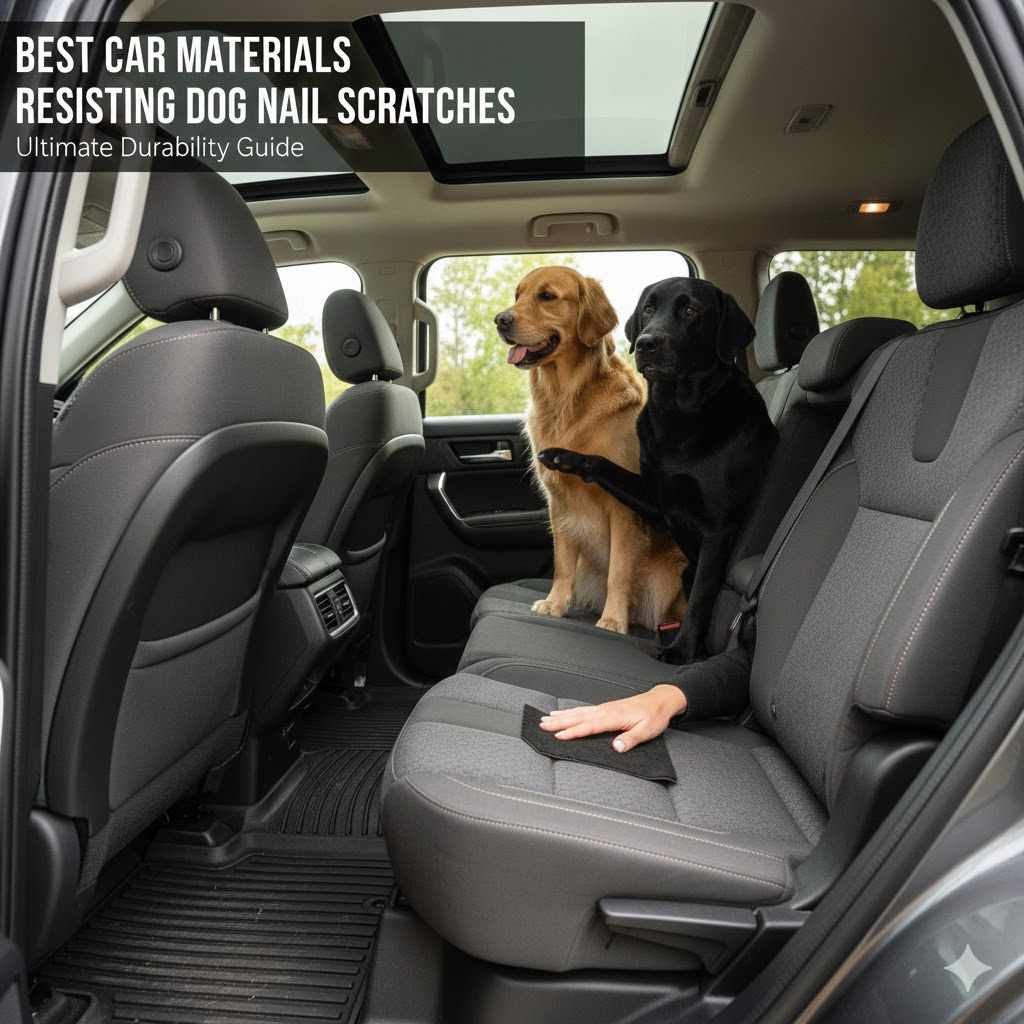
Best Car Materials Resisting Dog Nail Scratches
Worrying about your dog’s nails ruining your car seats is a common concern for pet owners. It can feel tricky to know which car interiors can handle a furry friend’s enthusiasm. You might wonder if any material is truly tough enough.
This guide makes it simple. We’ll walk through the Best Car Materials That Resist Dog Nail Scratches so you can travel with peace of mind. Get ready to discover the easiest way to protect your vehicle.
Choosing Durable Car Interior Materials For Dogs
When you have a dog, keeping your car looking its best can be a challenge. Sharp claws can leave unsightly marks on many surfaces. This section looks at why some materials hold up better than others against dog nails.
We will explore the science behind durable fabrics and surfaces. You will learn what to look for to prevent scratches.
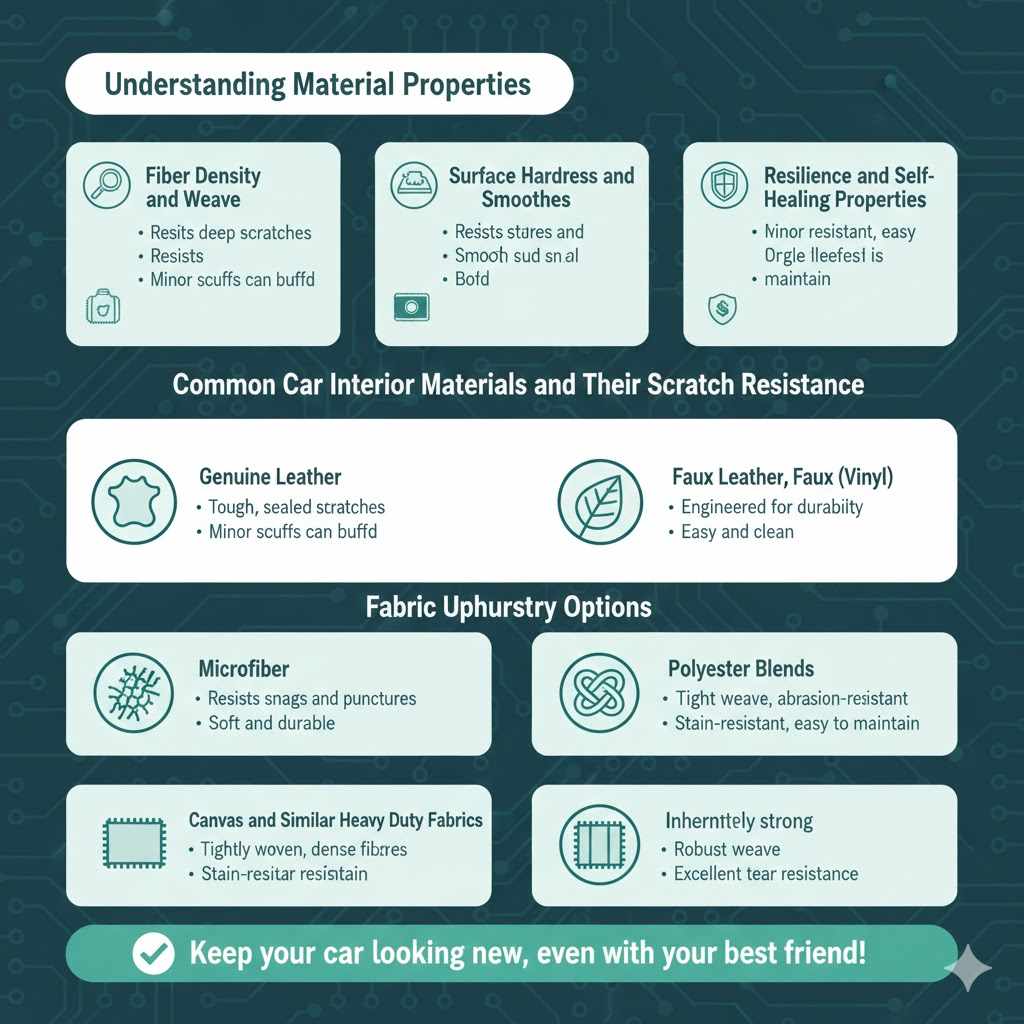
Understanding Material Properties
Materials have different strengths. Think about how a sturdy rock resists scratching, while soft clay does not. In car interiors, this comes down to how the fibers are woven or how dense the material is.
- Fiber Density and Weave
Dense fibers are packed closely together. This makes them harder for nails to pierce or snag. A tight weave means fewer gaps for claws to catch on.Imagine trying to rip a tightly knitted sweater versus a loose, chunky knit. The tightly knit one is much harder to pull apart. This principle applies directly to car upholstery.Materials like tightly woven polyester or certain microfibers perform well because their structure resists abrasion. They offer a smooth surface that deflects rather than catches claws. This is a key factor for longevity and maintaining a clean look.
- Surface Hardness and Smoothness
Some materials have naturally hard surfaces. Others are treated to be smoother. A smoother surface means less friction and fewer points for a dog’s nail to grip and scratch.Think of glass versus rough wood. Glass is very smooth and hard, making it difficult to scratch with just a nail. Rough wood, however, can easily be marred.In cars, this means looking for materials that are not easily gouged. Some plastics are formulated to be more scratch-resistant. Similarly, certain treated leathers can also offer good protection, provided they are not too soft.The goal is to make it difficult for claws to find purchase and cause damage.
- Resilience and Self-Healing Properties
Some advanced materials can actually resist minor damage or even “heal” themselves. This means small scratches might disappear over time or with gentle rubbing. While not entirely scratch-proof, this resilience adds another layer of protection.Think of a material that, if lightly scuffed, can smooth itself out. This is similar to how some modern phone screens are designed to resist minor blemishes. For car interiors, this can mean surfaces that bounce back from light contact.It’s like having a material that can subtly repair itself from everyday wear and tear. This is a valuable trait when you have pets regularly using the car.
Common Car Interior Materials and Their Scratch Resistance
Different car materials offer varying levels of protection. Understanding these differences helps you make informed choices.
Leather vs. Faux Leather
Leather can be tricky. High-quality, treated leather might hold up better than you think. However, softer, unprotected leathers can scratch easily.
- Genuine Leather
Genuine leather, especially if it has a tougher, sealed finish, can be quite resistant to dog nail scratches. The density of the hide and the protective topcoat make it difficult for claws to penetrate deeply. However, the type of tanning and finishing process significantly impacts its durability.For instance, a heavily pigmented and coated automotive leather will fare much better than a soft, aniline-dyed leather that is more prone to showing every mark. While it won’t be entirely immune, good quality leather can withstand moderate paw activity. Many owners find that minor scuffs can often be buffed out, especially on darker finishes.This makes it a popular choice for those who want a luxurious feel and decent protection.
- Faux Leather (Vinyl)
Faux leather, often made from vinyl or polyurethane, can be surprisingly durable against scratches. Many vinyl formulations are designed for high traffic and wear resistance. They often have a consistent, smooth surface that is hard for nails to snag on.The key is the quality of the vinyl. Thicker, industrial-grade vinyl used in commercial vehicles or some budget car models can be extremely robust. It’s less likely to tear or puncture than softer materials.Some people prefer faux leather because it’s also easier to clean, which is a bonus with pets. For resisting dog nails specifically, a well-made vinyl can often outperform lower-grade genuine leather.
Fabric Upholstery Options
Fabrics offer a wide range of durability. Some are tough, while others are quite delicate.
- Microfiber
Microfiber upholstery is often a top pick for dog owners. Its tightly woven, fine fibers create a dense surface that is difficult for claws to snag. This density makes it naturally resistant to punctures and tears.Think of a very fine, plush towel; the fibers are so small and packed that it feels smooth and durable. Microfiber also has a bit of give, which can help absorb some impact. For dog nail scratches, it’s one of the best fabric options because it’s less likely to fray or show individual snags compared to more loosely woven fabrics.Cleaning is usually straightforward too, as most spills and dirt can be wiped away easily.
- Polyester Blends
Polyester blends, especially those with a high thread count and a tight weave, can offer good scratch resistance. These fabrics are synthetic and engineered for durability. A tight weave means the threads are packed closely, leaving less space for claws to catch and pull.This makes the material more resilient to abrasion. Unlike natural fibers that might fray easily, polyester blends tend to hold their structure. When choosing polyester, look for descriptions that emphasize durability or a tight weave.It’s a practical choice for many car interiors because it’s also often stain-resistant and easy to maintain. This combination of toughness and ease of care makes it a solid option for pet owners.
- Canvas and Similar Heavy Duty Fabrics
Heavy-duty fabrics like canvas are inherently strong and resistant to tearing and scratching. Their robust weave provides a very durable surface. While not typically found in luxury vehicles, they are common in utility vehicles or as seat covers designed for rugged use.The thick threads and tight construction make it very hard for dog nails to get a grip and cause damage. These materials are built to withstand harsh conditions, so a dog’s claws are usually no match for them. They offer excellent protection, though they might feel less soft than other options.For pure scratch resistance, these are among the best.
Protective Measures For Your Car Interior
Even with the best materials, extra steps can keep your car pristine. These are simple additions that make a big difference.
Seat Covers And Mats
Seat covers and mats are like a shield for your original upholstery. They take the brunt of any wear and tear.
- Types of Seat Covers
When choosing seat covers, think about what kind of protection you need. Some are made of thick, waterproof materials like heavy-duty polyester or vinyl. Others might have a padded layer for extra comfort and protection.For resisting dog nails, look for covers made from durable, tightly woven synthetic fabrics. These are less likely to snag and tear than cheaper, thinner options. Many come in various designs to fit different car seats.Some are even designed to be easily removed and washed, which is a huge plus for keeping your car clean after a doggy adventure. Consider full coverage for maximum protection.
- Car Mats For Floor Protection
The floor of your car can also get scratched by dog nails, especially if your dog is in the cargo area or on the floor. Heavy-duty rubber or all-weather floor mats are excellent for this. They are typically made from durable materials that can withstand a lot of abuse.Their raised edges also help contain any dirt or water your dog might track in. This keeps the original carpet underneath safe from damage. They are easy to clean, usually just needing a quick hose down.For dog owners, investing in good quality floor mats is a no-brainer for protecting the car’s interior from paws and dirt.
Behavioral Training And Nail Care
How your dog behaves and how you care for their nails also play a big role. A well-behaved dog is easier on your car.
- Teaching Your Dog To Be Calm
Training your dog to be calm and still in the car is crucial. If your dog is constantly moving around, jumping, or pacing, their nails are more likely to come into contact with the upholstery. Teaching commands like “stay” or “quiet” can be very helpful.Positive reinforcement methods work best. Reward your dog for calm behavior while in the car. Start with short trips and gradually increase the duration.This helps them associate the car with relaxation. A calm dog means fewer accidental scratches and a more pleasant ride for everyone.
- Regular Nail Trimming
Keeping your dog’s nails trimmed regularly is one of the simplest yet most effective ways to prevent scratches. Long, sharp nails are much more likely to snag on fabric and cause damage. Aim to trim your dog’s nails every 2-4 weeks, depending on how quickly they grow.You can do this yourself if you are comfortable, or have a groomer or vet do it for you. If you trim them yourself, make sure you have the right tools and know where to avoid cutting to prevent hurting your dog. Smooth, rounded nail tips will significantly reduce the risk of them digging into your car’s interior.
Comparing Durable Car Materials For Pet Owners
When choosing a car, or even just looking at seat covers, comparing different materials side-by-side can be helpful. This table shows how some common materials stack up.
| Material | Dog Nail Scratch Resistance | Comfort | Ease of Cleaning |
|---|---|---|---|
| High-Quality Leather | Good (with sealed finish) | Excellent | Good |
| Durable Vinyl (Faux Leather) | Very Good | Fair to Good | Excellent |
| Microfiber | Very Good | Very Good | Good |
| Polyester Blends (tight weave) | Good | Good | Very Good |
| Canvas | Excellent | Fair | Good |
| Soft, Unprotected Leather | Poor | Excellent | Fair |
| Standard Cloth Fabrics | Fair | Good | Fair |
Real-Life Scenarios And Results
Seeing how these materials perform in everyday situations can be insightful.
- The Commuting Companion
Sarah has a Golden Retriever named Max. She was worried about his paws scratching her new car’s cloth seats. She opted for a car with tightly woven polyester blend seats.She also invested in a durable, waterproof seat cover for the back seat. After six months of daily commutes with Max, the original seats underneath the cover show no signs of scratches. The cover itself has minor scuffs, but it’s easily wiped clean.Max is a calm passenger, and his nails are kept trimmed. This combination of material and protective measures worked perfectly.
- The Adventure Seeker
John often takes his energetic Border Collie, Luna, on hiking trips. His car has vinyl seats. Luna loves to jump in and out, and sometimes she’s a bit muddy.The vinyl has held up exceptionally well. Even when Luna accidentally scrapes her nails while getting settled, the vinyl doesn’t show deep scratches. John occasionally uses a damp cloth to wipe away any mud or dirt.The vinyl’s smooth, hard surface makes it easy to maintain and resistant to Luna’s active nature and her nails.
Sample Scenarios For Material Choice
Here are a couple of situations to help you decide.
Scenario 1: The Frequent Traveler
If you travel often with your dog and prioritize a luxurious feel, consider a car with high-quality, sealed leather seats. Pair this with durable, fitted seat covers made from a tough polyester or microfiber. Regular nail trims for your dog are essential.This setup offers a good balance of aesthetics and protection. You get the premium look and feel of leather while the covers provide the primary defense against scratches.
Scenario 2: The Outdoor EnthusiastFor owners who frequently take their dogs on adventures, especially to muddy or rough environments, durable vinyl or canvas-like interiors are ideal. These materials are easy to clean and very resistant to scratches and tears. You might also consider full-coverage, heavy-duty seat protectors that go over the entire seat.This approach focuses on maximum durability and ease of cleaning, ensuring your car’s interior can handle any mess or rough play.
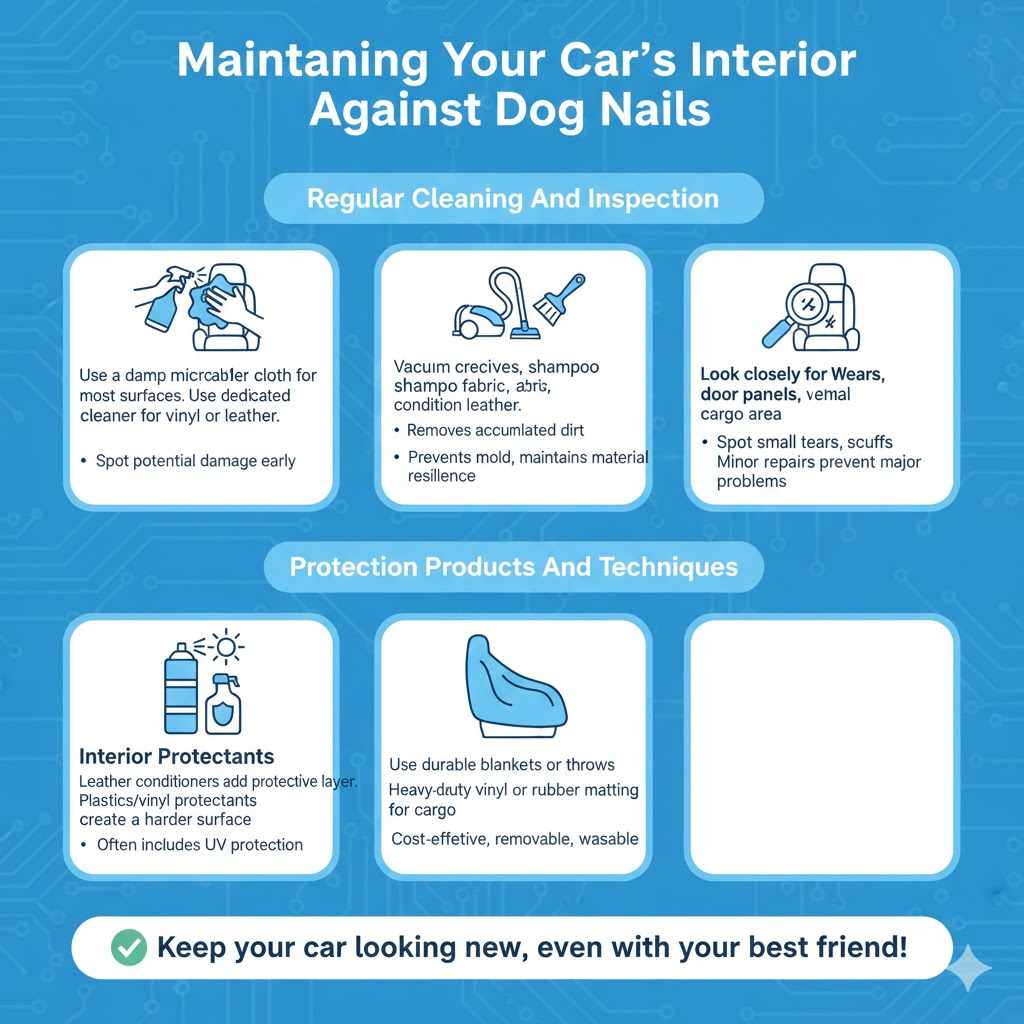
Maintaining Your Car’s Interior Against Dog Nails
Even with tough materials, a little ongoing care keeps your car looking great. This section offers practical tips for long-term protection.
Regular Cleaning And Inspection
Keeping your car clean and checking for wear is key. It helps catch problems early.
- Daily Wipe-Downs
After each trip with your dog, a quick wipe-down can prevent dirt and debris from embedding into the material. Use a damp microfiber cloth for most surfaces. For vinyl or leather, you can use a dedicated interior cleaner designed for automotive use.This simple habit prevents minor grime from becoming a bigger issue. It also allows you to spot any potential scratches or damage early on. A clean interior is not only more pleasant but also easier to protect effectively.
- Periodic Deep Cleaning
Every few months, or as needed, give your car’s interior a more thorough cleaning. This might involve vacuuming crevices, shampooing fabric seats, or conditioning leather. A deep clean removes accumulated dirt and grime that could cause abrasion over time.It also helps maintain the material’s condition, making it more resilient. For fabrics, ensure they dry completely to prevent mold or mildew. For leather, conditioning keeps it supple and less prone to cracking, which can indirectly affect its ability to resist scratches.
- Inspection for Wear
While cleaning, take a moment to inspect your car’s interior for any signs of wear or damage. Look closely at the seats, door panels, and cargo area. Even with scratch-resistant materials, constant friction or sharp impacts can cause issues over time.If you notice any small tears, scuffs, or areas that look worn, address them promptly. Minor repairs can often prevent them from becoming major problems. For instance, a tiny snag in fabric might be repairable with a special thread, whereas letting it go could lead to a large tear.
Protection Products And Techniques
There are specific products that can add an extra layer of defense.
- Interior Protectants
You can find various interior protectants that enhance the durability of your car’s surfaces. For leather, conditioners not only keep it soft but also add a protective layer that can help resist scratches. For plastics and vinyl, there are protectants that can create a smoother, harder surface.These products often have UV protection too, which prevents fading. When using these, always follow the manufacturer’s instructions. A good protectant can make your car’s interior more resistant to everyday wear and tear, including light scratches from pet paws.
- DIY Seat Covers And Solutions
Beyond commercial seat covers, you can create your own DIY solutions. Large, durable blankets or throws can be strategically placed over seats. For the cargo area, a piece of heavy-duty vinyl flooring or a custom-cut piece of rubber matting can provide excellent protection.These DIY options are often cost-effective and can be easily removed or washed. The key is to use materials that are thick, durable, and resistant to tearing. This approach allows you to customize protection based on your specific needs and budget.
Frequently Asked Questions
Question: What is the absolute best material for a car interior if I have dogs
Answer: For the Best Car Materials That Resist Dog Nail Scratches, durable vinyl and tightly woven microfiber are top contenders. High-quality, sealed leather can also work well, especially when combined with protective seat covers. These materials offer a good balance of scratch resistance and ease of cleaning.
Question: How can I stop my dog from scratching the car door panels
Answer: To prevent scratches on car door panels, consider using dog seat covers that extend to the doors or applying clear protective films specifically designed for car interiors. Keeping your dog’s nails trimmed is also very important. Some dogs may also need training to avoid scratching at doors.
Question: Are fabric seats or leather seats better for dogs
Answer: Durable fabric options like tightly woven microfiber or polyester blends tend to be more resistant to snagging and tearing from dog nails than softer, unprotected leather. However, high-quality, treated leather can also be quite resistant and is easier to clean than fabric. Ultimately, the specific type and treatment of the material matter most.
Question: Do dog car seat covers actually work
Answer: Yes, dog car seat covers work very well, especially if you choose ones made from durable, scratch-resistant materials like heavy-duty polyester or vinyl. They act as a protective layer, taking the brunt of the wear and tear from your dog’s nails and keeping your original car upholstery in better condition.
Question: Should I worry about minor scratches on my car seats
Answer: Minor scratches can detract from the appearance of your car’s interior and, if left unaddressed, can sometimes worsen over time. While some materials are more resilient, taking preventative measures like using seat covers and keeping nails trimmed is the best way to avoid them altogether and maintain your car’s condition.
Conclusion
Choosing the Best Car Materials That Resist Dog Nail Scratches involves looking at durable options like vinyl and microfiber. Combining these materials with protective seat covers and regular nail trims for your dog provides excellent defense. Your car’s interior can stay looking great, even with furry passengers.
Enjoy worry-free travel with your canine companions.