Best Car Seat Gap Fillers for Drops (2026): we compared
The best car seat gap filler is the one sized to your gap: for very narrow gaps, use a slim foam wedge; for mid-size gaps, use a firm universal insert; for wider gaps or a moving seat, buy a rigid, vehicle-specific blocker. Pick wrong and phones, cards, and keys still vanish into the crack, while loose fillers jam seat travel or trigger rattles. This guide shortlists the best options and shows how to match width, console shape, and seat movement before you buy.
Quick comparison
| Product | Badge | Best for | Price | ||
|---|---|---|---|---|---|
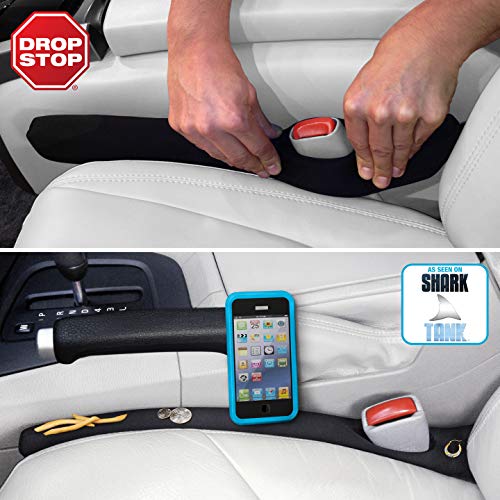 |
Drop Stop – 2 Original Car Seat Gap Fillers (Shark Tank) +Drop Stop | Our pick | 2 gap fillers, dash pad, light | $24.99
Price as of 25 Sep 2026
|
View |
 |
Universal Fit Premium Leather Car Seat Gap FillerOwntow | Upgrade pick | Leather organizer with card slots | $39.90
Price as of 25 Sep 2026
|
View |
 |
Hiseanllo Car Seat Gap Filler 2 Pack, Universal Fit PUHiseanllo | Budget pick | PU leather 2-pack, simple install | $9.99
Price as of 25 Sep 2026
|
View |
 |
Givifive Car Seat Gap Filler Organizer Soft Foam 3IN1Givifive | Also great | 3-in-1 organizer with hooks | $19.68
Price as of 25 Sep 2026
|
View |
Start with gap width, then check console shape and seat travel. Narrow gaps usually favor slim foam or compressible neoprene, while wider gaps and tall consoles need a firmer sidewall or a vehicle-specific blocker that stays put under braking.
The common mistake is buying on appearance alone. A filler that looks tidy in a photoshoot can still leave a thin slot, block a power-seat switch, or slide as soon as the seat moves forward.
How we chose
Fit came first. That meant looking at gap width ranges, console profiles, and how each design handles fore-aft seat travel without binding on controls or seatbelt hardware.
Retention mattered next. A good gap filler needs enough grip to resist cornering and hard stops, but it also has to come out easily for cleaning.
Cleaning and daily use mattered too. Foam hides crumbs well enough, but textured covers and storage cutouts can trap debris. Materials, wipeability, and access around switches separated the useful designs from the annoying ones.

Drop Stop: best for most daily drivers
Drop Stop is the safest general pick for drivers who want a gap filler that moves with the seat instead of fighting it. Based on the spec sheet and owner feedback, the seat-belt anchor style is the main draw, because it helps the filler stay aligned as the seat slides. The included dash pad and light add value if the car’s console is open enough to use them.
It suits a lot of sedans, SUVs, and trucks with a moderate gap and regular seat adjustment. The neoprene casing should hold shape better than very soft foam, and that matters when the gap changes slightly across the seat track.
The drawback is fit sensitivity near tight consoles and bulky belt stalks. If the seatbelt buckle or console edge leaves very little clearance, any anchor-style filler can feel awkward, and the extra accessories are not the reason to buy it.
Owntow premium leather organizer: best for narrow, neat interiors
Owntow is the better choice when the gap is narrow and the driver wants a cleaner, more finished look. Its listed fit range of 0.2 to 1.2 inches makes it a narrower-gap option, and the card slots help keep parking cards or toll items from dropping in the first place.
This is the product for leather interiors, but not because leather seats need a special filler. The fit mechanic matters more than the seat trim: if the gap is small and the console profile is friendly, the leather finish can blend in better than foam or plain neoprene.
The downside is that a storage-heavy design can be less forgiving when the seat moves a lot. If your vehicle has tall bolsters, a stepped console, or a power seat that travels often, check whether the organizer steals legroom or rubs a switch.
Hiseanllo PU leather 2-pack: best budget option
Hiseanllo is the low-cost pick for drivers who want a basic blocker without spending much. The soft sponge interior should make installation easier, and the PU leather outer layer is simple to wipe down after crumbs or a drink spill.
It fits the common use case: stop coins, keys, and snack wrappers from slipping into an ordinary gap. For compact cars or second vehicles, that may be enough, especially when the console side is fairly straight and the seat does not sweep through a huge travel range.
The tradeoff is predictability. Softer fillers can compress too much in wider gaps, and once that happens, small items can still slide past the top edge or under the wedge if the seat shifts.
Givifive soft foam 3-in-1: best for storage and easy cleaning
Givifive fits drivers who want a little more function than a plain blocker. The 3-in-1 layout, hook, and flip design give it more utility than a basic wedge, and the foam body is easier to place in a mixed-width gap than a hard shell on many cars.
It works best in vehicles where the console and seat shape leave enough room for the extra features. If the gap is medium-sized and the driver wants a place for odds and ends, it can reduce clutter as well as dropped items.
The drawback is that add-ons can create new failure points. Hooks and storage cutouts may snag debris, and the more complex shape is not ideal if you want the simplest possible insert to wipe clean.
Which one should you buy
Choose Drop Stop if you want the best all-around fit for a daily driver and your gap sits in the middle range. Its seat-belt anchor style is the strongest bet when the seat moves often and the console shape is not unusually tight.
Choose Owntow if your gap is narrow, your interior is tidy, and you want a more finished look with card storage. Choose Hiseanllo if price matters most and the gap is modest. Choose Givifive if you want storage features and the gap is not so tight that the extra shape gets in the way.
For trucks and large SUVs with taller consoles, a firmer insert usually beats a soft wedge. For compact cars with very narrow gaps, slim foam or low-profile leatherette tends to fit better. If the seat moves a lot, avoid anything that presses hard against the track or recline lever.
What is the best car seat gap filler for stopping drops?
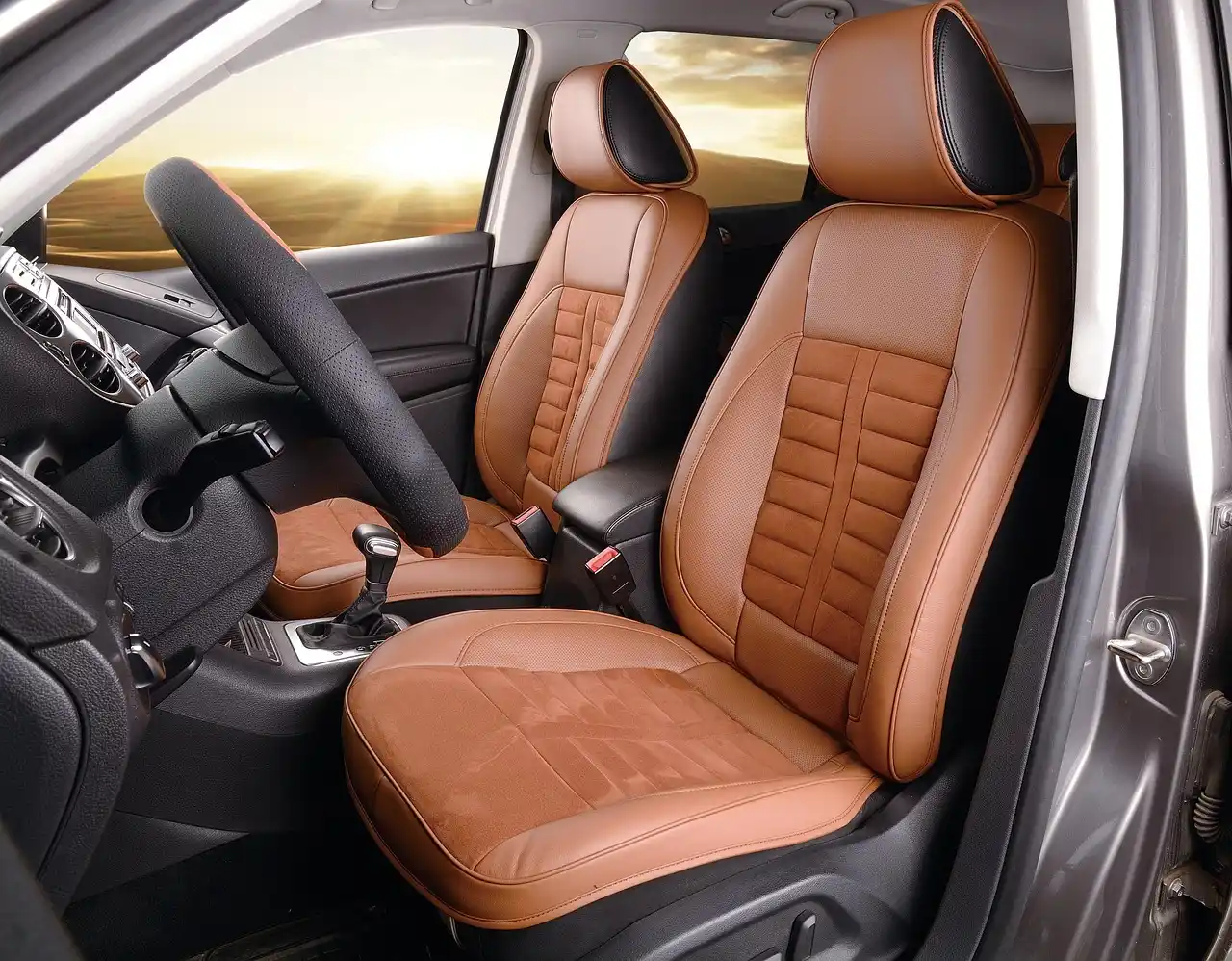
The best car seat gap filler is the one that actually matches the space in your car. A slim foam wedge works for very small gaps, a firmer universal insert fits many mid-size gaps, and a rigid vehicle-specific blocker is better when the gap is wide or the seat moves a lot.
The real job is simple: stop phones, keys, cards, and snacks from dropping into the space between the seat and center console. A good fit also reduces distractions, because the driver is less likely to reach down while driving.
How do I measure the gap between my car seat and console?
Measure the gap at both the widest and narrowest points with the seat in the position you actually drive in. Use a ruler or tape measure and check from the top edge near the cushion down to the lower area where small items usually slip through.
Also slide the seat forward and back before buying. If the gap changes a lot across the track, use the largest opening as the buying reference and confirm the filler will not jam against switches, trim, or the seatbelt buckle.
Do seat gap fillers work with leather seats and console gaps?
Yes, as long as the fit is right. Leather seats do not change the basic physics here; the filler still needs the correct width, enough side support, and a console shape that gives it something to brace against without slipping.
Leatherette and PU covers often look better against leather interiors, but the important part is contact and retention. If the filler is too soft for the gap, or the console is rounded and slick, it can slide regardless of seat material.
Will a seat gap filler stop keys and cards from falling between seats?
Usually, yes. A properly sized filler blocks the opening where keys, cards, coins, and snack crumbs fall through, and some designs add card slots so those items never reach the gap in the first place. The catch is fit: a loose insert still leaves a route underneath.
Flat cards are especially easy to lose if the filler does not sit flush against both the seat and console. Keys can also wedge into the lower gap if the blocker is too compressible or shifts during braking.
Which car seat gap filler stays in place while driving?
The designs that stay put best are the ones with a retention method that matches the car. Seat-belt anchor styles usually hold well in vehicles with regular seat movement, while some clip-in or molded designs do better in wider, more fixed gaps. Friction fit alone is less reliable on slick consoles.
If the seat moves often, retention matters as much as width. A filler can look snug when parked and still drift once the seat slides, the console flexes, or a sharp turn pushes it sideways.
What size seat gap filler do I need for my car?
The size depends on the widest point of the gap, the console profile, and whether the seat travels forward and back often. Very narrow gaps usually call for a slim, compressible wedge. Between 0.5 and 1.5 inches, a firmer universal design is usually the safer buy.
For wider gaps, or in vehicles where the seat moves a lot, a rigid blocker or vehicle-specific fit often works better. Very soft fillers can compress too much and leave the same opening they were supposed to close.
How do I clean a car seat gap filler?
Wipe-clean materials are easiest. Leatherette, PU leather, neoprene, and molded plastic can usually be cleaned with a damp cloth, while foam often needs a bit more care because crumbs work into the surface and edge seams.
For deeper cleaning, remove the filler, shake out debris, and check the underside for pet hair or coins. Designs with hooks, slots, or textured surfaces need more frequent attention because they trap grit faster than plain inserts.
Fit checklist: measure before you buy
Use this checklist before you order anything. It is the fastest way to avoid the common mistakes that cause seat gap fillers to slide, jam controls, or fail to stop drops.
| Gap width | Console profile | Seat travel clearance | Attachment style | Material | Likely failure mode |
|---|---|---|---|---|---|
| Under 0.5 inch | Flat or lightly rounded edge | At least 1 inch around switches and buckle | Light friction fit | Slim foam or soft neoprene | Too thick to fit, or bulges into controls |
| 0.5 to 1.0 inch | Flat or stepped console side | Seat moves often but does not touch the filler | Friction fit or seat-belt anchor | Foam, PU leather, or neoprene | Slides during braking if the console is slick |
| 1.0 to 1.5 inches | Higher console with firmer side wall | Enough room for full fore-aft travel | Seat-belt anchor or clip-in design | Firmer foam or molded polymer | Leaves a lower gap if the core compresses too much |
| Over 1.5 inches | Tall console or wide open side gap | Must clear power-seat switches and recline lever | Vehicle-specific or rigid blocker | Molded plastic or firm composite | Rattles, shifts, or blocks seat movement |
- Measure the gap at the widest and narrowest points with the seat in driving position.
- Check whether the console is flat, rounded, or stepped, and note any cupholder or storage cutouts.
- Slide the seat through its full travel range and confirm the filler will not hit switches, levers, or belt hardware.
- Match the retention method to the car: friction fit for small, steady gaps; anchor or clip-in for movement and wider openings.
- Choose a material that fits your cleaning habits, because crumb buildup and spills are easier to handle on wipeable surfaces.
How to choose the right gap filler
Universal fit is useful only when the gap size and seat shape are ordinary. It can cover many sedans, SUVs, and trucks, but fit still depends on width, console height, and how much the seat shifts over a normal drive.
Foam is the easiest material to compress into a tight gap, but firmer sidewalls matter more when the opening is wide or the console is tall. Leatherette and PU leather clean more easily, neoprene tends to ride better, and molded plastic is the most shape-stable when the fit is precise.
Avoid designs that block seatbelt access, sit on top of power-seat switches, or press into the recline lever. If the filler makes seat adjustment harder, the car will expose the problem quickly and the item will end up in a drawer instead of the car.
Products related to this article
Sponsored / affiliate links. As an Amazon Associate I earn from qualifying purchases. I may earn additional commission from eligible campaigns.