Best Car Seat Protectors for Leather Seats (2026): we compared
The best car seat protectors for leather seats are grippy, padded mats with full seat-base coverage, rigid child-seat anchors cleared by the car-seat manual, and raised spill lips for pets; for child seats, choose a protector approved by your car-seat maker, not just the car-seat fit score. I have seen bad picks crease leather, let a car seat slide, trap crumbs and liquid in seams, and leave marks that stay under load. This guide separates child-seat safety, pet protection, and daily-wear protection so you can pick by risk, not by star rating.
Quick comparison
| Product | Badge | Best for | Price | ||
|---|---|---|---|---|---|
 |
CAR PASS Car Seat Protector, Sideless Seat Covers for Cars,CAR PASS | Our pick | Nappa leather sideless front seat covers | $38.97
Price as of 27 Sep 2026
|
View |
 |
FURTIME Dog Car Seat Cover for Back Seat, PU Leather BackFURTIME | Also great | PU leather dog back seat extender | $59.99
Price as of 27 Sep 2026
|
View |
 |
Guardsman Protect & Preserve Wipes for Leather 20 Wipes –Guardsman | Pair with it | Leather protect and preserve wipes | $24.95
Price as of 27 Sep 2026
|
View |
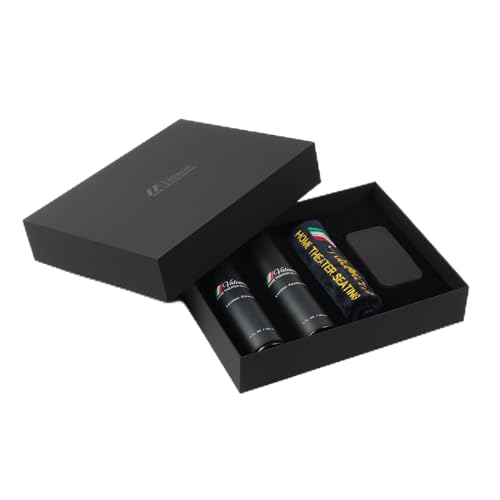 |
Valencia Leather Care Kit for Top Grain and Nappa Leather,VALENCIA THEATER SEATING | Upgrade pick | Top grain and Nappa care kit | $79.99
Price as of 27 Sep 2026
|
View |
The right protector changes with the job. A rear-facing child seat usually needs thin, stable support; a dog cover tends to need coverage and easier cleanup; commuter wear often benefits from low bulk and stain control. I judge them by where they press, how they move, and how fast I can wipe them down after a mess.
How we chose
We compared protector types by leather compatibility, slip control, thickness, cleanup effort, and whether the design makes sense for child seats, pets, or daily wear. We also weighed heat buildup, blocked airflow, sensor interference, and whether the attachment system can stay put on slick leather.
Price only matters when it buys the right materials. A thin, well-anchored mat can beat a thick padded cover that slides, wrinkles, or changes the fit of a child restraint.
What is the best car seat protector for leather seats?
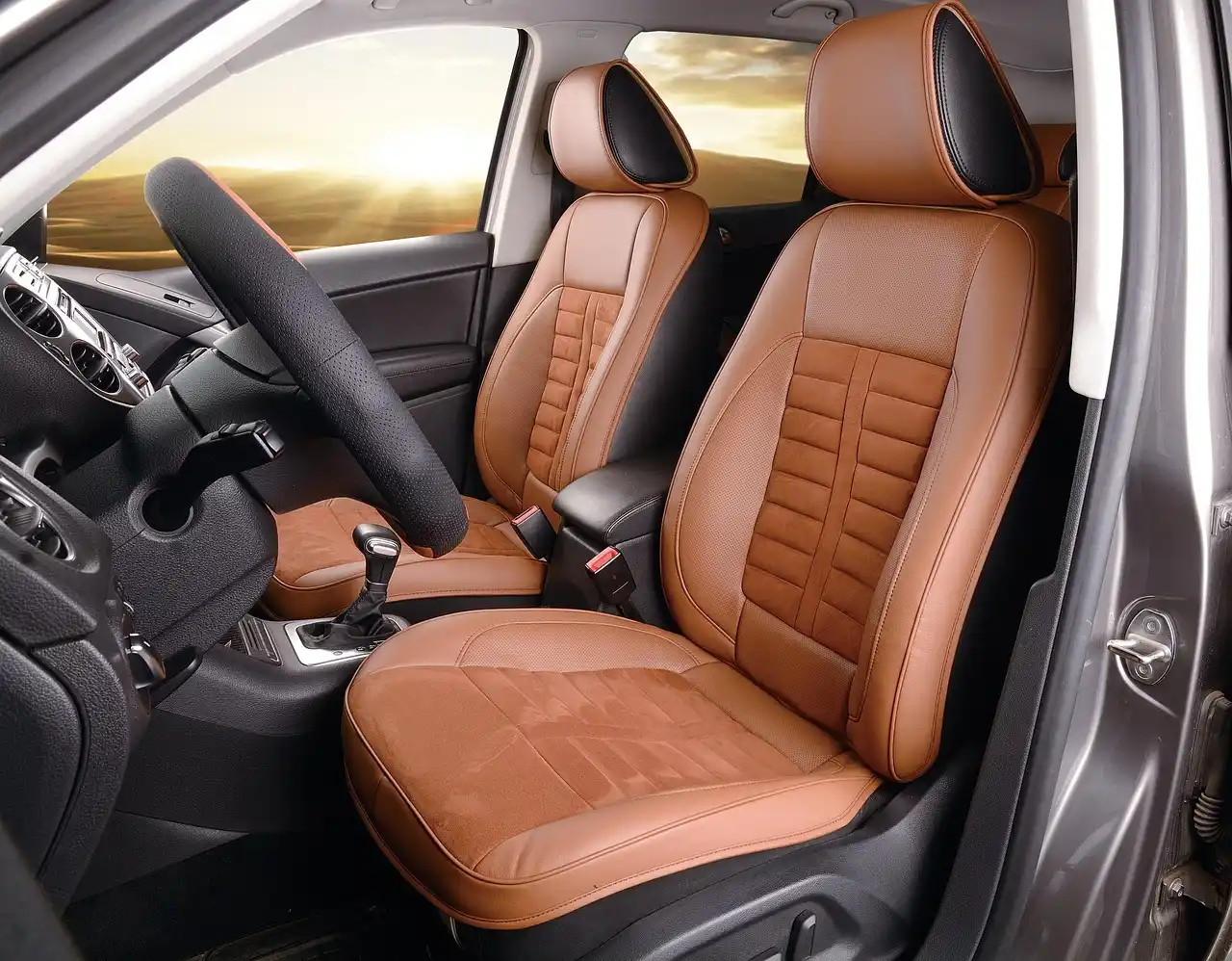
A good all-around protector for leather seats is often a thin, grippy, waterproof mat with seat-anchor tabs, a non-slip backing, and enough firmness to stay flat under load. That mix protects against scuffs and spills without adding the bulky cushioning that causes sliding, heat buildup, or awkward child-seat fit.
Top pick for most drivers
For most leather-seat owners, the best choice is a protector that covers the seat base, uses an anti-slip backing, and wipes clean quickly after spills. That is the sweet spot for daily wear because it cuts indentation and mess without turning the seat into a padded cushion.
Why it works on leather better than thicker options
Thicker protectors can feel safer, but leather often does not tolerate excess bulk well. The cover can compress, shift, and leave a deeper impression under a booster or a heavy adult, while a thinner protector spreads load more evenly and keeps the seat’s shape steadier.
Munchkin Brica Elite Seat Guardian: best for child seats
This is for parents who need a front-seat or rear-seat protector that stays out of the way of a child restraint. Based on the spec sheet and owner feedback, the sideless design is the key point: it gives coverage where leather gets pressed while avoiding side structure that can interfere with airbags or seat contours.
It stands out because the anti-slip base and waterproof Nappa-style surface are a practical match for messes and indentation control. For child seats, that matters more than plush padding.
The drawback is also clear. Any protector with cushioning can change how a child seat settles, so it must be checked against the car-seat manual and should not add bulk where the restraint needs a firm, flat base.
Fit under rear-facing and forward-facing seats
Rear-facing seats are the harder test because they push hard into the seatback and base. A good protector needs to stay thin enough that the child seat still locks down firmly, with no squish that changes installation tension or lets the restraint drift over time.
Forward-facing seats and boosters still create a load point. The protector should resist indentations and keep the leather from getting marked by hard edges, but it should not be so soft that it acts like a pad under the restraint.
Where bulky padding becomes a problem
Bulky padding can interfere with LATCH routing, seat-belt path clearance, and the firmness needed for a correct install. If the protector creates movement when the child seat is tugged, it is working against the restraint instead of protecting the leather.
4Knines Dog Seat Cover: best for pets
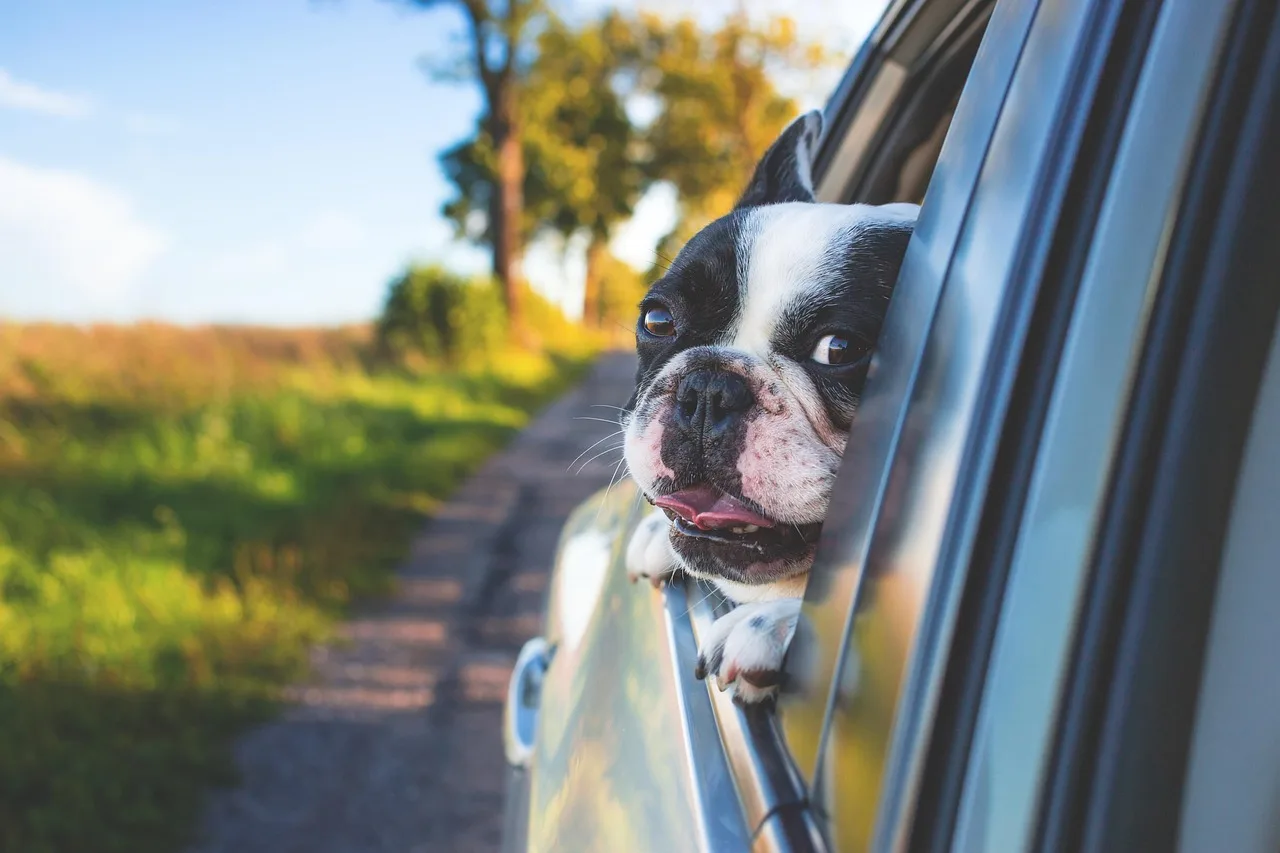
This is for drivers who need rear-seat protection from hair, claws, mud, and wet paws. Based on the product details, the back-seat extender style gives it an advantage because it increases usable space and reduces the chance that a dog’s weight concentrates in one small spot.
It stands out for pet use because the PU leather surface is easier to wipe down than fabric and the broader coverage helps contain mess. A bench-style cover also makes more sense than a narrow single-seat protector when the goal is mud control and scratch reduction.
The honest drawback is fit. A back-seat extender can be great in one vehicle and awkward in another, especially if the bench shape is contoured or the center seat belt and buckles sit high.
How it handles hair, claws, and mud
Hair control depends on a surface that does not hold fibers deeply, and claw control depends on a material that resists abrasion without cracking too soon. PU leather is easier to wipe than woven cloth, but seams and folded edges still need attention after muddy trips.
Mud cleanup is best when the cover is broad enough to catch what the dog sheds or shakes off. Short front-seat protectors do little here; a rear bench cover is the stronger choice for pets.
When a bench cover beats a single-seat protector
A bench cover wins when the dog rides loose, shifts side to side, or needs room to lie down. Single-seat protectors make more sense for a small pet in a carrier or a driver who only needs one seating position protected from daily wear.
Are car seat protectors safe on leather seats?
Yes, if the protector is thin, stable, and matched to the seat type. Safety problems usually come from heat buildup, blocked airflow, slippery backing, or designs that interfere with child-seat installation, sensors, buckle access, or side-airbag zones.
Heated seats and trapped heat
Heated leather seats need a cover that does not trap excess heat. Thick foam, dense rubberized backing, and stacked layers can slow heat transfer and make the seat feel hotter than intended, especially on long drives.
That matters for comfort and material life. Too much trapped heat can also make some finishes feel tacky or speed wear on lower-grade coatings.
Ventilated and perforated leather risks
Ventilated seats and perforated leather are among the more sensitive cases. A protector that blocks the perforations can reduce airflow, which defeats the seat’s cooling function and can cause the occupant to feel warm spots where air should move through.
For perforated leather, a thin, breathable, low-profile mat is safer than a heavy waterproof pad. If the seat relies on airflow, dense foam is the wrong direction.
Side airbags, sensors, and buckle access
Side-airbag seats need sideless or airbag-clear designs, and the protector cannot block the deployment path. Seat sensors can also be affected by bulky layers, especially on luxury trim where occupancy detection is more sensitive.
Buckle access matters too. If the protector covers the buckle or pushes it into the cushion, daily use becomes annoying and child-seat routing gets harder.
How do you keep a protector from sliding on leather?
Use a protector with a real anti-slip base, seat anchors or tabs, and headrest straps that pull the panel tight. Leather is slick by nature, so weak foam pads and light fabric bottoms often creep forward as soon as someone climbs in or out.
Anchors, straps, and anti-slip backing
Seat anchors or tabs are the most reliable way to stop forward movement at the seat crease. Headrest straps help hold the upper section in place, and an anti-slip base adds friction against the leather so the protector does not skate under load.
Adjustable fit matters. A loose cover bunches, and bunching is what turns a neat protector into a sliding mat.
Why slick leather defeats weak bases
Leather has low surface grip, especially when it is smooth or conditioned. A protector that relies on light friction alone may seem fine at first, then shift every time the driver brakes hard, a child climbs in, or a dog spins before lying down.
Which one should you buy?
Choose by use case, not by the loudest claims on the package. Child seats need stable, thin protection; pets need broader coverage and tougher cleanup; commuters need low-bulk stain control; rideshare use needs fast wipe-downs and durable seams.
Best for baby seats
Pick the Munchkin Brica Elite Seat Guardian if your main concern is protecting leather under a child restraint. It is the safer choice when firmness, coverage, and lower bulk matter more than plush padding or deep side bolsters.
Best for dogs
Pick the 4Knines Dog Seat Cover if the main problem is hair, mud, claws, and back-seat mess. A bench-cover or extender design gives pets more room and protects more leather than a small seat-base mat.
Best for commuter wear
For commuting, use a thin leather-safe protector or leather-care wipes if the goal is daily abrasion and spill resistance. Heavy padding is usually overkill here; low-profile coverage and easy cleanup are the better fit.
Best for rideshare use
Rideshare drivers need fast cleanup, colorfast materials, and a surface that does not soak in spills. A wipe-clean protector with firm anti-slip backing is the best balance because it keeps the car ready for the next passenger without adding a bulky feel.
Do not buy if you have heated, ventilated, or perforated leather seats
Do not buy thick foam pads, dense rubber-backed covers, or anything that blocks airflow if your seats are heated or ventilated. Avoid protectors with poor colorfastness, strong odor, or rough seams if the leather is perforated or has sensitive trim.
- Do not buy bulky padding for child seats unless the car-seat maker allows it.
- Do not buy dense, non-breathable covers for ventilated seats.
- Do not buy a protector that covers side-airbag deployment zones.
- Do not buy a cover that interferes with LATCH, buckles, or sensor pads.
- Do not buy anything that slides when the seat is pushed or the buckle is pulled.
Leather compatibility matrix
| Protector type | Best use case | Thickness | Slip risk on leather | Heat and ventilation impact | Child-seat suitability | Cleanup difficulty |
|---|---|---|---|---|---|---|
| Thin waterproof seat-base mat | Commuter wear, light spills | Low | Low to medium | Low impact if breathable | Good if approved and flat | Low |
| Padded full-seat protector | Daily family use | Medium to high | Medium | Medium to high impact | Only if thin and approved | Medium |
| Bench pet cover | Dogs, mud, hair | Medium | Medium | Medium impact | Not ideal for child seats | Medium to low |
| Back-seat extender | Large dogs | Medium to high | Medium | Medium impact | Not for child restraints | Medium |
| Kick mat | Rear-seat backs, kids’ shoes | Low | Low | Low impact | N/A | Low |
How much should a quality car seat protector cost
A quality protector usually costs more when it uses better backing, stronger stitching, and cleaner materials. Budget models can work for light daily wear, but child-seat and pet use are where the cost of a poor design shows up fastest in sliding, seam wear, and cleanup problems.
For leather seats, the price should reflect fit and materials first. A thin mat with solid anchors is worth more than a thick cover with weak grips and noisy seams.
What price usually buys you
At the lower end, you usually get basic fabric, lighter stitching, and simpler anchors. Midrange options often improve backing, spill resistance, and finish quality, while higher-priced products may add stronger materials, better fit systems, or larger coverage for pets and families.
Do not pay for padding you do not need. On leather, the best value is often the model that stays flat and cleans fast.
Frequently asked questions
what are the best car seat covers for leather seats
The best car seat covers for leather seats are thin, grippy, easy-clean protectors with a waterproof or water-resistant top layer and a non-slip backing. For child seats, the cover must also stay firm enough to preserve installation quality and should be allowed by the child-seat maker.
do car seat protectors damage leather seats
They can, if they trap grit, slide around, or use dyes and backing materials that mark the upholstery. A well-fitted protector with colorfast fabric, smooth seams, and stable attachment points usually cuts wear instead of causing it, especially under boosters and daily entry and exit.
what is the best car seat protector for leather heated seats
The best protector for heated leather seats is thin and low-coverage, with minimal foam and a backing that does not block heat transfer. Thick pads and dense rubber bases can hold heat in the seat and make the surface feel hotter than intended during long drives.
which car seat protector stops indentations on leather seats
The best indentation control comes from a firm, flat protector that spreads weight without adding too much cushion. Heavy boosters and child seats are the main problem, so the goal is steady load spread, not soft padding that compresses and leaves deeper marks.
how do i keep a car seat protector from sliding on leather
Use seat anchors or tabs, headrest straps, and a real anti-slip base. Leather is slick, so the cover has to be held mechanically as well as by friction. If the protector moves when you brake or when the child seat is tugged, it is not secure enough.
which car seat protector works best for dogs on leather seats
A rear bench cover or back-seat extender works best for dogs because it gives broader coverage and better control of hair, mud, and claw wear. Small front-seat mats do not protect enough area, and narrow covers often miss the spots where dogs climb, spin, and settle.
Products related to this article
Sponsored / affiliate links. As an Amazon Associate I earn from qualifying purchases. I may earn additional commission from eligible campaigns.
 FLORICH Leather Seat Cover, Car Seat Covers Front Set, Waterproof Car Seat Protectors, Front Seat Covers 2 Pack, Breathable Automotive Seat Covers Protector Fit for Most Cars Trucks SUV
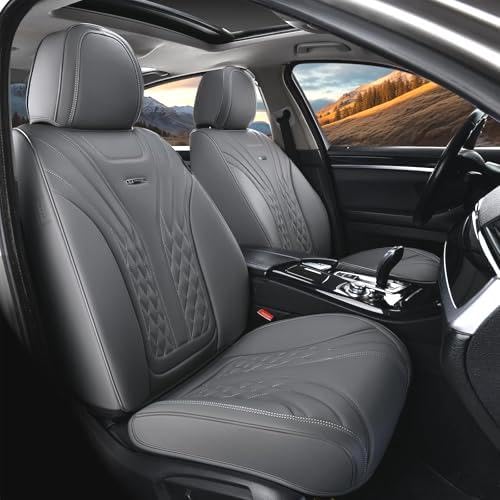 Coverado Car Seat Covers, Car Seat Covers Front Seats, 2-Pack Front Seat Cover, Nappa Leather Waterproof Seat Covers, Car Seat Protectors, Automotive Seat Covers Universal Fit for Most Vehicles