Car Seat Cushion vs Car Seat Protector: Which One to Use
Choose a car seat cushion for body comfort, and choose a car seat protector only if the vehicle and child-seat manuals allow it. For infant, convertible, or booster seats, the child-car-seat manual overrules the accessory. The wrong add-on can shift a child seat, affect belt fit, damage heated seats, or weaken an install.
Car seat cushion vs car seat protector: what problem are you solving?
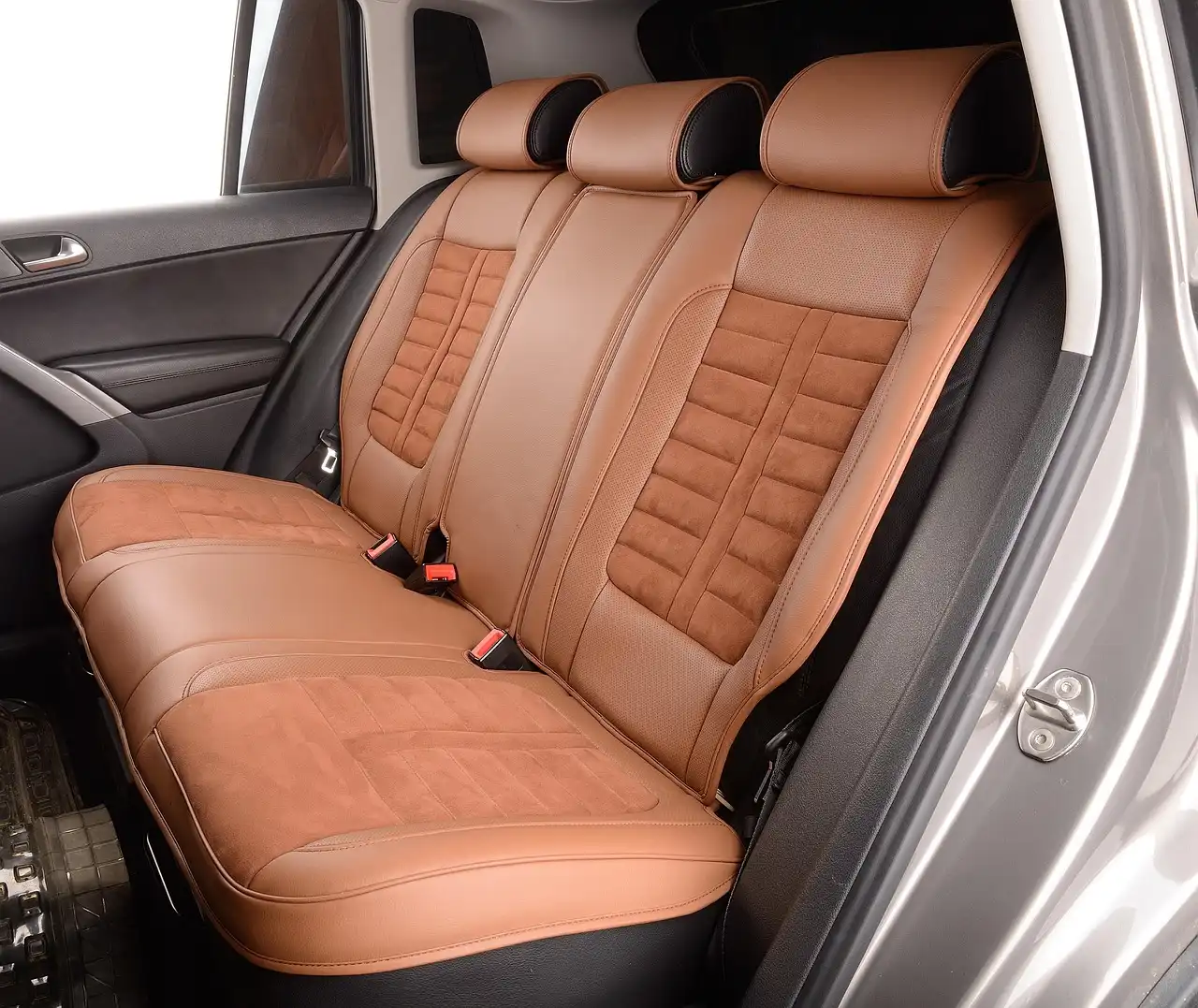
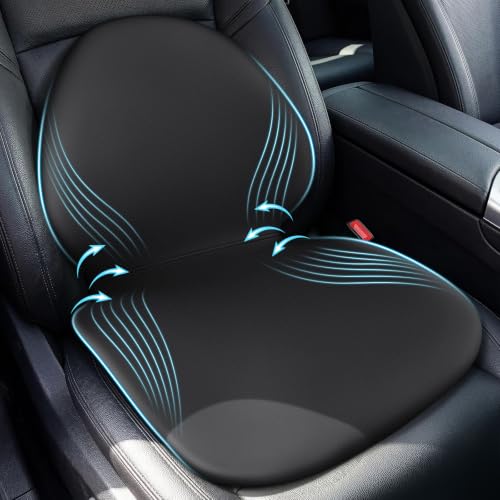

A car seat cushion solves a human comfort problem. A car seat protector solves an interior-preservation problem under a child restraint, and only when the manuals allow something there. Mixing those jobs causes trouble, because body support can change posture and seat height, while under-seat padding can change installation behavior.
Where each product belongs
A cushion belongs under an adult or older child who is sitting on the vehicle seat and needs more support. A protector belongs between the vehicle seat and a child restraint only if the car seat manual permits that exact type of under-seat material. A cushion is generally not a safe substitute for a protector under a child seat.
Why the wrong accessory changes fit and safety
Any compressible layer can change how a restraint sits on the vehicle seat. That can affect belt fit, harness angle, and the feel of a supposedly tight install. With a child seat, the question is not whether the accessory feels secure at first. The question is whether the install still passes the required movement check after the seat is tightened.
📊 Their testing example used a Graco SnugRide 30 infant car seat base. Source: Seat Protectors.
Car seat cushion vs car seat protector: side-by-side comparison
The core trade-off is simple. A cushion is for comfort and posture. A protector is for shielding upholstery from scrapes, dents, and spills under a child restraint, but only when the child-seat manual allows it and the install still checks out afterward.
| Decision factor | Car Seat Cushion | Car Seat Protector | Winner |
|---|---|---|---|
| Primary job | Supports the person sitting on it | Creates a barrier between vehicle seat and child restraint | Tie |
| Effect on posture and height | Can change posture, pressure points, and seat height | Should not be used to improve comfort; any thickness can affect fit | Car Seat Cushion |
| Child-seat compatibility | Not meant under an infant base, convertible seat, or booster | May be allowed by some manuals, but can also be prohibited | Car Seat Protector |
| Risk of changing install stability | High if placed under a restraint by mistake | Depends on thickness, compressibility, and surface grip | Tie |
| Seat-surface protection | Little to none for a parked child restraint | Designed to reduce scuffs, dents, and crumbs under a seat | Car Seat Protector |
Primary job
The category split is clean. Car seat covers can be made from neoprene, leather, canvas, polyester, and other automotive fabrics, and cushions sit in the comfort category too. A protector is different: it is a barrier, not a body-support item.
Posture, height, and belt fit
Cushions can raise the seating position and change where the belt crosses the body. That matters for adult use, especially if the lap belt rides too high or the shoulder belt starts to rub the neck. Under a child restraint, that same added height is a liability, not a benefit.
Install stability and protection
Protectors vary more than many shoppers expect. Thickness and compressibility matter, because a thick seat protector can introduce space between the child restraint and the vehicle seat. Surface grip matters too; grippy sides can make a restraint feel tightly installed even when it is not.

What is the difference between a seat cushion and a seat protector?
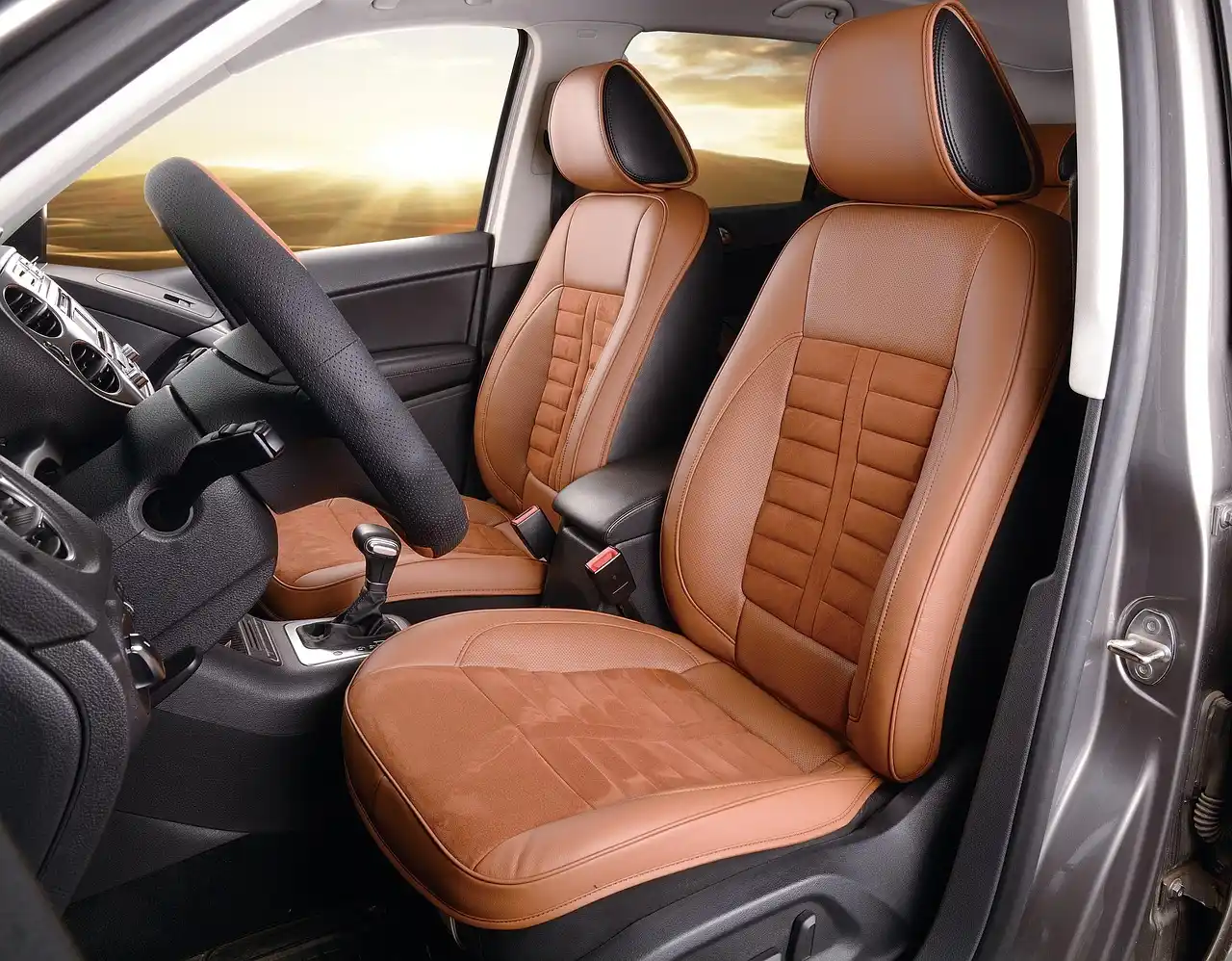
A seat cushion is for the person in the seat. A seat protector is for the vehicle upholstery under a child restraint, and only if the manual allows that accessory. The difference sounds obvious until someone buys a “universal” product and uses it in the wrong place, which is where fit problems start.
Function first
Cushions add comfort or support. Protectors try to keep cloth, vinyl, or leather from taking the brunt of crumbs, scuffs, and dents. That split matters because protection products are not designed to manage posture, and comfort products are not designed to sit under a restraint.
Why labeling can mislead
Some product pages blur the line and imply that anything padded can do both jobs. That is a bad shortcut. Child car seat manuals stay the final authority for anything under an infant base, convertible seat, or booster, and some manuals prohibit anything under the restraint at all.
Should I use a car seat cushion or a car seat protector?
Use a car seat cushion when the goal is adult comfort, better pressure distribution, or a small change in seating position. Use a car seat protector only when the child-seat manual permits it and the vehicle seat needs protection from a child restraint. If the manual says no accessory, the safest choice is none.
Driver comfort case
If the problem is a sore back, a long commute, or a seat that feels too flat, a cushion can be the right tool. It changes how the body meets the seat. That is a comfort choice, not a child-seat protection choice.
Child restraint case
If the goal is to keep upholstery clean under a car seat, start with the manual. Many manuals allow nothing underneath. Others allow only specific mats or blankets. The seat itself may be the limiting factor, not the accessory maker’s marketing copy.
Are car seat protectors safe under child seats?
Sometimes, but never by default. A protector is only acceptable if the child car seat manual allows that exact kind of under-seat material, and the install still passes the movement check afterward. A thick or compressible layer can create false confidence while making the fit less stable.
Why thickness and compressibility matter
Seat protector thickness matters because the material can compress under use and under crash load. That compression can loosen the installation over time. A protector that feels solid in the driveway may behave differently after weeks of daily loading and unloading.
What the manual and standards do not mean
Some manufacturers mention FMVSS in their product claims, but seat protectors are not mentioned in that standard. That is not the same as a dedicated seat-protector approval. The child-seat manual still has the final word, and many experts do not recommend any product between the vehicle seat and child restraint.
Will a seat protector damage my car seat installation?
Yes, it can. The risk is not only visible slippage. A protector can change how a seat settles, especially with lower anchors/LATCH or a belt install, and can let the restraint move more than it should. After installation, the belt path should still stay within 1 inch of movement.
Lower anchors and LATCH
With LATCH, the restraint is still only as stable as the base beneath it. Compressible material can settle after the install, which is why a post-install movement check matters. If the seat shifts, the protector has become part of the problem rather than the solution.
Belt path and false tightness
The belt path is the place to check for movement, not the headrest, not the cupholder, and not the top shell. Grippy-side protectors can hide a loose install because they resist sliding while the restraint itself is not fully secured. That is a dangerous kind of “secure.”
Can I put a towel or blanket under a car seat?
Only if the child-seat manual allows that exact item, and only in the way the manual describes it. A towel, blanket, or mat is not universally acceptable. In some examples, a thin receiving blanket has been shown as a safer option under a car seat base, while other manuals prohibit anything under the restraint.
Compressibility is the key issue
Anything soft can compress. Compression changes the seat’s position and can alter install stability. That is why a towel that looks harmless can still be a bad choice if it squishes under the base or creates uneven contact.
When the answer is no accessory at all
Some seats and some vehicles simply do not allow anything underneath. CSFTL says they do not recommend any product between the vehicle seat and child restraint. Their curriculum no longer includes shelf liner, which is a good reminder that old internet tricks are not the same as current guidance.
How do leather, cloth, heated, and ventilated seats change the decision?
Seat material changes the risk profile. Leather may dent and scuff, cloth can snag and hold crumbs, heated seats can be affected by trapped material, and ventilated seats can lose airflow. None of those facts override the child-seat manual, but they do change how much protection is reasonable to seek.
Leather seats
Leather is the most common reason people look for protectors, but temporary dents usually go away rather quickly. Cleaning can be enough, and leather cleaning wipes are a practical maintenance option. If the manual allows no accessory, regular cleaning is safer than forcing a pad under the restraint.
Cloth and vinyl seats
Cloth tends to show wear differently, often by trapping debris or showing compression marks. Vinyl can wipe clean more easily but still needs the right install underneath. Budget universal-fit covers may be cheaper, but they often lack the polished look of custom-fit covers, and that matters less than correct fit under a restraint.
Heated and ventilated seats
Heated seats are sensitive to extra layers, because trapped material can change how heat moves through the upholstery. Ventilated seats need open airflow paths, and a thick protector can block them. If either seat feature is important, keeping the area clear is often better than adding a barrier.
Decision table: choose the right option for each real-world case
Use the problem, not the product category, to make the choice. If the concern is body comfort, choose a cushion. If the concern is upholstery under a child seat and the manual allows it, choose a protector. If the manual forbids anything underneath, choose no accessory.
| Real-world case | Safest choice | Why |
|---|---|---|
| Driver comfort on a long commute | Car seat cushion | Addresses posture and pressure points for the person sitting on the seat |
| Infant car seat base | Car seat protector only if the manual allows it; otherwise no accessory | Base installs are sensitive to compression and movement at the belt path |
| Convertible seat installed with lower anchors/LATCH | No accessory unless the manual explicitly permits one | Compressible layers can change the install and require rechecking |
| Booster seat | Follow the booster manual; often no accessory | Boosters depend on correct vehicle belt routing and seat contact |
| Leather-seat protection | Cleaning products or manual-approved protector | Temporary dents often recover, and regular maintenance may be enough |
| Heated seats | No accessory unless the manual allows it | Extra material can interfere with heat transfer |
| Manual prohibits anything under the child seat | No accessory | The manual is final authority |
Choose Car Seat Cushion if… / Choose Car Seat Protector if…
Choose a car seat cushion if the person in the seat needs more comfort, better posture support, or pressure relief during driving. Choose a car seat protector if the vehicle and child-seat manuals allow a barrier under the restraint and the goal is to reduce scuffs or dents. Skip both when the manual says nothing goes underneath.
Choose Car Seat Cushion if…
You are dealing with adult discomfort, a sore tailbone, or an awkward seating angle. You want a slight change in height or firmness for the driver or passenger. You are not trying to place anything under an infant base, convertible seat, or booster.
Choose Car Seat Protector if…
You are protecting leather or cloth from a child restraint, and the manual specifically allows that type of under-seat accessory. You can verify that the install still moves no more than 1 inch at the belt path. The protector is thin enough that it does not create a false-tight install.
Skip both if…
The child-seat manual prohibits anything underneath. The seat is heated or ventilated and the accessory would interfere with those functions. A cheap protector would be worse than no accessory because it adds thickness without solving the actual problem.
Frequently asked questions
Are car seat protectors safe under child seats?
Sometimes, but only when the child car seat manual allows that exact under-seat material. Safety depends on thickness, compressibility, and surface grip, plus a correct post-install movement check. Many experts do not recommend any product between the vehicle seat and child restraint.
How do I know if a seat protector is too thick?
If the protector adds noticeable space under the base, changes how firmly the seat sits, or causes movement after tightening, it is too much. Thickness matters because compression under load can loosen the install over time. The only real test is whether the install still checks out at the belt path.
Does my car seat manual allow a protector underneath?
The manual is the final authority, not the label on the accessory. Some manuals permit specific mats or protectors, while others prohibit anything under the seat. If the manual does not clearly allow it, the safest assumption is that it is not approved.
Can seat protectors hide a loose car seat install?
Yes. Grippy surfaces can make a restraint seem tightly installed even when it is not, especially before a proper movement check. A loose install can still fail at the belt path or shift after the protector compresses. The feel of the install is not the test.
What is the safest way to protect leather seats with a car seat?
Start with the manual, then decide whether any accessory is actually allowed. For many vehicles, temporary dents in leather disappear rather quickly, and leather cleaning wipes or routine maintenance are enough. If a protector is allowed, make sure it is thin, stable, and still passes the movement check.
Can I put a towel or blanket under a car seat?
Only if the manual allows it. A thin receiving blanket appears in some examples, but towels and blankets are not universal solutions. Compression is the problem, and even a soft layer that looks harmless can affect installation security under an infant base or booster.
Products related to this article
Sponsored / affiliate links. As an Amazon Associate I earn from qualifying purchases. I may earn additional commission from eligible campaigns.
 FLORICH Front Car Seat Covers, Leather Seat Covers for Cars, Waterproof Car Seat Protector Breathable, Front Seat Covers for Cars, Automotive Seat Covers Universal Fit for Most SUV Pick-up Truck
 FLORICH Leather Seat Cover, Car Seat Covers Front Set, Waterproof Car Seat Protectors, Front Seat Covers 2 Pack, Breathable Automotive Seat Covers Protector Fit for Most Cars Trucks SUV