Seat Covers vs Seat Protectors: Which Fits Your Use Case?
Choose seat protectors if you need to stop one local threat, like a child seat or dog claws; choose full seat covers if you want broader wear, stain, and resale protection. Pick the wrong one and dirt builds under the base, bolsters fray, or you pay twice. I compare fit, cleaning, comfort, and long-term cabin protection here so you can match the product to the job.
This guide is part of our Car exterior accessories guide series.
Seat covers vs seat protectors: the real difference
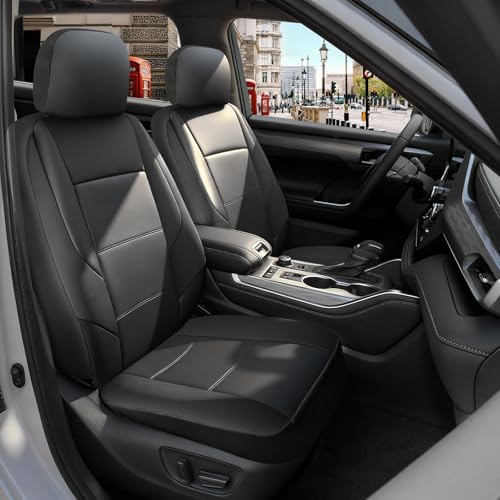

The main split is scope. A seat protector is a partial barrier placed under a child seat or across part of the rear bench, while a car seat cover wraps the full seat for long-term use and better comfort. That changes fit, coverage, cleaning, and how much of the original upholstery still gets hit.
| Decision factor | Seat Covers | Seat Protectors | Winner |
|---|---|---|---|
| Coverage area | Base, backrest, and headrest | One section such as the seat base | Seat Covers |
| Fit type | Vehicle-specific fit by year, make, and model | Usually universal mats | Seat Covers |
| Best use case | Daily long term upholstery protection | Temporary or situation-based protection | Seat Covers |
| Cleaning burden | More surface to remove and reinstall | Faster to pull out and wipe down | Seat Protectors |
| Interior preservation | Better for fading, cracking, and long-term wear | Minimal UV protection and partial wear control | Seat Covers |
Coverage area is the first split that matters
Seat covers protect more of the seat because they run over the base, backrest, and often the headrest. Seat protectors leave more of the seat exposed, especially on side bolsters and the upper backrest, so they work better against one problem than against full-seat aging.
Fit type changes daily hassle
Seat protectors are usually universal mats, which makes them quick to place but also easier to shift around. Seat covers can be selected by vehicle year, make, and model, so they usually take longer to install but stay put better once fitted.
What each one protects against
Seat protectors are built for spills, scratches, and pressure marks in one area. Seat covers are often the better choice when you want broader protection from repeated wear, UV fading, stitch wear, cracking, or peeling across the seating surface.
What each product protects best
Think of seat protectors as local damage control and seat covers as whole-seat insurance. The wrong choice usually shows up in the exposed zones: side bolsters still rubbing, edges fading, or the seat base taking repeated compression while only the center is shielded.
Seat protector strengths: spills, pressure marks, and quick damage control
A protector makes sense when the seat is getting hit by one repeat problem, not general use. It is a practical shield under a child seat, a quick barrier against muddy paws, or a way to keep one rear-bench section from picking up scratches and impressions.
Seat cover strengths: wear prevention, UV fade, and upholstery preservation
A full cover is better when the goal is to keep original upholstery looking intact for years. Because it covers more of the surface, it does more work against daily abrasion, sun exposure, and the slow damage that drives resale concerns.
Where each product leaves the seat exposed
Protectors leave the backrest, headrest, and side bolsters open unless the design extends farther than a basic mat. That matters because entry and exit friction often scuffs bolsters first, and those marks are exactly what a partial product misses.
Do I need a seat protector for a child car seat?
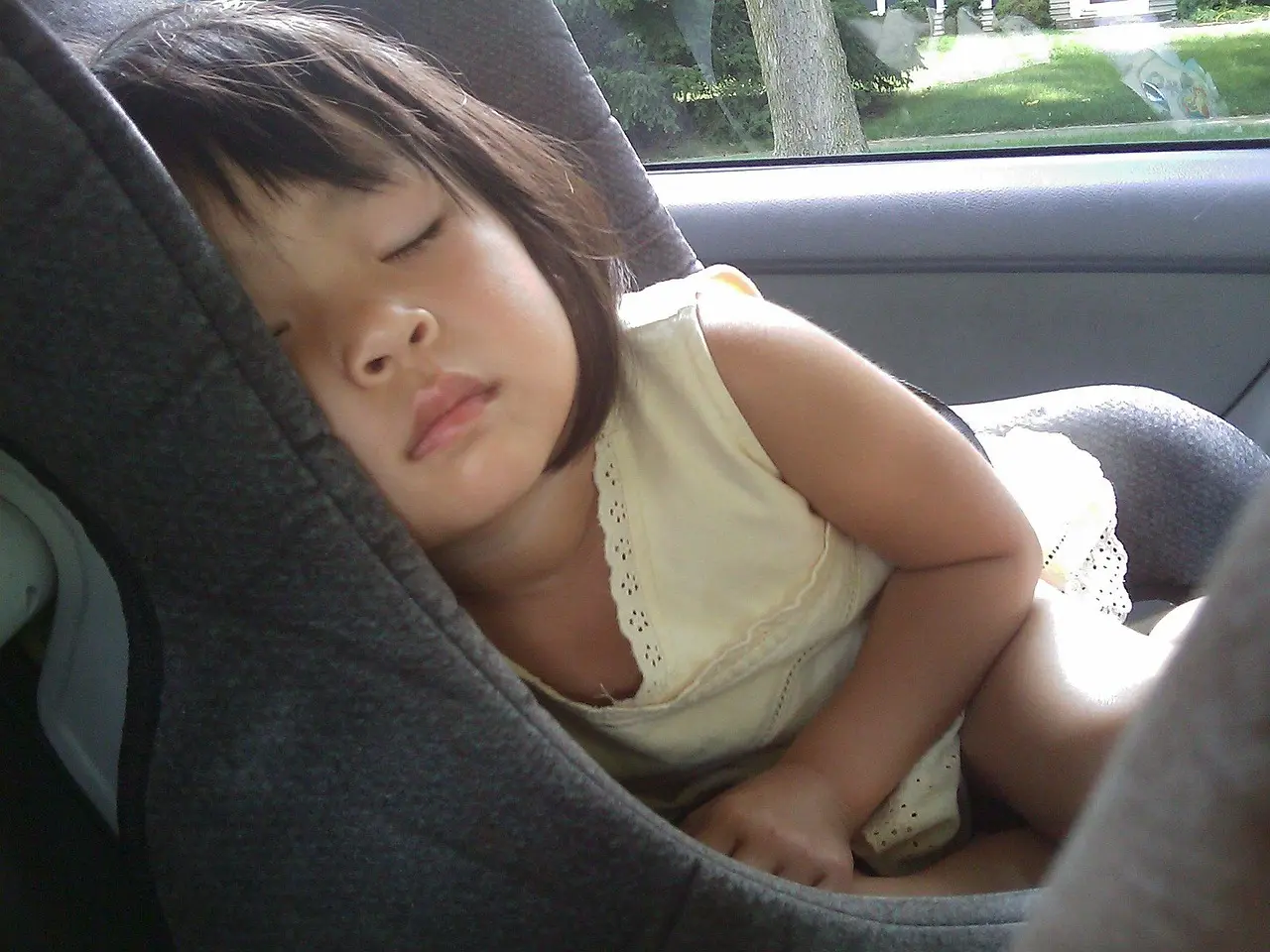
A seat protector is often the right fit under a child car seat because it targets one known stress point: compression and rubbing in a single area. It can help with pressure marks and mess control, but it is not a cure-all for heavy point loads, side impact from the shell, or every type of upholstery movement.
Child-seat pressure marks and indentation risk
Child seats can leave visible compression or indentation marks on the seat base, especially if they stay installed for a long time. A protector helps by spreading some of that load and keeping spilled drinks or snack debris off the fabric or leather below.
Booster-seat use and rear-bench scuffs
Boosters often create less compression than full child seats, but they can still add abrasion where kids climb in and out. A protector is enough if the goal is to stop localized scuffs on a rear bench, not to wrap the full cabin in protection.
When a protector is enough and when it is not
Use a protector when the seat is occupied by a child seat most of the time and the main risk is one pressure spot. Use a full cover when you also want broader protection from sun, repeated entry and exit, or long-term resale loss from worn upholstery.
Which option is better for dog hair and muddy paws: seat covers or seat protectors?
For pets, a seat cover usually wins because it protects more surface from hair, claws, and general abrasion. A protector can handle a dirty landing zone, but it often leaves the backrest and side edges exposed, which is where pet friction and scratches keep showing up.
Dog hair, claws, and rear-seat abrasion
Dog hair clings to fabric and works into seams, while claws can scuff or puncture softer trim. A full seat cover gives you a larger wipe-clean area and more complete coverage, so it handles repeated pet use better than a partial mat.
Rear-bench coverage versus cargo-style use
If the dog rides only on one part of the rear bench, a protector may be enough for a short-term solution. If the pet turns the whole back seat into a travel zone, the full-cover layout is more practical because it shields more contact points.
Cleaning frequency and removal time after messy trips
Protectors are easier to pull out and clean after one muddy ride. Covers take more time to remove and reinstall, but they usually keep the mess off the original seat in the first place, which matters more if pet trips are frequent.
Are seat covers better for daily commuting?
Yes, seat covers are usually better for daily commuting because repeated entry and exit hits the same spots every day. Side bolsters, seat edges, and the driver’s seat base wear faster than most owners expect, and a full cover addresses all of those contact points at once.
Entry and exit wear on side bolsters
Daily climbing in and out rubs the outer bolster and the seat edge, especially on the driver’s side. A protector does little for that wear pattern because it usually focuses on the base, while a cover can protect the full contact area.
Long-term upholstery protection from repeated use
Commuting adds up in a way that short trips do not. A cover is the better long-term choice when you want to slow surface cracking, peeling, stitch wear, and the dulling that comes from constant use.
Comfort, padding, and heated-seat compatibility
Some covers add padding or support, which can make a long commute feel less punishing. Material construction matters here: eco leather surface, liquid resistance, wipe-clean surfaces, and airbag-safe construction are all useful, but heated-seat and control compatibility still need to be checked before buying.
Choose Seat Covers if… / Choose Seat Protectors if…
Choose seat covers if the seat sees frequent use, you want better coverage of the base, backrest, and headrest, or you care about resale and original upholstery condition over the long haul. Choose seat protectors if the problem is limited to one area, the mess is temporary, or you want the fastest clean-up after a child seat or pet trip.
Choose seat covers if…
- You drive the same seat daily and want to slow wear on the entire upholstery surface.
- You are trying to protect against UV fading, cracking, peeling, and stitch wear.
- A vehicle-specific fit is usually more stable than a universal mat.
- You want comfort, padding, or a cleaner cabin for long-term ownership.
Choose seat protectors if…
- You need partial coverage under a child safety seat or booster seat.
- Your main worry is one spill zone, one pressure point, or one dirty rear-bench section.
- You want something that is faster to remove and wipe down.
- You only need temporary or situation-based protection.
Decision checklist: match the risk to the product

The cheaper product is not always the cheaper choice. If a protector solves only one issue but leaves the rest of the seat exposed, you may end up buying a second product later, or paying for upholstery repair when the side bolsters and headrest age faster than the protected center.
| Scenario | Risk | Coverage needed | Install effort | Cleaning frequency | Resale impact | Right product |
|---|---|---|---|---|---|---|
| Child safety seat on rear bench | Pressure marks, spills, dirt trapped under the base | Partial coverage under the child seat | Low | Moderate | Low to moderate | Seat Protector |
| Booster seat used most weekdays | Rear-bench scuffs and light compression | Partial coverage with easy removal | Low | Moderate | Low | Seat Protector |
| Dog rides after muddy walks | Hair, claws, paw mud, wet fabric | Broad rear-seat coverage | Moderate | High | Moderate | Seat Cover |
| Daily commuting in the same driver seat | Entry and exit wear, bolster abrasion, surface aging | Full coverage of base, backrest, and headrest | Moderate | Low to moderate | High | Seat Cover |
| Occasional spill or one-off road trip mess | Temporary stain and cleanup problem | Localized coverage | Low | Low | Low | Seat Protector |
| Long-term ownership of a cleaner interior | UV fade, cracking, peeling, stitch wear | Entire seat surface | Moderate to high | Moderate | High | Seat Cover |
- Identify the main damage source: point pressure, spills, pet mess, sun, or daily wear.
- Match the product to the coverage area the damage actually touches.
- Check fit type next: universal design for quick use, vehicle-specific fit for a tighter install.
- Confirm material construction and compatibility with airbags, heated seats, and seat controls.
- Choose the option that you will actually clean and reinstall without avoiding the job.
Frequently asked questions
What is the difference between seat covers and seat protectors?
Seat protectors cover only part of the seat, usually as a barrier under a child seat or across part of the rear bench. Seat covers wrap the full seat, including the base, backrest, and often the headrest, so they are better for long-term protection and interior preservation.
Do I need seat covers or a seat protector for a child car seat?
If the main problem is pressure marks, spills, or grime under the child seat, a protector is usually the practical choice. If you also want broader coverage for the rear bench and more long-term protection against wear, a full seat cover makes more sense.
Which option is better for dog hair and muddy paws: seat covers or seat protectors?
Seat covers are usually better for dogs because they protect more of the seat from hair, claws, and mud. Protectors can help with a single dirty landing zone, but they leave more of the backrest and bolsters exposed to abrasion and cleanup headaches.
Are seat covers better than seat protectors for daily commuting?
Yes, because commuting puts repeated stress on the same contact points every day. Seat covers protect the whole seating surface from entry and exit wear, bolster abrasion, and slow aging, while protectors are too narrow for that kind of ongoing use.
Can a seat protector prevent indentation from a child seat?
It can help reduce compression and keep the area cleaner, but it does not remove every indentation risk. A protector is best treated as a partial buffer under the child seat, not a promise that the underlying upholstery will stay perfectly flat.
Are seat covers or seat protectors better for resale value?
Seat covers can help more with resale value because they protect the original upholstery condition over a larger area. They are better at limiting fading, cracking, peeling, and stitch wear, which are the kinds of visible issues buyers notice first.
Products related to this article
Sponsored / affiliate links. As an Amazon Associate I earn from qualifying purchases. I may earn additional commission from eligible campaigns.