Best Car Security Systems for Drivers (2026): We Compared
The best car security system should match your theft risk: use deterrence for break-ins, immobilization for drive-away theft, and GPS recovery for high-risk vehicles. Most drivers should start with one strong layer, then add a second if the car is targeted. Poor protection can mean a stolen car, broken glass, and a higher insurance claim. This guide compares alarms, immobilizers, trackers, and visible deterrents so you can choose the right setup. The best overall pick is the Viper 5305V because it pairs 2-way status feedback with keyless entry and remote start in one package.
Quick comparison
| Product | Badge | Best for | Price | ||
|---|---|---|---|---|---|
 |
Winner International The Club 1000 Original Club SteeringWinner International | Our pick | Steering wheel lock · Red · Universal fit | $59.99
Price as of 25 Oct 2026
|
View |
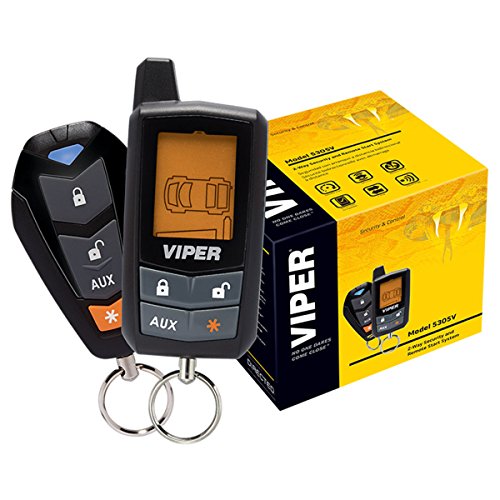 |
Viper 5305V 2 Way LCD Vehicle Car Alarm Keyless EntryViper | Upgrade pick | 2-way LCD alarm · Keyless entry · Remote start | $218.87
Price as of 25 Oct 2026
|
View |
 |
Spytec GPS Tracker for Vehicles, OBD Plug-in Car, Real-TimeSpy Tec | Pair with it | OBD GPS tracker · Real-time alerts · 4G LTE | $14.95
Price as of 25 Oct 2026
|
View |
 |
BANVIE Car Immobilizer Security System with Anti-hijacking,BANVIE | Budget pick | Car immobilizer · Anti-hijacking · 12V | $21.99
Price as of 25 Oct 2026
|
View |
This comparison focuses on what each system does for theft protection, not only the badge on the box. A loud alarm can scare off casual thieves, while a tracker helps after theft, and an immobilizer changes the theft equation before the car moves.
How we chose
These picks were compared on five points: theft job fit, alert quality, install complexity, hidden ownership cost, and how well each option fits common parking risk. The list separates deterrence from recovery because those are different problems with different tradeoffs.
It also accounts for the work behind the headline price. A system with a subscription, a harder wiring job, or an add-on module can cost more over time than a simple alarm.
Best car security system: top picks by threat type
Viper 5305V: best for overall theft protection
The Viper 5305V is the best overall choice for drivers who want a strong all-around layer. It includes a 2-way LCD remote for instant status updates, so you can confirm whether the system armed, whether an alert went out, or whether the car needs attention after a disturbance.
It fits the driver who parks on streets, in apartment lots, or anywhere feedback matters because the car is out of sight. The added remote start and keyless entry also make it a practical premium pick for daily use, especially when cold-weather convenience matters.
The drawback is installation complexity. A 2-way system with remote start is not the simplest DIY job, and the added features raise the labor bill if you pay a professional.
Winner International The Club 1000: best budget deterrent
The Club 1000 is the best budget deterrent when the goal is to make your car look harder to steal. Its highly visible red bar is the point: casual thieves want speed, and a steering wheel lock adds a second step before the car can move.
This is the right fit for drivers who want a simple layer for apartment street parking, overnight curbside parking, or a second car that is not worth a full electronics package. It also makes sense as a visible backup alongside an alarm or tracker.
The drawback is clear. It deters, but it does not alert your phone, record movement, or stop a determined thief who is willing to defeat physical hardware.
Spytec GPS tracker: best for recovery-focused protection
The Spytec GPS tracker is the best recovery-focused choice here because it is built for location awareness rather than siren noise. Based on the published product details, it uses 4G LTE, supports geofence and alert notifications, and is designed for plug-in OBD installation with no battery recharge.
This is the better fit when you care most about finding a vehicle after theft, or when you want movement and ignition notifications for a teen driver, a fleet vehicle, or airport parking. Recovery tools work best when the goal is fast location data and phone alerts.
The drawback is that a tracker does not stop the first move. It depends on cellular connectivity and may involve a subscription, which adds ongoing ownership cost.
BANVIE immobilizer: best for drive-away prevention
The BANVIE immobilizer is the best choice for blocking drive-away theft on a tighter budget. It is designed as an anti-theft and anti-hijacking engine lock for 12V cars, so the target job is immobilization, not sound or recovery.
This makes sense for drivers who want a hidden layer that changes the theft process before the car can be driven away. It can also pair well with a visible deterrent or a tracker, because it addresses a different part of the theft chain.
The drawback is that immobilizer systems can be more vehicle-dependent than a simple lock, and wiring quality matters. Poor installation can create reliability issues or frustrate daily use.
Which one should you buy?
If you want one answer, start with the Viper 5305V for the broadest mix of deterrence, confirmation, and convenience. It is the clearest all-around buy for a driver who wants more than a siren but does not want a tracker-only setup.
If budget is tight, The Club 1000 is the cheapest visible layer and works well as a first step. If your main concern is getting the car back after theft, the Spytec tracker is the stronger fit because alarms do not recover a vehicle on their own.
If drive-away theft is the main fear, the BANVIE immobilizer is the more direct answer. A common first-timer mistake is buying a loud alarm when the real problem is a thief who can quietly tow or electronically bypass the car.
How we chose between deterrence, immobilization, and recovery
Deterrence tries to make the car look too risky or too annoying to steal. Immobilization stops the car from being driven. Recovery helps you and law enforcement locate the car after it has moved.
Those jobs overlap, but they are not interchangeable. A loud siren may stop a quick break-in. It does little if the car is already gone. A tracker helps after the theft, but it does not scare off a window smash by itself.
Car security decision matrix
Use this table to match the system to the parking situation, not only to the product name. Hidden cost matters here because some setups need subscriptions, labor, or extra modules.
| Scenario | Best security type | Install difficulty | Hidden ownership costs |
|---|---|---|---|
| Apartment street parking | 2-way alarm or visible deterrent plus motion sensing | Medium to high if wired | Professional labor, possible sensor calibration, optional backup deterrent |
| Suburban driveway | 1-way alarm with shock sensor or steering-wheel lock | Low to medium | Replacement batteries for remotes, possible add-on sensors |
| Airport parking | GPS tracker with phone alerts | Low for plug-in units | Monthly or annual subscription, cellular dependence |
| Teen-driver monitoring | GPS tracker or 2-way system with alerts | Low to medium | Subscription for tracking, remote batteries, app or account access |
| Seasonal vehicle storage | Immobilizer plus visible deterrent | Medium | Install labor, possible battery maintenance, periodic system checks |
Say your car lives on a city street under a dim apartment light. A tracker helps if the car disappears, but a 2-way alarm plus a steering-wheel lock is better when the goal is to discourage a quick smash-and-run before the thief decides to try the doors.
Suppose a car sits in airport parking for a week at a time. In that case, a tracker with movement alerts is the more useful layer because you are not there to hear a siren, and you need a recovery path if the vehicle leaves the lot.
Should you buy a 1-way or 2-way alarm?
Buy a 1-way alarm if you want audible deterrence at the lowest entry point. Buy a 2-way alarm if you want feedback that the car actually received the command or alert, because remote confirmation matters when the vehicle is out of sight or parked far away.
A 1-way system is simple: it sounds when triggered, but it gives no remote feedback. A 2-way system adds confirmation on the remote or LCD, which is more useful if you park in larger lots, on a second level, or away from your line of sight.
1-way alarms for basic deterrence
The Viper 3100V fits this role. It includes shock sensors and door/engine protection, which gives you a basic audible layer without the cost and complexity of a full 2-way setup.
This is the better budget move for drivers who mainly want to make noise and keep the price down. It is also easier to live with when the car does not need premium feedback or remote range.
The drawback is the missing remote feedback. If the alarm is triggered in a lot or on a street, you do not get the same confirmation you would with a 2-way system.
2-way alarms for status confirmation
A 2-way alarm gives you the stronger awareness layer. The Viper 5305V includes a 2-way LCD remote for instant status updates, and the Compustar CS7900-AS brings 3000-foot remote range along with extensive remote start capabilities.
This is the better choice when you park farther from the vehicle or want a premium setup that tells you what happened. The range figure matters because remote use becomes less helpful if the car is beyond the useful signal distance.
The drawback is cost and complexity. A 2-way system tends to be more expensive up front and more demanding to install correctly.
Where Viper 3100V and Viper 5305V fit
The Viper 3100V is the simpler deterrence-first answer. The Viper 5305V is the stronger choice when you want feedback, convenience, and a better match for higher-risk parking.
Are GPS car trackers better than alarms for theft protection?
GPS trackers are better than alarms when recovery matters most, because they can help locate the vehicle after it moves. Alarms are better at deterrence and immediate attention. The right answer depends on whether you need to prevent the theft attempt or respond after the car is already gone.
Trackers add live monitoring, phone alerts, and movement or ignition notifications. That makes them especially useful for higher-risk parking, fleet use, teen-driver monitoring, or vehicles that sit in public lots for long periods.
When recovery matters most
CARLOCK is the clearest example of a recovery-first tool. It provides 4G tracking and immediate phone alerts, and it can alert for vehicle movement, engine start, unusual vibrations, and disconnection.
That is the right profile for drivers who need fast awareness, not a louder siren. Recovery tools do not replace deterrence, but they can make the difference between a missing car and a traceable one.
The drawback is ongoing cost. Tracker ownership often includes a subscription, and cellular coverage is part of the system’s usefulness.
Subscription and cellular tradeoffs
Trackers depend on network access. That means the hidden cost is not only the device price but also the recurring service fee and the need for a working cellular signal. If those terms are not acceptable, a strong alarm or immobilizer may be a better fit.
Where Compustar CS7900-AS fits
The Compustar CS7900-AS fits drivers who want remote start plus a security package with a 3000-foot range. It is best viewed as a premium convenience-and-alert option, not as a tracker replacement.
Its higher complexity makes it a better choice when you are willing to pay for professional installation and want more than a basic alarm. The tradeoff is that premium bundles bring more wiring and more setup steps.
Do you need professional installation?
Some systems can be DIY-friendly, especially plug-in trackers or simple deterrents, but many alarm and immobilizer setups benefit from professional installation. Wiring complexity, vehicle-electronics compatibility, and sensor placement all affect how well the system works after setup.
A poor install can turn a good product into an unreliable one. That is especially true for 2-way alarms, remote start bundles, and hidden immobilizers that must interact cleanly with modern vehicle electronics.
DIY-friendly systems
Plug-in trackers like the Spytec unit are easier to install because they use the OBD port. Visible deterrents such as The Club 1000 require no wiring at all.
These are the right choices if you want lower labor cost and less complexity. They are also easier to remove or move to another car.
When wiring complexity makes pro install smarter
Wired alarms and immobilizers are different. The Viper 5305V and BANVIE immobilizer may need more care because the system must interact with the vehicle’s electrical layout without causing faults or weak spots.
If the car has a modern electrical architecture, a professional install often reduces the chance of nuisance behavior, missed triggers, or poor integration.
Sensor placement and false-alarm control
False alarms usually come from bad calibration or poor placement, not from the idea of a sensor itself. Shock sensors that are too sensitive can fire for passing traffic, while weak placement can miss a real hit on the door, hood, or trunk.
Good practice is straightforward: place sensors where they can feel the threat path, then test door, hood, and trunk coverage separately. If the system supports sensitivity settings, start moderate and adjust only after the car is parked in the real environment.
Which features are worth paying for?
The features worth paying for depend on the parking risk. Shock, vibration, and motion sensing help with break-in detection. Audible sirens and strobes help with deterrence. Remote range and remote start bundles matter when you need control or comfort from farther away.
Shock, vibration, and motion sensing
Shock and motion sensors are useful because they detect the first contact point: a door pull, glass impact, or movement around the car. The Viper 3100V includes shock sensors and door/engine protection, which puts it in the basic-but-useful category.
Some systems go further with 3D motion sensing or AI-assisted false-alarm reduction. Those features are worth more in crowded lots or noisy environments, where a bad sensor setup can become annoying fast.
A practical checklist helps here: cover the doors, hood, and trunk; mount sensors securely; and confirm that a hard slam on one side of the car does not trigger every time someone closes a nearby door.
Audible sirens and visual strobes
Sirens still matter because noise remains a simple deterrent. The Electop alarm uses a 120dB siren and a 360° ring-shaped strobe, while the LNKERCO alarm has a 108dB alarm with three volume levels.
That loudness can matter more in quiet driveways than in a noisy urban block. In dense city parking, a siren alone is less likely to stop a thief who is used to alarms and street noise, so visible deterrents and remote alerts matter more.
The drawback of louder systems is obvious: more noise is not the same as more security. A loud alarm can annoy neighbors if it is over-sensitive or poorly tuned.
Remote range and remote start bundles
Remote range is worth treating as a buying factor, not a spec footnote. The Viper Responder 350 offers up to 1/4 mile, the Viper 5706V claims a 1-mile remote range, and the Compustar CS7900-AS offers 3000-foot remote range.
Choose the range that fits where you actually park. Larger properties, multi-car driveways, garages with distance between levels, and apartment lots all make range more valuable.
Remote start plus security bundles belong in the premium tier. They add convenience, and they can give status updates from the remote, but they also raise install complexity and do not replace a dedicated recovery tool.
Frequently asked questions
What is the best car security system for my car?
The best system depends on the theft risk you face. For broad protection, the Viper 5305V is the strongest all-around pick here. For budget deterrence, choose a visible lock. For recovery-first protection, a tracker is the better fit because alarms and trackers solve different problems.
Should I buy a 1-way or 2-way car alarm?
Buy a 1-way alarm if you mainly want a siren at the lowest cost. Buy a 2-way alarm if you want confirmation that the car received a command or that an alert went out. That feedback is useful when the vehicle is parked farther away or out of sight.
Which car security system has the loudest siren?
Among the listed options, the Electop alarm system uses a 120dB siren. Loudness helps in some parking situations, especially quieter residential areas. In noisy city parking, though, loudness alone matters less than visible deterrence, remote alerts, and solid sensor setup.
Do car security systems need professional installation?
Not always. Plug-in trackers and simple physical deterrents are easy to install, but wired alarms, immobilizers, and remote start bundles often benefit from professional work. Good installation affects performance, false-alarm behavior, and how well the system integrates with the car.
What features reduce false alarms in car security systems?
Proper sensor placement and adjustable sensitivity reduce false alarms more than any marketing term. Shock, vibration, and motion sensors should be mounted where they can detect real contact without reacting to every passing truck. Door, hood, and trunk checks after installation help catch weak setup early.
Products related to this article
Sponsored / affiliate links. As an Amazon Associate I earn from qualifying purchases. I may earn additional commission from eligible campaigns.