3 Best Car Cameras for Security (2026): We Compared
The best car camera for security is the THINKWARE ARC700 for most buyers, because it gives you front-and-rear coverage, dual HDR, and a hardwire kit for parked-event recording without extra add-ons. A standard dash cam still helps while driving, but parked incidents need parking mode or another power source.
Quick comparison
| Product | Badge | Best for | Price | ||
|---|---|---|---|---|---|
 |
VIOFO A119 V3 Dash Cam, 2K Front Recording, GPS, True HDRVIOFO | Our pick | 2K · VIOFO A119 V3 · 140° wide | $119.99
Price as of 24 Oct 2026
|
View |
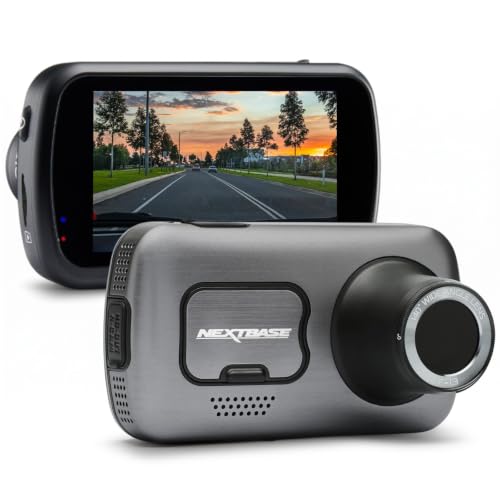 |
Nextbase 622GW Dash Cam Full 4K/30fps UHD Recording in CarNextbase | Also great | 4K · Nextbase 622GW · Wi-Fi GPS | $199.99
Price as of 24 Oct 2026
|
View |
 |
THINKWARE ARC700 Dash Cam 4K Front and 2K Rear, Dual HDR,THINKWARE | Also great | 4K/2K · THINKWARE ARC700 · Dual HDR | $329.99
Price as of 24 Oct 2026
|
View |
 |
BlackVue DR970X LTE Plus II, 4K Dash Cam Front and RearBlackvue | Upgrade pick | 4K · BlackVue DR970X LTE · 24H parking | $540.99
Price as of 24 Oct 2026
|
View |
 |
Vantrue N4 Pro S 4K 3 Channel Dash Cam, Triple STARVIS 2VANTRUE | Also great | 4K/2.5K · Vantrue N4 Pro S · 3CH | $399.99
Price as of 24 Oct 2026
|
View |
Use the table to match the camera to the threat, not to chase the highest resolution number. The right answer changes with where you park, how long the car sits unattended, and whether you need evidence after theft or only after a bump.
How we chose
We compared each model on four security priorities: parked-event capture, evidence quality, power setup, and recurring cost. We also weighed whether the camera can record approach footage, save before-and-after clips, and keep evidence reachable if the unit is taken.
For parking protection, the useful features are motion detection, impact detection, buffered recording, radar-assisted wake-up, and a power path that keeps the camera alive after ignition turns off. For ownership cost, the real bill can include a hardwire kit, a battery pack, LTE data, cloud access, and any add-on module.
Best car cameras for security
Thinkware ARC700: best overall for parked-car protection
The THINKWARE ARC700 is the strongest all-around pick here for security-focused drivers who want front-and-rear evidence and a ready-made parking setup. It records 4K front and 2K rear video, uses dual HDR, and includes a hardwire kit, which matters if you want parking mode to stay active after shutdown.
It fits drivers who park on the street, leave a car in shared lots, or want better incident evidence than a single front camera can give. The drawback is cost: at $329.99, it sits above budget models, and like most dual-channel systems, installation takes more planning than a simple plug-in camera.
VIOFO A119 V3: best budget front-only option
The VIOFO A119 V3 is the low-cost pick for drivers who want security features without moving into a full dual-channel setup. It uses an SMP IMX335 STARVIS sensor, offers three parking modes including motion and impact, and includes GPS for speed and route data.
This model makes sense if your main concern is recorded proof of vandalism, a hit while parked, or a break-in attempt on the front side of the car. The drawback is obvious: front-only coverage leaves the rear uncovered, so it is weaker for tailgating damage, rear-end impacts, and many staged claims.
Nextbase 622GW: best for high-resolution driving footage with parking add-ons
The Nextbase 622GW suits buyers who want strong daytime and nighttime driving video and a familiar premium interface. It records 4K at 30fps, adds image stabilization, and includes what3words for precise offline location support.
As a security camera, it is less direct than the dual-channel options unless you add the right parking power setup. The drawback is that the listing emphasizes driving features more than always-on surveillance, so it is not the clearest choice if your main need is parked-car theft evidence.
BlackVue DR970X LTE Plus II: best premium remote-alert option
The BlackVue DR970X LTE Plus II is the strongest fit for owners who want a security camera that can keep sending information even when the car is out of sight. It has built-in LTE, cloud connectivity, STARVIS 2, 4K front and rear recording, and power-loss protection for parking use.
That makes it a good match for street parking, fleet oversight, or situations where remote live view and alerts matter as much as the clip itself. The drawback is cost of ownership: at $540.99, it is the priciest model here, and LTE use adds a data plan or service expense on top of the camera.
Vantrue N4 Pro S: best for cabin coverage and 3-channel evidence
The Vantrue N4 Pro S is the right fit if you need front, rear, and cabin coverage in one system. It uses triple STARVIS 2 sensors, records 4K plus 1080P plus 2.5K across three channels, and includes 24/7 buffered parking mode for security capture.
This setup matters for rideshare use, break-ins that target the cabin, and theft claims where interior footage helps identify the driver or passenger. The drawback is size and complexity: three channels mean more wiring, more setup time, and a higher learning curve than a simple dual-channel unit.
Quick picks
| Pick | Best for | Key security feature | Price |
|---|---|---|---|
| THINKWARE ARC700 | Most drivers who want parked-car protection | 4K front, 2K rear, dual HDR, hardwire kit included | $329.99 |
| VIOFO A119 V3 | Budget front-only coverage | Three parking modes, motion and impact detection | $119.99 |
| Nextbase 622GW | High-resolution driving footage | 4K recording with image stabilization | $199.99 |
| BlackVue DR970X LTE Plus II | Remote alerts and cloud access | Built-in LTE, cloud connectivity, power-loss protection | $540.99 |
| Vantrue N4 Pro S | Cabin monitoring and 3-channel coverage | Front, rear, and inside recording with buffered parking mode | $399.99 |
Car camera decision matrix
| Scenario | Required features | Installation level | Recurring costs | Best-fit camera type |
|---|---|---|---|---|
| Apartment street parking | Parking mode, buffered recording, low-power wake-up, strong night capture | Medium to high; hardwire kit usually needed | Possible cloud service, occasional memory card replacement | Dual-channel dash cam with radar-assisted or buffered parking mode |
| Driveway theft deterrence | Remote live view, real-time alerts, cloud upload, parking coverage | Medium; hardwire or battery support needed | LTE data plan, cloud subscription | 4G LTE dash cam with app alerts and cloud event upload |
| Break-in evidence | Buffered parking recording, motion and impact detection, cabin or rear coverage if needed | Medium to high; may need rear or cabin wiring | Cloud storage or LTE service if you want off-device backup | Dual-channel or 3-channel dash cam with buffered parking mode |
| Fleet monitoring | Remote access, event uploads, multi-vehicle oversight, reliable parked-mode recording | High; often professional installation | LTE data plan, cloud platform, possible fleet admin fee | 4G LTE dash cam or fleet-oriented cloud camera |
Say your sedan lives on a city street and the main risk is a mirror strike or keyed door. Buffered parking recording matters more than ultra-high resolution, because the important clip is the approach, the contact, and the walk-away.
Suppose your SUV sits in a driveway and the worry is theft or a crawl under the body for parts. Remote alerts and cloud upload matter more, because you may want evidence even if the camera itself gets taken.
Which dash cam is best for parking security?
The best dash cam for parking security is the one that records the event you are most likely to face. Motion detection is fine for simple approach alerts, but buffered recording is better for vandalism and break-ins because it saves footage before and after the trigger, not only after impact.
When motion detection is enough
Motion detection works when you mainly want a low-cost record of someone approaching the car or loitering around it. It is simpler on power and storage, but it can miss the moments before the trigger, which is exactly when a hand reaches for a handle or a tire is slashed.
When buffered parking recording matters more
Buffered parking recording is the better choice when the goal is evidence, not just a notification. It keeps a short pre-event window so the clip shows the approach, then the hit, keying, or door pull, which gives investigators or insurers more context than an impact-only file.
When radar-assisted sensing is worth paying
Radar-assisted motion sensing is worth the extra cost when you park in busy, low-light, or high-traffic areas and want fewer false wakes. It can wake the camera on approach while using less power and storage than a basic motion trigger, which helps in long parking stretches.
When a 4G LTE dash cam is worth it
A 4G LTE dash cam is worth it when you want live view, real-time alerts, and cloud upload from outside the car. It is the right tool if the vehicle is parked far away, if the theft risk is higher, or if you need a record that can still leave the camera if the thief takes the unit.
Remote live view and real-time alerts
Remote live view helps you check a parked vehicle without walking to it, and real-time alerts tell you when motion, impact, or a parking event occurs. That is useful for fleet oversight, long-term street parking, and owners who need to react quickly while the car is unattended.
Cloud upload if the camera is stolen
Cloud event upload is a backup layer for break-ins and theft attempts. If the camera is removed or damaged, the clip may already be in the cloud, but the service requires connectivity and usually an active subscription or plan.
Data plan and subscription costs
LTE does not come free. You should expect a data plan, and many systems add cloud fees on top of the hardware price. That recurring cost makes sense for some drivers, but it is easy to overspend if your parking risk is limited to occasional street dings.
Which camera type fits your vehicle?
The right camera type depends on whether you need the best evidence, the easiest install, or the widest coverage. A dual-channel system is usually the strongest security choice for a normal passenger car, while a 3-channel setup fits cabin monitoring and rideshare work.
Dual-channel dash cam for front and rear evidence
A dual-channel dash cam gives you front and rear coverage, which is often better than a single camera for parking security. It helps with hit-and-run damage, tailgating before a collision, and staged incidents where the rear angle shows what the front misses.
Common pairings are 4K front and 2K rear, or 4K front and 1080p rear. Sony STARVIS 2 sensors matter here because low-light image quality is what helps in dark streets, dim garages, and parking lots where plates and faces are harder to read.
Hardwire kit or battery pack for parking mode
Parking mode usually needs a hardwire kit or a battery pack. The hardwire kit keeps power flowing after ignition off, and that is why many always-on systems need it for motion detection, impact detection, and buffered recording to work at all.
A common first-timer mistake is buying a camera for security, then leaving it in standard drive mode only. That still records while driving, but it can go dark the moment the key turns off, which means the important event never gets captured.
Single-channel only if you mainly need driving footage
A single-channel camera still makes sense if your main goal is road footage and your parking risk is low. It is simpler to mount and cheaper to buy, but it is not the best answer for security because the rear of the car and the cabin remain uncovered.
How to choose the right model
- Start with the threat. Street parking, driveway theft, break-ins, and fleet monitoring need different features.
- Decide how much of the car must be covered. Front-only is simpler, while dual-channel is stronger for evidence.
- Check parking power before anything else. If you want parked-event capture, plan on a hardwire kit or battery pack.
- Choose buffered recording if you care about what happened before the hit, not only after it.
- Pay for LTE only if remote alerts or cloud upload truly matter to you.
- Budget for the full system: camera, storage card, hardwire kit or battery pack, and any subscription or data plan.
The cost picture is easy to underestimate. A camera that looks inexpensive at checkout can cost more over time if it needs an LTE plan, cloud access, or an add-on module to do the job you actually want.
Which one should you buy?
If you want the best balance of parking protection and clean evidence, choose the THINKWARE ARC700. If your budget is tight and you only need front-side coverage, the VIOFO A119 V3 is the simpler buy. If you need remote live view and cloud backup, step up to the BlackVue DR970X LTE Plus II.
If your main problem is cabin incidents, rideshare issues, or theft inside the vehicle, the Vantrue N4 Pro S is the better fit because it adds interior coverage. The Nextbase 622GW is better for buyers who care more about driving footage and want a premium 4K unit with less emphasis on remote parking security.
One more note: a 4K badge alone should not decide the purchase. For security, power management, parking mode, and evidence retention matter more than resolution by itself. The right camera is the one that keeps recording when the car is not running.
Frequently asked questions
What is the best car camera for security?
The best car camera for security is usually a dual-channel model with buffered parking mode and a hardwire kit. That setup records front and rear, keeps the camera alive after ignition off, and captures more of the sequence around a vandalism or theft attempt than a standard driving-only dash cam.
Do I need a hardwire kit for parking mode?
Yes, in many cases you do. Parking mode usually needs a hardwire kit or a battery pack because the camera has to stay powered after the car is shut off. Without that power path, motion and impact detection may never run while the vehicle is parked.
Are 4G LTE dash cams worth it for car security?
They are worth it if you want remote live view, real-time alerts, and cloud upload even when the car is out of sight. The downside is recurring cost, since LTE usually needs a data plan and sometimes a cloud subscription, so the value depends on how serious your parking risk is.
Can a dash cam record while the car is parked?
Yes, but only if the camera supports parking mode and has the power source to stay on. Standard dash cams usually shut off with the ignition, so parked incidents can be missed unless you add a hardwire kit, battery pack, or another always-on power solution.
Which dash cam works best for hit-and-run parking lot damage?
A dual-channel dash cam with buffered parking recording is the best fit for hit-and-run damage. Rear coverage helps when the impact comes from behind, and buffered clips show the moments before contact, which can be more useful than a short post-hit clip alone.
How much does a good car security camera cost?
Prices vary a lot by power and connectivity. In this group, the VIOFO A119 V3 is $119.99, the Nextbase 622GW is $199.99, the THINKWARE ARC700 is $329.99, the Vantrue N4 Pro S is $399.99, and the BlackVue DR970X LTE Plus II is $540.99. Add storage, installation parts, and any LTE or cloud fees.
Products related to this article
Sponsored / affiliate links. As an Amazon Associate I earn from qualifying purchases. I may earn additional commission from eligible campaigns.