3 Best Snow Tires for Cars (2026): We Compared
For winter driving in cars, these three picks are commonly highlighted: the Bridgestone Blizzak WS90 for ice, the Continental VikingContact 8 for mixed winter commuting, and the General AltiMAX Arctic 12 for value. Start with the road surface you face most often, because winter tires are traction tools, not a badge contest.
Quick comparison

| Product | Badge | Best for | Price | ||
|---|---|---|---|---|---|
 |
Bridgestone Blizzak WS90 Winter/Snow Passenger TireBridgestone | Our pick | 215/55R16 · 97H · Blizzak WS90 Winter | $166.03
Price as of 19 Oct 2026
|
View |
 |
Michelin X-Ice Snow 195/65R15 95T Bsw Winter tireMICHELIN | Budget pick | 195/65R15 · 95T · X-Ice Snow Winter | $133.00
Price as of 19 Oct 2026
|
View |
 |
Continental VikingContact 8 Winter 205/50R17 93H XLContinental | Upgrade pick | 205/50R17 · 93H · VikingContact 8 Winter | $181.99
Price as of 19 Oct 2026
|
View |
The right winter tire depends on what your roads punish most. Ice-first drivers should favor the strongest braking and turn-in on slick surfaces, while frequent highway commuters may want quieter manners and longer tread life.
| Tire | Best use case | Ice bias | Deep-snow bias | Tread-life expectation | Comfort/noise note | Who should skip it |
|---|---|---|---|---|---|---|
| Bridgestone Blizzak WS90 | Ice, packed snow, stop-and-go city winter driving | Very strong | Strong | Average for a winter tire | Comfortable enough, but not the quietest or longest-wearing choice | Drivers who spend most winter miles on cleared roads and want the longest service life |
| Continental VikingContact 8 | Mixed winter use, commuting, highway miles | Strong | Strong | Better-than-average for the class | Quiet ride and low rolling resistance are the appeal | Drivers who want the most aggressive snow bite above all else |
| General AltiMAX Arctic 12 | Budget winter setup and flexible buy-in | Moderate to strong | Moderate to strong | Typical for an affordable winter tire | Acceptable, but less polished than premium picks | Drivers who want the quietest cabin or the most refined steering feel |
Decision rule: pick the Blizzak WS90 if ice is the problem, the VikingContact 8 if you split time between slush, cleared pavement, and highway miles, and the AltiMAX Arctic 12 if price matters most.
How we chose
These are winter/snow passenger tires for cars, coupes, hatchbacks, and compact crossovers. They use rubber compounds that stay pliable in freezing temperatures, and they are built around snow traction, ice grip, and cold-weather braking rather than year-round balance.
Only tires with the three-peak mountain snowflake symbol belong here. That 3PMSF mark is the severe snow-service indicator, and you should check the sidewall when you want a true winter tire.
The shortlist also separates by job. Ice grip, deep-snow bite, road noise, and tread-life tradeoffs matter more than brand reputation when you are deciding what to mount before the first hard freeze.
Consumer Reports says winter tires offer the best available grip in foul winter weather and at sub-freezing temperatures, but they can give up some dry and wet-road grip. That tradeoff is why value, comfort, and weather pattern all matter.
Bridgestone Blizzak WS90: best for ice
The Blizzak WS90 fits drivers who regularly face black ice, packed snow, and slick intersections. TireGrades lists it as the top car winter tire with a 9.2 overall rating and a 9.3 snow-performance rating, and TireReviews names it best for ice and deep snow.
That is the premium winter benchmark in this group. The WS90 keeps landing near the top because it delivers strong snow traction and ice grip, which matter most when a car needs to stop and turn on low-friction roads.
The drawback is the usual premium-winter compromise: it is not the best match for drivers who want maximum tread life or the calmest highway behavior. If your winter roads are mostly plowed and dry between storms, you may be paying for capability you rarely use.
Picture a compact sedan that starts every morning on a city street with shaded corners and frequent refreeze. The WS90 makes sense there, because ice control matters more than a little extra road noise or a slightly softer feel on clear pavement.
Continental VikingContact 8: best for comfort
The VikingContact 8 suits drivers who want a quieter winter tire for commuting and highway miles. Based on the published product details, it is tuned for reduced rolling resistance and durable construction, which is the sort of setup many mixed-use drivers notice over a long season.
This is the practical middle ground in the three-tire shortlist. It still belongs in true winter duty, but it is the best fit when you want winter traction without giving up as much refinement as a more aggressive snow-first tire.
The tradeoff is that it is not the obvious first choice if your winter driving is dominated by steep, unplowed roads or repeated ice events. If you want the hardest-pulling snow tire in this group, the Blizzak WS90 stays the sharper choice.
Suppose a hatchback spends most of its winter on salted arterials, with occasional snowfalls and a 40-minute highway commute. The VikingContact 8 fits that pattern because it aims for balanced grip, lower noise, and a calmer ride.
General AltiMAX Arctic 12: best for value
The General AltiMAX Arctic 12 is the budget-minded winter pick. TireReviews calls it the best budget winter tire, and TireGrades gives it a 9.0 overall rating as the best value pick, which is why it belongs on any short list built around price discipline.
It is also often cited as a studdable option, which matters in areas where local rules allow studs and a driver wants an added traction path for severe conditions. If studs are not legal in your area, that feature may not matter at all.
The drawback is refinement. Value tires usually give up some steering polish, road noise control, or tread-life sophistication versus premium models, and the Arctic 12 is no exception in the way it is positioned.
A common first-timer mistake is to buy the cheapest winter tire without checking the road pattern. If your area gets frequent ice storms and you drive a small car year-round on worn pavement, the Arctic 12 can make sense; if your roads are mostly clear, a less aggressive or more comfort-focused pick may be smarter.
Which one should you buy?
Choose the Blizzak WS90 if ice is your main problem. That is the tire to buy when you spend more time on frozen intersections, shaded roads, and compacted snow than on clean pavement.
Choose the VikingContact 8 if you want quieter commuting and better all-season-like civility without leaving winter tire territory. It is the best fit for drivers who want one tire to handle mixed winter roads and a lot of pavement miles.
Choose the AltiMAX Arctic 12 if price matters most. It is the most sensible entry point here when you still want a true winter tire with the 3PMSF marker and you do not want to overspend for premium ice performance.
If your winter driving is mostly on cleared roads, a winter tire may still be useful, but you may not need the most aggressive model. In that case, comfort and tread life can matter more than deep-snow bite.
When should you switch to winter tires?
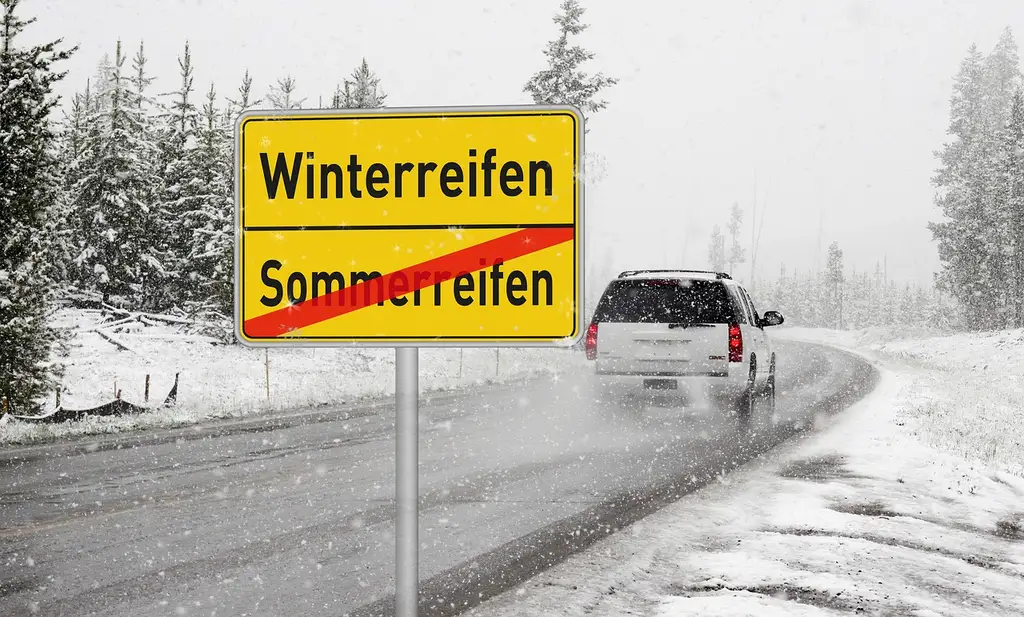
Switch when cold weather stays, not when the first storm lands. A good practical trigger is sustained sub-freezing weather, because winter tires are designed for freezing temperatures and their rubber compounds stay flexible when all-seasons begin to stiffen.
The same source recommends starting winter shopping when tread reaches 4/32-inch depth, even though 2/32-inch is the worn-out limit. That earlier threshold gives you time to buy before the season, instead of waiting until the tire is already done. (Consumerreports)
Say your car is down to 4/32-inch tread in October and your area sees freezing mornings by November. That is the time to plan a replacement, because winter performance falls off before the legal wear-out point arrives.
This is also where all-season versus winter tradeoffs become real. Winter tires offer the best grip in snow and cold, but they can compromise dry and wet-road performance and they add the cost and inconvenience of a second set.
Do you need winter tires on all four wheels?
Yes, a full set is the safer setup. Car and Driver recommends fitting winter tires in full sets of four, and that advice matters because braking, steering, and cornering all depend on balanced grip at each corner.
If you only replace two tires, the car can become uneven in a turn or during braking on slick pavement. The stronger axle may hold better than the weaker one, but the vehicle’s overall balance can still feel odd and less predictable.
That is especially important on cars, where short wheelbases and lighter weight can make traction changes feel abrupt. Matching all four tires keeps the car closer to the behavior the chassis was designed to expect in winter.
What are the best snow tires for cars?
For cars, the best snow tires here are the Bridgestone Blizzak WS90 for ice, the Continental VikingContact 8 for mixed winter commuting, and the General AltiMAX Arctic 12 for value. Those three cover the main needs most drivers actually face: maximum bite, quieter daily use, or lower entry cost.
Winter tires for cars are built for snow traction, ice grip, and cold-weather braking. They are not generic all-seasons with a winter label; the 3PMSF mark is the sidewall clue that you are looking at a true severe snow-service tire.
Are winter tires better than all-season tires in snow?
Yes, winter tires are the better grip choice in snow and sub-freezing weather. The same source says they provide the best available grip in foul winter weather, while all-seasons usually give up traction once temperatures drop and the roads turn slick.
The tradeoff is that winter tires can lose some dry and wet-road grip, and they add the cost of a second set or seasonal swap. If winter is short and roads are often clear, that extra hassle may matter as much as the traction gain.
What does the 3PMSF symbol mean on a tire?
The three-peak mountain snowflake symbol is the severe snow-service marker for a winter or snow tire. It should be on the sidewall if the tire is meant for true winter use, and it is the key check before you buy.
That symbol does not make every winter tire identical, though. It only tells you the tire has met the industry severe snow-service standard; the difference between ice, deep snow, and value still comes from the specific model and tread design.
How much tread depth do I need to replace tires before winter?
For winter planning, 4/32-inch is the smarter replacement threshold, and 2/32-inch is the worn-out limit. The earlier mark matters because winter traction drops before a tire is technically illegal to use.
That gives you a useful shopping rule: if a tire is near 4/32-inch before the cold season starts, move now rather than waiting. You will have more time to compare the right winter model, the right size, and the right mounting plan.
Frequently asked questions
What is the best budget snow tire for a car?
The General AltiMAX Arctic 12 is the best budget pick in this shortlist. It is the value choice for drivers who want a true winter tire with the 3PMSF mark and are willing to give up some refinement for a lower buy-in.
Which winter tire is best for ice and deep snow?
The Bridgestone Blizzak WS90 is the strongest ice-and-snow performer in this group. It is the premium pick when you care most about stopping, turning, and getting moving on packed snow or polished ice.
Products related to this article
Sponsored / affiliate links. As an Amazon Associate I earn from qualifying purchases. I may earn additional commission from eligible campaigns.