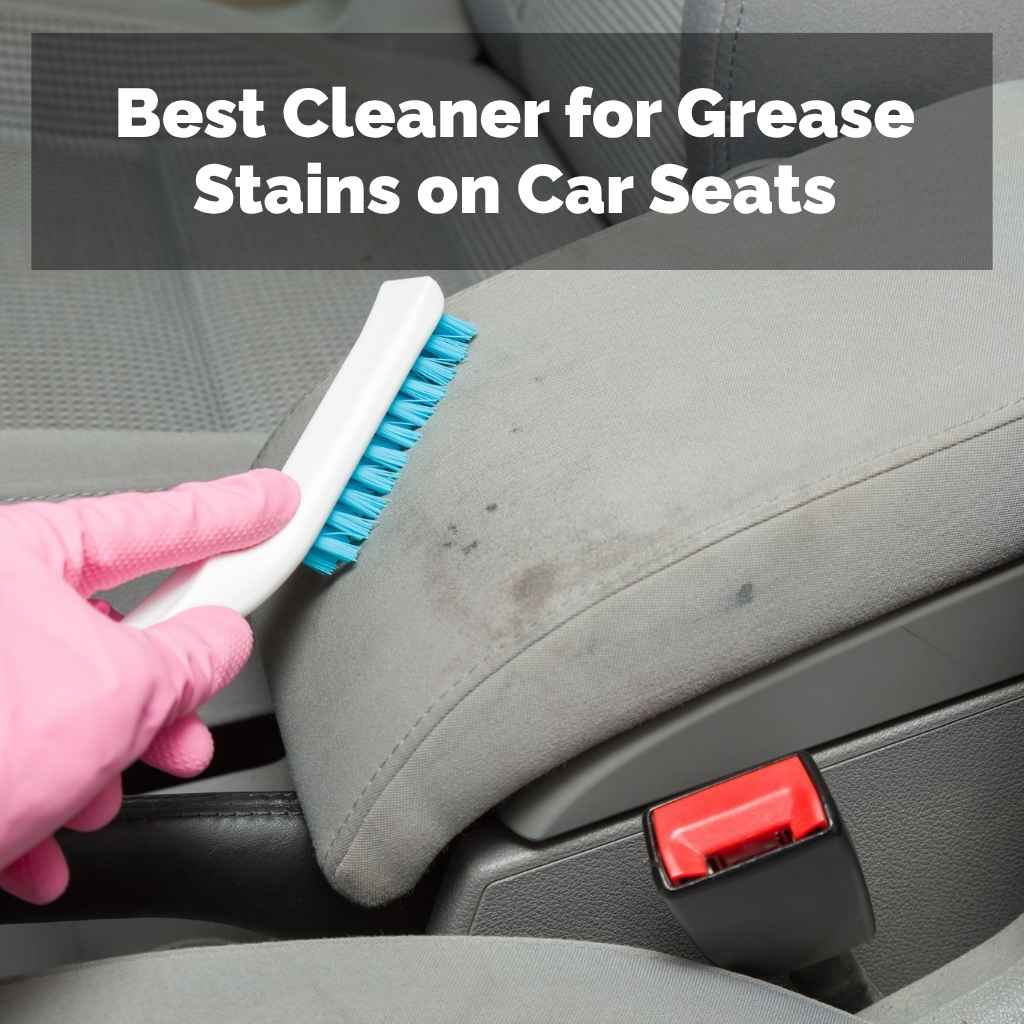
Best Cleaner for Grease Stains on Car Seats
Dealing with grease stains on car seats can be tricky, especially if you’re new to cleaning your car. You might wonder which products really work or if you’ll end up making the stain worse. Don’t worry!
Finding the Best Cleaner for Grease Stains on Car Seats is easier than you think. This guide will show you exactly what to do, step by step. We’ll help you get your car seats looking great again without any fuss.
Selecting the right cleaning solution is the first, most important step in tackling grease stains on your car seats. The effectiveness of your cleaning efforts depends heavily on the product you choose. Different car seat materials, like fabric, leather, or vinyl, require specific types of cleaners to avoid damage.
Using a cleaner meant for one material on another can lead to discoloration, cracking, or even permanent damage. Therefore, identifying your car seat’s material is key to picking a safe and effective cleaner.
For fabric car seats, which are common, grease stains can soak deep into the fibers. This makes them harder to lift out. You’ll want a cleaner that can penetrate these fibers and break down the oily residue.
Leather and vinyl seats, on the other hand, have non-porous surfaces. Grease tends to sit on top, but it can still cause staining if not removed promptly. For these materials, a gentle cleaner that won’t strip away protective coatings is best.
Many car owners find themselves overwhelmed by the sheer number of cleaning products available. This confusion can lead to purchasing the wrong product or using a product incorrectly, which might not remove the stain and could even damage the seat. The goal is to find a cleaner that is tough on grease but gentle on your car’s interior.
The following sections will explore different types of cleaners and provide guidance on selecting the absolute Best Cleaner for Grease Stains on Car Seats for your specific needs.
Fabric Seat Cleaners
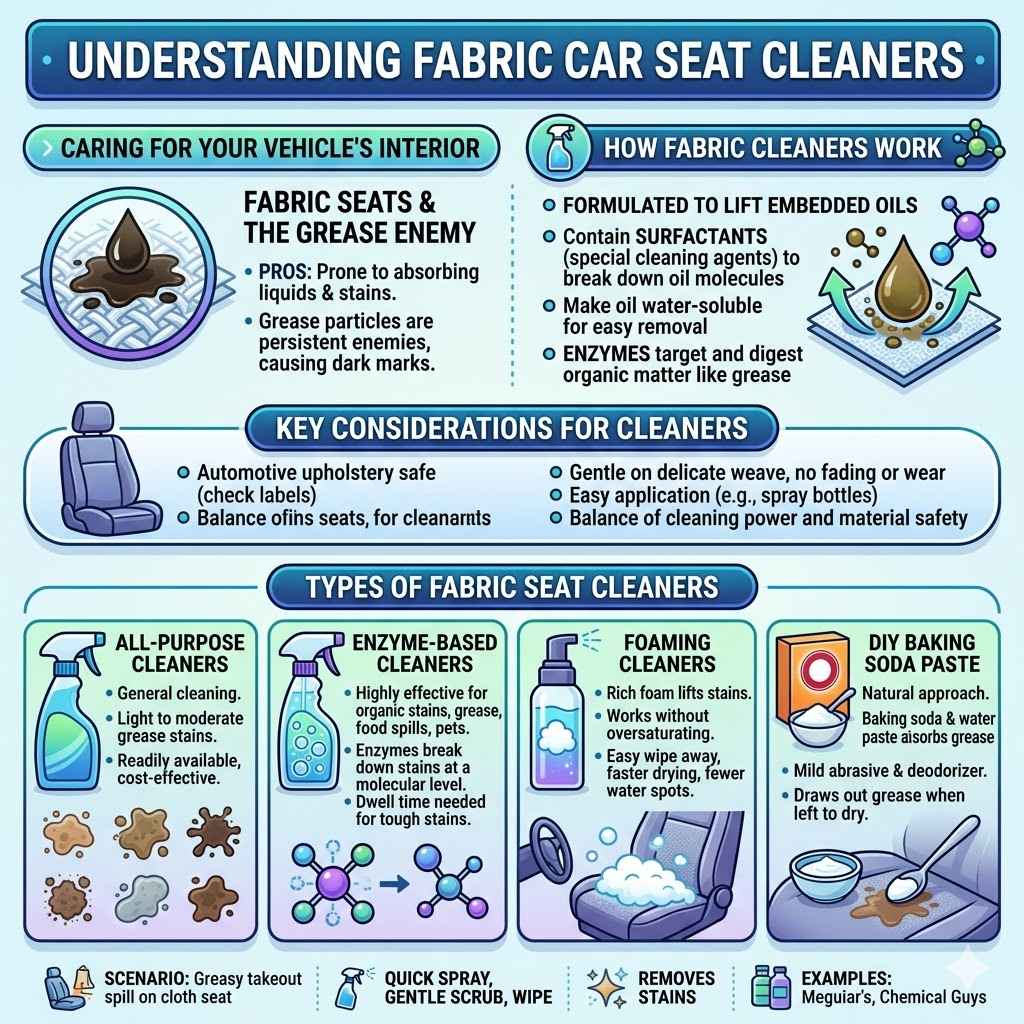
Fabric car seats are prone to absorbing liquids and stains, making grease a persistent enemy. The fibers in fabric can hold onto oil, causing a dark, unsightly mark. Therefore, fabric cleaners are formulated to lift these embedded oils without damaging the delicate weave of the seat material.
These cleaners often contain surfactants, which are special cleaning agents that help to break down grease and oil molecules. They work by surrounding the oil particles and making them water-soluble, so they can be easily wiped away or rinsed. Some fabric cleaners also include enzymes that specifically target and digest organic matter, like grease.
This makes them very effective for stubborn stains.
When choosing a fabric cleaner, always check the label to ensure it is safe for automotive upholstery. Some household cleaners might be too harsh and could cause fading or wear. A good fabric cleaner should also be easy to use.
Most come in spray bottles, making application simple. The key is to find one that offers a good balance of cleaning power and material safety.
Types of Fabric Seat Cleaners
All-Purpose Fabric Cleaners These are designed for general cleaning and can tackle light to moderate grease stains. They are usually the most readily available and cost-effective option for everyday messes. They work by lifting dirt and grime along with some grease.
Enzyme-Based Cleaners These are highly effective for organic stains, including grease, food spills, and pet accidents. Enzymes break down the stain at a molecular level, making them ideal for tough, set-in grease. They often require a bit of dwell time to work their magic.
Foaming Cleaners These cleaners create a rich foam that helps to lift stains from the surface of the fabric. The foam allows the cleaning agents to work on the stain without oversaturating the fabric. They are generally easy to wipe away, reducing drying time and the risk of water spots.
DIY Baking Soda Paste For a natural approach, a paste made from baking soda and water can absorb grease. Baking soda is a mild abrasive and a natural deodorizer. It can help to draw out the grease from fabric fibers when left to dry on the stain.
Many car owners have had success with specific brands known for their fabric cleaning capabilities. For instance, Meguiar’s Quik Interior Detailer is often cited for its ability to clean general grime and light grease spots on fabric. For tougher stains, a product like Chemical Guys Fabric Cleaner might be a better choice due to its stronger formula designed to break down tough automotive grime.
These products aim to restore the fabric’s original look and feel.
One common scenario involves a greasy takeout meal spilled on a cloth car seat. The oil quickly soaks in, leaving a dark patch. A quick spray of a good fabric cleaner, a gentle scrub with a brush, and a wipe with a clean cloth can often remove the stain.
This highlights the importance of having the right product on hand.
Leather and Vinyl Seat Cleaners
Leather and vinyl car seats offer a different cleaning challenge compared to fabric. Grease on these surfaces typically sits on top and can make the material look dull or discolored. The main goal is to remove the grease without stripping the natural oils from leather or damaging the protective coating on vinyl.
Leather cleaners are often pH-balanced to mimic the natural pH of leather, preventing it from drying out or cracking. They usually contain conditioners that help to restore the suppleness and shine of the leather after cleaning. Vinyl cleaners are designed to be effective on the plastic-based surface of vinyl, removing grease and grime without etching or dulling the material.
It is important to note that using a cleaner meant for leather on vinyl, or vice-versa, can cause issues. Leather can become stiff or discolored, while vinyl can be damaged by harsh chemicals. Always read the product label carefully to ensure it is suitable for your specific car seat material.
Types of Leather and Vinyl Seat Cleaners
Leather Conditioners with Cleaning Properties Many premium leather care products include mild cleaning agents. These not only remove light grease but also nourish the leather, keeping it soft and protected. They are excellent for routine cleaning and preventing new stains.
Dedicated Leather Cleaners These are specifically formulated to remove dirt, body oils, and grease from leather without drying it out. They are often used with a separate leather conditioner for optimal results. They are generally gentle but effective.
Vinyl and Plastic Cleaners These are formulated to safely clean the surfaces of vinyl and plastic. They can cut through grease and grime, leaving a clean, residue-free finish. Some offer UV protection to prevent fading.
Interior Detailer Sprays Many all-purpose interior cleaners work well on both vinyl and leather, provided they are mild. These sprays are convenient for quick cleanups of light grease marks and general dirt.
A popular approach for leather is to use a two-step process: first, a dedicated leather cleaner to lift the grease, and then a good quality leather conditioner. This ensures that the leather is not only clean but also moisturized and protected. For vinyl, a simple spray cleaner that can cut through the grease and be wiped away with a microfiber cloth is usually sufficient.
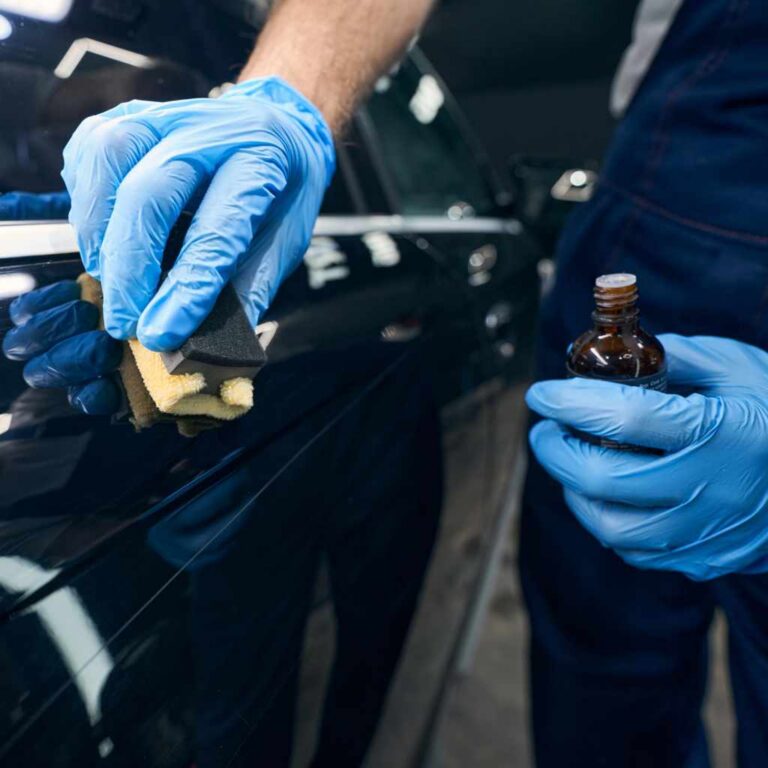
Consider a scenario where grease from hair products or food drips onto a leather car seat. A specialized leather cleaner can be applied with a soft cloth. Gently rub the stained area.
The cleaner lifts the grease, and then a follow-up with a leather conditioner replenishes the material. This preserves the seat’s look and feel for years.
Statistics show that the automotive care market is significant. In 2023, the global car care products market was valued at over $10 billion, with interior cleaners being a major segment. This indicates a high demand for effective cleaning solutions for various car parts, including seats.
Consumers are looking for products that offer both performance and ease of use.
Application Methods and Techniques
Even the Best Cleaner for Grease Stains on Car Seats needs to be applied correctly to achieve the best results. The method you use can significantly impact how well the grease is removed and whether any damage occurs to your car’s interior. Proper technique ensures that you are cleaning effectively without causing unintended harm.
Before you start, it’s crucial to gather the right tools. Microfiber cloths are essential. They are soft, absorbent, and non-abrasive, making them ideal for applying cleaners and wiping away residue without scratching or leaving lint.
You might also need a soft-bristled brush for fabric seats to help agitate the cleaner into the fibers.
Always test any cleaner in an inconspicuous area of the seat first. This is a standard practice in cleaning to ensure the product does not cause discoloration or damage. Apply the cleaner to the test spot, wait a few minutes, then wipe it away.
Check the area for any adverse reactions before proceeding to the main stain.
Step-by-Step Cleaning Process
Prepare the Area Remove any loose debris or dirt from the car seat. Vacuum the area thoroughly to ensure that any dry particles do not get rubbed into the fabric or leather during cleaning. This prevents turning loose dirt into muddy smears.
Apply the Cleaner Spray the chosen cleaner directly onto a clean microfiber cloth or directly onto the stained area, depending on the product’s instructions. For fabric seats, it is often best to spray the cloth first to avoid oversaturation. For tougher stains, you might apply directly to the seat.
Agitate Gently For fabric seats, use a soft-bristled brush to gently work the cleaner into the stain. For leather or vinyl, use the cloth to gently rub the area. Avoid harsh scrubbing, which can damage the material or spread the stain further.
Let It Dwell Allow the cleaner to sit on the stain for the time recommended by the manufacturer. This dwell time lets the cleaning agents break down the grease effectively. For some products, a few minutes is enough; for others, it might be longer.
Wipe Away Residue Use a clean, damp microfiber cloth to wipe away the cleaner and dissolved grease. Rinse the cloth frequently in clean water to ensure you are not reapplying dissolved grease. Repeat this wiping process until all cleaner residue is removed.
Dry the Area Blot the cleaned area with a dry microfiber cloth to absorb excess moisture. Allow the seat to air dry completely. Avoid using heat, as it can sometimes set stains or damage certain materials. Good ventilation in the car helps speed up drying.
One common mistake is using too much product. This can lead to residue that attracts more dirt. Another is not rinsing thoroughly.
This also leaves a sticky surface. Adhering to the step-by-step process ensures these issues are avoided.
A real-life example: A driver spilled a greasy bag of chips on their car’s fabric passenger seat. The initial reaction was to rub it, which made it worse. By following the steps – vacuuming, applying a fabric cleaner to a cloth, gently brushing, letting it sit, and then blotting with clean cloths – the stain was completely removed.
This demonstrates the effectiveness of a methodical approach.
When to Seek Professional Help
While many grease stains can be handled with the right cleaner and a bit of effort, there are times when professional help is the best course of action. Sometimes, DIY methods might not be sufficient, or there’s a risk of causing more damage if you’re not careful.
If you have tried several reputable cleaners and techniques without success, it might be time to call in the experts. Professional detailers have access to specialized equipment and stronger cleaning solutions that are not available to the general public. They also have the experience to identify the exact type of stain and the best way to treat it.
Furthermore, if your car seats are made of delicate or exotic materials, or if they are vintage or have sentimental value, you might want to err on the side of caution. Professionals can ensure these materials are treated with the utmost care. Attempting to clean them yourself could lead to irreversible damage.
They can assess the situation and provide the most effective and safest solution.
Signs You Might Need a Professional Detailer
Stubborn, Set-In Stains If a grease stain has been there for a long time and appears deeply ingrained, it may require industrial-strength cleaners or steam treatments that professionals offer. These methods can break down very old or tough grease.
Delicate or Expensive Materials For seats made of fine leather, Alcantara, or custom upholstery, a professional detailer’s expertise is invaluable. They know how to clean these materials without causing fading, cracking, or tearing.
Large or Widespread Stains If a large area of your car seat is affected by grease, or if there are multiple stains, it can be overwhelming to tackle on your own. Professionals can work more efficiently and effectively over larger areas.
Risk of Damage If you are unsure about the material of your car seats or the correct cleaning methods, it’s safer to consult a professional. They can prevent costly mistakes and potential damage from incorrect cleaning products or techniques.
Water Stains or Fading Concerns Sometimes, aggressive DIY cleaning can lead to water stains or uneven fading. Professionals have techniques to avoid these issues and can often restore the even color and appearance of the seats.
Consider the case of a classic car with original leather interior. A spilled engine oil stain on the driver’s seat could be disastrous if cleaned incorrectly. A professional detailer would know the exact type of leather, its current condition, and the safest, most effective way to remove the oil without damaging the aged material or its patina.
This specialized knowledge prevents irreparable harm.
A survey of auto detailers indicated that about 60% of their interior cleaning services involve stain removal, with grease being a common culprit. They often use advanced extraction machines and pH-neutral cleaners that are far more potent than consumer-grade products.
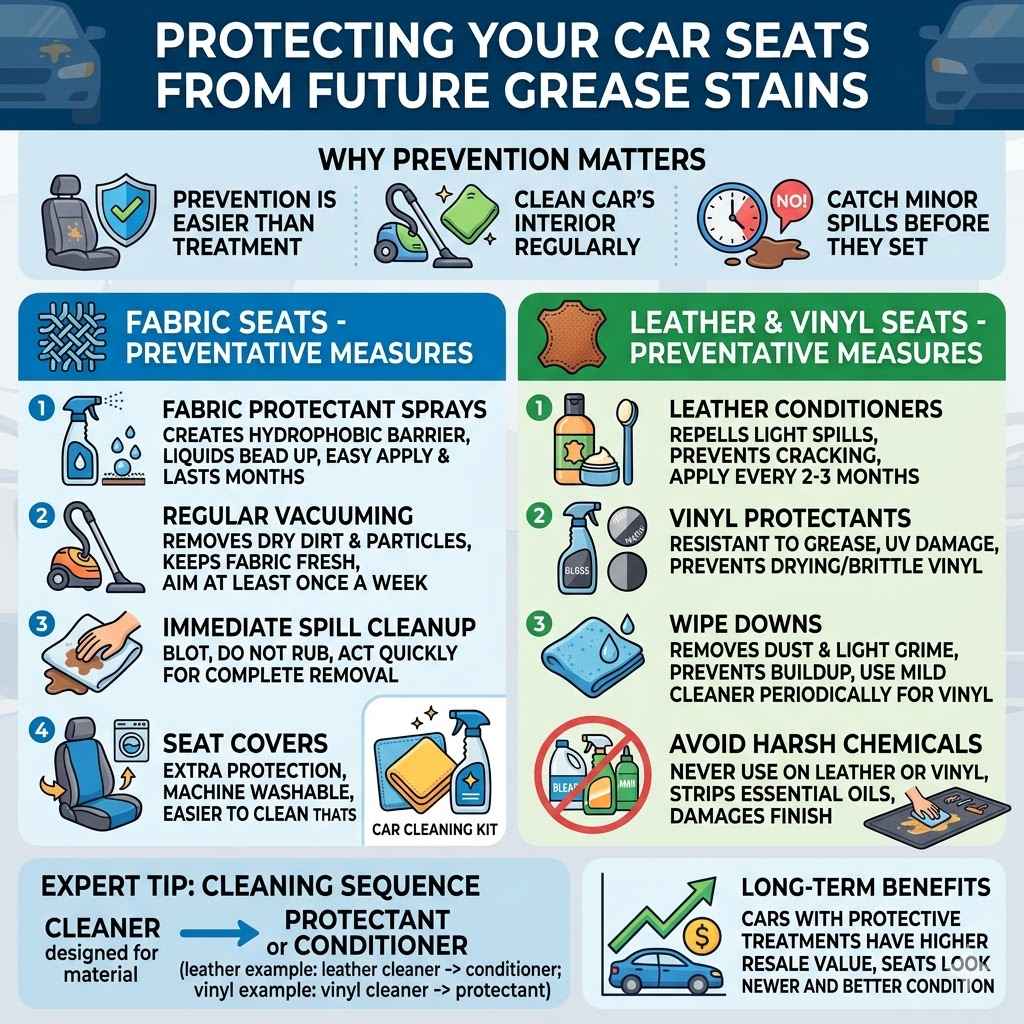
Protecting Your Car Seats from Future Grease Stains
Once you’ve successfully removed grease stains and restored your car seats to their former glory, it’s wise to think about how to prevent them from happening again. Prevention is always easier than treatment, and a little proactive care can go a long way in keeping your car’s interior looking its best.
Regular maintenance is key. By cleaning your car’s interior periodically, you can catch minor spills and spots before they have a chance to set in and become difficult stains. This includes wiping down surfaces and vacuuming regularly to remove any loose debris that could harbor grease or attract it.
Applying protective treatments can also make a significant difference. These products create a barrier on the surface of your car seats, making them more resistant to stains and easier to clean should a spill occur. They can be particularly useful for fabric seats, which are more porous and prone to absorbing stains.
Preventative Measures for Fabric Seats
Fabric Protectant Sprays These sprays create a hydrophobic barrier on fabric fibers. This means liquids, including greasy ones, will bead up on the surface instead of soaking in. They are easy to apply and can last for several months.
Regular Vacuuming Frequent vacuuming removes dry dirt and particles that could trap grease or other spills. It also helps to keep the fabric looking fresh and new by preventing abrasive wear. Aim to vacuum at least once a week.
Immediate Spill Cleanup The moment any spill occurs, blot it up immediately with a clean cloth. Do not rub, as this can push the stain deeper into the fabric. The quicker you act, the higher the chance of complete removal.
Seat Covers For extra protection, especially if you often eat or work in your car, consider using car seat covers. They are much easier to remove and clean than the seats themselves. Many are machine washable.
A practical example is to keep a small cleaning kit in your car. This could include a microfiber cloth and a small bottle of interior cleaner or even a pack of automotive wipes. If a spill happens, you have the tools ready to address it right away.
This immediate action is often the most effective first line of defense.
Statistics from automotive care surveys show that cars with protective treatments applied to their interiors tend to retain higher resale values, partly because the seats look newer and are in better condition. This emphasizes the long-term benefits of preventative care.
Preventative Measures for Leather and Vinyl Seats
Leather Conditioners Regularly conditioning leather seats is crucial. Conditioners not only keep the leather supple and prevent cracking but also help to repel light spills and make cleaning easier. Aim to condition every 2-3 months.
Vinyl Protectants Vinyl protectants add a layer of protection to vinyl surfaces, making them resistant to grease, UV damage, and general wear. Many offer a matte or satin finish and help prevent the vinyl from drying out or becoming brittle.
Wipe Downs Regularly wipe down your leather and vinyl seats with a damp microfiber cloth. This removes dust and light grime before it can build up and attract grease. For vinyl, a mild interior cleaner can be used periodically.
Avoid Harsh Chemicals Never use household cleaners, bleach, or ammonia-based products on leather or vinyl. These can strip essential oils from leather, causing it to dry out and crack, and can damage the finish of vinyl.
Consider a scenario where you frequently transport tools or equipment that might have grease on them. Applying a vinyl protectant to your cargo area seats can make wiping away any accidental grease transfer much simpler. The protectant allows the grease to be wiped off easily, preventing it from staining the vinyl.
A car detailing expert might recommend a specific order of operations: first, use a cleaner designed for the material, then a protectant or conditioner. For example, on leather, clean first with a dedicated leather cleaner, then apply a conditioning product. For vinyl, clean with a vinyl cleaner, then apply a protectant spray.
This ensures the surface is clean before the protective layer is applied.
Frequently Asked Questions
Question: What is the best way to remove fresh grease stains from car seats?
Answer: For fresh grease stains, act quickly. Blot up as much of the excess grease as possible with a clean paper towel or cloth. Then, apply a small amount of your chosen cleaner (fabric cleaner for cloth, leather cleaner for leather) to a separate cloth and gently dab the stain.
Work from the outside in to prevent spreading.
Question: Can I use dish soap to clean grease stains on car seats?
Answer: Mild dish soap can sometimes work on very light grease stains, especially on vinyl, but it’s not ideal for car seats. Dish soap can strip natural oils from leather and may leave a residue on fabric that attracts dirt. It’s better to use products specifically designed for automotive interiors.
Question: How often should I clean my car seats?
Answer: It’s a good idea to clean your car seats at least every 2-3 months, or more often if you notice spills or stains. Regular cleaning helps prevent dirt and grease from building up and becoming difficult to remove. Vacuuming weekly is also recommended.
Question: Will using a lot of cleaner remove grease better?
Answer: No, using too much cleaner can be counterproductive. Excess product can leave residue that attracts more dirt and can be difficult to rinse out. It’s best to use the amount recommended by the cleaner’s manufacturer and to follow the application instructions carefully.
Question: What if the grease stain is old and has dried into the fabric?
Answer: Old, dried-in grease stains are more challenging. You might need to use a stronger enzyme-based cleaner designed for tough stains. Allow the cleaner to dwell for a longer period and gently agitate with a soft brush.
For very stubborn stains, professional cleaning might be the best option.
Summary
Tackling grease stains on car seats is manageable with the right approach. By understanding your seat material, selecting the Best Cleaner for Grease Stains on Car Seats specifically for it, and using proper application techniques, you can effectively restore your car’s interior. Don’t forget preventative care to keep your seats looking great for longer.
You’ve got this!