Best Detailing Vacuums for Drivers (2026): we compared
The best car detailing vacuum for everyday drivers is the one matched to your mess type, power source, and storage space; for most people, that means a compact wet-dry or corded model with strong pull and the right attachments for seams, carpets, and trim. Pick badly, and you waste time fighting crumbs, pet hair, or dead batteries while grime keeps building in seams and carpet. This guide breaks down the best vacuum type for commuters, parents, pet owners, apartment dwellers, and weekend detailers.
Quick comparison
| Product | Badge | Best for | Price | ||
|---|---|---|---|---|---|
 |
Shop-Vac 5 Gallon 6.0 Peak HP Portable Wet/Dry Vacuum withShop-Vac | Our pick | 5 Gal · 6.0 Peak HP · Wet/Dry | $130.39
Price as of 30 Sep 2026
|
View |
 |
BLACK+DECKER dustbuster AdvancedClean Handheld VacuumBLACK+DECKER | Budget pick | Cordless Handheld · Compact Design | $59.99
Price as of 30 Sep 2026
|
View |
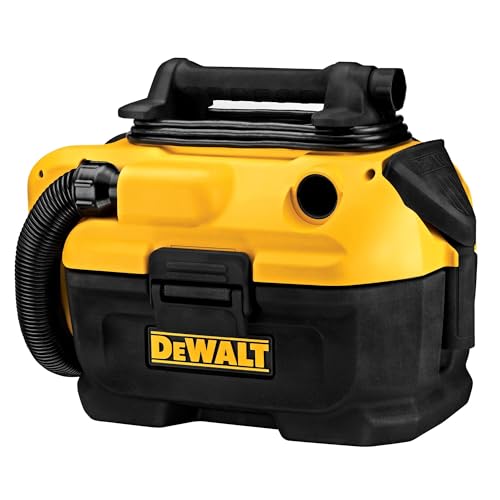 |
DEWALT 20V MAX Shop Vacuum Wet and Dry, Shop Vac 2 Gallon,DEWALT | Upgrade pick | 20V MAX · 2 Gal · Dual Power | $199.00
Price as of 30 Sep 2026
|
View |
 |
RYOBI ONE+ 18V Cordless 5 Gal. Wet/Dry Vacuum Kit withRYOBI | Also great | 18V Cordless · 5 Gal · Kit | $128.99
Price as of 30 Sep 2026
|
View |
The fastest split is simple: cordless handhelds win on grab-and-go cleanup, while wet/dry shop vacs win on reach, tank size, and spill handling. If you park outside or clean a bigger cabin, the corded or shop-vac route usually saves more time than it costs.
According to Best Car Vacuums of 2026, Tested by Experts – Car and Driver — Car and Driver’s best overall pick is the Fanttik Slim V10 APEX. (source)
How we chose
The right vacuum here has to handle real car mess, not just a clean marketing demo. We compared suction claims, runtime or hose reach, attachment quality, filtration, emptying mess, and the cost of keeping it in service.
We also weighed parking setup. Apartment dwellers with no outlet nearby need different gear than drivers with garage access. A good pick for one can be a nuisance for the other.
Finally, we looked for failure points: clogging on hair, short battery life, awkward storage, and filters that are annoying to clean or replace.
BLACK+DECKER dustbuster AdvancedClean: best for fast daily cleanups
This is the simplest fit for commuters, parents, and anyone who wants to clear crumbs before they become a stain. The cordless layout, crevice tool, rotating nozzle, and compact size make it easy to grab for seat tracks, console gaps, and floor mats without setting up a larger machine.
What stands out is the convenience math. A small handheld is far more likely to get used on Tuesday afternoon than a bulkier vac that lives in a corner and needs cord management. Car and Driver also names the Black+Decker Dustbuster as its best value pick, which tracks with the kind of routine cleanup most drivers actually do.
The drawback is the same one that hits most cordless handhelds: battery runtime and dust-bin capacity are limited, so a full interior detail can mean stopping to empty and recharge. It is a better daily sweeper than a deep-clean tool, and it can struggle when sand, pet hair, and larger debris pile up together.
DEWALT 20V MAX Shop Vacuum: best for compact cordless wet-dry use
This suits drivers who want wet/dry flexibility without moving up to a full-size garage machine. Based on the spec sheet and owner feedback, the appeal is the dual-power layout, HEPA filter, and 2-gallon tank, which together make it easier to tackle dry grit one day and a spill the next.
The 5 ft. flexible hose can help in footwells and under seats, and this type of handheld setup may be more useful than a flashy motor claim. For fine dust and small messes, that kind of airflow and filtration is a useful combination.
The drawback is reach and scale. A 2-gallon tank is still a small tank, so big piles of sand or repeated wet cleanup will force more emptying than a larger shop vac. It also asks more from the user in charging and filter care than a simple corded unit.
RYOBI ONE+ 18V Cordless 5 Gal. Wet/Dry Vacuum Kit: best for cordless garage cleanup
This is aimed at drivers who want a wet/dry vacuum that still moves around the driveway without extension-cord planning. The included battery, charger, hose, and 5-gallon capacity make it more complete than a bare tool, so it fits a user who wants one purchase to cover routine car cleanup and occasional spills.
The larger tank matters when the job is more than a few french fries and a bit of grit. More capacity means fewer trips to empty, and that is a real advantage when cleaning multiple cars or a muddy cargo area. It also works better for people who clean outside the garage.
The drawback is storage and bulk. A 5-gallon wet/dry unit is not as easy to tuck away as a handheld, and cordless operation still brings charging downtime. If the car lives in an apartment lot and storage is tight, this may be more vacuum than needed for weekly use.
Shop-Vac 5 Gallon 6.0 Peak HP Portable Wet/Dry Vacuum: best for deep cleanup and garage access
This is the strongest fit for owners who clean a messy family car, haul sports gear, or deal with driveway access rather than apartment parking. The 5-gallon tank, 6.0 peak HP motor, blower function, and 28-foot total reach give it the kind of reach and capacity that make a full interior pass less annoying.
For dry debris, this style of vacuum is hard to beat. Bigger tank capacity means less stopping, and the hose-plus-cord setup keeps the unit parked while the nozzle works around seats, cargo floors, and rear footwells. It is the more practical choice when the vehicle is far dirtier than average.
The drawback is setup time and storage. You need somewhere to keep it, plus you have to drag the cord and hose out for each use. For a small apartment or a driver who just wants a 3-minute crumb cleanup, it is more machine than needed.
What is the best car detailing vacuum for everyday drivers?
For everyday drivers, the best car detailing vacuum is usually a cordless handheld for quick resets or a compact wet/dry vacuum for more stubborn dirt and spills. The right answer depends on where you park, how often you clean, and whether your mess is mostly crumbs or includes sand, pet hair, and liquids.
The best overall pick for a lot of commuters is a handheld that has a crevice tool, decent battery runtime, and easy emptying. Car and Driver’s best overall pick is the Fanttik Slim V10 APEX, and its battery lasts just under 14.5 minutes on high, which is enough for fast cleanup but not for long sessions.
That runtime matters. On high, you want enough minutes to clear seats, mats, and a few seams before the battery gives up. If the car is usually light on mess, that tradeoff makes sense. If the car regularly sees gravel, dogs, or spilled snacks, a bigger vacuum becomes more practical.
Should I buy a cordless handheld or a wet/dry shop vac for my car?
Buy a cordless handheld if you want something light, quick to grab, and easy to store. Buy a wet/dry shop vac if your cleanup is larger, wetter, or more frequent, or if you have garage power and want better reach with less battery anxiety.
A handheld works best for daily crumbs, dust, and seat-track dirt. A wet/dry unit is better for cargo areas, sand, wet mud, and bigger messes that would fill a tiny dust bin in one pass. The stronger the mess, the more the tank and hose matter.
Parking setup changes the decision fast. Apartment dwellers without nearby outlets usually do better with cordless or a compact rechargeable unit. Drivers with a garage can put hose length and cord length to work and skip battery downtime.
Decision table: which vacuum fits your driving routine?
| Driver scenario | Best vacuum type | Common mess type | Power source | Storage space | Maintenance burden | Likely failure point |
|---|---|---|---|---|---|---|
| Daily commuter | Cordless handheld | Crumbs, dust, seat-track grit | Battery | Small drawer or closet | Low to moderate | Short runtime on high |
| Parent with snack messes | Compact wet/dry vac | Crackers, sand, sticky bits, spills | Corded or dual power | Garage shelf or trunk corner | Moderate | Frequent emptying and filter cleanup |
| Pet owner | Wet/dry vac with brush and crevice tools | Hair, dander, tracked dirt | Corded preferred | Medium | Moderate to high | Clogging on fur and filter loading |
| Apartment dweller | Cordless handheld | Light debris, dust, small spills | Battery | Very small | Low | Battery fade and small dust bin |
| Weekend detailer with garage access | Shop vac with hose and blower | Heavy debris, wet pickup, full interior reset | Corded | Large | Higher | Bulk, setup time, cord management |
What suction power do I need for pet hair and sand in a car?
For pet hair and sand, you need enough suction to pull debris out of carpet fibers and seams, plus the right attachment to move it toward the nozzle. A weak vac often moves the top layer and leaves the embedded material behind, which is why it feels busy but ineffective.
Carmechan lists the Vacmaster Beast Series with 320 air watts, and The Automobile Guide says the Vacmaster Beast has 5.5 peak HP. On paper, that points to a vacuum better suited to heavier debris and deeper carpet cleanup than a small handheld.
For pet hair, the attachment matters as much as the motor. A detail brush can stir embedded debris from carpets and seams, while a crevice tool gets into seat tracks and the narrow channel beside consoles. Without those, suction alone has to do all the work.
Are HEPA filters worth it in a car detailing vacuum?
Yes, HEPA filters are worth it if you care about fine dust control, allergy-prone passengers, or keeping debris from blowing back into the cabin. A true HEPA setup is especially useful when cleaning pollen, fine sand, and powdery dirt that can linger in air and fabric.
Carmechan lists the DEWALT handheld with a HEPA filter, and that is the kind of feature that matters more in a dusty car than in a spotless garage. In plain terms, HEPA filtration is about trapping very small particles rather than letting them recirculate when the vacuum exhausts air.
There is still a maintenance cost. A HEPA or HEPA-style filter needs cleaning and eventual replacement, and a clogged filter can reduce airflow fast. If the vacuum is used for pet hair or fine dust, filter care becomes part of ownership, not an afterthought.
What attachments matter most for car vacuuming?
The most useful attachments are the crevice tool, detail brush, and a car-specific nozzle. Those three cover the places that matter in a car: seat tracks, seams, floor edges, vents, and the narrow gaps around the center console and pedals.
A crevice tool should have a narrow nozzle profile so it can reach tight channels without losing contact. A detail brush is useful for stirring debris out of carpet and stitching before suction removes it. A car-specific nozzle, with contoured edges, helps cover floorwells and trim without scraping.
- Use the crevice tool for seat rails and console gaps.
- Use the detail brush on carpets, seams, and textured mats.
- Use the car-specific nozzle for footwells, trim edges, and larger flat areas.
Can a compact car vacuum handle a full interior detail?
A compact car vacuum can handle a full interior detail only if the mess is light and the battery or dust bin lasts long enough. For a daily driver with a small amount of dust and crumbs, yes. For sand, pet hair, and a big cargo area, the limits show up fast.
The most common failure is capacity. Small dust bins fill quickly, which means more stops to empty, and emptying is often the messiest part of ownership. The second failure is runtime: once the battery fades, the job stops whether the seats are clean or not.
If the vehicle needs full-detail work more than once in a while, a larger wet/dry vacuum or a corded setup is usually less frustrating over time. That is especially true if the car has fabric seats and deep floor mats.
What is the difference between a car vacuum and a household vacuum?
A car vacuum is built for tight spaces, portable use, and the kind of dirt that hides under seats and in seams. A household vacuum is usually better at broad floor coverage inside a home, but it is awkward in cars because hoses, heads, and power access do not line up well.
Household vacuums also tend to be less friendly around low-clearance areas like seat tracks and footwells. Even when the suction is adequate, the shape is often wrong for vehicle trim and narrow gaps. That is why dedicated car tools win on real-world usability.
The better comparison is not home versus car. It is access versus efficiency. If a vacuum cannot reach the dirt without moving the car around it, it is the wrong tool for the job.
Which vacuum is best for wet spills in a car?
A wet/dry shop vac is best for wet spills in a car because it can pull liquid and dry debris without relying on a small dust bin. For coffee, melted ice, or rainwater pooled in a footwell, wet pickup capability matters more than compact size.
The key is filter compatibility and cleanup steps. Wet pickup usually means removing or changing the dry filter setup, emptying the tank right away, and rinsing the tank after use. Leaving moisture sitting in the system is how odors and clogs start.
The Automobile Guide lists the BISSELL Little Green as a portable extractor with a 48 oz tank, and that type of tool is useful for upholstery wet cleanup. For actual vacuum-only spill pickup, though, a wet/dry unit is the more flexible choice.
How do I clean seats and tight crevices without losing suction?
Start with the right attachment and keep the path clear. A crevice tool handles seat tracks and narrow gaps, while a detail brush loosens embedded debris before suction tries to move it. If the nozzle is too wide or the filter is clogged, airflow drops and the job slows down.
For fabric seats, work in short passes rather than one long sweep. That keeps debris from building up at the nozzle opening. If the vacuum has a small dust bin or tank, empty it before it is full; airflow often falls off before the bin looks packed.
Maintenance matters here too. Clean or replace filters on schedule, and make sure the hose is not kinked. A long hose and good attachment shape will do more for tight-space cleanup than raw motor claims alone.
Products related to this article
Sponsored / affiliate links. As an Amazon Associate I earn from qualifying purchases. I may earn additional commission from eligible campaigns.