Best Fuel for Cars: What to Use for Performance
For most cars, the right fuel is the grade in the owner’s manual, usually Top Tier regular unleaded; choose premium only if the manual requires or recommends it, diesel only for diesel engines, and E10 or E15 only when your car is approved for ethanol blends. Wrong fuel choice can waste money, cut economy, trigger knock or warning lights, and in some engines cause hard starting or damage. This guide explains how to pick the right gasoline, when premium truly matters, and how diesel and ethanol blends fit specific vehicles.
How to choose the right fuel
Use the owner’s manual first. If it calls for regular 87 octane, that is the correct fuel for that engine, even if premium sits at the same pump. If it specifies premium, use premium; if it lists diesel, use diesel only. Fuel quality matters most when the octane rating matches the engine’s design and the fuel system matches the blend.
Start with the manual, then the engine type
The manual tells you more than the badge on the trunk. A naturally aspirated commuter car, a turbocharged direct-injection engine, a flex-fuel truck, and a diesel SUV do not want the same fuel. The right answer depends on compression ratio, boost, calibration, and fuel-system materials, not on marketing language at the pump.
Use driving pattern as a second filter
Fuel choice should also match how the vehicle is used. Short trips, hot weather, towing, long highway runs, and repeated hard acceleration can all raise knock risk in engines already close to the edge of their calibration. That is where the manufacturer’s recommended octane matters most.
Say your 2.0-liter turbo sedan recommends 87 octane but starts pulling timing on a hot highway climb. Do not assume premium always adds power. First check whether the manual allows 87, and whether the problem is a fault code, low-quality fuel, or a maintenance issue such as a dirty air filter or worn spark plugs.
Octane ratings explained
Octane measures resistance to knocking, not fuel energy. Common retail grades are 87, 89-90, and 91-94. Higher octane helps engines that are designed for it, especially some high-compression and turbocharged engines, but it does not create extra power in an engine calibrated for regular unleaded.
What 87, 89-90, and 91-94 mean
Regular unleaded is 87 octane and suits most vehicles when the manual specifies it. Mid-grade, usually 89-90, sits between regular and premium. Premium, usually 91-94, is aimed at engines that need more knock resistance. The number is about burn behavior under pressure, not fuel quality in a general sense.
Why higher octane is not automatically better
If an engine does not need more knock resistance, premium is usually wasted money. The ECU can often adapt to fuel quality within a range, but that does not mean every engine gains from more octane. In a regular engine, premium generally does not add measurable performance or economy.
When knock sensors do and do not matter
Knock sensors help modern engines protect themselves by trimming timing when they detect knock. That protects the engine, but it does not turn regular-fuel calibration into premium-fuel calibration. In a turbo engine that is designed to run on premium, the sensor may preserve performance. In a regular engine, it mainly prevents damage, not gains.
Regular vs. premium gasoline
Regular unleaded is the right pick for most cars that call for 87 octane. Premium is required only when the manual says so, or when the engine is calibrated to demand it under certain conditions. If the manual does not call for premium, buying it is usually an expensive way to get the same result.
When regular unleaded is the right pick
Use regular when the manual specifies regular and the engine does not show knock-related symptoms under normal use. Top Tier regular is often the best balance of cost and deposit control for daily driving. It fits the majority of gasoline cars, including many compact cars, minivans, and crossovers.
When premium is required by the engine
Use premium when the manual requires 91-94 octane or says premium is recommended for full performance. That guidance is common in some turbocharged, supercharged, or high-compression engines. In those engines, lower octane can lead to reduced output, rougher operation under load, or warning lights in some cases.
When premium is optional and usually wasted
If the manual says premium is optional, the benefit is narrow and depends on the engine calibration. For most regular cars, premium does not improve acceleration, mileage, or longevity enough to justify the higher cost. If your vehicle was tuned for 87, premium is a convenience purchase, not a mechanical need.
Is Top Tier gas worth it?
Top Tier gasoline is a detergent-additive standard, not a higher-octane grade. It matters because all Top Tier gas grades include a Top Tier approved detergent additive, and Top Tier gas excludes organometallic additives like Ferrocene or MMT. For many drivers, that makes Top Tier regular the best value when the manual calls for regular fuel.
What the detergent standard covers
Detergents help clean deposits and slow new buildup in injectors and combustion chambers. In one cited engine study, Top Tier gas left 19 times fewer carbon deposits over 1000 hours. That is a meaningful cleanliness result, especially for engines that see a lot of stop-and-go driving or long service intervals.
What it does not fix in direct-injection engines
Top Tier detergents do little for intake-valve deposits in many direct-injection-only engines, because the fuel does not wash over the intake valves in the same way. The benefit is stronger for injectors and combustion chambers. If your DI engine has intake-valve buildup, fuel choice alone will not solve it.
When the Top Tier label matters most
Top Tier matters most if you want a cleaner detergent package without paying for a higher octane your engine does not need. It is a strong default for daily drivers, fleet vehicles, and mixed-use commuters. If two stations offer the same grade, the Top Tier option is usually the better buy.
Ethanol blends and diesel fuel
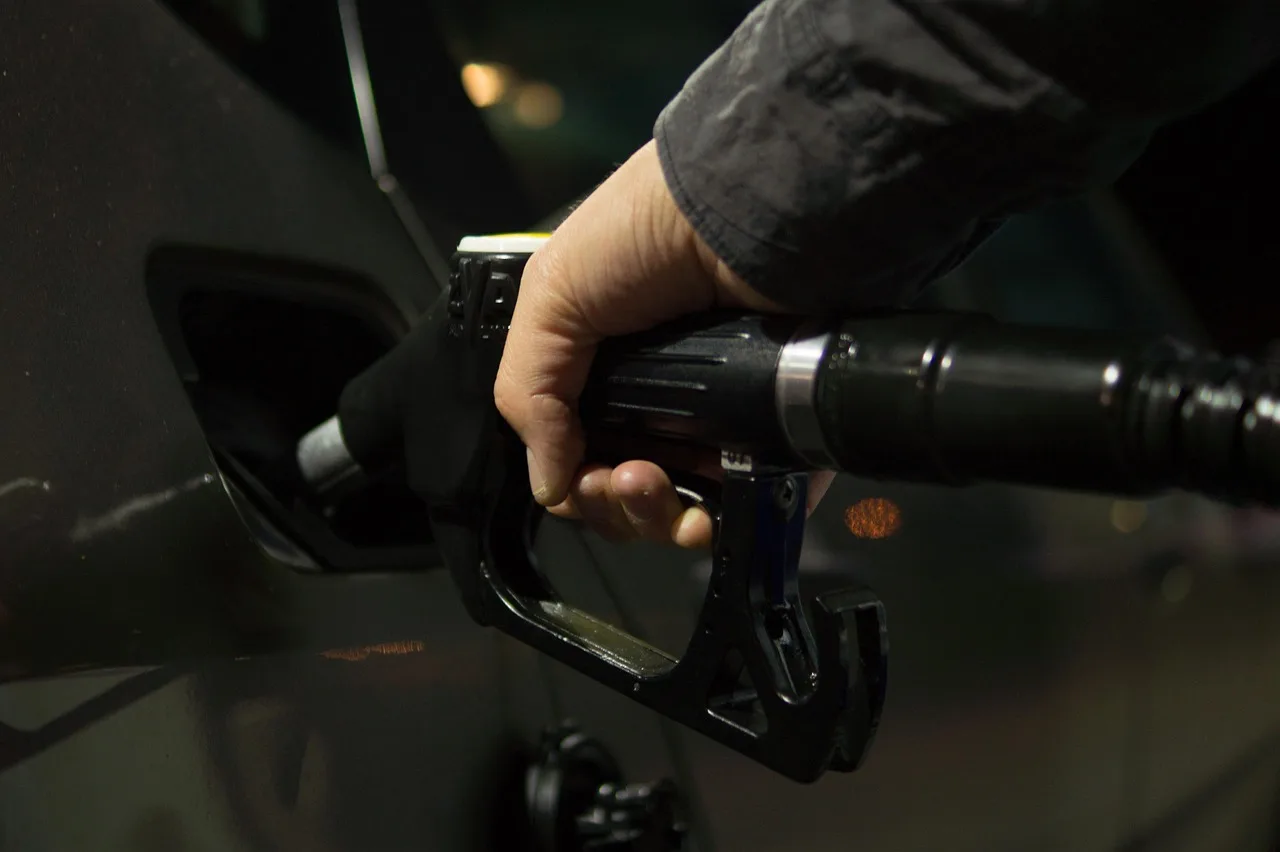
Ethanol blends and diesel are not universal upgrades. E10 is 10% ethanol and 90% gasoline. E15 is approved for vehicles made in 2001 and later. E85 is generally intended for flex-fuel vehicles only. Diesel fuel is for diesel engines only and uses compression ignition, with higher energy density and torque than gasoline. (Energy) (Energy) (Wikipedia)
E10, E15, and E85 compatibility
E10 is common and works in many gasoline vehicles, but approval still depends on the manufacturer and the vehicle age. E15 should be used only in vehicles made in 2001 and later that are approved for it. E85 is for flex-fuel vehicles only, and fuel economy may be lower with E85 because it contains less energy per gallon.
Diesel fuel for compression-ignition engines only
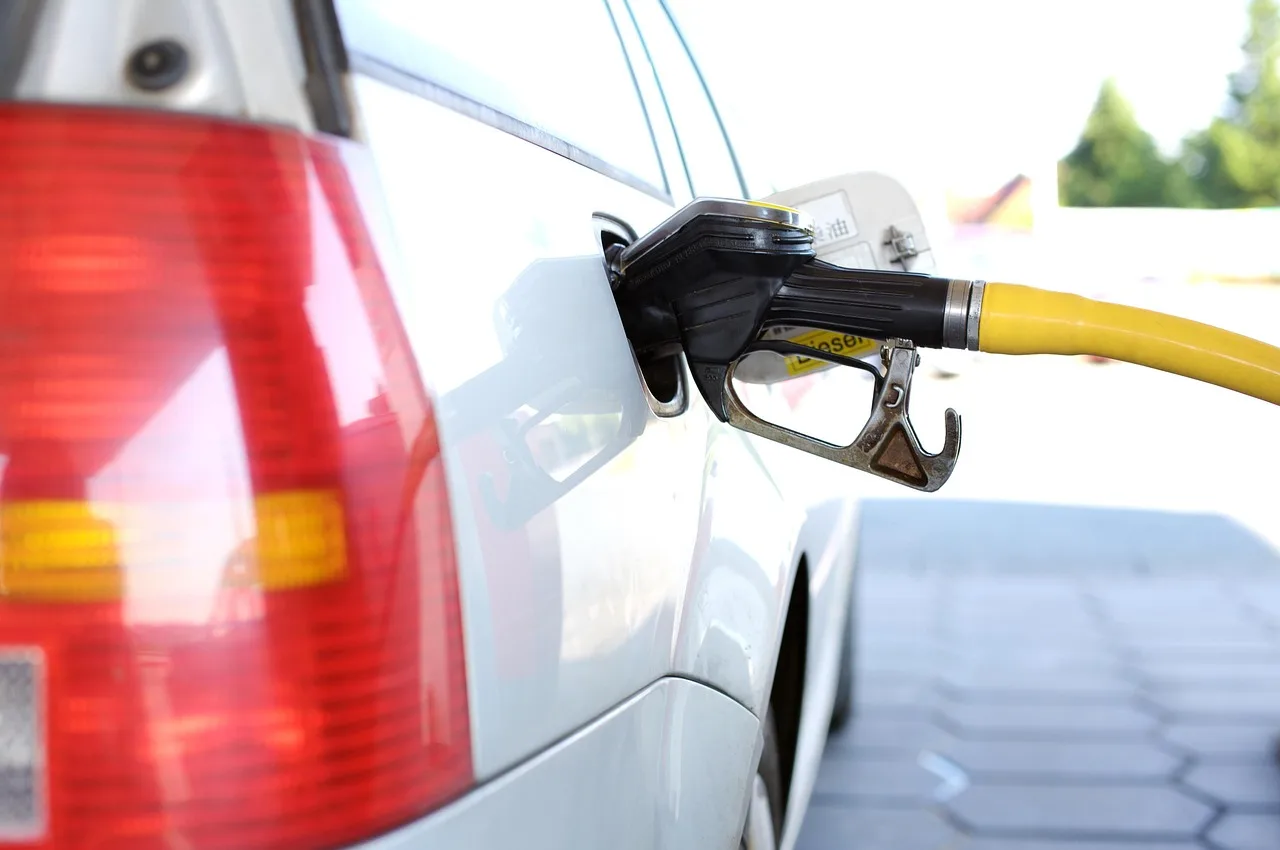
Diesel engines need diesel fuel because they ignite fuel by compression, not spark. Diesel’s cetane number describes how readily it ignites under compression. Put simply, diesel belongs in diesel vehicles, not in gasoline cars. Using it in the wrong engine can cause serious fuel-system problems and a no-start condition.
How blend choice affects mileage and torque
Gasoline engines approved for ethanol blends may run normally on the approved fuel, but range can change with the blend. E85 usually lowers mileage. Diesel engines often deliver strong low-end torque and good towing feel because of the fuel’s energy density and the engine’s combustion process.
Best fuel by vehicle type

Vehicle type is the fastest way to narrow the answer. Naturally aspirated gasoline engines usually want regular Top Tier unleaded. Turbocharged or high-compression engines may require premium. Flex-fuel vehicles can use approved ethanol blends. Diesel vehicles need diesel fuel, and the octane scale does not apply to them in the same way.
Naturally aspirated gasoline engines
These are the simplest case. If the manual lists 87 octane, that is the right fuel. A Top Tier regular unleaded usually gives the best mix of cost and deposit control. Mid-grade is rarely needed here unless the manual gives it as a narrow recommendation for specific conditions.
Turbocharged or high-compression engines
These engines are more sensitive to knock because cylinder pressure is higher. Many are calibrated to take advantage of premium fuel, and some need it to keep power and drivability where the maker intended. If the manual says premium, using regular can reduce performance and increase knock-control intervention.
Flex-fuel vehicles and diesel vehicles
Flex-fuel vehicles can use E85 when approved, but mileage often drops. Diesel vehicles should use diesel fuel only, with cetane and fuel quality suited to compression ignition. Mixing categories is not a cost-saving trick. It is a mistake that can turn into a repair bill.
A common first-timer mistake is treating octane like a fuel-quality score. Picture a compact sedan that calls for 87 octane and a same-price 93 octane premium pump nearby. The owner may expect smoother running, but the engine already has the knock resistance it was designed for, so the extra octane mainly raises the fuel bill.
Fuel additives and station choice
Additives can matter, but they should not distract from the basics. Detergents clean deposits, friction reducers reduce wear, and corrosion inhibitors help limit rust-related damage in the fuel system. Station maintenance, fuel turnover, and storage condition matter as much as the brand name on the sign.
Brand name versus station maintenance
Do not choose fuel by logo alone. A well-maintained independent station can sell good fuel, and a neglected branded site can sell stale or contaminated fuel. For most drivers, the safer choice is the station with good turnover, clean pumps, intact seals, and a clear maintenance record.
Warning signs of old or contaminated fuel
Hard starting after a long sit, rough idle, hesitation, fuel smell that seems stale, and a sudden check-engine light can point to old fuel or contamination. Water in the tank, debris in a nozzle, or wrong-grade fuel can all create drivability issues. If symptoms start right after refueling, stop assuming the problem is purely mechanical.
Failure-case guidance
If the engine calls for premium and gets regular, the first signs may be pinging under load, reduced power, or timing pull. If a gasoline car gets diesel, it may not start or may stall quickly. If a vehicle is not approved for ethanol blends, look for rubber, seal, or drivability problems instead of treating the fuel as harmless.
Best fuel by vehicle type and use case
| Vehicle type | Recommended fuel | Octane/cetane or blend | When it helps | When it wastes money | What to avoid |
|---|---|---|---|---|---|
| Most naturally aspirated gasoline cars | Top Tier regular unleaded | 87 octane | Daily commuting, normal loads, manual calls for regular | Buying premium when the manual does not call for it | Mid-grade unless the manual suggests it for a specific reason |
| Turbocharged or high-compression gasoline engines | Premium gasoline if required | 91-94 octane | Hard acceleration, towing, hot weather, full-rated output | Premium in an engine calibrated for 87 | Using regular when the manual requires premium |
| Vehicles with optional premium recommendation | Regular or premium per manual | Usually 87 octane, sometimes 91-94 | Premium may reduce knock in heavy use | Premium for routine driving with no measurable gain | Assuming premium always improves economy |
| Flex-fuel vehicles | E10, E15 if approved, or E85 only if flex-fuel | Blend depends on approval | E85 when ethanol use is desired and vehicle is designed for it | Using E85 in a non-flex-fuel vehicle | Ethanol blends not approved by the manufacturer |
| Diesel vehicles | Diesel fuel | Cetane-based fuel | Towing, torque, compression ignition | Buying gasoline because it is cheaper that day | Gasoline in a diesel engine |
Frequently asked questions
What is the best fuel for my car?
The best fuel is the grade and type listed in your owner’s manual. For many gasoline cars, that means Top Tier regular unleaded. Use premium only when the manual requires or recommends it, and use ethanol blends only when the car is approved for them. Diesel belongs in diesel engines only.
Does premium gas improve performance in a regular car?
Usually no. If your engine is calibrated for regular, premium does not normally add power, better mileage, or extra engine life. It may only lower knock in engines that are designed to use that extra resistance. For most regular cars, premium is money spent without a return.
What octane rating should I use in my car?
Use the octane rating the manufacturer lists, usually 87, 89-90, or 91-94. The right number depends on engine design, not on what seems “better” at the pump. If the manual says regular, stay with regular. If it says premium, use premium.
Can I use mid-grade instead of regular gas?
Usually there is no need. Mid-grade, typically 89-90 octane, sits between regular and premium and may help a narrow set of older or moderate-performance engines. Most cars do not benefit enough to justify the extra cost. If the manual specifies regular, mid-grade is usually wasted money.
Will the wrong fuel damage my engine?
It can. Using lower octane than required can cause knock or reduced performance, and putting gasoline in a diesel engine, or diesel in a gasoline engine, can cause serious problems. Ethanol blend incompatibility can also create hard starting or material issues in vehicles not approved for that fuel.
Should I buy fuel based on brand or station?
Station condition matters more than brand alone. Look for high turnover, clean equipment, and a station that appears well maintained. A good independent station can sell quality fuel, and a neglected branded site can sell stale or contaminated fuel. The label matters, but the fuel handling matters too.
Products related to this article
Sponsored / affiliate links. As an Amazon Associate I earn from qualifying purchases. I may earn additional commission from eligible campaigns.